Does Mold Grow on Metal? Hidden Health Risks & What to Watch For
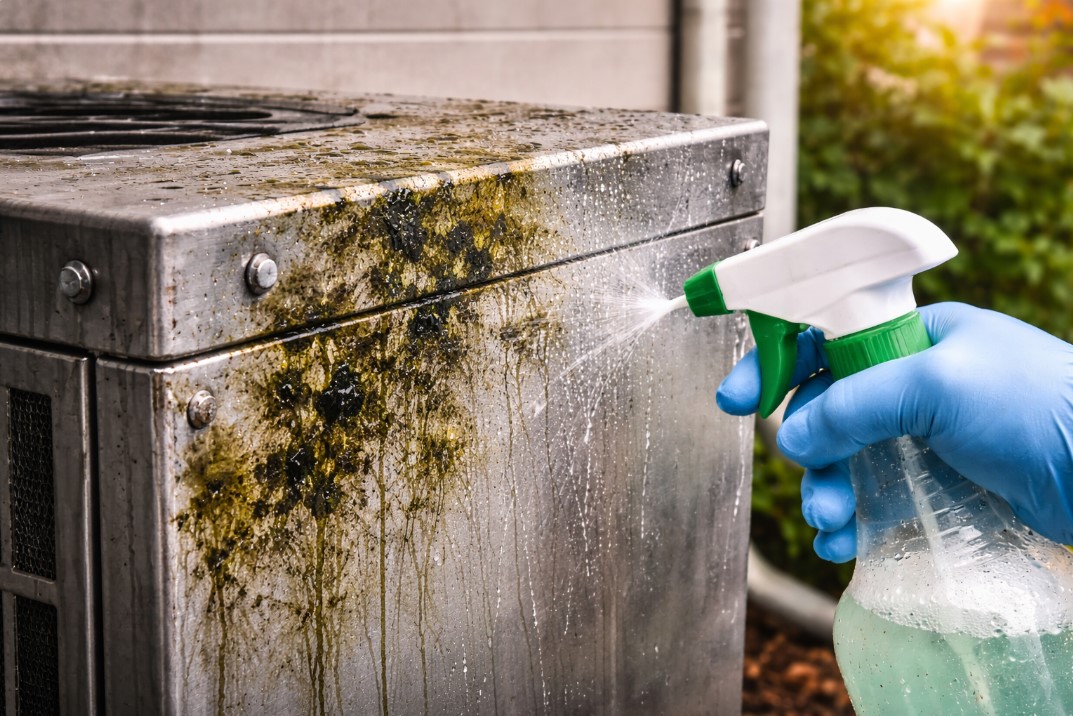
Yes, mold can grow on metal—but only when there’s lingering moisture and something organic (like dust, grease, or paint) on the surface. Metal itself doesn’t “feed” mold, but it can still become a moldy problem spot in your home.
For San Diego homeowners, especially those living near the coast or in older homes, understanding how mold finds its way onto metal is crucial. With our marine layer, June Gloom, and frequent indoor–outdoor living, even metal surfaces can become unexpected mold traps—posing both hidden health risks and a sign of bigger moisture issues inside your home.
Quick Answer
- Mold cannot grow directly on clean, bare metal, but will thrive on dust, grime, or paint on metal surfaces if moisture is present.
- Persistent humidity, condensation, or leaks trigger mold growth on metal in San Diego’s coastal and inland homes.
- Mold on metal is a red flag for hidden moisture problems—always investigate the source.
- Health risks include allergies, asthma flare-ups, and respiratory irritation, especially in poorly ventilated spaces.
- Rust and mold can look similar on metal; mold is fuzzy or slimy, rust is flaky and reddish-brown.
- Quick action: dry the area, clean off visible mold, and eliminate the moisture source to prevent repeat growth.
Why Does Mold Appear on Metal?
Mold appears on metal only when moisture and an organic food source (like dust, grease, or even paint residue) are present; the metal itself doesn’t support mold growth. Yet, in San Diego’s unique climate, with its coastal fog, marine layer, and even the notorious June Gloom, metal surfaces in homes can easily collect condensation or humidity—making them surprisingly prone to mold.
Here’s what I noticed: problem spots often include HVAC vents, window frames, bathroom fixtures, and the piping under sinks. These areas are frequently exposed to steam, leaks, or daily temperature swings. If you live inland, intense summer heat can cause indoor-outdoor temperature shifts that leave metal sweating. Near the coast, the constant dampness from fog or moist air clinging to cooler metal surfaces creates the perfect setting for mold to take hold.
Checklist item: After showers, cooking, or particularly foggy mornings, check for visible condensation on metal surfaces in your home.
Dust and grime build up quickly on metal, especially around windows and vents, giving mold a foothold when combined with San Diego’s fluctuating humidity. Condo owners should be extra mindful—shared walls and older building materials can hide moisture sources you might not notice at first glance.
Health Risks of Mold on Metal Surfaces
Mold spores released from metal surfaces can trigger allergies, asthma attacks, and general respiratory discomfort—especially in enclosed or poorly ventilated spaces. In San Diego, hidden mold in places like AC vents or under-sink pipes can be particularly worrisome because our homes are designed for airflow and often have minimal barriers between indoor and outdoor environments.
Children, seniors, and people with pre-existing respiratory conditions are most vulnerable to these risks. Mold tucked away inside metal HVAC ducts can spread spores throughout your home every time the system kicks on. You may not see the mold, but you could feel the effects—coughing, sneezing, or increased asthma symptoms.
What surprised me most is how many people overlook these symptoms, chalking them up to seasonal allergies or the marine layer’s dampness. If you spot recurring mold on metal, take note of any new or worsening breathing issues in your household.
Checklist item: Whenever you see mold coming back on metal, pay attention to whether anyone at home starts experiencing unexplained coughing, sneezing, or breathing problems.
Safety note: Always wear gloves and a properly fitted mask when cleaning visible mold to reduce exposure to spores.
Mold or Rust? How to Spot the Difference
Mold and rust can look similar on metal, but there are key differences that help you figure out what you’re dealing with. Mold typically appears fuzzy, slimy, or powdery and can be black, green, or even white. It’s often accompanied by a musty odor. Rust, in contrast, is always reddish-brown, flaky, and only forms on iron or steel (not on aluminum or other metals).
Sometimes, you’ll find both on neglected metal—especially in older San Diego homes with original fixtures or in spots where water has been sitting for a while. Mold can colonize on top of rust if enough moisture and organic material are present.
The pattern I keep seeing is that people mistake rust for mold or vice versa, leading to either unnecessary worry or missed problems.
Checklist item: Wipe the suspect spot with a damp cloth. If it smears black or green, you’re likely dealing with mold. If it feels hard and crumbles orange, it’s rust.
Accurate identification is important—mold requires prompt cleaning and attention to moisture sources, while rust points to potential corrosion and structural issues that need a different approach.
What to Do If You Find Mold on Metal
If you discover mold on a metal surface, immediate action is key: dry the area thoroughly, fix any leaks, and improve ventilation. In San Diego, this might mean running a dehumidifier (costs can range from $40 for a small unit to $200+ for larger ones), opening windows for cross-breeze, or using exhaust fans more regularly.
Start by cleaning the mold with soap and water or a mild disinfectant. Avoid harsh chemicals like bleach or strong acids—they can corrode metal and make the problem worse. If there are any nearby porous materials (like drywall or insulation) that also show signs of mold, remove and replace them; these can harbor spores and let the problem return.
For condo owners, always check your HOA rules before starting any mold cleanup or repairs—some associations have strict guidelines about permitted work or who is responsible for repairs. Renters should document the issue with photos and notify the landlord right away; by law, landlords are typically required to address mold and underlying moisture problems.
Checklist item: Keep a log or take photos of where and when you find mold—tracking patterns can help you or a professional uncover hidden leaks or condensation sources.
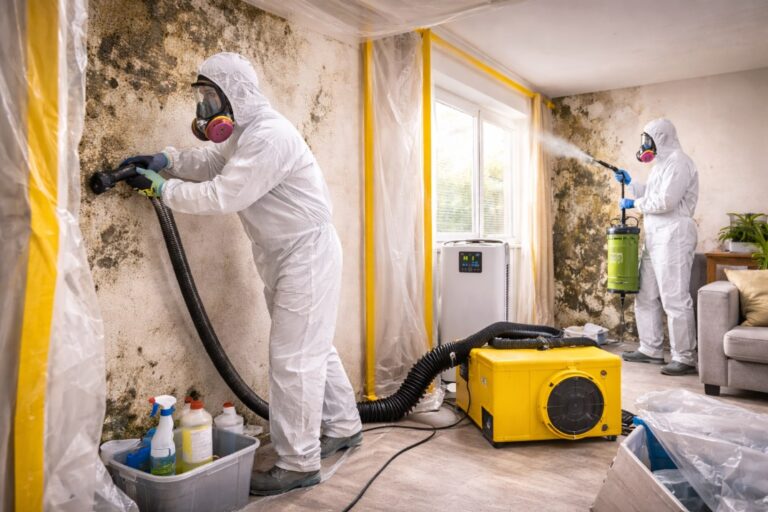
DIY vs Pro Decision: If the mold covers a patch larger than 10 square feet, keeps coming back, or you have any health concerns, it’s best to call in a licensed mold remediation professional.
Why Recurring Mold on Metal Means a Bigger Moisture Problem
When mold keeps coming back on metal, it’s a clear sign of an unresolved moisture issue—not just a cleaning problem. In San Diego homes, persistent condensation on metal pipes, vents, or window frames often points to trouble with ventilation, plumbing leaks, or insufficient insulation.
Ignoring mold on metal can allow hidden water damage, odors, and health risks to escalate. You might notice a persistent musty smell, warped building materials nearby, or even unexplained increases in your utility bills if a hidden leak is running.
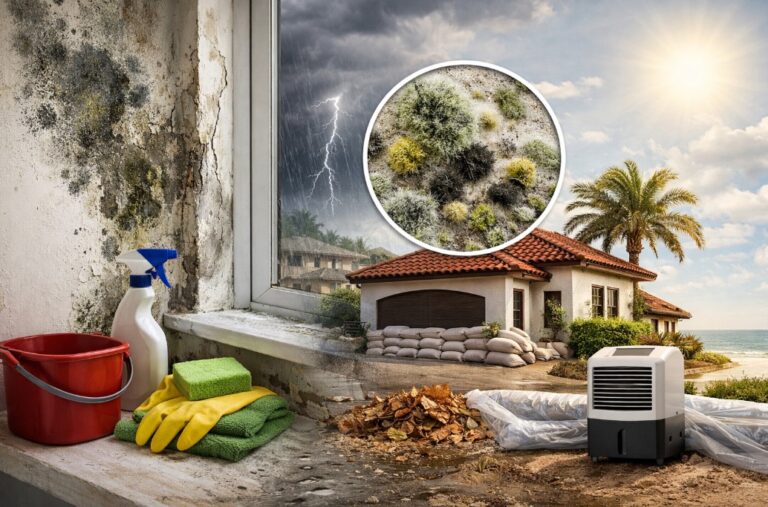
And this is where it gets interesting: local weather patterns play a big role here. The marine layer, June Gloom, and frequent coastal fog mean homes near the beach are at higher risk for condensation. Inland, the swing from hot dry days to cool nights can also leave metal surfaces damp. Older homes and condos with original single-pane windows or aging plumbing are especially prone to hidden leaks and sweating pipes.
Checklist item: After cleaning any mold, monitor humidity and look for condensation in problem areas for at least 48 hours. If you still see moisture, the underlying issue isn’t fixed.
0–24–48h timeline: Dry the area immediately, clean any visible mold within 24 hours, and recheck for moisture at 48 hours to ensure you’ve solved the problem.
Official Guidance
The EPA states that mold can grow on nearly any surface if moisture is present—including dust or dirt on metal, which means even non-absorbent surfaces aren’t immune. The CDC stresses that all visible mold, regardless of surface material, should be cleaned up promptly and the source of moisture addressed to prevent recurrence.
In San Diego, the County Department of Environmental Health recommends improving ventilation and controlling indoor humidity to prevent mold. The California Department of Public Health echoes that message, emphasizing that recurring mold usually signals an ongoing water problem that may require professional attention.
Both EPA and CDC highlight the importance of using personal protective equipment—like gloves and a mask—when cleaning mold, to reduce your exposure to potentially harmful spores.
Sources Note
Sources for this article include the U.S. Environmental Protection Agency (EPA), Centers for Disease Control and Prevention (CDC), and the San Diego County Department of Environmental Health.
This article is for informational purposes only—consult a licensed mold or building professional for confirmed or persistent issues.
FAQ
Can mold actually live on metal, or is it just on the dirt and dust?
Mold can’t grow on bare, clean metal, but it thrives on the organic dust, grease, or paint that collects on metal surfaces when moisture is present.
What does mold on metal look like compared to rust?
Mold is usually fuzzy or slimy and ranges from black to green or white. Rust is flaky, hard, reddish-brown, and only appears on iron or steel.
Is mold on a metal AC vent dangerous to breathe?
Mold spores from vents can circulate throughout your home and may trigger allergies or respiratory symptoms, especially in sensitive individuals.
How do I clean mold off metal window frames safely?
Wear gloves and a mask, dry the area first, then clean with soap and water or a mild disinfectant. Avoid harsh chemicals that can corrode the metal.
Why does mold keep coming back on my metal pipes or fixtures?
Recurring mold usually means there’s an ongoing moisture problem—like a slow leak, poor ventilation, or persistent condensation—not just a cleaning issue.
Can vinegar or bleach kill mold on metal?
Both can kill mold, but vinegar is less corrosive to metal. Use either with caution, and always dry the area thoroughly afterward.
Does mold on metal mean there’s a leak somewhere?
Often, yes. Mold on metal is a red flag for hidden leaks or chronic condensation. Investigate and fix the source of moisture.
Should I replace metal items that have had mold on them?
Usually, thorough cleaning is enough. But if the metal is heavily corroded or the mold keeps returning, replacement may be needed.
Next Steps: What You Can Do
- Inspect metal surfaces in bathrooms, kitchens, and around windows for signs of moisture or mold this week.
- If you spot recurring mold or suspect a hidden moisture problem, consider a professional moisture inspection—especially in older or coastal San Diego homes.
- Improve ventilation in problem areas and monitor humidity levels to stop future mold growth at the source.