How to Prevent Mold in Basement and Keep It Dry for Good
Preventing mold in your basement starts with controlling moisture—fixing leaks, improving ventilation, and keeping humidity low are the pillars that will help you keep your basement dry for good.
If you live in San Diego, you know moisture can sneak in from unexpected sources. Thanks to coastal fog, the infamous marine layer, and June Gloom humidity, basements here face unique dampness challenges. Whether you’re in a beachside condo, a historic Craftsman, or an inland rental, you can’t ignore how easily moisture finds its way in. Mold is just the symptom; moisture is the root cause, especially in San Diego’s ever-changing climate.
Quick Answer
- Fix leaks and seal cracks promptly to stop water intrusion.
- Use a dehumidifier to keep basement humidity under 50%.
- Ensure gutters and landscaping direct water away from your foundation.
- Ventilate the basement, especially after foggy or humid days.
- Insulate pipes and walls to prevent condensation.
- Regularly inspect for damp spots and address moisture fast.
Find and Eliminate Moisture Sources First
To prevent mold in your basement, you must identify and eliminate the sources of excess moisture—San Diego’s climate makes this especially important, as dampness may come from marine layers, fog, or even brief but intense storms.
Start by inspecting your basement for common entry points. Foundation cracks are a frequent culprit, especially in older homes or after seismic activity. Poor drainage can allow water to pool near your foundation, while a high water table—sometimes triggered by coastal storms or heavy irrigation—can push moisture up through the floor.
If you live in a coastal neighborhood or a condo near the beach, the marine layer can sneak moisture into basements even when it hasn’t rained. For those in older buildings, pay special attention to spots where exterior walls meet the floor or where previous repairs are visible.
Here’s what I noticed: moisture issues rarely show up right away. Sometimes, that damp spot after a foggy morning will dry out—other times, it lingers and leads to trouble. That’s why a proactive approach is best.
After any significant rain, heavy fog, or even overwatering of landscaping, do a DIY check. Look for new dampness, peeling paint, or that faint musty smell. Renting? Always document any findings and notify your landlord quickly—delays can make things worse. If you own a condo, check your HOA’s rules before making repairs, as some structural fixes may require approval.
Actionable Checklist:
– Inspect all walls and floors for leaks, cracks, or damp spots at least once a month, especially after wet weather.
– Address any sign of leaks or dampness within 24–48 hours to prevent mold growth.
Improve Basement Airflow and Ventilation
Good ventilation is essential for basement moisture control, especially in San Diego where marine layers and humidity spikes can linger inside your home.
Let’s talk airflow. Natural ventilation—like opening windows and vents—can help, but it isn’t always possible in older homes or condos with sealed windows or shared walls. Mechanical solutions, such as exhaust fans, are a reliable way to keep the air moving and prevent moisture from building up.
If your basement has windows, open them for at least 20 minutes daily during dry afternoons. Avoid this during marine layer mornings, as you’ll just invite more moisture in. For homes without windows or with limited airflow, install a small exhaust or inline fan. These are affordable (often under $100) and easy to run on a timer.
What surprised me most is how much difference even a simple box fan can make. Just keeping the air from sitting still helps dry out condensation after foggy nights or humid days.
Condo owners should check with their HOA before installing any permanent fans or vents. Renters can use portable fans or request their landlord improve ventilation if problems persist.
Actionable Checklist:
– Run an exhaust fan or open windows for at least 20 minutes daily during dry weather.
Control Indoor Humidity and Condensation
Basement humidity level is a make-or-break factor in mold prevention—if you want to keep your basement dry, especially during San Diego’s June Gloom or muggy coastal spells, you need to monitor and control it actively.
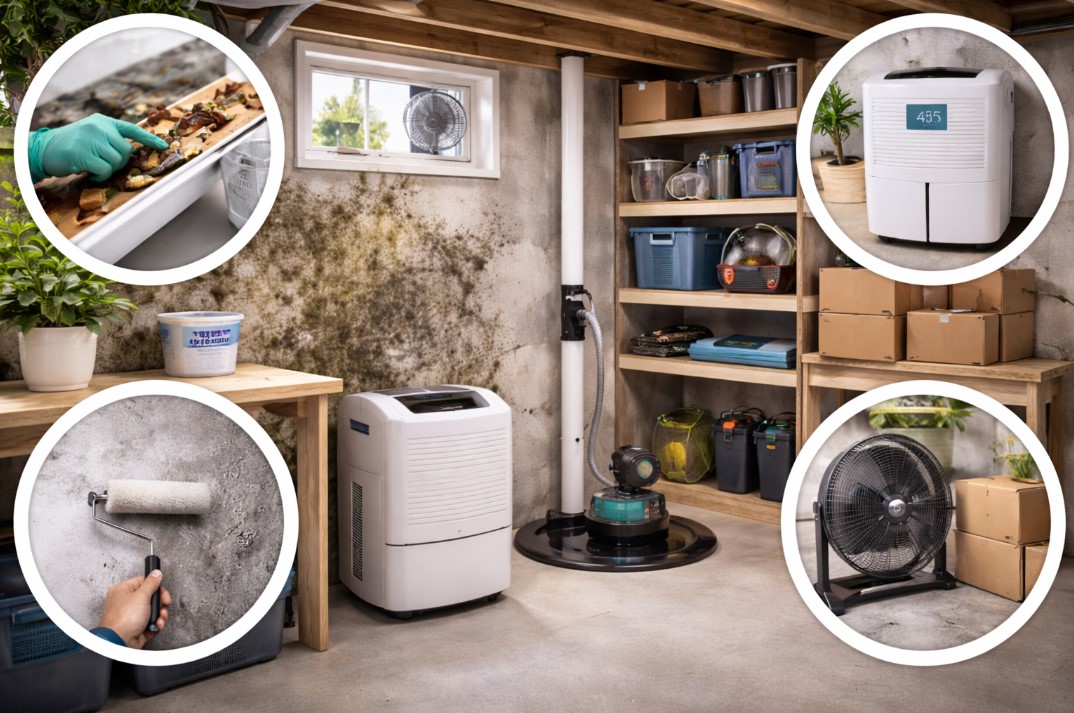
A dehumidifier is your best friend here. Choose a unit sized for your basement’s square footage; most homes need a model rated for at least 30–50 pints per day. Place it in the dampest part of the basement and empty the reservoir regularly, or set up a drainage hose if possible. Most quality dehumidifiers cost between $150–$300 and will last for years with proper care.
Condensation is another sneaky problem. Insulate cold pipes and exterior walls to keep water vapor from condensing on surfaces—foam pipe sleeves are inexpensive and easy to install. If you spot “sweating” walls, consider adding rigid foam insulation or a vapor barrier where allowed.
Monitoring is just as important as controlling. A digital hygrometer (usually $10–$25) gives you real-time readings of your basement humidity. Aim to keep levels below 50%. If you notice spikes after foggy weather or during humid months, run the dehumidifier longer.
The pattern I keep seeing: consistent monitoring and quick action make all the difference. Don’t wait for musty smells or visible dampness—let your hygrometer guide you.
Actionable Checklist:
– Keep a digital hygrometer in your basement and set your dehumidifier to maintain humidity below 50%.
Waterproof and Maintain Your Basement Structure
Long-term basement moisture control depends on a waterproof structure—especially in San Diego, where sudden storms, coastal fog, and even nearby irrigation can catch you off guard.
Waterproofing starts with the basics. Seal foundation cracks with hydraulic cement or masonry sealant. Apply waterproof coatings to walls and floors if you notice persistent dampness. While many products are DIY-friendly, large cracks or ongoing water seepage usually require a professional assessment.
Don’t overlook the exterior. Clean gutters and downspouts every season so rainwater flows away from your foundation. Make sure landscaping slopes away from the house—sometimes regrading a few feet of soil is all it takes to prevent water pooling. For those living near the coast or in hillside neighborhoods, consider French drains or sump pumps for extra protection.
And this is where it gets interesting: even small maintenance lapses—like a clogged downspout or missing gutter section—can result in major water intrusion during a single rainy week. Condo owners should consult HOA guidelines before making changes; renters, alert your landlord if you spot exterior drainage problems.
When should you call a pro? If water seeps in after every rain, cracks keep returning, or you suspect a high water table, professional waterproofing is usually the safest bet. The cost varies widely, but investing up front can save thousands in repairs down the line.
Actionable Checklist:
– Check and clean gutters/downspouts every season to ensure water flows away from your home.
Spot Early Signs and Take Action Fast
Catching early signs of basement moisture gives you the best shot at stopping mold before it spreads—especially in San Diego’s unpredictable climate.
Trust your nose first. A musty smell is often the earliest sign of hidden dampness, even before visible stains or mold appear. Watch for discoloration on walls or floors, bubbling paint, or persistent dampness after rain or humid weather.
If you discover water or mold, act within 24–48 hours. Dry the area thoroughly with fans and a dehumidifier. Remove any wet cardboard, fabric, or boxes—these can hold moisture and feed mold growth. For small, isolated spots, you can clean with soap and water, but avoid bleach on porous materials; it often doesn’t reach deep enough and can even make things worse.
Safety is crucial. If you find extensive mold growth, contaminated water (like from sewage), or have health concerns, avoid DIY cleanup. Large or toxic mold problems require a professional mold remediation specialist. Renters should document everything with photos and notify their landlord immediately. Condo owners: check with your HOA on remediation protocols.
Actionable Checklist:
– If you see or smell mold, dry the area immediately and consult a mold remediation specialist if the problem is widespread or you have health concerns.
Official Recommendations for Basement Mold Prevention
- Address and repair all water leaks quickly (EPA, CDC).
- Keep indoor humidity below 50% with dehumidifiers or air conditioning (EPA).
- Dry wet materials and surfaces within 24–48 hours (CDC).
- Ensure proper ventilation in basements and crawl spaces (EPA).
- Clean and maintain gutters and downspouts to direct water away from the house (EPA).
- Use mold-resistant building materials where possible in renovations (EPA).
Sources Note
Information for this article draws on guidance from the U.S. Environmental Protection Agency (EPA), Centers for Disease Control and Prevention (CDC), and California Department of Public Health.
This article is informational only and does not replace professional assessment—consult a specialist for confirmed water or mold problems.
FAQ
What is the best dehumidifier for a San Diego basement?
Look for an Energy Star-rated dehumidifier sized for your basement’s square footage (usually 30–50 pints per day for most homes). Popular brands include Frigidaire, hOmeLabs, and Honeywell.
How do I know if my basement humidity is too high?
Use a digital hygrometer. If the reading consistently stays above 50%, it’s too high for safe basement moisture control.
Can mold grow in my basement if I don’t see water?
Yes—mold can thrive on high humidity alone, even if you never see pooled water. That’s why you should monitor and keep basement humidity below 50%.
Should I use bleach to clean basement mold?
Bleach is not recommended for porous surfaces because it may not kill mold roots. Use soap and water for small areas, and consult the EPA Mold Guidelines for safe cleaning advice.
How quickly does mold start growing after a leak?
Mold can begin to develop within 24–48 hours of water exposure, which is why it’s so important to dry wet areas fast.
Do San Diego condos get basement mold problems too?
Yes—condos, especially those near the coast, can experience basement moisture and mold issues from marine layer infiltration or poor drainage. Always check your HOA’s maintenance policies.
How often should I inspect my basement for moisture?
Inspect at least once per month, and always after heavy rain, fog, or irrigation, to spot issues before they escalate.
What are signs of hidden water leaks in basement walls?
Look for peeling or bubbling paint, white mineral stains (efflorescence), musty odors, or persistent damp spots along baseboards.
Take Action
- Schedule an annual basement inspection, especially before San Diego’s rainy season.
- Invest in a quality dehumidifier and check humidity levels regularly.
- Contact a local waterproofing or mold remediation professional if you spot persistent dampness or mold.