Are Dead Mold Spores Harmful? Hidden Health Risks Explained
Dead mold spores can still be harmful to your health, especially if inhaled, even after the mold itself is no longer actively growing. In San Diego, where coastal fog and marine layers are common and many homes—especially older properties and rentals—suffer from hidden moisture, understanding the reality of dead mold is more than a technicality. You might think you’re safe after cleaning up visible mold, but the risks often linger in the form of invisible, persistent spores.
San Diego’s climate, with its frequent “June Gloom” and salty air, creates the perfect storm for hidden moisture problems. Whether you’re a homeowner, renter, or property manager, you need to know that dead mold isn’t harmless dust. Ignoring those leftover spores, especially if you have kids, seniors, or anyone with allergies in your home, could mean the problem isn’t as “dead” as it looks.
- Dead mold spores can cause allergic reactions and respiratory issues if inhaled.
- Both living and dead mold particles can trigger symptoms in sensitive people.
- Cleaning visible mold doesn’t always remove harmful spores left behind.
- Dead spores can become airborne during cleaning or disturbance.
- Proper moisture control is key to long-term mold prevention in San Diego homes.
- Professional remediation may be needed when mold-affected materials are extensive.
What Are Dead Mold Spores?
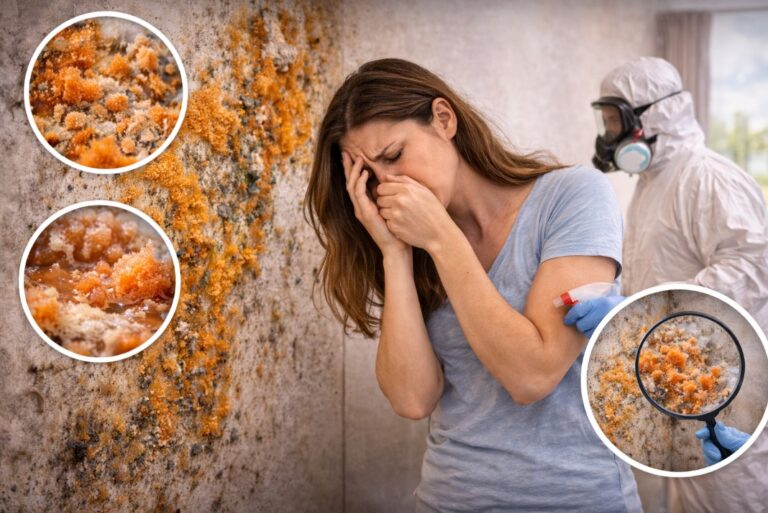
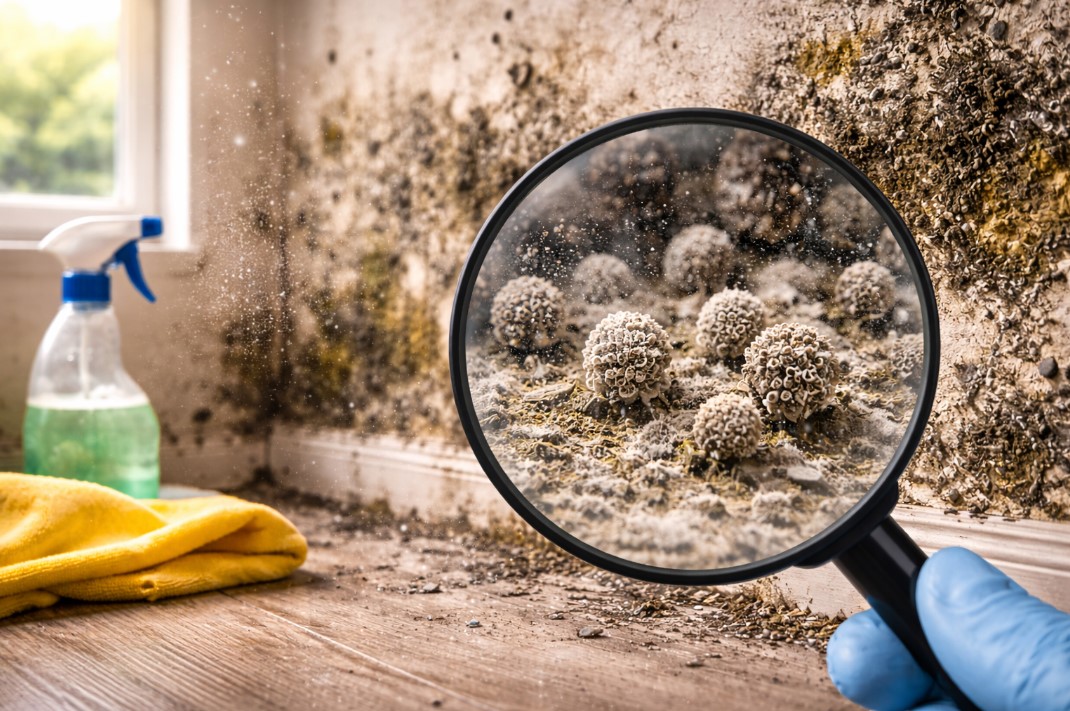
Dead mold spores are the microscopic particles left behind after mold growth is killed or dried out. Even if the fuzzy patches on your wall or ceiling are gone, the tiny fragments and spores can stick around in household dust, HVAC vents, and on surfaces like windowsills and baseboards. These “dead” spores can’t multiply or create new mold colonies, but their structure—especially certain proteins—can still trigger allergic reactions or irritation.
The pattern I keep seeing is that many people assume once the visible mold is gone, the threat is over. In reality, dead mold spores are like pollen or pet dander: they may not be alive, but your body can recognize and react to them all the same. The biggest difference? Living mold spores can reproduce and spread, while dead ones can’t—but both can end up in your lungs if disturbed during cleaning.
Actionable checklist:
– After any visible mold cleanup, check for lingering dust or debris on HVAC vents, windowsills, and baseboards.
Hidden Health Risks: What Happens When You Breathe Dead Mold?
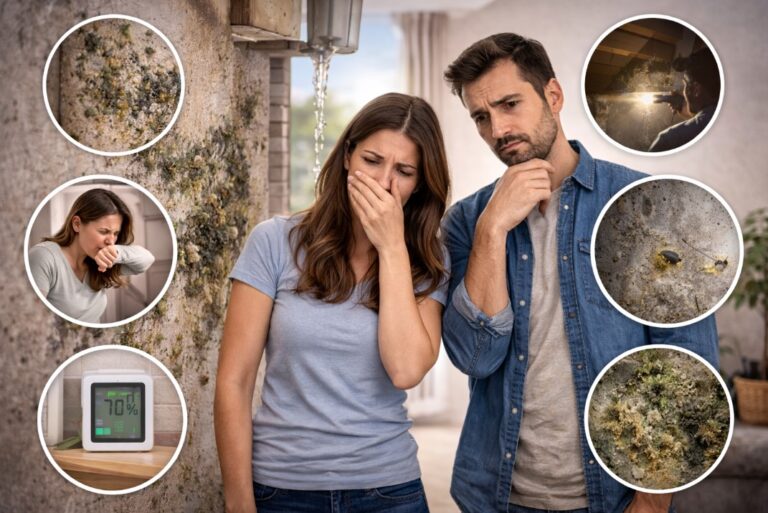
Dead mold spores may be invisible, but they can still cause problems, especially in homes where children, seniors, or anyone with asthma or allergies lives. You might notice sneezing, coughing, headaches, or even skin and eye irritation—classic mold exposure symptoms—even after you’ve already dealt with visible mold.
What surprised me most is how many San Diego residents experience worse symptoms during the marine layer season. Fog brings extra moisture into your home, and if you haven’t removed every trace of mold (including dead spores), you may start to notice family members getting sick more often. The risk is especially high for young children, the elderly, and people with weakened immune systems.
Dead spores can stick to dust, float into the air when you vacuum, or settle in carpets and upholstery. Sometimes, symptoms persist until a thorough air quality test reveals the lingering particles. That’s a step many overlook.
Actionable checklist:
– If you or your family experience unexplained allergy symptoms at home, consider an indoor air quality test to check for lingering mold particles.
Safety note:
– Wear an N95 mask and gloves when cleaning any visible mold or dust in affected areas.
Why Killing Mold Isn’t Enough: The Moisture Connection
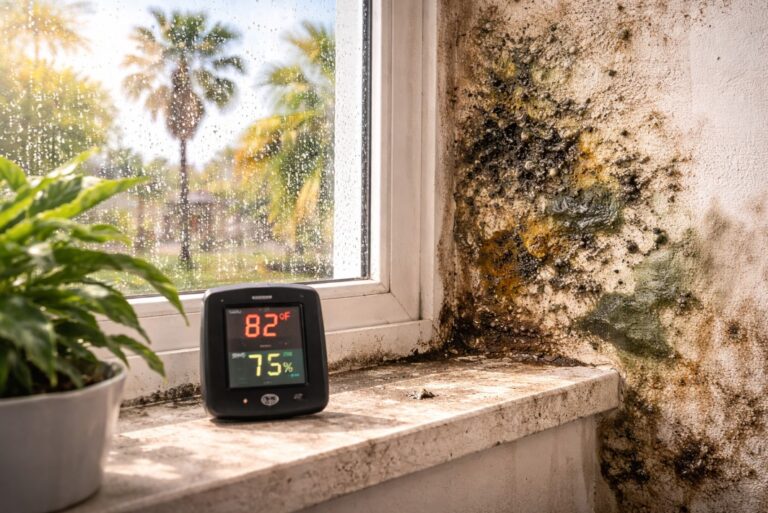
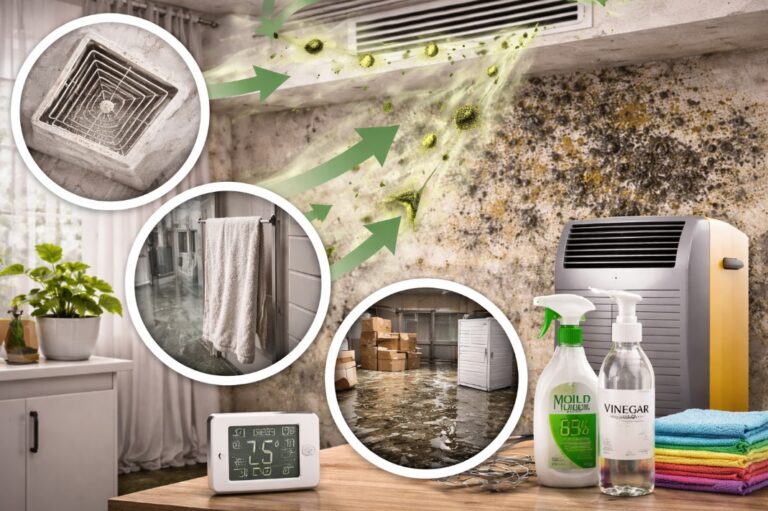
Bleaching, spraying, or otherwise killing mold doesn’t actually remove the dead spores—or the real cause of your problem. Mold is just a symptom. The actual issue is moisture, whether it’s from a leaky pipe, poor ventilation, or San Diego’s infamous coastal fog creeping into cracks and crawlspaces.
Here’s what I noticed: condos and older homes in coastal neighborhoods like Point Loma, Pacific Beach, and La Jolla often have persistent moisture hiding behind walls or under floors. If you don’t address the dampness, you’re basically inviting mold (dead or alive) to stick around or return. Even after a thorough cleaning, dead spores can persist until the underlying leak or humidity problem is fixed.
True mold remediation means drying things out for good. That might mean fixing plumbing leaks, installing a dehumidifier, or upgrading bathroom fans. For renters, be sure to document any water damage and notify your landlord—California law gives you the right to a habitable, mold-free home.
Actionable checklist:
– After cleaning, use a moisture meter or hire a pro to check for hidden dampness behind walls or under flooring.
DIY vs Pro decision flag:
– For mold covering more than 10 square feet, or if moisture source is hidden, consult a professional mold remediation contractor.
Safe Mold Cleanup: What Works—and What Doesn’t
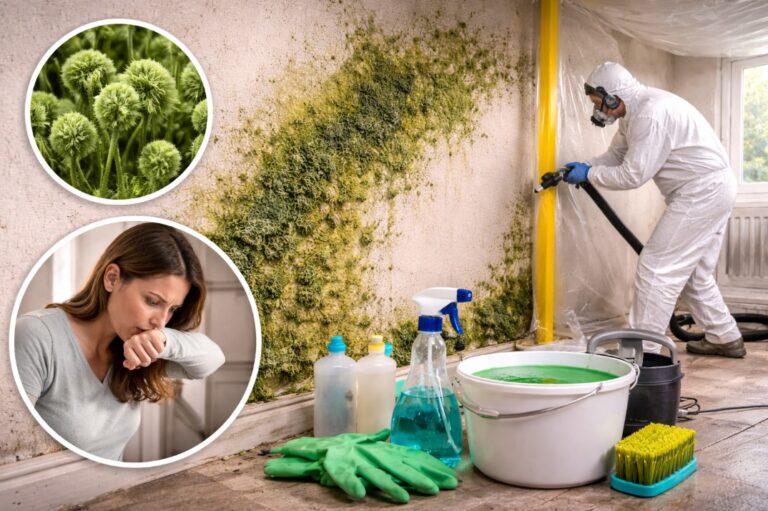
You might think a quick wipe-down with bleach will solve the problem. Unfortunately, regular cleaning often leaves spores behind, and using a normal vacuum can actually launch dead mold particles back into the air. The safest method? Use a HEPA vacuum, which is specifically designed to trap tiny particles, including dead mold spores.
And this is where it gets interesting: porous materials like carpet, ceiling tiles, and drywall usually can’t be fully cleaned. In San Diego’s humid neighborhoods, even a small patch of moisture can keep materials damp enough for spores to persist. Surface cleaning is rarely enough.
Always seal off the affected area to avoid spreading spores around your home, and bag any contaminated materials before disposal. If you own a condo, check your HOA’s rules before doing any remediation—some associations require licensed contractors for work that affects shared walls or ventilation.
Actionable checklist:
– Always seal off the area, use a HEPA vacuum, and dispose of contaminated materials in sealed bags.
Safety note:
– Do not attempt to clean large or hidden mold growth without proper equipment and training.
When to Call a Pro: Mold Remediation in San Diego
Large, hidden, or recurring mold issues often require professional help. San Diego mold remediation companies use containment barriers, air scrubbers, and moisture mapping tools—equipment that goes far beyond what you’ll find at the hardware store. Importantly, pros know that removing visible mold isn’t enough; they’ll also track down and repair the root cause, whether it’s a leaky roof or persistent condensation from the marine layer.
Many older homes and condos in San Diego have construction quirks—crawlspaces, flat roofs, or shared plumbing—that make moisture problems hard to find. Local pros are familiar with these challenges and can tailor their approach.
Before hiring any remediation contractor, get a written scope of work and ensure they include a thorough moisture assessment. If you’re a renter, request written documentation of the work for your records. For condo owners, verify that your HOA is aware and approves the remediation plan.
Actionable checklist:
– Get a written scope of work and moisture assessment before hiring any remediation contractor.
DIY vs Pro decision flag:
– If mold returns after repeated cleaning or covers a large area, it’s time to call a specialist.
Official Guidance: What the Experts Say
The EPA makes it clear: even dead mold can cause allergic reactions for some people (EPA Mold Guidelines). The CDC recommends not just killing mold, but actually removing moldy materials, especially in homes where sensitive individuals live (CDC Mold Cleanup). The California Department of Public Health points out that moisture control, not just surface cleaning, is the key to preventing mold recurrence (CDPH Indoor Mold). The American Industrial Hygiene Association adds that both live and dead mold fragments can pose health hazards.
The EPA also emphasizes using proper protective gear—like N95 masks and gloves—when cleaning up mold, and the CDC warns that people with respiratory conditions should avoid exposure to both living and dead mold spores.
Sources Note
Sources for this article include the EPA (Environmental Protection Agency), CDC (Centers for Disease Control and Prevention), and the California Department of Public Health. This is for informational purposes only and not a substitute for professional advice—always consult a licensed mold or indoor air quality specialist if you have ongoing or severe issues.
FAQ
Are dead mold spores harmful to breathe?
Yes, dead mold spores can still cause health symptoms, especially for people with allergies, asthma, or weakened immune systems.How do you remove dead mold spores from your home?
Use a HEPA vacuum, wipe surfaces with a damp cloth, and remove contaminated materials. Control moisture to prevent regrowth.Can dead mold spores cause allergic reactions in children?
Yes, children are often more sensitive and may develop allergy-like symptoms from inhaling dead mold spores.What’s the difference between live and dead mold spores?
Live spores can reproduce and grow new mold, while dead spores can’t—but both can trigger allergic reactions.Do HEPA filters remove dead mold spores from the air?
Yes, HEPA filters are effective at trapping both live and dead mold spores.Is it safe to clean dead mold yourself?
Small areas may be cleaned safely with protective gear and proper tools, but large or hidden mold should be handled by professionals.Can dead mold spores cause long-term health problems?
Research suggests chronic exposure may be linked to ongoing respiratory symptoms, especially in sensitive people, but more studies are needed.How can I tell if all mold spores are gone after cleanup?
An indoor air quality test can help verify if lingering spores remain; visually clean surfaces may still harbor microscopic particles.
CTA Block
- Schedule a professional moisture assessment if you’ve had repeated mold problems, especially after DIY cleanup.
- Consider upgrading your home’s ventilation or dehumidification if you live in a coastal San Diego neighborhood.
- If you notice musty odors or experience unexplained allergy symptoms, consult a local mold remediation expert for an evaluation.