Mold vs. Yeast — How to Tell the Difference and Why It Matters
Mold and yeast are both types of fungi, but they look, behave, and impact your home very differently. You can tell them apart by how they appear, where they grow, and what risks they pose—crucial knowledge for protecting your living space.
For San Diego homeowners and renters, especially near the coast or in older buildings, knowing the difference between mold and yeast can help you spot early signs of moisture problems before they lead to property damage, health issues, or expensive repairs. With our region’s mix of marine layer moisture, inland heat, and aging condos, understanding the basics is your first line of defense.
- Mold often appears as fuzzy, green, black, or white patches on walls, ceilings, or hidden areas.
- Yeast usually shows up as a slimy or glossy film, often on foods or damp bathroom/kitchen surfaces.
- Mold signals a deeper moisture problem in your home; yeast is less likely to spread in building materials.
- Both can cause odors, but mold’s musty smell is more persistent and widespread.
- Treating mold requires fixing leaks or humidity issues; yeast is usually removed by cleaning and improving ventilation.
- If you see unexplained spots or growth, check for hidden moisture to prevent bigger problems.
Fungi in the Home — What Are Mold and Yeast?
Mold is a multicellular fungus that grows in thread-like colonies and thrives on damp building materials like drywall, wood, and insulation, while yeast is single-celled and typically prefers sugary, organic substances such as food residues or damp areas in kitchens and bathrooms. Both can appear when there’s too much moisture indoors, but only mold commonly takes hold in the actual structure of your home.
Mold’s multicellular makeup allows it to spread across surfaces, forming visible colonies that often look fuzzy or patchy. Yeast, on the other hand, reproduces by budding and remains as individual cells or smooth films. That means you’re more likely to see yeast on food, kitchen drains, or sometimes in damp shower grout, but rarely on walls or ceilings.
Here’s what I noticed: homeowners often mistake yeast growth for mold because both can show up in humid spaces. The key difference is that mold infiltrates building materials, while yeast typically stays on the surface or organic matter. For San Diego properties, especially those built before the 1980s, mold is a bigger concern as it can get behind walls and into insulation, whereas yeast is usually a sign of surface-level dampness.
Actionable Checklist:
Identify and log any recurring spots or patches—note the location, color, and texture for future reference. This record will help you or a professional track patterns and spot trouble early.
Recognizing Mold vs. Yeast — Appearance, Smell, and Common Locations
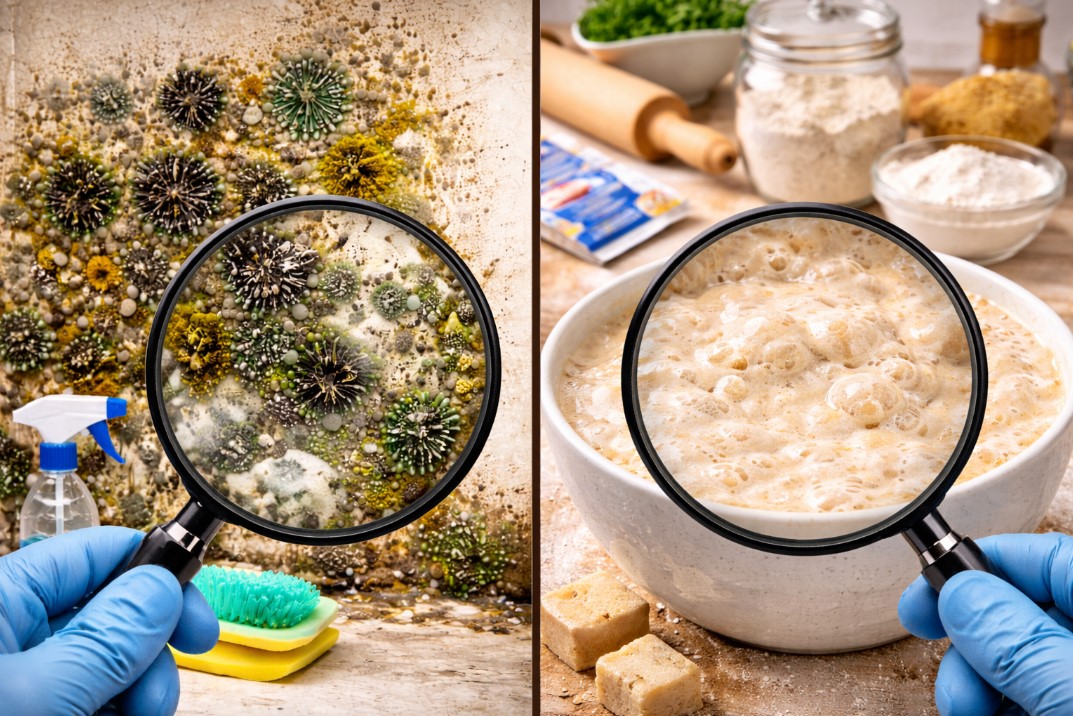
Mold usually appears as fuzzy, patchy growth with colors ranging from green and black to white or even yellow. You’ll most often find it on walls, ceilings, behind furniture, or under sinks—places with poor airflow or past leaks. Yeast, by contrast, shows up as a smooth, moist, and sometimes shiny film. Common yeast colors are white, cream, or pale pink, and it tends to grow on foods, in kitchen drains, or in the grout between bathroom tiles.
The pattern I keep seeing: mold’s musty, earthy smell is hard to miss and tends to linger throughout a room, while yeast gives off a sour, bread-like odor that is noticeable mostly near food or in damp kitchens. For San Diego residents, June Gloom and marine layer fog can spike indoor humidity, making it especially important to check for new growth during and after these periods—especially in kitchens, bathrooms, and closets.
Actionable Checklist:
Do a room-by-room scan after humid weather, focusing on kitchens, bathrooms, and closets. Look for fuzzy patches on walls and ceilings (mold) or slick films on surfaces and in drains (yeast).
Why It Matters — Health Risks, Damage, and What to Do
Mold can trigger allergies, asthma, and worsen respiratory issues, particularly in children, seniors, or anyone with sensitivities. Yeast is less likely to cause indoor air quality problems and rarely triggers respiratory symptoms in otherwise healthy people. The bigger issue is structural: mold can rot wood, stain walls, and spread behind surfaces, leading to costly repairs, while yeast almost never damages building materials.
And this is where it gets interesting: both mold and yeast point to a moisture problem, but mold is a major red flag for leaks or chronic humidity that could be hidden behind walls or under floors. If you spot fuzzy colonies or persistent musty odors, don’t just clean and move on—investigate the source.
Actionable Checklist:
If you find what looks like mold, prioritize finding and fixing the moisture source within 24–48 hours. Quick action limits both health risks and repair costs.
Moisture Is the Real Culprit — Prevention and First Steps
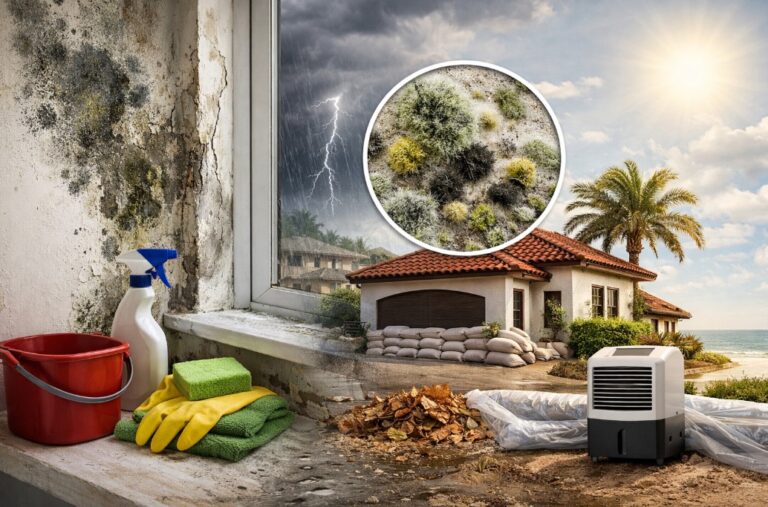
Moisture is the underlying cause of both mold and yeast growth, and San Diego homes face unique challenges. Coastal properties are at extra risk from marine layer fog and June Gloom, while inland homes often struggle with poor ventilation and condensation from air conditioning.
Common sources of indoor moisture include plumbing leaks, roof issues, poor ventilation in bathrooms and kitchens, and window condensation. Yeast growth can be an early warning sign of humidity problems—like a slick film in the shower or kitchen sink—but mold means the moisture issue is more serious. For renters, documenting and promptly reporting leaks or persistent dampness to your landlord is crucial. Condo owners should always review HOA rules before making repairs or alterations.
What surprised me most: even a small leak or a few days of high humidity can be enough for mold to take hold, especially in older or coastal San Diego buildings.
Actionable Checklist:
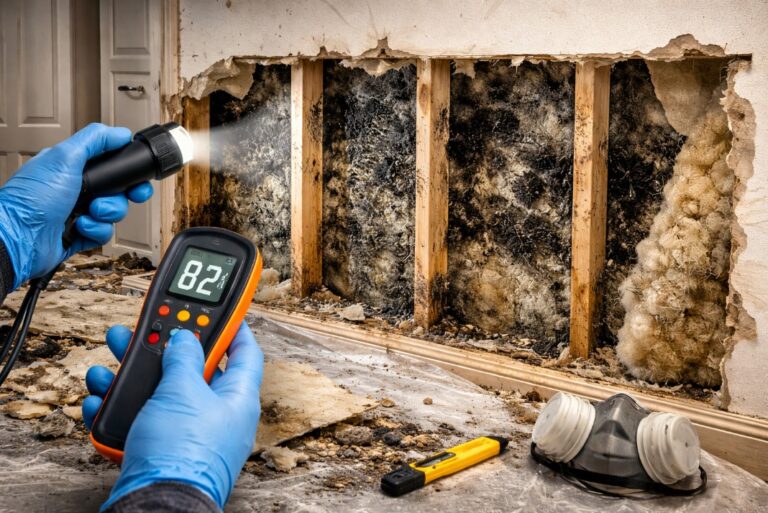
Use a moisture meter (available for $15–$40) or look for visible damp spots. Address leaks and boost airflow immediately—open windows, use exhaust fans, or run a dehumidifier to keep indoor humidity below 50%.
When to Call a Pro — DIY or Professional Help?
Small, surface-level yeast can usually be cleaned up with household products and thorough ventilation. But if you’re facing mold covering more than 10 square feet, or if mold keeps coming back after cleaning, it’s time to contact a professional. Health safety is another factor: if anyone in your home has allergies, asthma, or immune concerns, don’t risk DIY removal for suspected mold.
San Diego condo residents should always notify their HOA or property management if they notice leaks or persistent dampness, since building-wide issues may need coordinated repairs. For renters, California law requires you to document problems and notify your landlord in writing for prompt action.
Actionable Checklist:
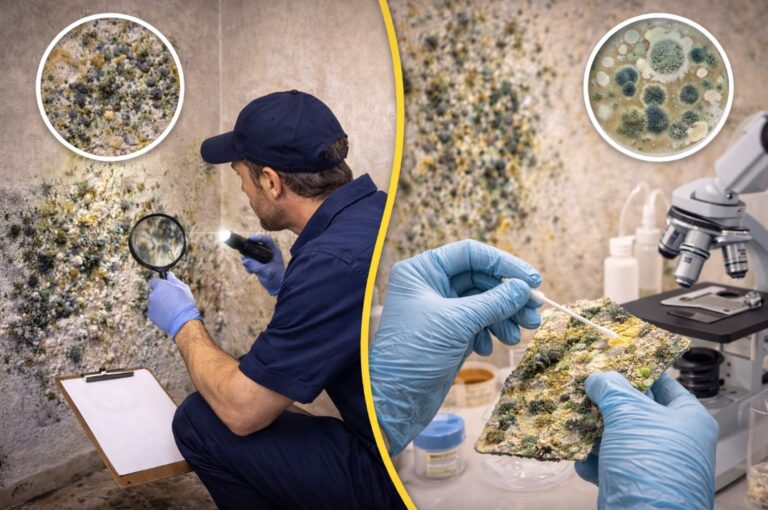
If you’re unsure whether you’re dealing with mold or yeast, collect a sample or take a clear photo, and contact a licensed mold inspector for advice. Never attempt major cleanup without the right safety gear—masks, gloves, and ventilation are a must.
Official Guidance
- EPA: Mold indoors is always a sign of excess moisture; must be addressed at the source.
- CDC: Mold can trigger allergic reactions and asthma; prompt cleanup is essential.
- California Department of Public Health: Report visible mold and water damage to your landlord or HOA.
- EPA Mold Guidelines: Use exhaust fans in kitchens/bathrooms and fix leaks within 24–48 hours.
- CDC: Yeast is less likely to cause structural damage, but any persistent fungal growth should prompt a moisture check.
- EPA: Do not use bleach to clean mold on porous surfaces; address the underlying moisture first.
Sources Note
- Sources used: U.S. Environmental Protection Agency (EPA), Centers for Disease Control and Prevention (CDC), California Department of Public Health.
- This article is for informational purposes only. For confirmed mold or moisture problems, consult a licensed specialist.
FAQ
How can I tell if the fuzzy spot in my bathroom is mold or yeast?
Mold usually looks fuzzy or patchy and may be green, black, or white. Yeast is more often a smooth, moist film and typically white or cream. If the spot is on walls, grout, or ceilings, suspect mold.Is household yeast dangerous like mold?
Yeast is less likely to cause health problems indoors. Mold, especially in large amounts, may be linked to allergies or respiratory issues according to CDC.What does mold look like compared to yeast on walls?
Mold appears as fuzzy, spreading patches—often green, black, or yellow. Yeast rarely grows on walls; it’s usually found on food or in drains.Can yeast in my kitchen mean I have a moisture problem?
Yes, yeast growth on surfaces can be an early warning sign that your kitchen is too humid or lacks ventilation.Is it safe to clean mold myself in a San Diego condo?
For small, surface-level spots it may be safe, but always check HOA rules and use proper safety gear. For widespread or recurring mold, hire a professional.Why does mold keep coming back even after cleaning?
Persistent mold usually means the underlying moisture problem hasn’t been fixed. Check for leaks or high humidity.What are the health risks of indoor mold vs. yeast?
Mold can worsen allergies and asthma; yeast is less likely to affect healthy people but can be a sign of excess moisture.How do I find hidden moisture that could be causing mold?
Use a moisture meter and inspect areas near plumbing, windows, and roofs. Look for stains, bubbling paint, or persistent dampness.
CTA Block
- Inspect your home for any unexplained spots or patches after humid weather or plumbing leaks.
- If you find suspicious growth, take a photo and check for moisture sources before cleaning.
- Contact a local San Diego mold or moisture specialist if you can’t resolve the issue quickly.