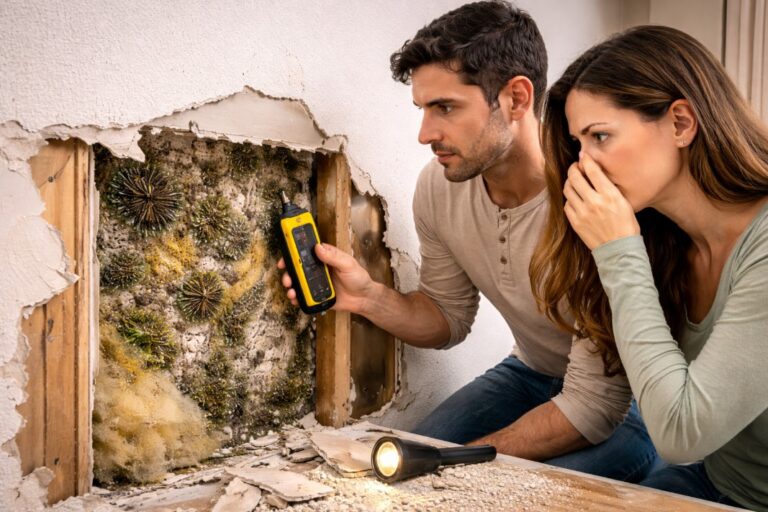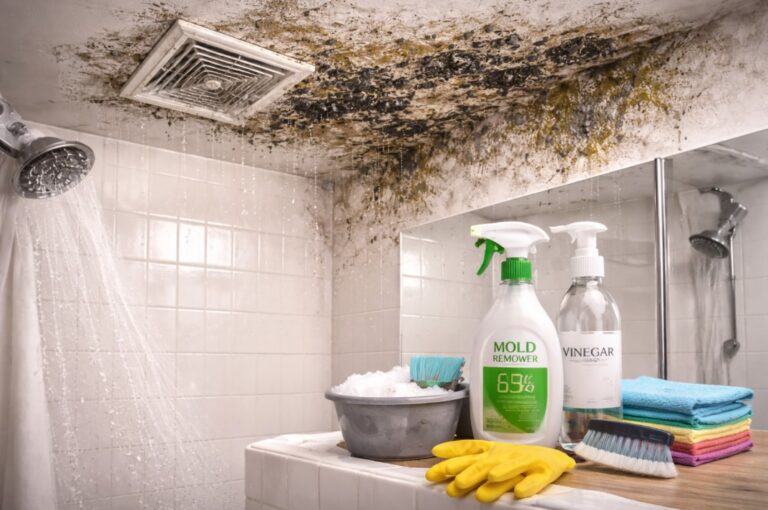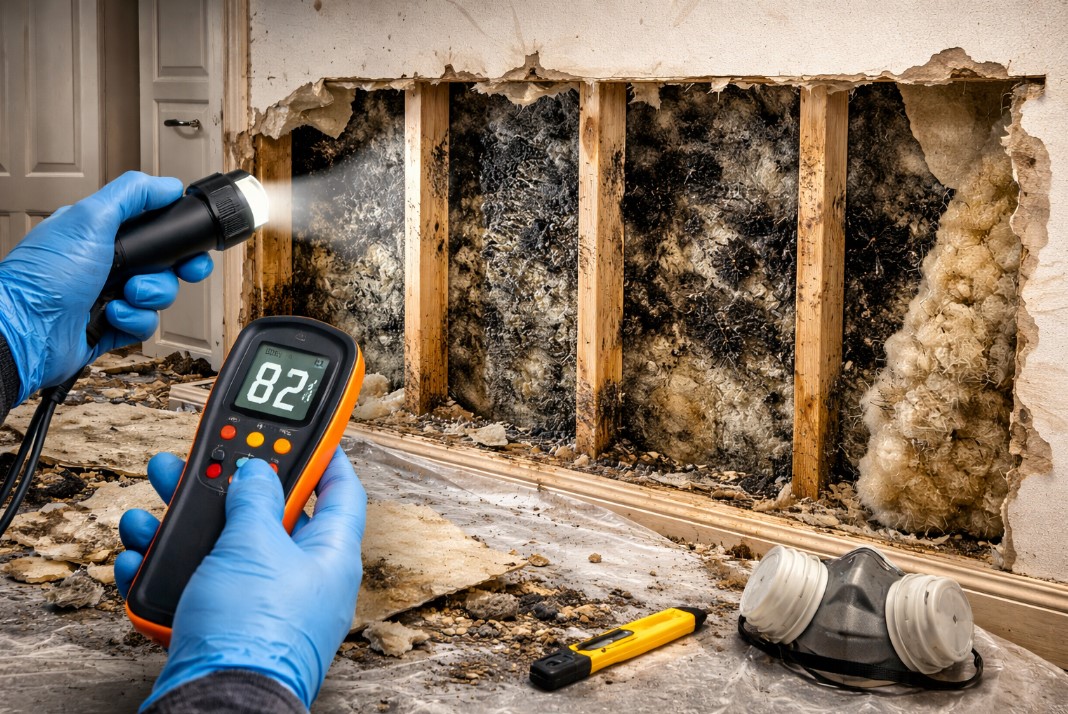
Black mold inside walls is harmful to both your health and your home, especially if left untreated. It can trigger serious respiratory issues, worsen allergies, and cause structural damage over time.
For San Diego homeowners, the risk is heightened by unique local factors—think coastal fog, June Gloom, and the common presence of older homes or condos with aging plumbing. Understanding the dangers and warning signs of hidden black mold is the first step to protecting your family and your property, especially since moisture is often the underlying cause.
- Black mold inside walls releases spores that can cause allergies, asthma, and other health issues.
- Persistent moisture or leaks behind walls create ideal conditions for mold growth.
- San Diego’s marine layer and coastal humidity increase hidden moisture risks.
- Warning signs include musty odors, warped drywall, peeling paint, and unexplained health symptoms.
- Mold is a symptom; controlling moisture is crucial for prevention and removal.
- Professional assessment is recommended if black mold is suspected inside walls.
Why Does Black Mold Grow Inside Walls in San Diego Homes?
Black mold grows inside walls in San Diego homes because moisture, often from hidden leaks or condensation, creates the perfect environment for mold to thrive. The pattern I keep seeing is that most cases start with water intrusion—roof leaks, plumbing failures, or poor ventilation. Once moisture gets trapped behind drywall, especially in areas you can’t easily see, mold can spread quickly.
San Diego’s coastal neighborhoods face unique challenges. The marine layer and June Gloom bring persistent fog and humidity, which can sneak moisture into wall cavities. Even if you live further inland, running air conditioning during hot summers sometimes leads to condensation inside walls, especially if insulation or vapor barriers are lacking.
Older homes and condos in San Diego often have aging pipes or roofing. That means a minor drip behind a bathroom wall or a poorly sealed window after a storm can go unnoticed for weeks. Laundry rooms and kitchens, particularly those without exhaust fans, are trouble spots. Slab leaks in ground-floor units or condos are another hidden culprit.
The key takeaway: mold is just the symptom. Moisture is the root cause. You can scrub surfaces all you want, but if the source of water isn’t fixed, the mold will return. Here’s what I noticed—after heavy fog or a plumbing mishap, it’s wise to check for hidden moisture, especially in places with previous leaks.
☐ Check for signs of hidden moisture after heavy fog, storms, or plumbing incidents—especially in areas with previous leaks.
Health Risks of Black Mold Behind Walls
Black mold hidden behind your walls may not be visible, but it can still pose real health risks. Spores released from these colonies can trigger asthma attacks, flare up allergies, and cause chronic coughing or sinus infections—especially for San Diego families living in older, less ventilated homes.
Young children, the elderly, and people with compromised immune systems are particularly vulnerable. Research suggests a possible association between long-term mold exposure and neurological symptoms, like headaches or persistent fatigue, though these effects are still under study. If you or your family members notice that respiratory symptoms worsen at home—especially during the foggy, damp marine layer season—hidden mold could be a contributing factor.
What surprised me most is how easily these spores travel through small cracks or gaps. If your home is tightly sealed for energy efficiency, that can actually increase the risk of indoor air quality problems by trapping spores inside.
Persistent symptoms like stuffy nose, sneezing, or itchy eyes that seem to ease when you’re away from home may indicate an indoor mold problem. If you notice these changes, it’s smart to pay attention.
☐ Take note of persistent respiratory symptoms or allergic reactions that worsen at home, especially after rain or during marine layer season.
Safety Note: If symptoms are severe or mold is visible, consult a healthcare provider and a mold specialist.
Hidden Black Mold—Warning Signs Inside Your Walls
Hidden black mold is tricky. You won’t always see a fuzzy black patch, but you might notice a damp, musty odor—often strongest near baseboards or behind furniture against exterior walls. Sometimes, the first hint is warped drywall, bubbling or peeling paint, or soft spots that feel spongy when pressed.
Staining or discoloration after plumbing leaks or along exterior walls can also signal trouble. San Diego’s coastal fog and storms can force moisture behind siding or through old window seals, making these signs especially relevant locally.
Health symptoms are another alert. If you or your family develop unexplained allergies or asthma that flares up at home, don’t ignore it. For condo owners and renters, pay close attention to shared walls and plumbing chases. These areas can hide leaks or moisture from neighboring units, leading to hidden mold growth you might not suspect.
And this is where it gets interesting—many people miss the early clues, chalking up odors or paint issues to “old house smell” or humidity. Trust your senses and your body’s signals.
☐ Inspect walls and baseboards regularly for musty smells, warping, or discoloration—especially after water events.
DIY vs Pro Decision: For suspected hidden mold, professional assessment is safer and more effective than DIY removal.
What to Do If You Suspect Black Mold Inside Walls
If you think you have black mold inside your walls, act quickly but carefully. First, avoid disturbing the area—tearing out drywall or aggressively cleaning can release more spores into the air, increasing exposure.
Find and stop the moisture source right away. That might mean shutting off a leaking water line, patching a roof, or drying up a spill. If it’s safe, increase ventilation by opening windows or running fans, but avoid using central HVAC if mold is widespread, as this can circulate spores throughout your home.
Document everything. Take clear photos and make notes. This is crucial for renters needing to notify landlords, or condo owners who may need to coordinate repairs with an HOA or insurance company. Then, contact a certified mold remediation or leak detection professional. They have specialized tools to locate hidden moisture and safely remove contaminated materials.
☐ Act within 24–48 hours of discovering water damage or mold signs to limit spread and damage.
0–24–48h Timeline: Rapid response is critical to reduce health risks and repair costs.
Preventing Black Mold in San Diego Walls: Moisture is the Real Enemy
Preventing black mold inside walls comes down to one thing: moisture control. Regularly inspect plumbing under sinks, behind toilets, and around water heaters—especially after heavy fog or storms, which are common in San Diego. Roofs and window seals should get a once-over at least twice a year.
Always use exhaust fans in bathrooms, kitchens, and laundry rooms. These areas produce plenty of steam, and even a few minutes of extra ventilation can make a big difference. During June Gloom or when the marine layer lingers, run a portable dehumidifier if your home feels damp. Target indoor humidity between 30% and 50%—hygrometers are available for around $10–$30.
If you’re in a condo or rental, report leaks or moisture issues to property management as soon as possible—don’t wait for visible mold. For older homes or if you’ve dealt with leaks or mold before, consider scheduling routine professional inspections. Prevention is far less expensive than remediation.
☐ Set a seasonal reminder to check for hidden leaks or signs of moisture, especially in problem-prone areas.
Official Guidance: What Experts Say About Mold Inside Walls
- The EPA states that mold should be removed promptly, and moisture sources must be fixed to prevent re-growth.
- The CDC warns that people with asthma, allergies, or immune suppression are especially at risk from mold exposure.
- Both agencies stress that visible mold larger than 10 square feet or inside walls should be assessed by professionals.
- The California Department of Public Health advises landlords to repair leaks and respond quickly to water damage.
- Mold is almost always a sign of underlying moisture; addressing water problems is the first priority.
- Do not paint or caulk over mold—removal and moisture control must come first.
Sources Note
This article references the Environmental Protection Agency (EPA), Centers for Disease Control and Prevention (CDC), and the California Department of Public Health.
Disclaimer: This information is for general awareness only. If you suspect a serious mold issue, consult a qualified specialist.
FAQ
1. Can black mold inside walls make you sick?
Yes, exposure to black mold spores can cause or worsen respiratory symptoms like asthma, allergies, and sinus infections, especially for those with pre-existing conditions.
2. What are the early warning signs of black mold in walls?
Early signs include musty odors, warped or bubbling drywall, peeling paint, and unexplained allergy or asthma symptoms that worsen at home.
3. How do San Diego’s coastal conditions affect mold growth inside homes?
Coastal fog, the marine layer, and June Gloom bring extra humidity, which can lead to condensation and increased moisture inside walls—creating ideal conditions for hidden mold.
4. Is it safe to remove black mold inside walls myself, or should I hire a professional?
If mold is hidden or covers more than a small area, professional assessment and removal are much safer and more effective than DIY. Disturbing mold can release harmful spores.
5. How quickly does mold grow behind walls after a leak?
Mold can start growing within 24–48 hours after water intrusion, especially if the area remains damp and unventilated.
6. What should renters in San Diego do if they suspect hidden mold?
Document the issue (photos, notes), notify your landlord in writing, and request a prompt inspection and repairs. California law requires landlords to address moisture and mold problems.
7. Are condos and older homes at higher risk for hidden black mold?
Yes, older plumbing, shared walls, and past leaks make condos and older homes more susceptible to hidden mold growth.
8. How can I prevent black mold from coming back after remediation?
Fix all sources of moisture, improve ventilation, and monitor humidity levels. Routine inspections and quick repairs after leaks are key.
CTA Block
- Schedule a professional inspection if you notice musty odors, wall damage, or unexplained health symptoms.
- Fix leaks or moisture problems promptly to prevent future mold growth.
- For renters or condo owners, report any signs of water damage or mold to property management without delay.