Does A Dehumidifier Kill Mold or Just Prevent It? The Real Answer
A dehumidifier does not kill existing mold but helps prevent new mold growth by reducing moisture—the root cause of mold problems in homes. In San Diego, where coastal fog, marine layer dampness, and inland heat can all boost indoor humidity, this fact is crucial for controlling mold in everything from historic beach cottages to modern high-rise condos.
Many local homeowners worry about mold, especially during June Gloom or after a rare inland rainstorm. Knowing exactly what a dehumidifier can (and can’t) do will help you focus your efforts and avoid disappointment. The pattern I keep seeing: those who prioritize moisture control tend to avoid recurring mold headaches, while those who rely solely on dehumidifiers often miss underlying issues.
Quick Answer Block
- A dehumidifier does not kill mold that’s already present.
- Lowering humidity helps prevent new mold from growing.
- Mold spores need moisture to thrive; less moisture = less risk.
- Visible mold must be removed physically—dehumidifiers can’t clean surfaces.
- In humid San Diego areas, especially near the coast or during June Gloom, a dehumidifier is a powerful mold prevention tool.
- Always fix leaks and source of moisture along with using a dehumidifier.
Why Mold Thrives in San Diego Homes
Mold thrives in San Diego homes because the region’s marine layer, coastal fog, and famous June Gloom all contribute to higher indoor humidity. Even in neighborhoods farther from the beach, inland heat can drive people to keep windows closed and air conditioning running, sometimes trapping moisture inside. After rare rainstorms, poor ventilation or hidden leaks can add to the risk.
Older homes and condos are especially vulnerable. Many have aging ventilation systems or unsealed windows, which can let moisture accumulate in walls or crawl spaces. Even newer condos or rentals can face condensation problems, especially if residents dry laundry indoors or run humidifiers.
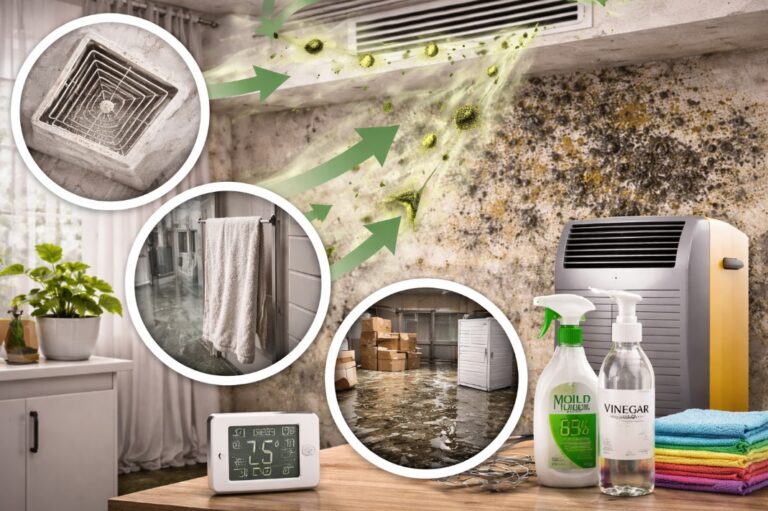
It’s essential to remember: mold is just a symptom—the real culprit is excess moisture. If you’re seeing mold, it means there’s a persistent humidity or water problem somewhere in your home.
Actionable Checklist:
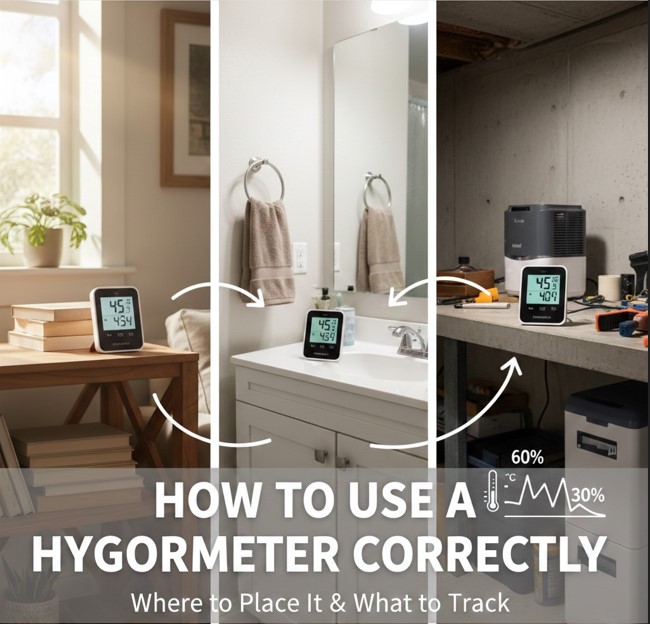
– Check humidity with a hygrometer—aim for 30–50% indoors.
How Dehumidifiers Work Against Mold
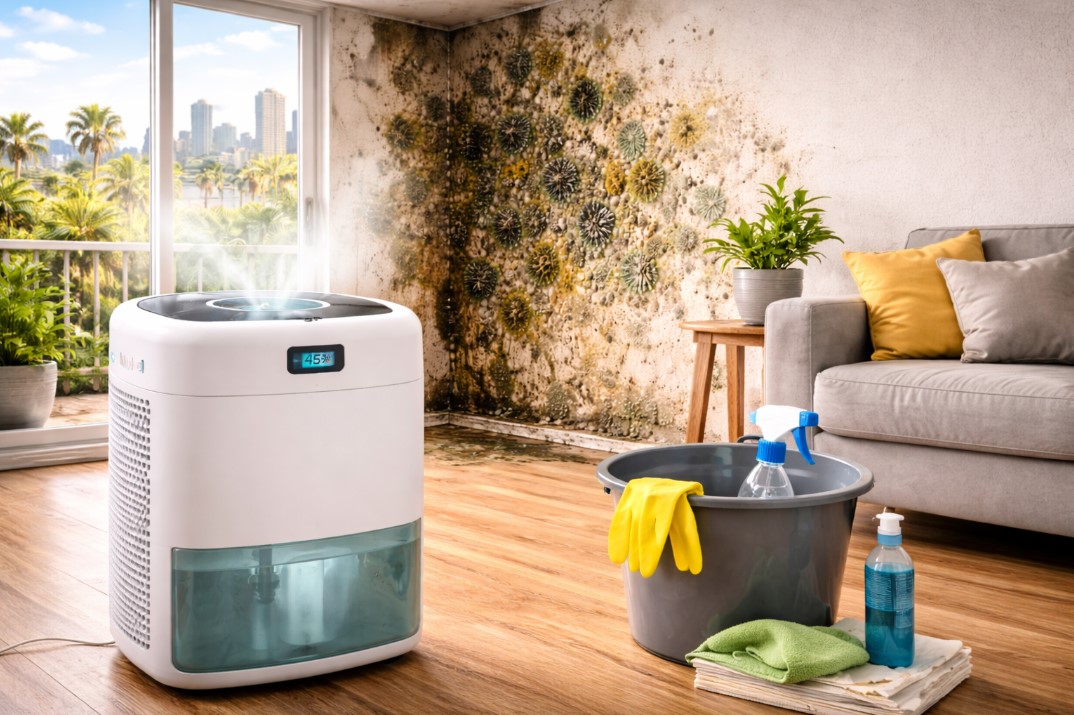
Dehumidifiers work by pulling moisture from the air and lowering the relative humidity in your home. This drier air environment slows or even stops mold’s ability to grow, but it does not actually kill mold that’s already present. Mold spores are resilient; with less moisture, they may become dormant but won’t disappear entirely.
Here’s what I noticed: people often place their trust entirely in a dehumidifier, assuming it’s a silver bullet. In reality, dehumidifiers are one part of a broader mold and moisture control strategy. If leaks, condensation, or poor airflow aren’t also addressed, mold can return no matter how dry the air feels.
For best results, focus dehumidifiers in high-risk rooms—bathrooms, laundry areas, or basements—especially after showers, spills, or heavy rains.
Actionable Checklist:
– Place dehumidifiers in high-risk rooms (bathrooms, basements, laundry areas).
What Dehumidifiers Can—and Can’t—Do for Mold
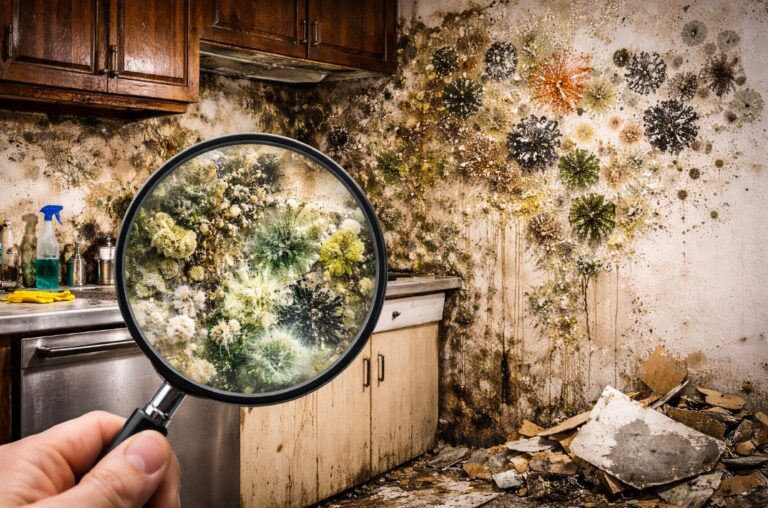
A dehumidifier plays a strong role in mold prevention, but it doesn’t remove or kill existing mold colonies. If you already have visible mold, lowering humidity will help stop it from spreading, but those patches must be physically removed. Dead mold, too, can still trigger allergies or asthma, which is why cleanup is so important.
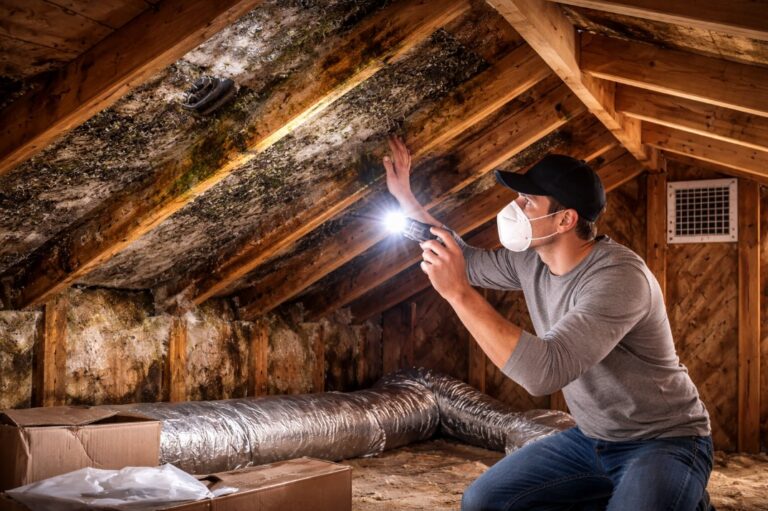
If you find mold on wood, drywall, or carpet, removal can be tricky. Small surface spots (less than 10 square feet) can usually be cleaned with detergent and water, but large or hidden growths often require a professional. Safety matters: scrubbing mold releases spores, so always wear gloves and an N95 mask if you clean any yourself.
For renters, it’s essential to document the problem and notify your landlord before any cleanup. Condo owners should check with their HOA before starting work since shared walls and ventilation can complicate things.
Actionable Checklist:
– Wear gloves and an N95 mask when cleaning small mold patches yourself.
Steps to Take If You Find Mold in Your Home
If you discover mold in your home, a swift and methodical response makes all the difference—especially in San Diego, where humidity can spike quickly during certain seasons. Here’s a practical timeline to follow:
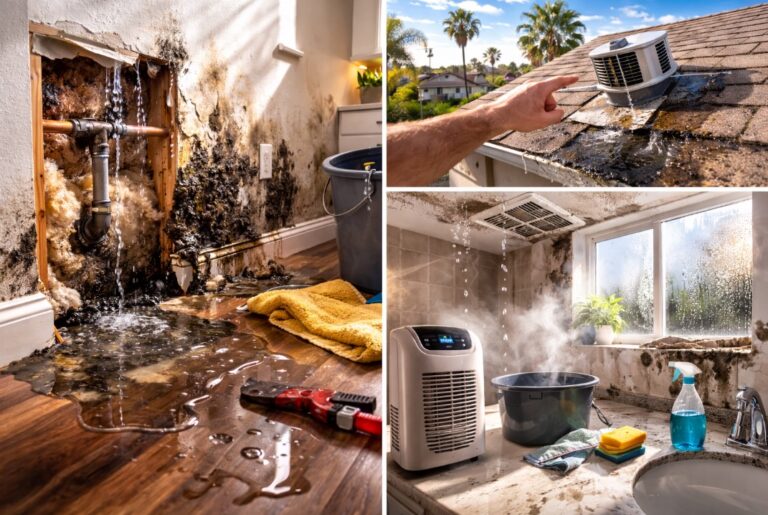
In the first 0–24 hours, identify and stop the source of moisture. This could mean fixing a plumbing leak, mopping up a spill, or drying condensation from windows. Next, within 24–48 hours, focus on drying out the area—use fans, run a dehumidifier, and open windows if conditions are safe and dry outside. Quick drying is crucial: FEMA notes that this 24–48 hour window is your best chance to prevent extensive mold growth.
If you’re dealing with a small area, clean it up using detergent and water. For anything larger than 10 square feet or if the mold keeps returning, call a professional for help. Ongoing vigilance matters too—keep monitoring humidity, especially after storms or stretches of humid weather.
Actionable Checklist:
– After cleanup, run a dehumidifier for several days to maintain low humidity.
Choosing the Right Dehumidifier for San Diego Conditions
Choosing the best dehumidifier for mold prevention in San Diego depends on your home’s size, the rooms affected, and local humidity levels. Coastal homeowners often need higher-capacity units all year, while those farther inland may only need dehumidifiers during the rainy season or summer heat waves.
Look for features that make mold and moisture control easier: a built-in humidistat to monitor home humidity levels, automatic shutoff when the tank is full, and simple drainage options. For renters or condo owners, portable and quiet models are often the most practical (and less likely to run afoul of HOA rules).
And this is where it gets interesting: many people underestimate the importance of matching dehumidifier size (measured in pints per day) to their space. Too small, and you won’t see results; too big, and you may spend more than necessary.
Actionable Checklist:
– Measure your space and check product specs to match capacity (pints/day) to room size.
Official Guidance on Mold and Dehumidifiers
The EPA is clear: physically remove mold and fix the underlying moisture source. Dehumidifiers help prevent new growth, but they do not kill existing mold. The CDC also emphasizes fixing moisture problems first, then using dehumidifiers to keep indoor humidity below 50%.
The California Department of Public Health advises prompt attention to leaks and moisture sources as the primary way to control mold. The American Lung Association notes that mold exposure may aggravate asthma or allergies, so keeping homes dry is crucial. After water damage, FEMA recommends drying out all affected areas within 24–48 hours using fans, dehumidifiers, and good ventilation.
Sources Note
Information in this article is drawn from the EPA, CDC, and California Department of Public Health. This article is for informational purposes only. If you have a confirmed mold problem, consult a qualified mold remediation specialist.
FAQ
1. Does a dehumidifier kill mold spores in the air?
No, a dehumidifier does not kill mold spores. It reduces moisture so spores are less likely to grow, but existing spores remain in the air and on surfaces.
2. Can a dehumidifier remove mold smell from my house?
A dehumidifier can reduce that musty odor by drying out damp areas, but odors won’t disappear until visible mold is cleaned up.
3. What humidity level prevents mold in San Diego homes?
Keep indoor humidity between 30% and 50% to discourage mold. Use a hygrometer to monitor this, especially during coastal fog or June Gloom.
4. Will a dehumidifier help with mold in coastal condos?
Yes, dehumidifiers are particularly effective in San Diego’s coastal condos, where marine layer moisture can linger indoors.
5. Should I use a dehumidifier after water damage to prevent mold?
Absolutely—run a dehumidifier as soon as possible after leaks or spills to speed up drying and reduce mold risk.
6. How long should I run a dehumidifier to prevent mold growth?
Run it until the area is fully dry and humidity is below 50%. This may take several days after a water event.
7. Is a dehumidifier enough to solve a mold problem?
No. It helps with prevention, but any existing mold must be cleaned up physically for full resolution.
8. Can I use a dehumidifier in a rental if I suspect hidden mold?
Yes, but always document the issue and notify your landlord. If mold is hidden or extensive, request professional inspection.
CTA Block
- Check your home’s humidity—if levels are above 50%, consider using a dehumidifier.
- If you see or smell mold, act quickly: fix leaks, clean small areas, and call a professional for large or hidden problems.
- For San Diego’s unique climate, reassess your moisture control strategy each season, especially after humid weather or storms.