What Causes Black Mold in Your Home? Hidden Dangers and Key Triggers
Black mold in your home is almost always caused by excess moisture—from leaks, poor ventilation, or high humidity—creating the perfect environment for mold to grow.
In San Diego, where coastal fog, marine layers, and older homes are common, hidden moisture risks can be easy to overlook. Both renters and homeowners—especially in condos or inland homes dealing with heat waves and AC—need to know what triggers black mold and how to spot the warning signs before they become a health or property issue.
Quick Answer Block
- Black mold thrives wherever there’s persistent moisture or water damage.
- Leaky roofs, plumbing leaks, and poor bathroom/kitchen ventilation are top triggers.
- Coastal fog and marine layers can raise indoor humidity in San Diego homes.
- Condos and older buildings may hide chronic leaks behind walls or under floors.
- Mold is always a symptom—fixing the moisture source is the real solution.
Moisture Sources Hiding in Plain Sight
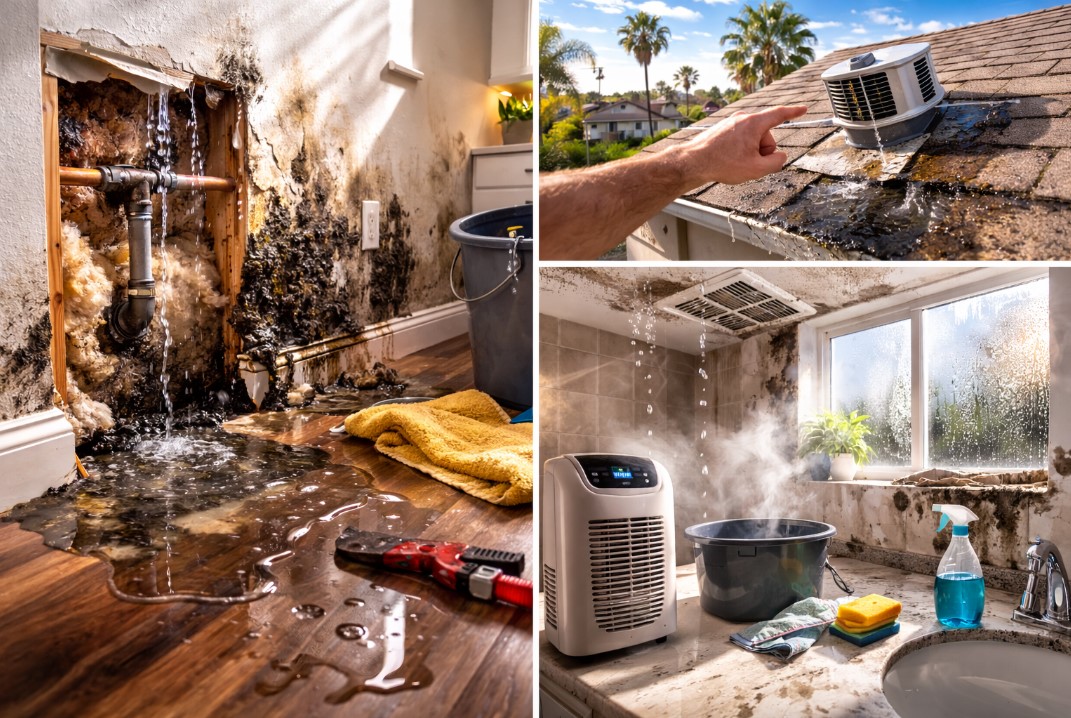
Hidden moisture is the number one culprit behind black mold in San Diego homes, whether you’re living right on the coast or further inland. Many homeowners focus on obvious sources like flooding, but the pattern I keep seeing is that small, overlooked leaks cause the most trouble. Dripping pipes under sinks, inside walls, or above ceilings can go unnoticed for weeks or months, giving mold plenty of time to take hold.
After a rare San Diego rainstorm, roof leaks are more common than people think—especially in older bungalows or condo buildings with original roofing. Even a tiny crack or missing shingle can let enough water in to create a hidden mold risk. Marine layer moisture can also seep in through windows and doors with poor seals, causing condensation that drips down walls or puddles on window sills.
During “June Gloom,” the humid coastal air can get trapped indoors if windows aren’t properly sealed or if ventilation is lacking. This is especially true in homes near the coast, but inland areas aren’t immune—indoor humidity can spike after a storm or if AC is running without proper airflow.
A practical step is to inspect under sinks, around toilets, and near windows every month for dampness, water stains, or discoloration. These are early signs of hidden leaks. If you’re a renter, document any issues and notify your landlord quickly. Condo owners should always check HOA rules before making repairs or opening walls. Here’s what I noticed: hidden leaks often require a professional plumber or building inspector, especially when pipes are inside walls or under floors.
Poor Ventilation: The Invisible Trigger
Poor ventilation is a major, often invisible, black mold trigger in San Diego homes. Kitchens and bathrooms without working exhaust fans allow steam and humidity to linger long after cooking or showering. That moisture doesn’t just evaporate—it settles into walls, ceilings, and floors, feeding mold growth behind the scenes.
Condos and apartments with shared walls have an extra challenge: limited cross-ventilation. Without windows on more than one side, it’s tough to create a breeze that dries things out. Running the AC with all windows shut, a common move during inland heat waves, can actually trap humidity inside, especially if the unit isn’t regularly serviced.
Furniture pushed tightly against exterior walls also creates pockets where condensation can build up. That’s a sneaky risk—dampness can develop behind a couch or bookshelf, out of sight and out of mind.
To lower mold risk, always run exhaust fans or open a window after showering or cooking. If safety is a concern in your neighborhood, mechanical ventilation like bathroom fans or a dehumidifier is a smart alternative. And this is where it gets interesting: simply moving furniture a few inches from the wall can dramatically improve airflow, reducing hidden moisture.
Building Age and Hidden Construction Flaws
Older homes and some San Diego condos are more vulnerable to hidden water intrusion and slow leaks, which are prime black mold triggers. Aging plumbing and roof materials are prone to small, persistent leaks that may go unnoticed for months. Original windows, especially single-pane models found in many vintage bungalows, often have poor seals. This allows marine fog and condensation to creep inside, collecting around frames and sills.
What surprised me most is how often past water damage is hidden behind drywall or under old flooring. Sellers may have patched over a problem without fully drying the area, leaving a perfect breeding ground for mold. In multi-family buildings and condos, leaks can even originate from a neighbor’s unit—water travels through shared walls and floors, so problems aren’t always easy to trace.
If you catch a persistent musty smell or see recurring stains, it’s wise to schedule a professional moisture inspection. Tools like moisture meters and infrared cameras can reveal hidden problems, but these are best handled by experienced pros. Renters should alert property management, while condo owners need to review HOA policies before opening up walls or making repairs.
Everyday Habits That Raise Mold Risk
Daily routines can unintentionally increase the risk of black mold by adding extra moisture to your home environment. Drying laundry indoors, a common practice during damp or chilly months, releases significant humidity into the air. Overwatering houseplants or letting water collect in drip trays is another frequent culprit—especially when pots sit on wood floors or windowsills.
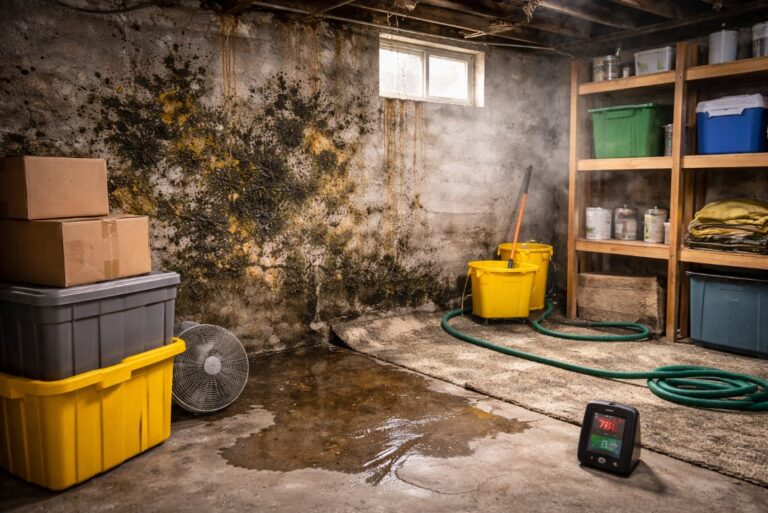
Ignoring small spills or pet accidents, particularly on carpets, may seem harmless in the moment, but lingering dampness under the surface can spark hidden mold growth. Storing boxes, clothes, or furniture directly against exterior walls also blocks airflow, allowing condensation to build up in those tight spaces.
For a practical fix, keep furniture and storage items at least a few inches from exterior walls to let air circulate. If you must dry laundry inside, use a room with good ventilation or a dehumidifier. The same goes for watering plants—empty trays regularly and avoid placing pots directly on absorbent surfaces.
The Health and Home Value Risks of Ignoring Moisture
Ignoring moisture problems in your home can quickly escalate from a minor nuisance to a major risk for your health and property value—especially in San Diego’s mild, mold-friendly climate. Black mold may be linked to respiratory issues, particularly for children, the elderly, or those with asthma and allergies, according to research from the CDC. But mold is really just the symptom; the underlying moisture is the bigger threat.
Persistent dampness and water leaks can cause wood rot, undermining the structural integrity of your home over time. If left unchecked, moisture problems often lower property values and make it harder to sell—buyers are wary of “hidden mold risks” and costly repairs.
San Diego’s gentle weather means that mold can grow year-round, not just during rainy months. The EPA and CDC both recommend drying out wet areas within 24 to 48 hours to prevent mold from taking hold. The 0–24–48 hour window is crucial: the sooner you act, the lower your risk.
If you spot a leak or wet spot, address it immediately—don’t wait to see if mold appears. Dry wet carpets, walls, and floors within two days to stop mold before it starts. Renters should report issues to their landlord right away, while condo owners need to check with their HOA about approved repairs.
Official Guidance
- The EPA stresses that controlling indoor moisture is the only way to stop mold growth.
- The CDC recommends drying all water-damaged areas within 24–48 hours.
- Both agencies warn against painting or caulking over moldy surfaces.
- Use exhaust fans in bathrooms and kitchens to reduce humidity (EPA Mold Guidelines).
- Repair plumbing leaks and roof leaks as soon as possible (CDC).
- Remove and replace materials that can’t be thoroughly cleaned of mold, like drywall or carpet (EPA).
Sources Note
- Sources include: Environmental Protection Agency (EPA), Centers for Disease Control and Prevention (CDC), California Department of Public Health.
- This article provides general information only—consult a qualified specialist for confirmed mold or moisture issues.
FAQ
1. What causes black mold to appear suddenly in my house?
Black mold can appear quickly if there’s a new water leak, flood, or sudden spike in indoor humidity. Even a small plumbing drip or roof leak during a San Diego rainstorm can trigger rapid mold growth in as little as 24–48 hours.
2. How can I tell if I have a hidden moisture problem in my San Diego home?
Look for musty odors, new stains or discoloration on walls and ceilings, or areas that feel damp to the touch. San Diego homes near the coast may also show condensation on windows or around poorly sealed doors during foggy periods.
3. Is black mold always dangerous, or just a sign of moisture?
Black mold is a strong indicator that moisture is present. While exposure may be linked to health symptoms in sensitive individuals, the bigger concern is the ongoing water problem behind the mold.
4. What are the most common places to find black mold in condos or rentals?
Check under sinks, around windows, along bathroom ceilings, and inside closets that share exterior walls. In condos, leaks from neighboring units can also create hidden mold risks.
5. Can black mold grow in dry climates like inland San Diego?
Yes—while coastal homes have more humidity, inland areas can develop black mold after plumbing leaks, appliance overflows, or if air conditioning traps moisture indoors.
6. How quickly does mold grow after a leak or flood?
Mold can start growing within 24–48 hours of water exposure. That’s why prompt drying is critical after any leak or flood event.
7. Should I clean black mold myself, or call a professional?
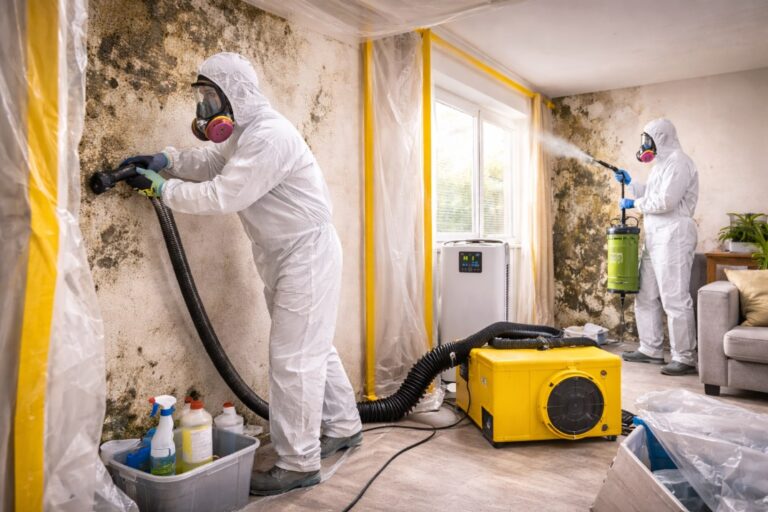
Small patches (less than 10 square feet) can sometimes be cleaned safely with household cleaners if you fix the moisture source. For larger areas, hidden leaks, or recurring problems, it’s best to call a professional.
8. Does running the AC help prevent mold, or make it worse?
An air conditioner that removes humidity and is properly maintained can help prevent mold. However, if filters are dirty or windows are closed with no ventilation, AC can sometimes trap moisture indoors, especially during humid weather.
CTA Block
- Schedule a professional moisture inspection if you notice persistent dampness or musty odors.
- Fix leaks and dry wet areas promptly—don’t wait for visible mold to appear.
- Improve ventilation in problem areas with exhaust fans or dehumidifiers.