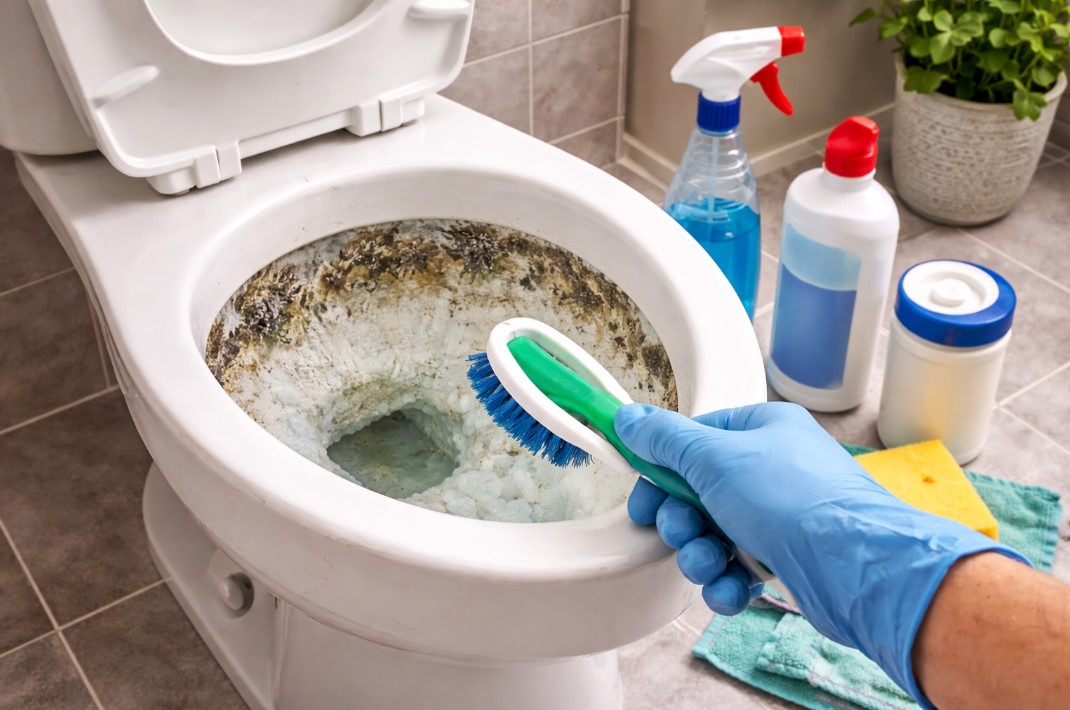
Mold grows in your toilet because moisture, warmth, and poor ventilation create the perfect environment for mold spores to thrive—especially if there’s lingering water or organic material present. For San Diego homeowners and renters, the region’s climate—think coastal fog, marine layer, and the occasional inland humidity—can make bathrooms especially prone to excess moisture. Whether you’re living in an older craftsman near the coast or a modern condo inland, understanding why mold is showing up in your toilet is crucial for maintaining a healthy home and preventing bigger moisture issues.
Quick Answer Block
- Mold in toilets is caused by persistent moisture and organic buildup.
- Poor bathroom ventilation and high humidity encourage mold growth.
- Irregular cleaning allows mold spores to settle and multiply.
- Leaky plumbing or running toilets can keep surfaces damp.
- San Diego’s climate (marine layer, coastal fog, inland humidity) increases risk.
- Addressing underlying moisture is key to stopping toilet mold.
What Causes Mold to Show Up in Toilets?
Mold shows up in your toilet because standing water, organic matter, and humidity create ideal conditions for mold spores to multiply—especially in San Diego, where the marine layer and June Gloom can keep bathrooms damp for days. If you’ve ever noticed a stubborn ring or dark patches inside your toilet bowl or tank, you’re seeing the result of moisture meeting organic debris.
Here’s what I noticed: even a small amount of standing water can be enough for mold to take hold, especially if there’s skin cells, dust, or soap scum for it to feed on. Every flush can leave behind a thin layer of organic material. If your bathroom gets steamy from daily showers, and the fan isn’t working well (or there’s no fan at all), that moisture has nowhere to go.
Leaky plumbing is another common culprit. A slow drip from the tank bolts, a worn-out supply line, or condensation around the base of your toilet can keep the area damp without you noticing. Older homes in coastal areas of San Diego often have outdated ventilation and more frequent condensation, while inland neighborhoods might see less fog but experience humidity spikes after rain.
☑️ Inspect for visible leaks or condensation around your toilet tank and base.
Why Mold Keeps Coming Back—Even After Cleaning
Mold keeps coming back in your toilet because scrubbing away the visible spots doesn’t address the real problem: moisture. In San Diego homes, especially older ones with little ventilation or windows that rarely open, the pattern I keep seeing is that mold seems to return no matter how often you clean.
Here’s why: mold spores are everywhere, floating in the air and settling on damp surfaces. If you only wipe away what you see but don’t fix the moisture, those spores come right back as soon as conditions are right—like after a shower or on a humid morning. Over-cleaning with harsh chemicals can even make things worse by damaging caulking or grout, allowing water to seep in and create new hiding spots for mold.
If you’re in an older home near the coast, outdated bathroom fans often can’t keep up with the amount of steam produced daily. And if your bathroom window stays closed, humidity lingers, resetting the perfect conditions for mold growth.
☑️ After cleaning, run a bathroom fan or open a window for 30+ minutes to dry out the space.
If mold returns within 24–48 hours after cleaning, it’s time to investigate for hidden leaks or persistent humidity. Mold shouldn’t grow back that quickly unless there’s an ongoing moisture problem.
Health Risks of Mold in Toilets
Mold in toilets may be more than just an eyesore—it can contribute to respiratory symptoms and allergies, especially for sensitive groups. In San Diego, where bathrooms can be chronically damp, mold growth may be linked to increased risk of symptoms for children, older adults, or anyone with asthma or compromised immunity.
Mold exposure may trigger sneezing, coughing, or itchy eyes. For some people, especially those with asthma or allergies, even short-term exposure can cause flare-ups. While the occasional spot of mold in a toilet is unlikely to pose a severe risk, recurring mold could signal a broader moisture issue in your bathroom or home.
And this is where it gets interesting: mold in your toilet might mean mold elsewhere—behind walls or under floors—where it’s harder to spot. That’s why it’s smart to fix the cause early, before it spreads. If you’re a renter in San Diego and notice recurring bathroom mold, it’s best to notify your property manager or landlord right away.
☑️ If you or your family experience new respiratory symptoms, consult a healthcare provider and check for ongoing moisture issues.
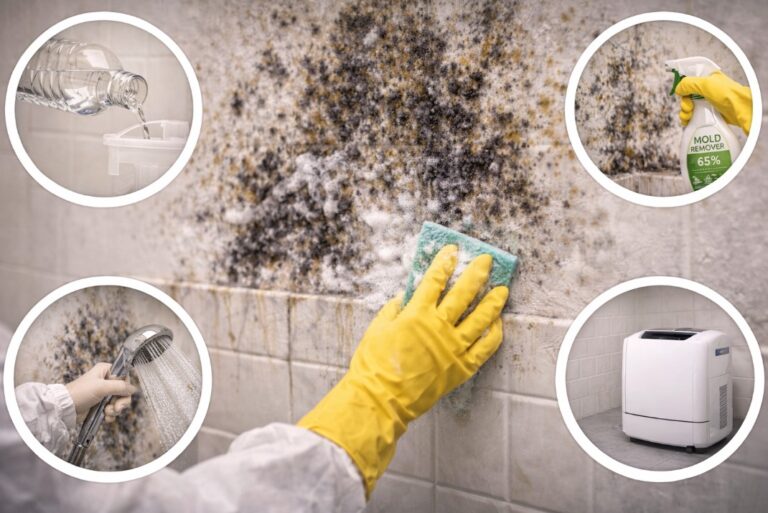
Safety note: Always use gloves and ventilation when cleaning visible mold.
How to Fix and Prevent Toilet Mold (Long-Term Solutions)
To stop mold from returning to your toilet, you need to address the underlying moisture—not just clean what’s visible. For San Diego bathrooms, long-term solutions focus on keeping everything dry and well-ventilated.
Start by fixing any leaks you find. Tighten tank bolts, replace worn-out seals, and check the supply line for drips. Even a slow leak can keep surfaces damp enough for mold to thrive. Next, boost your bathroom’s airflow. If your fan is noisy or weak, consider repairing or upgrading it. On days when the marine layer lingers or after steamy showers, opening a window can make a big difference.
Humidity control is another key step. During June Gloom or other humid periods, running a portable dehumidifier (about $40–$150) helps keep the air dry. Regular, gentle cleaning with non-abrasive cleaners will remove the organic material mold feeds on without damaging surfaces.
For persistent or hard-to-reach mold, it may be time to consult a professional—especially in condos or older homes, where plumbing issues can hide behind walls.
☑️ Schedule a monthly inspection for leaks and ensure your bathroom fan is working effectively.
DIY vs. pro decision: Minor surface mold can be managed DIY; persistent or hidden mold/leaks may require a licensed plumber or mold remediation specialist.
Overlooked Factors Affecting San Diego Bathrooms
Several local and property-specific factors can make toilet mold more of a headache in San Diego than elsewhere, and these are often missed in generic advice.
Hard water is a big one: San Diego’s supply leaves mineral deposits that trap moisture and create a rough surface where mold can flourish. If your toilet has a ring that’s tough to scrub away, you’re seeing that mineral buildup in action. High-occupancy rentals or busy family homes mean more organic debris—think extra skin cells, dust, and soap residue—that mold loves.
Condo owners face a unique challenge. Shared plumbing stacks can hide leaks that affect several units, so a moldy toilet might not be just your problem. If multiple units in your building report recurring bathroom mold, it’s time to request a building-wide plumbing inspection.
Coastal neighborhoods see more persistent condensation thanks to fog and marine layer, while inland homes may only battle humidity after rain or during hot spells. And don’t forget seasonal differences: June Gloom brings weeks of moisture, but Santa Ana winds can dry things out quickly.
☑️ If you live in a condo or rental, request a building-wide plumbing inspection if multiple units have recurring bathroom mold.
Official Guidance
- The EPA recommends fixing plumbing leaks and improving airflow to prevent mold.
- The CDC advises cleaning visible mold promptly with soap and water, not just bleach.
- Mold should be addressed at its source—moisture control is key.
- Regular bathroom cleaning and maintenance can prevent recurring mold problems.
- Seek professional help if mold returns quickly or covers a large area.
- For renters: report mold issues promptly to landlords or property managers.
Sources Note
- U.S. Environmental Protection Agency (EPA Mold Guidelines)
- Centers for Disease Control and Prevention (CDC Mold FAQ)
- California Department of Public Health (CDPH Mold Information)
This article is for informational purposes only. For confirmed mold or moisture problems, consult a qualified specialist or remediation professional.
FAQ
Why does mold keep growing in my toilet bowl?
Because moisture and organic material remain after cleaning, allowing mold spores to quickly return if the area stays damp.Is toilet mold dangerous to my health?
Mold in toilets may be linked to allergy or asthma symptoms, especially in sensitive individuals. Serious risks are rare but possible with larger or unchecked growth.How do I stop mold from coming back in my toilet?
Fix leaks, improve ventilation, control humidity, and clean regularly with mild cleaners. Addressing the root moisture source is key.Does San Diego’s climate make bathroom mold worse?
Yes. Coastal fog, marine layer, and June Gloom mean extra moisture, especially in bathrooms with poor airflow.What’s the best way to clean mold from a toilet tank?
Use gloves and a mild cleaner (not just bleach). Scrub surfaces gently, rinse thoroughly, and let the tank dry with the lid off for several hours.Can plumbing leaks cause toilet mold even if I don’t see water?
Yes. Hidden leaks from supply lines or tank bolts can keep surfaces damp enough for mold, even if there’s no obvious puddle.Should I call a plumber or a mold specialist for recurring toilet mold?
For visible, minor mold, DIY cleaning is fine. If it returns quickly or you suspect hidden leaks, consult a plumber or mold remediation professional.Is it safe to use bleach or vinegar to clean toilet mold?
Both can be used safely, but the CDC recommends soap and water first. Always ventilate the area and wear gloves.
CTA Block
- Schedule a bathroom leak inspection if you notice recurring mold or unexplained dampness.
- Upgrade your bathroom ventilation—consider installing a higher-capacity fan or using a portable dehumidifier during humid weather.
- If you rent or own a condo, communicate with your building management about persistent bathroom mold to address shared plumbing issues.