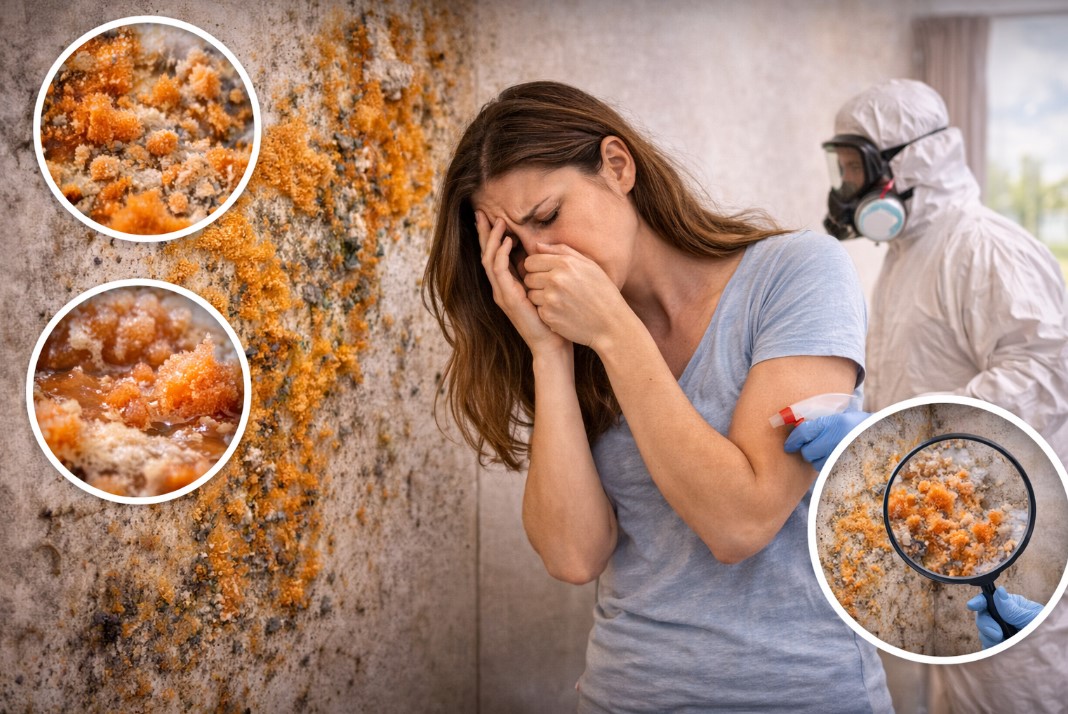
Orange mold is a type of fungus that appears as slimy, powdery, or crusty orange patches on surfaces, especially where excess moisture is present. While not as common as black or green mold, orange mold can damage materials in your home and sometimes pose health risks.
San Diego’s unique blend of coastal fog, marine layers, and older buildings with potential for leaks creates a perfect environment for orange mold to develop. Whether living along the beach where June Gloom lingers or renting inland where condensation is a concern, understanding how orange mold forms and spreads is vital for keeping your home safe and dry.
- Orange mold is a fungus that thrives on damp, organic surfaces.
- Most common in kitchens, bathrooms, attics, and areas with leaks or poor ventilation.
- Often appears slimy or powdery, shades of orange to rusty brown.
- Can damage wood, drywall, insulation, and food.
- Some types might cause allergic reactions or worsen respiratory issues.
- Removing orange mold always requires fixing the moisture problem first.
What Is Orange Mold?
Orange mold is a general term for several fungi and slime molds that present as orange, peach, or rusty-colored growths on various surfaces. Most commonly, these include species like Acremonium (a true mold) and Fuligo septica, also known as “dog vomit slime mold.” In San Diego, residents may notice orange mold in homes that have experienced water leaks or persistent humidity—especially in areas where ventilation is poor.
Not every orange growth is technically a mold. Some are slime molds, which behave differently and have a life cycle that includes a slimy, mobile phase. Orange mold can be mistaken for rust, pollen, or even food spoilage, particularly on organic materials or unfinished wood. The texture also varies: it might look wet and slimy, powdery and dry, or even crusty and rough, depending on the species and environment.
What surprised me most is how often orange mold gets misidentified. Homeowners may clean up what appears to be rust, only to find the orange patches reappear, indicating a biological growth rather than a chemical stain.
Actionable Checklist Item:
If you see orange patches, take a photo and note the surface and odor for identification.
Where Does Orange Mold Grow in San Diego Homes?
Orange mold thrives wherever there’s persistent dampness. It’s especially drawn to kitchens (under sinks, around dishwashers), bathrooms (shower grout, window sills), attics, HVAC drip pans, crawl spaces, and even on leftover food. In San Diego, the risk is heightened during periods of marine layer and fog—coastal homes often see condensation on windows and walls, while inland homes deal with AC-related moisture.
The pattern I keep seeing is that older buildings—those with aging plumbing or less effective weather barriers—are more likely to develop orange mold in hidden areas. Condos and rentals near the beach often face repeated condensation, while inland properties may see mold in laundry rooms due to poor ventilation. Orange mold grows readily on wood, paper, drywall, tile grout, and anywhere organic debris collects.
San Diego’s climate exaggerates these risks. June Gloom and winter storms increase indoor humidity, and any unnoticed leak or drip can set the stage for orange mold to flourish.
Actionable Checklist Item:
Check areas with visible moisture or recent leaks—especially during or after the rainy season.
Is Orange Mold Dangerous or Harmful?
Orange mold isn’t usually as hazardous as some black or green molds, but it’s not entirely benign. Most types are not highly toxic, yet they can trigger allergies, asthma flare-ups, or skin irritation in sensitive individuals. The CDC notes that immunocompromised people, such as those undergoing chemotherapy or with weakened immune systems, may be more vulnerable to infections from mold exposure.
Homeowners should also be aware of the structural risks. Orange mold can degrade wood, drywall, insulation, and even finished surfaces over time, leading to costly repairs. What research suggests is that the presence of any mold signals a persistent moisture problem, which could attract more dangerous molds if left unresolved.
And this is where it gets interesting: mold itself is a symptom, not the root cause. The real hazard is ongoing moisture, which supports continual mold growth and can ultimately damage home materials and indoor air quality.
Actionable Checklist Item:
Wear gloves and an N95 mask before any cleanup; keep children and pets away.
How to Deal with Orange Mold
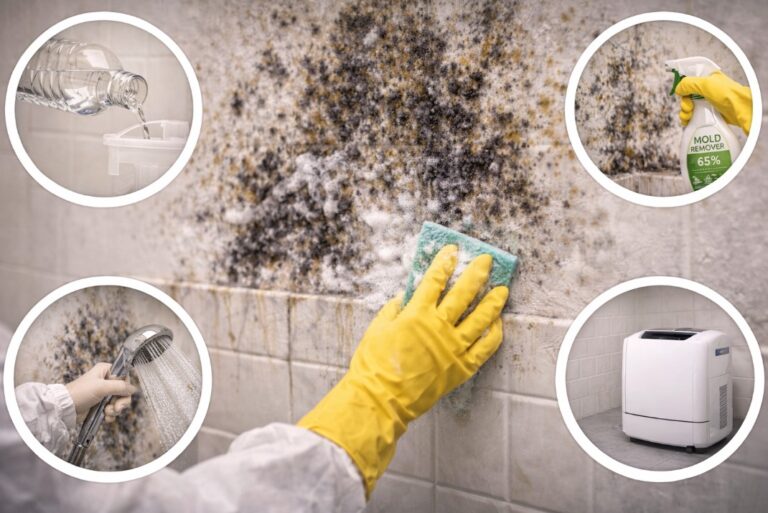
If orange mold is spotted in your home, the first step is always to identify and stop the source of moisture—whether it’s a plumbing leak, roof drip, or condensation from humid air. For small patches less than 10 square feet, homeowners can use detergent and water to clean the area, then dry it thoroughly. Continue to monitor the spot for any sign of mold returning.
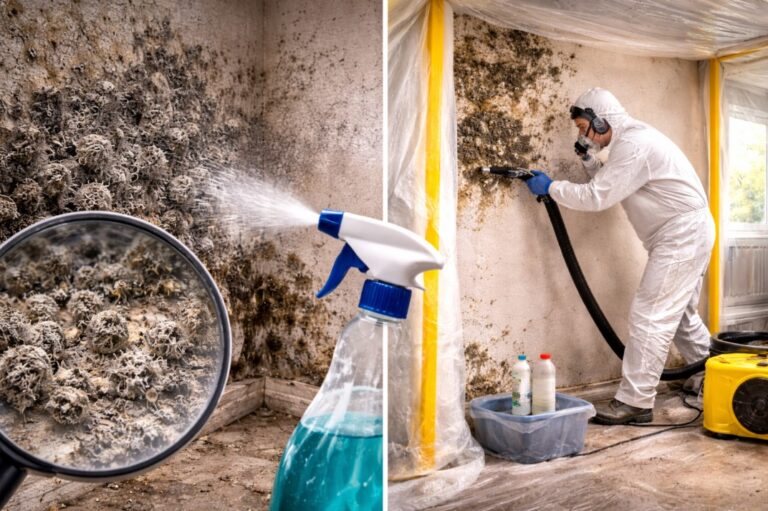
If the affected area is larger, keeps coming back, or involves hard-to-reach spots like inside HVAC ducts or insulation, it’s time to call in a mold remediation professional. This is especially true if anyone in the home experiences respiratory symptoms or if the growth appears after flooding or major leaks.
Here’s what I noticed: drying the area completely is just as important as cleaning it. Open windows, use fans or a dehumidifier, and make sure all surfaces are bone dry before restoring the area. For orange mold on food, there’s no salvaging—throw it out immediately.
Actionable Checklist Item:
Within 24 hours of noticing, fix leaks and start drying out the area.
Why Moisture Control Is the Real Solution
Mold will keep coming back if moisture isn’t properly managed. In San Diego, this means paying special attention during foggy spells, after storms, or when running the AC for long periods. Proper ventilation, dehumidifiers, and regular inspections for leaks or condensation are essential in both coastal and inland homes.
Mold-resistant paint and caulks can help, particularly in bathrooms and kitchens, but they won’t prevent orange mold unless the underlying environment stays dry. Regular cleaning of grout, window sills, and behind appliances also makes a difference, but homeowners should focus on prevention over repeated cleanup.
What sets San Diego apart is the fluctuation between marine layer moisture and dry inland conditions. This can cause cycles of condensation and drying—prime conditions for mold to take hold unnoticed.
Actionable Checklist Item:
Add a recurring reminder to check for leaks under sinks and around windows, especially after heavy fog or rain.
Official Guidance on Mold in Homes
The Centers for Disease Control and Prevention (CDC) recommends removing any visible mold and addressing moisture sources immediately. The Environmental Protection Agency (EPA) advises cleaning small areas of mold with soap and water, and stresses that moisture issues must be resolved to prevent regrowth. The California Department of Public Health (CDPH) highlights the importance of home ventilation and prompt repair of any leaks.
The CDC also warns that people with weakened immune systems should avoid exposure to mold entirely. The EPA cautions against mixing cleaning products like bleach and ammonia, as this can create toxic fumes. For significant or hidden mold growth, the EPA advises hiring certified mold remediation professionals rather than attempting removal yourself.
Sources Note
This article draws on data and recommendations from the Centers for Disease Control and Prevention (CDC), Environmental Protection Agency (EPA), and California Department of Public Health. For specific concerns, especially regarding health or significant mold infestations, homeowners should consult a qualified mold specialist or building professional.
FAQ
1. What causes orange mold in a house?
Orange mold is caused by persistent moisture and organic material, such as wood, paper, or food. Leaks, condensation, or poor ventilation are common triggers.
2. How do I get rid of orange mold in the bathroom?
Clean small patches using detergent and water, dry the area completely, and improve ventilation. Fix any leaks in plumbing or tile grout.
3. Is orange mold dangerous to breathe?
Some people may experience allergies or respiratory irritation. Those with weakened immune systems should avoid exposure.
4. Can orange mold grow on wood or drywall?
Yes. Orange mold frequently colonizes wood, drywall, insulation, and other porous materials, especially if they remain damp.
5. What’s the difference between orange mold and rust?
Rust is a reddish-brown corrosion of metal, while orange mold is a living fungus or slime mold growing on organic or damp surfaces.
6. Does orange mold mean I have a leak?
Not always, but it does indicate a persistent moisture problem that could be from a leak, condensation, or high humidity.
7. How do I prevent orange mold in San Diego’s climate?
Control indoor humidity, ventilate bathrooms and kitchens, and check for leaks after foggy weather or storms.
8. Is orange mold the same as slime mold?
Some orange growths are true molds, while others are slime molds. Slime molds are not technically fungi but can look similar.
CTA Block
- Inspect your home for leaks and damp spots if you see orange mold or persistent moisture.
- Schedule a professional moisture or mold inspection if you can’t find the source or if the mold returns.
- Improve ventilation in bathrooms, kitchens, and laundry areas—especially during foggy or humid weather in San Diego.