How to Remove Bathroom Mold Fast: 4 Expert Tips That Work
To remove bathroom mold fast, you need to cut off the moisture source, dry out the area within 24–48 hours, use a proven mold-killing cleaner, and take steps so the mold doesn’t return. In San Diego, where coastal fog and inland heat both bring their own challenges, stopping bathroom mold is all about smart moisture control and quick action.
Mold in San Diego bathrooms is a stubborn problem, thanks to our coastal fog, seasonal humidity, and older homes with less-than-ideal ventilation. Whether you’re living near the beach with June Gloom or further inland where temperatures swing wildly, fast mold removal is about more than scrubbing tiles—it’s about finding and fixing what’s fueling that mold in the first place. Protecting your home (and your peace of mind) starts with understanding why mold shows up so fast—and how to outsmart it.
Quick Answer
- Find and stop the source of moisture fueling mold growth.
- Dry out the bathroom thoroughly within 24–48 hours.
- Clean visible mold with a safe, effective mold remover.
- Wear protective gear (gloves, mask, goggles) before cleaning.
- Improve bathroom ventilation to stop mold from coming back.
- For large or stubborn infestations, contact a mold remediation professional.
Why Bathroom Mold Happens So Fast in San Diego
Bathroom mold grows quickly in San Diego because our homes—old or new, coastal or inland—are surrounded by moisture triggers like fog, marine layers, and steamy showers. Mold isn’t the main problem; it’s a symptom that your bathroom is trapping too much moisture.
Daily showers create steam that settles on cool surfaces. If your bathroom lacks a strong exhaust fan or windows that open easily, that moisture lingers. San Diego’s coastal areas get hit by marine layers and “June Gloom,” bringing extra humidity that seeps indoors. Inland, the rapid temperature swings can cause condensation on walls and windows, especially in older homes with less insulation. The pattern I keep seeing is that whether you’re in a beach cottage or a Mission Valley condo, the basics are the same: where there’s lingering dampness, mold follows.
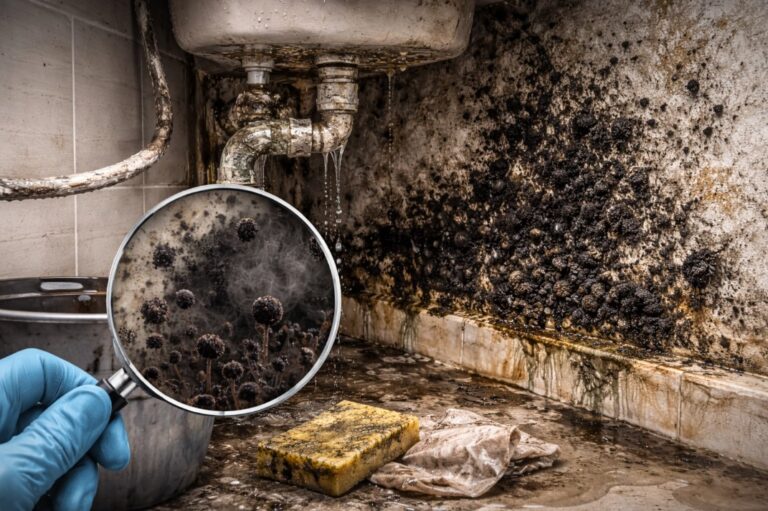
Hidden leaks are another common trigger. A slow drip under the sink, poorly sealed grout, or gaps around windows can all let water seep in, sometimes without any visible puddles. After your next shower, take a close look for condensation on windows, peeling paint, or damp spots under sinks and behind toilets. Document any issues (snap a few photos with your phone) and notify your landlord if you’re renting. Condo owners in San Diego, check your HOA rules before making repairs—sometimes the HOA handles plumbing and exterior leaks.
Safety note: If you suspect a hidden leak—especially if you notice a musty smell or soft spots in the walls—consider calling a professional plumber or mold specialist. Unseen moisture can lead to bigger issues if left unchecked.
Step 1 – Cut Off the Mold’s Moisture Supply
The fastest way to stop bathroom mold in San Diego is to eliminate what’s feeding it: excess moisture. Start by checking for leaky pipes under the sink, a dripping faucet, or cracked caulking around the tub or windows. Even a tiny drip adds up over time, giving mold the steady supply it needs.
Dry wet surfaces right after you use them. Wipe down the shower walls and glass doors with a squeegee or towel. If your bathroom fogs up after every shower, it’s time to put that exhaust fan to work—run it during and for at least 20 minutes after every shower. If you don’t have a fan or it’s weak, a small portable dehumidifier (which can cost $30–$100) can make a big difference, especially during San Diego’s muggy summer mornings.
If you notice caulk peeling away or missing grout, reseal it as soon as possible to keep water from seeping behind tiles. Fixing one source of moisture today—like tightening a pipe or resealing grout—can stop new mold before it starts.
DIY vs. pro decision: If you can’t see where the water is coming from, or if there are signs of a steady leak behind walls (like bubbling paint or mysterious stains), don’t wait—call a plumber or mold remediation pro. Surface fixes won’t solve hidden problems, and 24 hours can make a big difference in how much work you’ll face later.
Step 2 – Dry Out the Bathroom—Fast
The key to fast bathroom mold removal is drying everything out within 24–48 hours. Mold needs moisture to grow, so your goal is to make the bathroom as inhospitable as possible, as quickly as possible.
On a dry San Diego day, open windows and doors to let fresh air circulate. Cross-ventilation works wonders, especially if you’re near the coast where humidity can sneak indoors. If weather or security is a concern, use towels to soak up water on surfaces and floors, then turn on fans or a portable dehumidifier. Set these up right after cleaning to pull any lingering moisture from the air. Removing and laundering damp towels, rugs, or shower curtains also helps keep moisture levels in check.
What surprised me most is how much moisture soft materials like rugs and curtains can hold—they can keep feeding mold even after you’ve cleaned the hard surfaces. Toss them in the wash and dry them thoroughly before putting them back.
Safety note: Never use electrical devices (like fans or dehumidifiers) near standing water. If there’s water pooling on the floor, mop it up first and let the area dry before plugging anything in.
Step 3 – Clean Away Visible Mold Safely
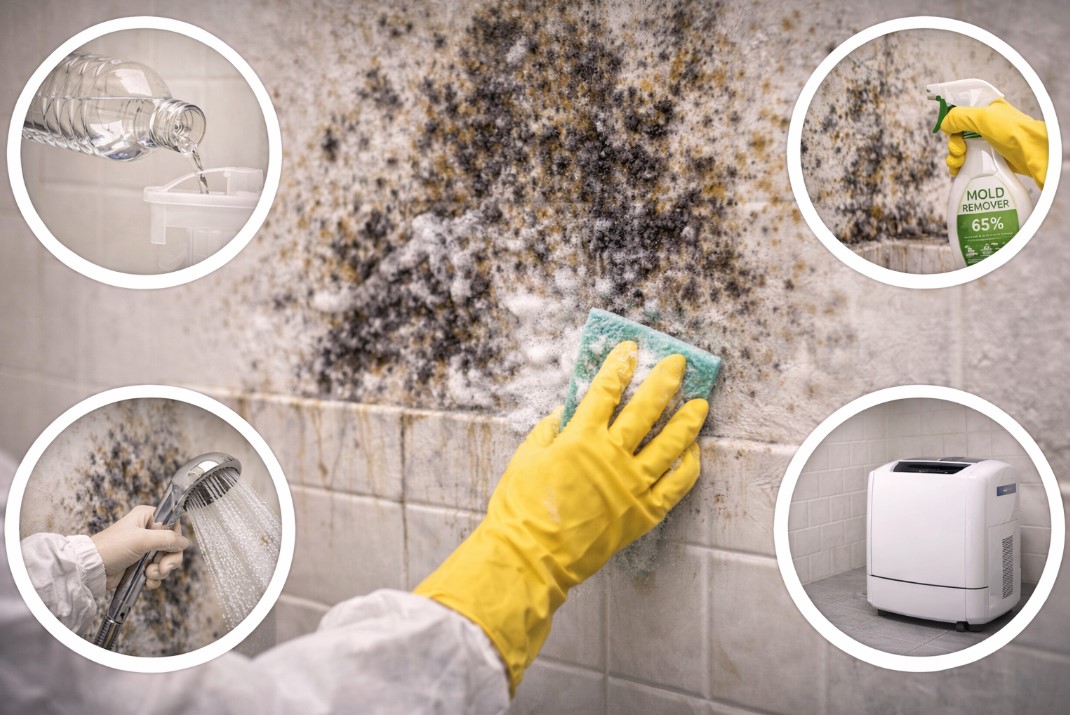
Once you’ve dealt with the moisture, it’s time to clean away visible mold. Always put safety first: wear gloves, a mask (N95 or better), and goggles to avoid contact with mold spores. Even small amounts of airborne spores can irritate your lungs, especially in a small, steamy bathroom.
For hard surfaces like tile, glass, or metal, use a cleaner recommended by the EPA Mold Guidelines—options include a diluted bleach solution (1 cup bleach to 1 gallon water), hydrogen peroxide, or a commercial mold remover. Apply the cleaner, let it sit for a few minutes, then scrub with a stiff brush or scrub pad. Never mix cleaning chemicals—combining bleach and ammonia, for example, can create toxic fumes.
Porous materials like drywall, ceiling tiles, or old caulk are tougher. If they’re moldy, it’s usually best to remove and replace them. Mold can burrow into soft materials, making surface cleaning a temporary fix at best.
Before you tackle the whole bathroom, clean a small test area to check for colorfastness and ensure the cleaner doesn’t damage your surfaces. Here’s what I noticed: some cleaners can discolor grout or tile, especially if left on too long.
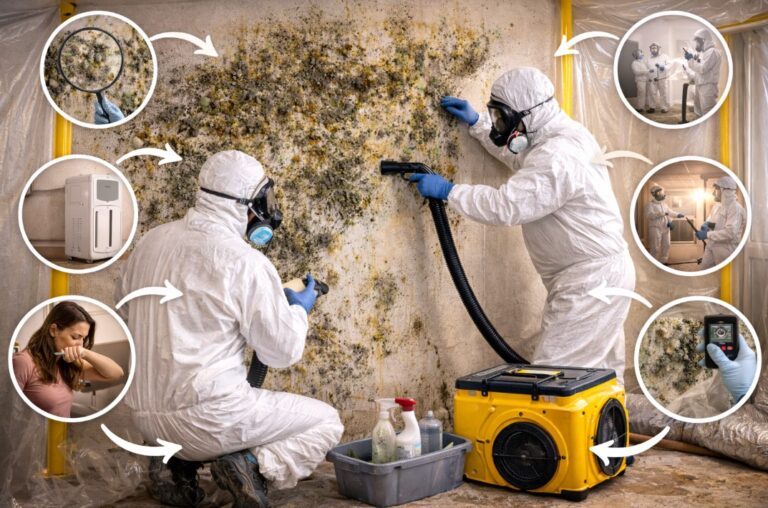
Safety note: If the mold covers more than 10 square feet (about a 3×3-foot patch) or keeps coming back, it’s time to consult a mold remediation professional. Large or recurring infestations may need specialized equipment and containment to prevent spores from spreading.
Step 4 – Prevent Bathroom Mold from Coming Back
Stopping bathroom mold in San Diego for good means keeping moisture in check, every day. Start by improving ventilation. If your exhaust fan is older or underpowered, consider upgrading to a high-efficiency model—preferably one rated for your bathroom’s size. After every shower, run the fan for at least 20 minutes, or open a window if the weather (and marine layer) allows.
Wipe down shower walls, mirrors, and counters after use. Small habits like drying surfaces can make a big difference in humid zones near the beach or during muggy spells inland. Fix any leaks—big or small—as soon as you spot them, whether it’s a loose toilet seal or a drip under the sink.
Use mold-resistant paint or caulk when you repair or remodel problem areas. These products contain additives that make it harder for mold to take hold, and they’re especially useful for older San Diego homes prone to recurring moisture issues. Regularly check under sinks and around toilets for dampness, especially if you live in a condo or rental, where plumbing is often shared or tucked behind walls.
Test your bathroom vent fan’s suction with a tissue: turn the fan on and hold a tissue up to the grille. If it holds, your fan is moving air properly. If not, clean or upgrade it. And this is where it gets interesting—some San Diego condos have vent fans that vent into attics or wall cavities instead of outside, which can trap moisture and worsen mold problems. Check your HOA rules before making any changes, and coordinate repairs as needed.
Official Guidance: What the Experts Say
- Clean and dry any damp or wet building materials and furnishings within 24–48 hours to prevent mold growth. (EPA)
- Fix plumbing leaks and other water problems as soon as possible. (CDC)
- Use exhaust fans or open windows when showering or bathing to increase ventilation. (EPA)
- Wear gloves, N95 respirator, and goggles when cleaning mold. (EPA, CDC)
- If mold covers more than 10 square feet, consult a professional. (EPA)
- Remove and replace absorbent materials (carpet, ceiling tiles) if they become moldy. (CDC)
Sources Note
Sources referenced include the U.S. Environmental Protection Agency (EPA Mold Guidelines), Centers for Disease Control and Prevention (CDC Mold Resources), and California Department of Public Health (CDPH Mold Information).
This content is informational only; consult a qualified mold remediation specialist for persistent or large-scale mold problems.
FAQ
How do you get rid of bathroom mold fast?
Address the moisture source, dry the area within 24–48 hours, and use a proven mold-killing cleaner. For best results, improve ventilation to prevent mold from coming back.
What kills mold instantly in bathrooms?
Bleach, hydrogen peroxide, and EPA-registered mold removers can kill mold on hard surfaces quickly. Always follow label instructions and never mix chemicals.
Can I remove bathroom mold myself or do I need a professional?
Most small mold patches (less than 10 square feet) can be cleaned safely if you use proper protective gear. For larger, recurring, or hidden mold, call a mold remediation professional.
Why does bathroom mold keep coming back even after cleaning?
Mold returns when moisture problems aren’t fully addressed. Check for leaks, poor ventilation, and condensation. Fixing the underlying moisture source is key.
How can I clean mold from bathroom grout and caulk?
Scrub grout with a brush and a mold-killing cleaner. If caulk is moldy or deteriorating, remove and replace it with fresh, mold-resistant caulk.
Is bathroom mold dangerous to my health?
According to the CDC, mold may be linked to allergic reactions and respiratory symptoms in some people, especially those with sensitivities. Remove mold promptly and ventilate well.
What’s the best way to prevent bathroom mold in San Diego homes?
Control moisture by fixing leaks, improving ventilation (fans/windows), and wiping down wet surfaces. Use mold-resistant materials in problem areas.
Does bleach really work for removing bathroom mold?
Bleach can kill mold on non-porous surfaces like tile or glass, but it may not penetrate porous materials. For porous surfaces, removal and replacement may be necessary.
Call to Action
- Inspect your bathroom for hidden leaks or signs of moisture today.
- Upgrade or check your bathroom exhaust fan for proper ventilation.
- If you spot widespread or recurring mold, contact a local San Diego mold remediation specialist for an assessment.