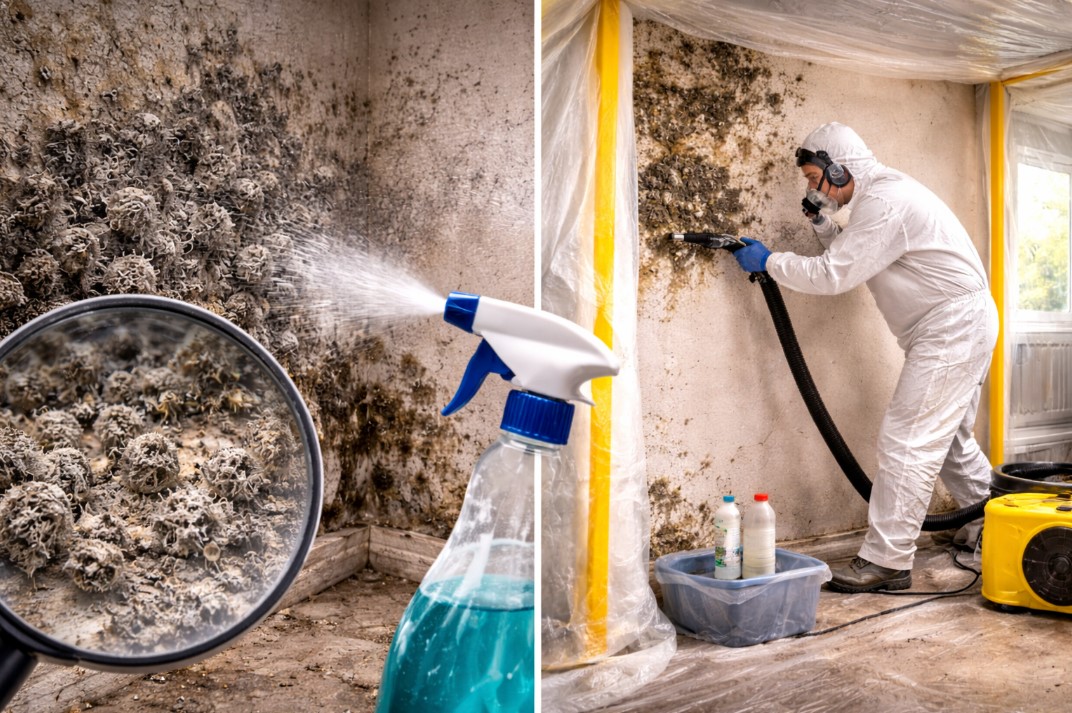
Killing Mold Is Not Enough: Why Mold Removal Fails and What Works
San Diego Homeowner Guide
Killing mold alone won’t fix your problem—if you don’t get rid of the underlying moisture, mold will keep coming back. That’s the reality for many San Diego homeowners, where coastal fog, marine layers, and older houses often hide leaks and trap humidity. It’s tempting to grab bleach or a store-bought spray for a quick fix, but until you tackle the dampness itself, you’re just treating the symptom, not the cause.
- Cleaning visible mold without fixing moisture is only a temporary solution.
- Mold spores and allergens can persist even after you “kill” mold.
- Bleach and standard cleaners often fail to reach mold roots or porous surfaces.
- The real solution is removing moisture sources—leaks, humidity, poor ventilation.
- Professional mold remediation may be needed for large or hidden problems.
- Prevention starts with moisture control, not just surface cleaning.
Why Mold Keeps Coming Back (Even After You Kill It)
You might notice that no matter how many times you scrub a patch of mold away, it always returns—especially in damp corners or after San Diego’s June Gloom. This is because mold is a symptom, not the root problem. Moisture is what’s really driving the cycle.
When you clean only the surface, you’re leaving behind microscopic spores and the root-like structures known as hyphae. These can burrow deep into drywall, wood, or grout, ready to reemerge with the next wave of humidity. It’s a pattern I keep seeing, particularly in older San Diego homes and condos, which are magnets for condensation and hidden leaks thanks to aging plumbing and imperfect weatherproofing.
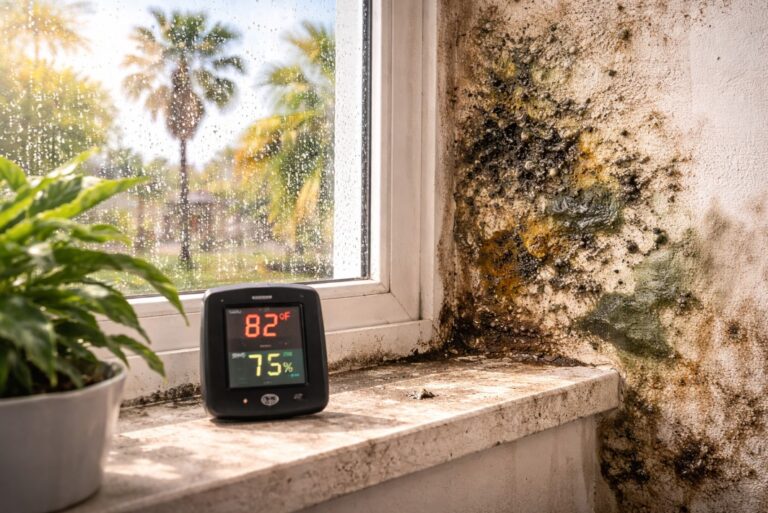
Coastal neighborhoods contend with persistent fog and marine layers that keep surfaces damp for days or weeks at a time. Inland, homes face their own issues; when summer heat meets cool, air-conditioned interiors, you get surprise condensation on walls and windows. These conditions set the stage for ongoing mold growth, no matter how often you “kill” what’s visible.
Checklist item:
After any mold cleaning, inspect for leaks and condensation within 24 hours.
Common Mold Removal Mistakes (And Their Hidden Costs)
Bleach is often the go-to, but killing mold is not enough—especially if you’re treating drywall, wood, or grout. Bleach only kills surface mold on hard, non-porous materials. It doesn’t penetrate, so the roots may survive and regrow. What surprised me most is how often people rely on these so-called solutions, only to face another outbreak in a few weeks.
Even if you manage to kill the mold, dead spores can still trigger allergies and asthma. Covering up musty smells with air fresheners? That’s just hiding the warning signs. The real danger is that you might not notice an ongoing leak or hidden moisture problem until it’s gotten much worse—and more expensive to fix.
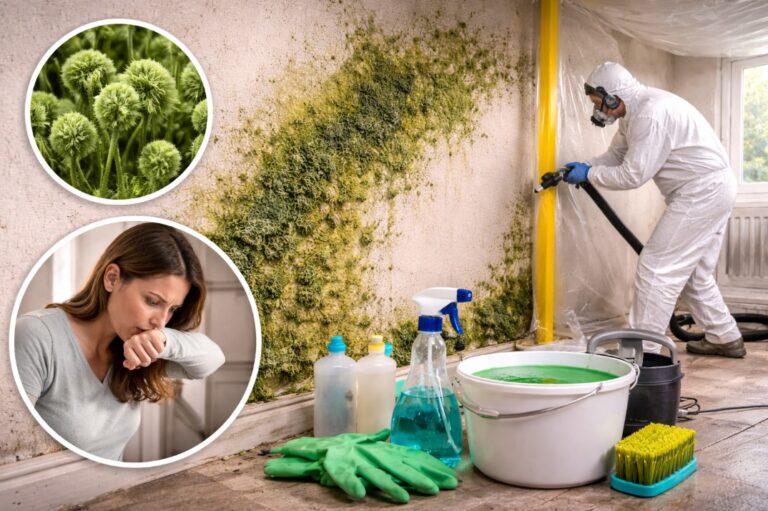
DIY efforts get risky when you’re dealing with more than a small patch (over 10 square feet) or when mold is inside walls or ceilings. Disturbing a large colony can spread spores throughout your home and expose you to unnecessary health risks.
Checklist item:
Never rely on scent-masking products; always seek out the moisture source.
Safety note:
DIY cleaning of extensive or hidden mold (over 10 sq ft) can be hazardous.
The Moisture Connection: What Really Drives Mold Growth
The real reason why mold removal fails? Moisture causes mold—and unless you address that, nothing else matters. Mold needs a steady supply of water to grow: a leaky pipe, a roof drip, humid coastal air, or just everyday condensation.
San Diego’s climate can be deceptive. While inland neighborhoods may escape the worst of the marine layer, they’re still at risk. When hot days turn to cool evenings, condensation can build up inside cooled homes—especially if ventilation is poor. Bathrooms, laundry rooms, and attics are prime suspects. In condos and apartment buildings, shared walls and ventilation systems can make these issues even harder to spot.
Here’s what I noticed: coastal homes are particularly vulnerable when windows and walls aren’t properly sealed. That salty, humid breeze finds its way in, raising indoor humidity and fueling persistent mold problems.
Checklist item:
Use a hygrometer to monitor indoor humidity; aim for under 50% RH.
Flag:
0–24h: After detecting mold, identify and stop the moisture source ASAP.
What Actually Works: Lasting Mold Solutions for San Diego Homes
To break the cycle, you have to focus on what actually works—not just killing mold, but keeping it from coming back. For San Diego homeowners, this means a multi-pronged approach. Start by addressing every possible source of water: check plumbing, rooflines, window seals, and even foundation cracks. If you find water-damaged drywall or insulation, replacement is usually the only real fix.
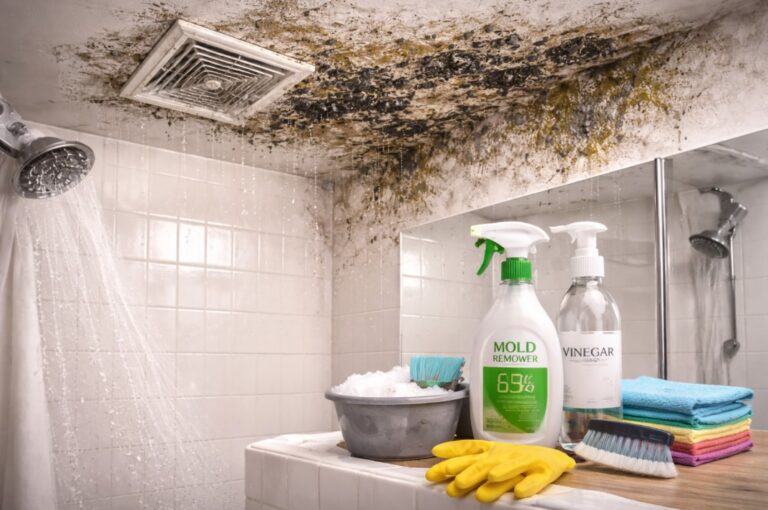
Ventilation is crucial. Bathrooms, kitchens, and laundry rooms should have working exhaust fans vented to the outside. In drier weather, open windows to let fresh air move through. But when marine layers roll in, keep windows closed and use a dehumidifier instead.
For condos or rentals, things can get tricky. You’ll need to check your HOA rules and work with building management to handle repairs—especially for leaks or mold in shared walls and ceilings.
Professional mold remediation is necessary when the problem is widespread, keeps returning, or you can’t find the water source. Pros have the training and equipment to remove contaminated materials safely and restore healthy humidity levels.
Checklist item:
After mold removal, run a dehumidifier for 24–48 hours and recheck for dampness.
DIY vs Pro:
Small, isolated spots may be handled by homeowners; widespread or hidden mold needs a professional.
Official Guidance: What Authorities Recommend
Federal and state agencies agree: moisture control is the foundation of mold prevention. The EPA Mold Guidelines and CDC’s Mold Cleanup Advice both stress immediate action on leaks and humidity. According to the CDC, keep indoor humidity below 60%, and ideally under 50%. Ventilation is key—bathrooms, kitchens, and laundry rooms should vent directly outside.
When absorbent materials are moldy (like carpet or ceiling tiles), the CDC recommends removal and replacement rather than cleaning. For safety, the EPA urges the use of N-95 respirators, gloves, and goggles for anything beyond a minor cleanup. And for large or persistent mold problems, both EPA and CDC recommend hiring a certified professional.
Sources Note
Sources for this article include the Environmental Protection Agency (EPA), Centers for Disease Control and Prevention (CDC), and California Department of Public Health (CDPH). This information is for general guidance only; consult a certified mold remediation specialist for confirmed issues.
FAQ
Why does mold keep coming back after I clean it?
Mold keeps coming back because cleaning alone doesn’t remove the moisture that allows it to grow. Without fixing leaks, humidity, or condensation, spores can regrow even after you kill surface mold.Is killing mold with bleach enough to solve the problem?
No—bleach may kill surface mold on hard materials but doesn’t penetrate porous surfaces or remove the root cause. That’s a key reason why mold removal fails.What is the best way to remove mold in San Diego homes?
Address the moisture source first: repair leaks, dry out wet areas, and improve ventilation. Then remove contaminated materials and clean remaining surfaces with mold-specific cleaners.How do I find hidden moisture that causes mold?
Look for stains, soft spots, or musty odors near plumbing, windows, and roofs. Use a moisture meter or hygrometer for hidden issues. In condos, pay attention to shared walls and ceilings.Can I clean mold myself, or do I need a professional?
Small, isolated spots (under 10 square feet) can often be handled at home. For large, persistent, or hidden mold, or if you have health concerns, call a professional specializing in mold remediation San Diego.Are dead mold spores still dangerous to my health?
Yes—dead mold can still contain allergens that may trigger symptoms in sensitive individuals, according to the CDC.How do I prevent mold growth in coastal San Diego homes?
Seal windows and walls, use exhaust fans, and monitor humidity. During June Gloom or marine layers, use a dehumidifier to keep levels under 50% RH.What should renters or condo owners do about recurring mold?
Document visible mold and moisture, notify your landlord or property manager promptly, and check HOA rules before making repairs.
CTA Block
- Schedule a professional moisture inspection if you’re dealing with persistent or recurring mold.
- Invest in a reliable dehumidifier and monitor indoor humidity, especially during June Gloom or after leaks.
- If you’re renting or live in a condo, notify your property manager about any signs of moisture or mold as soon as possible.