Can Mold Spread Through Air? Hidden Health Risks Explained
Yes, mold can spread through the air. Mold releases microscopic spores that become airborne and can settle on damp surfaces throughout your home.
If you own or rent in San Diego, this reality is especially relevant. Our blend of coastal fog, seasonal humidity, and those “June Gloom” mornings means moisture lingers in walls and corners, even when you can’t see it. Airborne mold spores love these conditions, and if you’ve noticed musty odors, especially after a wet winter, chances are those spores are quietly traveling from room to room. Whether you live in an older house in Point Loma or a modern condo downtown, understanding how mold moves is the first step to protecting your home and health.
Quick Answer
- Mold spreads primarily by releasing spores into the air.
- Airborne spores can travel between rooms, floors, and even neighboring units in condos.
- Mold growth is triggered by excess moisture, not just by the presence of spores.
- San Diego’s coastal climate increases indoor humidity, fueling mold’s spread.
- Air purifiers and proper ventilation can help reduce airborne mold spores.
- Removing mold without fixing moisture issues will not prevent its return.
How Mold Travels Through the Air in San Diego Homes
Mold travels through the air by releasing spores—tiny, seed-like particles that float and drift on indoor currents. In San Diego homes, these airborne mold spores become a particular concern due to our unique mix of marine layer mornings, coastal fog rolling in from the Pacific, and hot, dry spells inland. The pattern I keep seeing is that these microclimates combine to create condensation on windows and walls, giving spores the ride and landing spots they need.
Everyday activities help mold spores get airborne: running your HVAC system, using bathroom or kitchen fans, opening doors and windows, or even making the bed can stir up spores settled on surfaces. Those invisible particles are then circulated throughout your home—sometimes landing in a closet, other times finding a damp patch behind a bathroom cabinet.
San Diego’s older homes, especially those with single-pane windows or less insulation, are known for condensation near vents or along exterior walls. If you’re in a condo, spores can travel between units through shared ductwork or under door gaps. You might not spot the spores themselves, but you can catch their trail: check for visible mold and musty odors near vents, windows, and bathrooms—these tend to be the main “entry points” for airborne spores.
Hidden Health Risks: What Airborne Mold Means for Your Family
Breathing in airborne mold isn’t just unpleasant—it may be linked to a range of health risks, especially for those already sensitive to allergens. Inhaling mold spores can trigger allergy symptoms like sneezing, coughing, sinus congestion, and itchy or watery eyes. For people with asthma or compromised immune systems, airborne mold can worsen symptoms or make breathing more difficult.
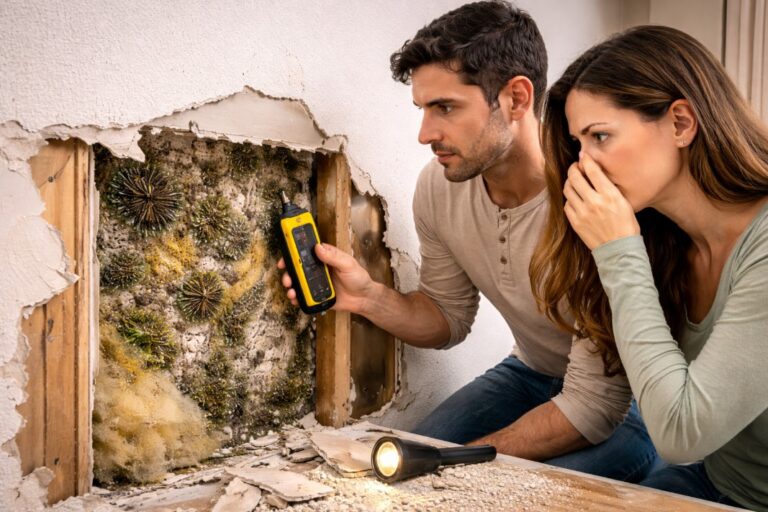
What surprised me most, looking at San Diego’s housing stock, is how often hidden leaks and slow plumbing drips in older homes or rentals go unnoticed. This creates the perfect conditions for mold to thrive behind walls or under flooring, putting families at risk of long-term exposure. Research suggests a possible association between chronic mold exposure and increased respiratory symptoms in children, seniors, and those with pre-existing lung conditions.
If anyone in your home develops new or unexplained respiratory symptoms, it’s a good idea to investigate for hidden moisture or leaks within 24–48 hours. If you do find evidence, take safety precautions: avoid disturbing large mold patches, and if you need to check behind furniture or under sinks, wear an N95 mask and gloves.
Why Moisture Control Is Your Best Defense (Core Principle)
Mold is a symptom; moisture is the root problem. No matter how many spores are floating around, they can’t take hold and grow unless they land on a damp surface. That’s why mold and moisture control go hand in hand—especially in San Diego, where weather can flip from foggy to dry in a single day.
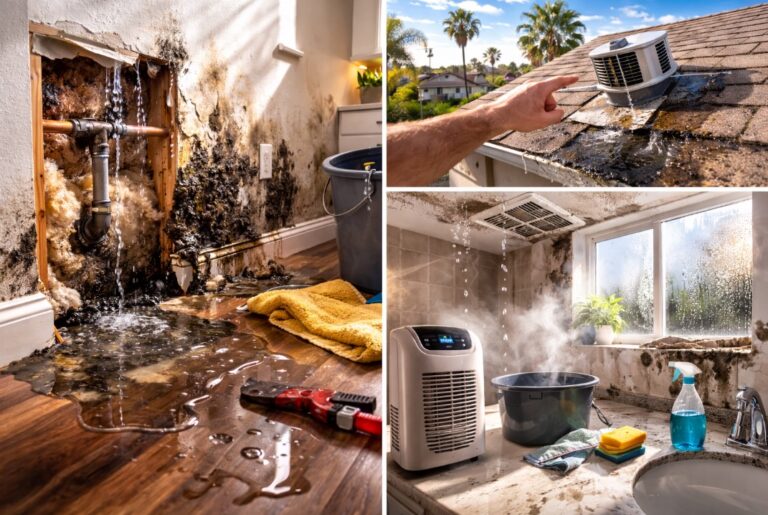
Common sources of unwanted moisture include leaks under sinks, roof damage after one of our rare but intense storms, and poor ventilation in bathrooms or laundry rooms. Even small amounts of condensation can create a mold-friendly environment if left unchecked. And this is where it gets interesting: airborne spores will settle everywhere, but they only grow into visible mold where there’s moisture.
Make a habit of inspecting bathrooms, kitchens, and laundry areas for standing water or excess condensation at least once a month. If you find persistent damp spots, dry them thoroughly and look for the underlying cause—be it a dripping pipe, clogged vent, or rainwater intrusion. Staying ahead of moisture is the most effective way to keep mold from taking hold.
DIY vs. Professional Help: What to Do When You Suspect Airborne Mold
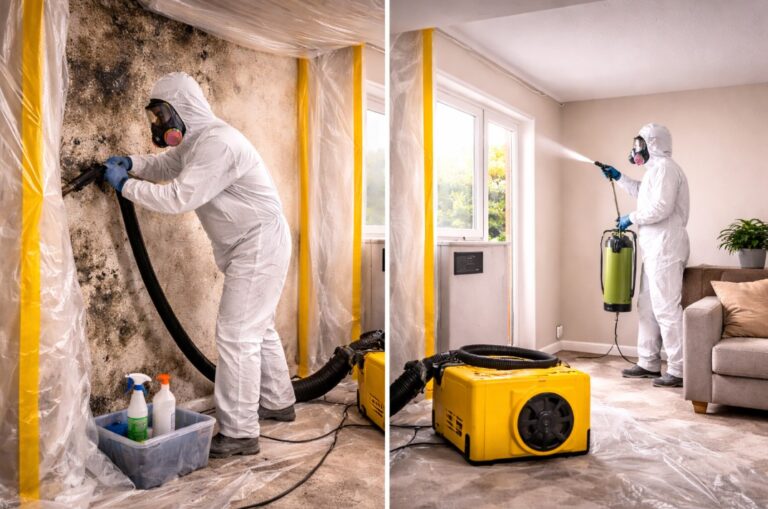
If you spot a small patch of surface mold—say, on a bathroom ceiling or around a window—you can tackle it yourself using gloves, a mask, and a cleaning solution like diluted vinegar or a commercial mold remover. Be sure to dry the area completely and address any sources of moisture. However, if you’re dealing with large, persistent, or recurring mold (especially after water damage), professional remediation is usually necessary. Mold can hide behind walls, under floors, or in HVAC systems, and disturbing it without proper containment can make things worse.
Renters should always document the problem (photos, notes on odors or stains) and notify the landlord or property manager right away. Condo owners should check HOA guidelines before starting any work, since shared walls and systems affect neighboring units.
If visible mold covers more than 10 square feet, or if it returns after thorough cleaning and moisture fixes, call a certified mold specialist. Safety first: larger mold problems require containment and protective equipment that go beyond most DIY kits.
The Overlooked Role of Ventilation in Mold Spore Control
Proper ventilation is one of the simplest—and most overlooked—ways to keep airborne mold spores in check, especially in San Diego’s diverse microclimates. When indoor air is stagnant, humidity rises and spores settle on damp surfaces, giving mold the foothold it needs. Coastal homes, for example, often face extra humidity during foggy spells, while inland homes might deal with condensation from big temperature swings.
Best practice is to use exhaust fans in bathrooms and kitchens, and to open windows during dry periods to flush out trapped moisture and spores. For “June Gloom” weeks or after rain, running fans for at least 15 minutes after showering or cooking is especially helpful. Smart upgrades like dehumidifiers and HEPA air purifiers can further reduce airborne spores—these typically cost $50–$300 depending on size and features.
Here’s what I noticed: many homeowners skip this step, focusing only on cleaning visible mold. But without good airflow, humidity and spores quickly return, undoing your hard work. To get ahead, run bathroom and kitchen exhaust fans during and for 15 minutes after use—especially when fog or rain has increased indoor humidity.
Official Guidance: EPA, CDC & Health Authorities
According to the EPA Mold Guidelines, you should repair leaks and keep indoor humidity below 60% to help prevent mold growth. The CDC recommends removing and replacing materials—like drywall or carpeting—that can’t be fully cleaned after mold contamination. Both agencies stress the importance of wearing protective gear, such as gloves and N95 masks, when cleaning moldy areas.
It’s not enough to scrub away visible mold. If you don’t eliminate excess moisture, mold is likely to return. For larger or hidden mold problems, or if you suspect spores have spread through HVAC or behind walls, consult a certified mold remediation professional. HEPA filter air purifiers can help trap airborne spores, but they’re no substitute for proper moisture control.
Sources Note
Sources for this article include the U.S. Environmental Protection Agency (EPA), Centers for Disease Control and Prevention (CDC), and California Department of Public Health. This information is for educational purposes only—if you suspect a significant mold problem or notice health symptoms, consult a qualified specialist.
FAQ
1. Can mold spores really travel from room to room through the air?
Yes, mold spores are microscopic and easily become airborne, allowing them to move between rooms via air currents, HVAC systems, and even during cleaning.
2. Is it dangerous to breathe in mold spores from home air vents?
Breathing in mold spores can trigger allergies and worsen asthma, particularly in sensitive individuals. If you suspect mold in your vents, have them professionally inspected.
3. How long can mold spores stay airborne inside a house?
Mold spores can remain airborne for hours, especially when disturbed by movement, fans, or HVAC systems, before settling onto surfaces.
4. What’s the best way to keep mold from spreading in my San Diego condo?
Control indoor moisture by fixing leaks quickly, running exhaust fans, and keeping humidity below 60%. Notify your HOA or property manager about any suspected mold in shared areas.
5. Do air purifiers actually help with airborne mold?
HEPA air purifiers can reduce airborne mold spores, but they don’t remove mold’s source—moisture control is essential for lasting prevention.
6. How do I know if my musty smell is from airborne mold?
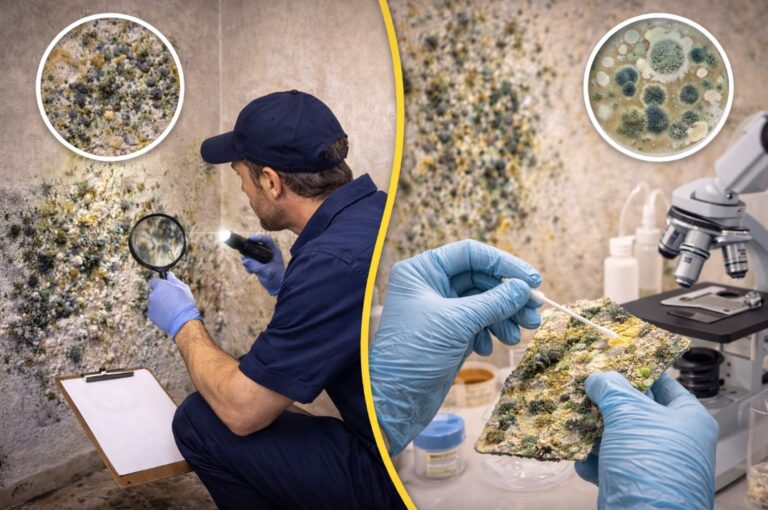
A persistent musty odor, especially near vents, windows, or damp areas, often indicates mold. Check for moisture or visible signs, and consider professional testing if the smell persists.
7. Can mold spread between neighboring apartments or condos?
Yes, spores can travel through shared ductwork, hallways, or wall gaps—another reason to report issues quickly in multi-unit buildings.
8. Does opening windows make mold problems better or worse?
Opening windows during dry, sunny periods helps ventilate your home and reduce humidity. Avoid opening windows during fog, rain, or high humidity, as this can bring in more moisture.
What to Do Next
- Schedule a moisture inspection if you’ve noticed persistent musty odors or unexplained allergy symptoms.
- Check your home for leaks and damp spots after periods of coastal fog or heavy rain.
- Ask your HOA or property manager about their mold and moisture prevention policy if you live in a condo or rental.