Can Mold Spread From Basement to Upstairs? Health Risks & Prevention Tips
Yes, mold can absolutely spread from a basement to upstairs living areas if moisture problems aren’t addressed.
For San Diego homeowners, this is more than just a cosmetic issue. Older homes, condos, and properties near the coast or exposed to marine layers are all at risk due to persistent moisture and ventilation challenges. Mold is a symptom—moisture is the root cause. Ignoring basement moisture can mean hidden health risks for the entire household, especially when our local climate encourages both condensation and humidity.
Quick Answer
- Mold spores travel on air currents and through HVAC systems from basements to upper floors.
- Moisture problems in basements (leaks, condensation) are the main cause of mold growth and spreading.
- San Diego’s coastal fog and marine layer increase indoor humidity, raising mold risks.
- Mold exposure can trigger allergies, asthma, and other respiratory problems.
- Preventing moisture buildup is the most effective way to stop mold from spreading.
- Professional assessment is recommended if you notice persistent musty odors or visible mold.
How Mold Spreads from Basement to Upstairs
Mold spreads from the basement to upstairs by hitching a ride on air currents—something that’s especially likely in San Diego homes with older construction or open floor plans. When you have a moisture problem downstairs, mold spores (which are invisible to the naked eye) can easily get swept up by warm air rising through cracks, vents, and stairwells. This is the classic “stack effect,” where heated air moves upward, carrying all sorts of particles—including mold spores—right into your living spaces.
Here’s what I noticed: even a small gap in basement drywall or an old vent can become a highway for spores. If your home has forced air heating or central AC, those ducts can pull spores from the basement and redistribute them throughout every room. Condos and multi-unit dwellings are particularly susceptible, especially if there’s shared ventilation or plumbing shafts.
Some San Diego homes—especially those built before the 1970s—have noticeable gaps where the basement meets the main floor. These structural quirks, combined with our local humidity, make it much easier for mold to migrate. And let’s be real: you won’t always see it happening. Sometimes, the first clue is a faint musty smell upstairs or allergy symptoms that seem to come out of nowhere.
Actionable Checklist Item:
Seal visible cracks in basement ceilings and floors to reduce airflow pathways.
Safety note: Wear a mask and gloves during inspection and minor sealing to avoid contact with dust and spores.
Why San Diego Homes Are Vulnerable to Mold Migration
San Diego homes face unique challenges when it comes to mold spreading from the basement upstairs. Our famous “June Gloom” and frequent marine layers keep humidity levels elevated for weeks at a time, even in neighborhoods far from the coast. If you live in an older house or a condo with a basement, you’re probably already familiar with that persistent damp feeling after a foggy morning.
The pattern I keep seeing: many San Diego basements were constructed before modern waterproofing standards. That means they’re more likely to have leaky foundations, porous concrete, or insufficient vapor barriers. In condos or rental units, you might be dealing with shared walls, limited ventilation, or neighbors’ water leaks seeping into your space.
If you’re inland, you’re not off the hook—hot summer days can cause condensation on cool basement surfaces. When warm air meets those chilled walls, moisture forms, and mold spores get just what they need to thrive and spread.
Actionable Checklist Item:
Install a hygrometer in your basement to monitor humidity levels (aim for less than 60%). You can find basic models for $10–$30 at most hardware stores.
Hidden Health Risks When Mold Moves Upstairs
When mold from your basement starts making its way upstairs, it’s not just an aesthetic problem—it can quietly impact your health. Mold spores and the substances they produce (mycotoxins) may be linked to allergies, asthma flare-ups, and sinus infections. That’s especially important for San Diego families with children, seniors, or anyone with a compromised immune system.
What surprised me most is how mold can go undetected for so long. You might not see any visible growth, but spores can hide inside walls, under carpeting, or even in your HVAC system. Sometimes, the only hint is a musty smell upstairs or new respiratory symptoms—sneezing, coughing, or congestion—that don’t seem to have another explanation. If these symptoms appear suddenly or worsen after heavy fog or rain, it’s a clue that hidden mold could be the culprit.
Landlords in San Diego are required to address mold and water leaks. If you’re renting, document any issues and notify your landlord right away. Condo owners should always check HOA rules before tackling repairs—shared building systems can complicate things.
Actionable Checklist Item:
If anyone in your household develops unexplained respiratory symptoms, inspect for moisture and mold right away.
Timeline: If you spot visible mold or health symptoms, act within 24–48 hours to investigate and dry out affected areas.
Preventing Mold Spread—Moisture Control Comes First
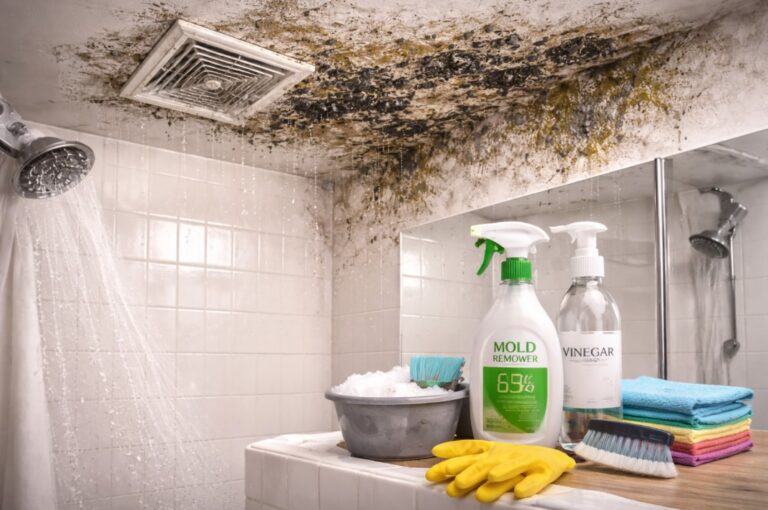
The most effective way to prevent mold from spreading from your basement upstairs is to tackle the root cause: moisture. Mold can’t grow without water, so your first line of defense is to eliminate leaks, seepage, and condensation.
Start by fixing any obvious sources of water intrusion—think cracks in the foundation, dripping pipes, or window leaks. In San Diego, it’s smart to pay extra attention after a rainy winter or a stretch of heavy coastal fog. Dehumidifiers are a game changer for basements, especially during June Gloom or humid summer spells. They help keep indoor humidity below that crucial 60% mark.
Don’t forget about the outside. Regularly clean gutters and downspouts so rainwater flows away from your foundation. Landscaping should slope away from the house, not toward it. After a marine layer event or a big rainstorm, do a quick walk-through to spot any new dampness.
If you’re handy, minor leaks and ventilation fixes are usually DIY-friendly. But if moisture keeps coming back—or if you’re seeing mold in multiple places—it’s time to call in the pros.
Actionable Checklist Item:
Schedule annual basement inspections for moisture, especially after periods of heavy coastal fog or rain.
DIY is fine for minor repairs, but persistent or widespread issues call for a professional’s expertise.
When to Call a Professional for Mold and Moisture Problems
There are times when tackling mold yourself just isn’t enough—especially in San Diego, where local construction styles and coastal weather can make moisture issues tricky to solve. If you discover a large patch of visible mold (bigger than 10 square feet), or if the source of that musty odor remains a mystery no matter how much you clean, it’s time to bring in a licensed mold remediation specialist.
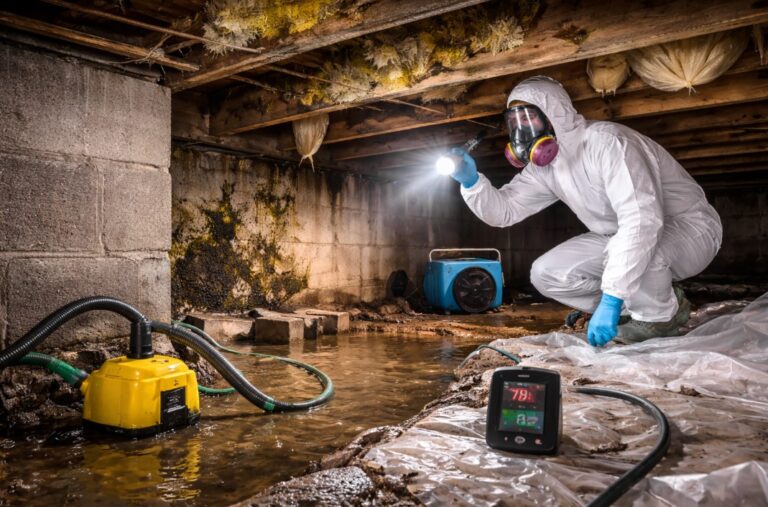
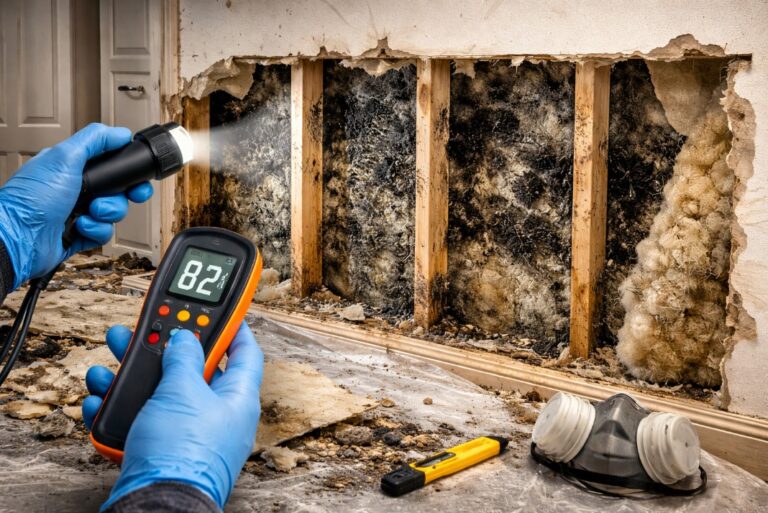
Professionals have specialized tools—like moisture meters and thermal imaging cameras—to detect hidden water problems. They also know how to remove mold safely, preventing spores from spreading further during cleanup. And this is where it gets interesting: San Diego remediation experts are familiar with the quirks of local homes, from historic craftsman basements to modern condo HVAC systems. They’ll know the best ways to prevent future flare-ups, whether you live near the coast or further inland.
If you’re dealing with a rental or a condo, check with your landlord or HOA before scheduling any major work. Sometimes, the responsibility for repairs falls on the building management rather than the individual owner or tenant.
Actionable Checklist Item:
If you smell mold but can’t find the source, or if the affected area is larger than 10 square feet, contact a licensed mold remediation specialist for assessment and cleanup.
Official Guidance: Mold, Moisture, and Home Health
- EPA Mold Guidelines: Control moisture to control mold—fix leaks, maintain low indoor humidity (below 60%).
- CDC Mold Information: Mold spores can trigger asthma attacks and allergic reactions; remove mold promptly.
- California Department of Public Health Mold Resources: Landlords must address water leaks and visible mold in rentals.
- American Lung Association: Protect vulnerable groups (kids, elderly, those with lung conditions) from exposure.
- FEMA Flood & Mold Advice: Use ventilation and dehumidifiers in basements to prevent mold after flooding or heavy coastal weather.
- San Diego County Vector Control: Report persistent mold problems in rentals to local housing authorities.
Sources Note
- Information based on guidance from the EPA, CDC, and California Department of Public Health.
- This article is for informational purposes only—contact a licensed specialist for confirmed mold or moisture issues.
FAQ
1. Can mold in basement affect upstairs air quality?
Absolutely. Mold spores can travel via air currents, HVAC systems, and cracks, impacting air quality throughout the home.
2. How fast does mold spread from basement to upstairs?
It depends on moisture levels and air movement, but spores can move within hours to days if conditions are right.
3. What are signs mold is spreading in my house?
Look for musty odors upstairs, new or worsening allergy symptoms, visible spots on ceilings or vents, and unexplained health issues.
4. How do I stop mold from moving upstairs in a San Diego home?
Control moisture in the basement, improve ventilation, seal cracks, and monitor humidity—especially during coastal fog or June Gloom.
5. Does a dehumidifier in the basement prevent mold upstairs?
Yes, it helps by keeping humidity below 60%, making the environment less hospitable for mold growth and spread.
6. Is it safe to live upstairs if there’s mold in the basement?
If mold is present, spores may already be affecting air quality upstairs. Prompt action to contain and remove mold is safest.
7. Can HVAC systems spread mold spores throughout the house?
Definitely. If spores enter ductwork, they can circulate in every room, especially when the system is running.
8. What should I do if my kids are getting sick and there’s a musty smell?
Investigate for moisture or mold right away. If you find visible mold or symptoms persist, contact a professional for assessment.
Next Steps
- Inspect your basement for any signs of moisture or musty odors this week—catch issues early.
- If you spot or suspect mold, schedule a professional assessment with a San Diego-based specialist.
- Upgrade basement ventilation and consider a dehumidifier, especially during humid months or June Gloom.