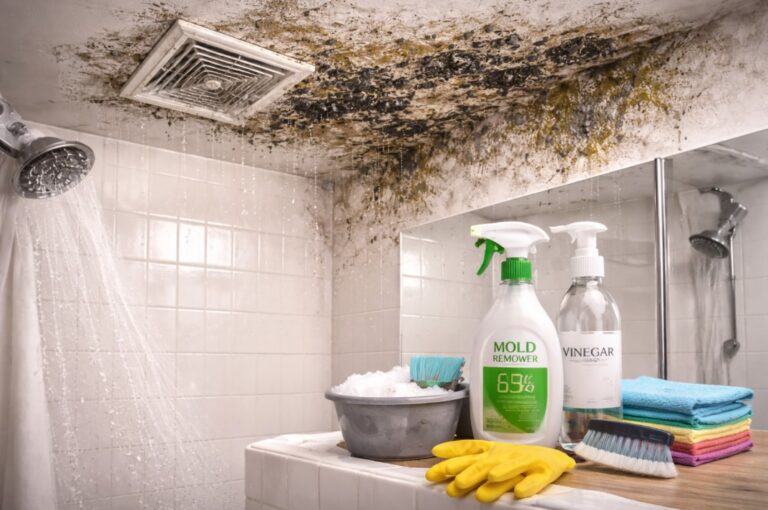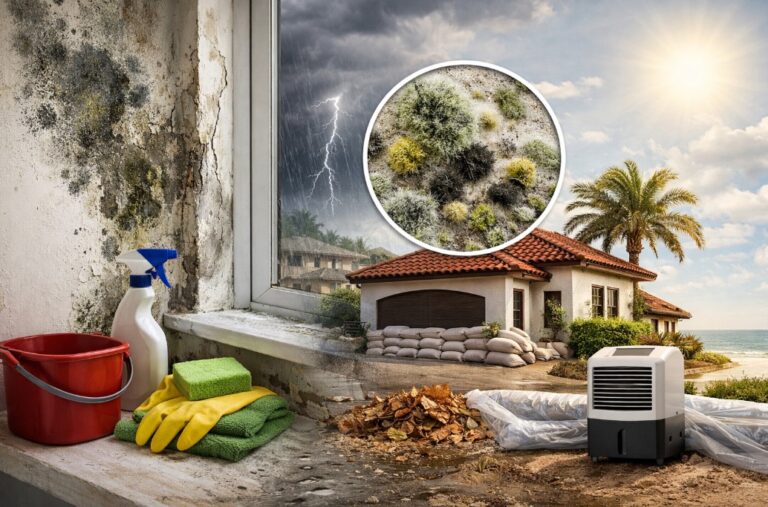
Mold can begin growing indoors within 24 to 48 hours after a water leak, flood, or high humidity event, and can start to visibly spread in as little as three days if moisture isn’t controlled.
For San Diego homeowners and renters, quick mold growth is a real concern, especially in older homes, coastal condos, or during damp seasons like June Gloom. Because our region often deals with marine layer moisture or lingering leaks, understanding how fast mold takes hold—and how to stop it at the source—can help protect your property, indoor air quality, and long-term health.
- Mold growth can start in 24–48 hours after moisture appears indoors.
- Visible mold spread often begins within 3–7 days if dampness persists.
- Mold thrives on drywall, wood, carpet, and insulation after leaks or floods.
- Stopping moisture is the only way to halt mold’s progress.
- San Diego’s coastal fog and marine layer can speed up indoor humidity.
- Early action in the first 24 hours is key to preventing widespread mold.
What Triggers Mold to Start Growing Indoors?
Indoor mold growth is triggered by moisture—mold spores are everywhere, but they only become a problem when water is present. In San Diego, you’ll see this most after plumbing leaks, roof drips during winter rains, or even when indoor humidity spikes from steamy showers or poor kitchen ventilation. That marine layer fog you notice during June Gloom? It can raise indoor humidity, especially in older homes or condos with drafty windows and doors.
Mold spores float around freely, but they need a damp surface to take hold. Once a pipe leaks or rainwater seeps in, those spores can activate quickly. The pattern I keep seeing in San Diego is that neglected window seals, older rooflines, and lack of air conditioning inland all make certain homes more vulnerable to condensation and surprise leaks.
If you want to prevent mold before it starts, your best bet is to inspect all water sources—pipes under the sink, rooflines after storms, and window sills during foggy weeks. If you spot any moisture, dry it right away. You’re most at risk for mold growth in the first 24 hours after a leak or spike in humidity, so acting fast is your best defense.
Mold Growth Timeline After a Leak or Flood
Mold development moves faster than most people realize, especially in San Diego’s mild, humid microclimates. Here’s what you can expect at each phase:
0–24 hours: Mold spores land on wet surfaces, but you won’t see or smell anything yet. This is your golden window to dry things out and stop mold before it starts. Open windows, run fans, and get a dehumidifier running if you have one.
24–48 hours: Mold begins to grow at a microscopic level. You might notice a faint musty odor, or subtle discoloration on drywall, carpet, or wood. Some people describe it as an “earthy” smell. This is when early colonies are forming, and the risk goes up if things stay damp.
3–7 days: Visible mold patches can start to show up. Growth accelerates, especially on porous materials like drywall, wood framing, and carpeting. What surprised me most is just how quickly a small leak under a sink can turn into a spreading black or green stain if left unchecked for a few days.
The checklist for this stage is simple: Dry and ventilate all wet materials within 24 hours of a leak, spill, or flood. Renters should document the issue (photos, notes) and notify the landlord immediately. Condo owners: check your HOA’s rules before making repairs, as shared walls or pipes may be covered by the association.
How Mold Spreads Through Homes and Condos
Once mold starts growing, it spreads by releasing microscopic spores into the air. These spores ride air currents and can travel from one room to another—sometimes even into neighboring condos if walls, ceilings, or HVAC systems are shared. In San Diego, condo residents often face unique risks since marine layer humidity can seep through common walls, and older buildings may have less effective moisture barriers.
If you only fix the visible spot but leave moisture behind, mold can keep spreading out of sight. For example, a bathroom leak might lead to mold in an adjacent bedroom closet or inside the wall cavity. And this is where it gets interesting: even if you clean up a small area, spores can linger and find another damp spot to colonize if humidity isn’t controlled.
To limit mold spread, use dehumidifiers and exhaust fans, especially in bathrooms and kitchens. After a leak, check common walls, baseboards, and under sinks for hidden moisture. If you live in a condo, pay special attention to shared walls and HVAC vents—moisture in one unit can become a problem for neighbors, too.
A quick safety note: DIY cleanup works for small, accessible spots, but if you see mold in multiple rooms or inside walls, or if anyone in your home is sensitive to mold, it’s best to call a professional.
DIY or Pro? When to Handle Mold Yourself—and When Not To
You might be tempted to tackle mold yourself—and sometimes that’s totally reasonable. If you spot a small patch (less than 10 square feet) on a hard, non-porous surface like tile or glass, you can clean it with detergent and water, dry the area thoroughly, and most importantly, fix whatever caused the moisture in the first place.
However, large patches, recurring mold, or signs of growth inside walls, under floors, or in HVAC vents mean it’s time to bring in a specialist. San Diego’s older homes and rental units often have hidden mold problems behind paint or inside wall cavities, where moisture from the marine layer or past leaks has lingered.
If you’re not sure where the moisture is coming from—or if you dry things out and mold keeps returning—schedule a professional moisture or mold assessment. This is especially critical for renters, who should document the issue and notify their landlord, and for condo owners, who need to check HOA guidelines before starting any repairs behind walls or in shared spaces.
Beyond the Patch—Preventing Future Mold in San Diego Homes
True mold prevention goes beyond scrubbing away visible spots. You have to focus on long-term moisture control. Fix leaks right away—whether it’s a roof drip during a January storm, a slow plumbing leak, or water pooling around windows after a foggy morning. The key is to keep indoor humidity below 60%. You can pick up a digital hygrometer for $10–$25 to monitor levels.
Ventilation is your friend: use exhaust fans in bathrooms, kitchens, and laundry areas. For coastal homes or condos, especially during June Gloom, consider running a dehumidifier to combat persistent marine layer dampness.
What I noticed is that most people forget to look under sinks, around window sills, and behind appliances. Set a monthly reminder to check these spots for dampness or musty smells—catching a small issue early is much easier than dealing with a full-blown patch of mold.
For condo owners: always check your HOA rules before making any structural repairs. Renters, don’t forget to keep records and notify your landlord if you notice leaks or dampness.
OFFICIAL GUIDANCE ON INDOOR MOLD GROWTH TIMELINES
According to the Centers for Disease Control and Prevention (CDC) and U.S. Environmental Protection Agency (EPA), mold can begin growing within 24–48 hours of water exposure. The key to controlling mold is to control moisture—drying all wet materials and areas within 24–48 hours is strongly recommended to prevent mold from taking hold. If you see visible mold on porous materials like drywall or insulation, EPA Mold Guidelines suggest these usually require professional removal. For humid climates like San Diego, the California Department of Public Health recommends using exhaust fans and dehumidifiers. Professional help is advised if you suspect hidden or widespread mold.
SOURCES NOTE
Sources include: U.S. Environmental Protection Agency (EPA), Centers for Disease Control and Prevention (CDC), and the California Department of Public Health. This article is for informational purposes only. For confirmed or severe mold problems, always consult a licensed mold or moisture specialist.
FAQ
How fast does mold grow after a water leak?
Mold can start growing in as little as 24 to 48 hours after a leak, especially if materials like drywall or carpet stay wet.Can mold spread in one day after a flood?
Mold growth typically requires at least 24 hours, but spores can begin colonizing damp surfaces quickly. Visible spread usually takes 3–7 days.What are the first signs of mold growth indoors?
Look for a musty or earthy odor, slight discoloration on walls or ceilings, or persistent dampness.How quickly does mold grow on drywall?
Drywall is especially vulnerable—mold may start growing within 24–48 hours after getting wet, with visible signs often appearing after three days.Is mold more common in San Diego coastal homes?
Yes, coastal homes are at higher risk due to persistent fog, marine layer moisture, and older building materials that can trap dampness.How long does it take for mold to become visible?
Mold can become visible within 3–7 days if moisture isn’t controlled.Can you stop mold growth if you dry it in 24 hours?
Yes, drying all wet materials within 24 hours is usually effective at preventing mold from taking hold.How does moisture from June Gloom affect mold in homes?
The marine layer and increased humidity during June Gloom can raise indoor moisture, especially in homes without good ventilation, increasing the risk of mold growth.
WHAT TO DO NEXT
- If you’ve had a leak or flood, act within 24 hours: dry all affected areas and check for hidden dampness.
- Not sure if you have mold or moisture problems? Contact a local San Diego moisture detection or remediation specialist.
- For ongoing protection, schedule a regular home moisture check—especially before and after coastal fog or rainy weather.