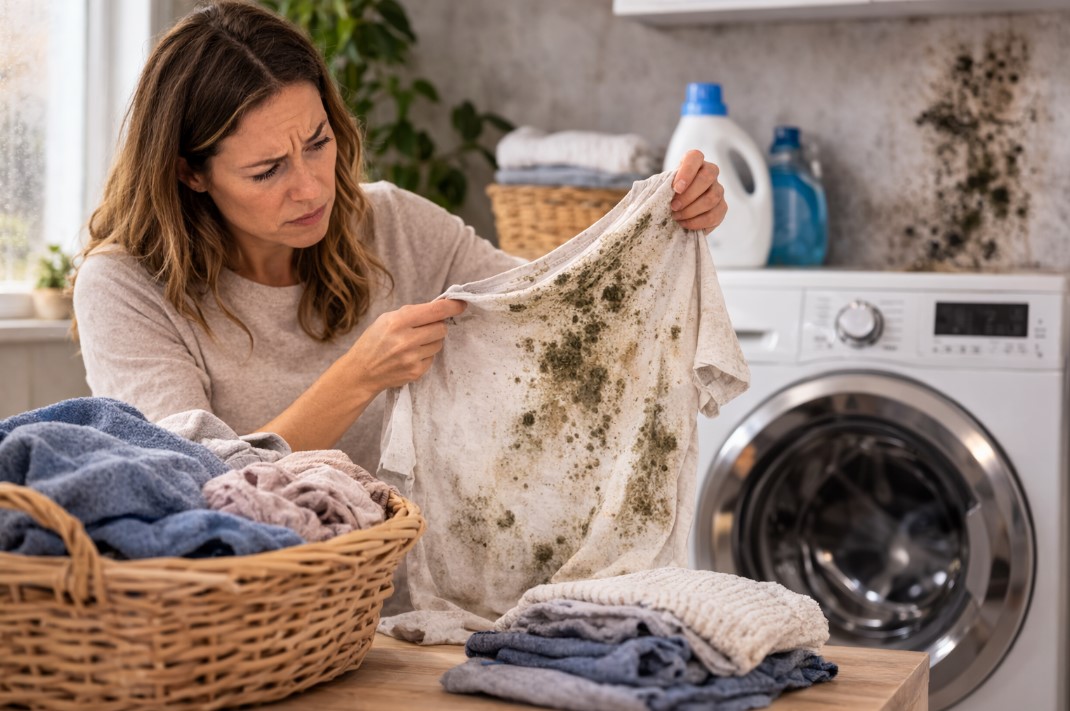
If your clothes have light mold growth, you can often save them with thorough cleaning, but items with severe or deep-set mold—especially after weeks of exposure—are usually better off discarded for safety.
Living in San Diego means facing unique moisture challenges, whether you’re near the coast, where fog and marine layers linger, or further inland, where older homes and condos often struggle with ventilation. Moldy clothes aren’t just a laundry hassle—they can signal hidden moisture troubles that affect your home’s air quality and even its structure. Knowing when to clean and when to toss moldy garments helps you protect both your health and your property.
- Light mold on washable clothes can often be removed with proper cleaning.
- Deep, black, or long-set mold growth may require discarding the item.
- Moldy smells usually mean moisture issues in your home—fix these first.
- For valuable or sentimental items, professional cleaning may help.
- Always wear gloves and a mask when handling moldy fabrics.
- If you have allergies or respiratory issues, err on the side of caution and discard.
How Mold Develops on Clothes in San Diego
Mold develops on clothes in San Diego primarily due to the region’s distinctive mix of coastal fog, marine layers, and inland humidity—these factors create ideal conditions for mold growth, especially in homes with poor airflow. You’ll notice that homes closer to the ocean often experience more persistent dampness, particularly during the notorious June Gloom season. Inland, high temperatures and older buildings with inadequate ventilation can also encourage moisture buildup.
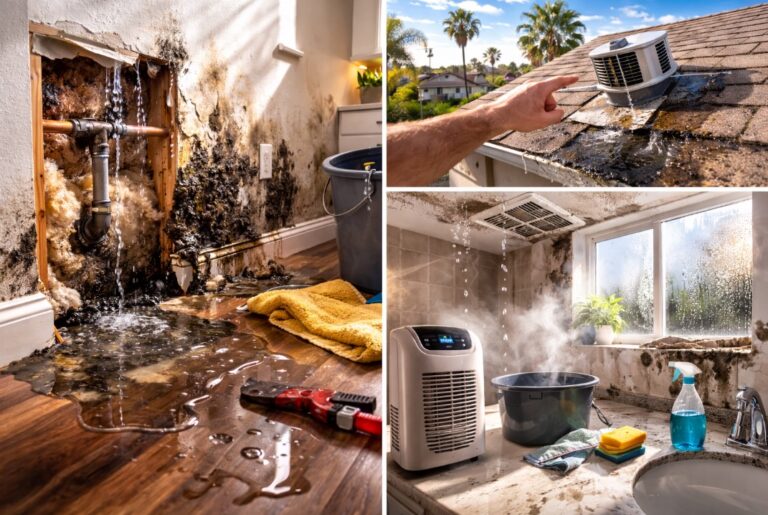
What surprised me most is how easily everyday habits contribute to the problem. Leaving wet laundry in the washing machine or tossed in a hamper, forgetting clothes in a damp garage, or storing wardrobes near leaky pipes—all of these situations provide just enough moisture for mold to take hold. If you have a condo or rental, pay special attention to shared walls and plumbing; leaks or condensation can stay hidden and spread moisture to areas you might not expect.
Mold on your clothing is actually a symptom—the real culprit is excess moisture. So, while scrubbing affected clothes is important, you’ll also need to hunt for any hidden leaks or ventilation issues. If you spot mold on fabrics, take a moment to check for damp spots or water stains nearby. Addressing these root causes is your best defense for the future.
☑️ Check for hidden leaks or damp spots near where moldy clothes were found.
Can You Save Moldy Clothes? (What Actually Works)
You can often save moldy clothes if the growth is light and caught early—especially on machine-washable fabrics. In San Diego, you might be tempted to hang clothes outside to dry, but coastal fog and June Gloom can actually slow down drying and foster more mold, so choose your drying days wisely.
The pattern I keep seeing is that surface mold can usually be removed with a mix of hot water, detergent, and boosters like white vinegar, borax, or specialized mold-cleaning products (always check care labels before using anything harsh). Run the hottest wash cycle safe for the fabric, and don’t forget to dry clothes completely—sunlight helps, but only when the air is genuinely dry.
However, some stains and odors just don’t budge. If clothes still smell musty or show discoloration after washing, that’s a sign the mold has penetrated deeper, especially with natural fibers like cotton or wool. Synthetic fabrics may resist mold a bit better, but they’re not immune.
For valuable or sentimental items, professional textile cleaners may offer hope, but results can vary. Just remember, San Diego’s variable humidity means you’ll need to dry everything thoroughly—outdoors when it’s sunny and dry, or indoors with fans or a dehumidifier.
☑️ Wash affected items promptly and dry completely in sunlight or a well-ventilated area.
When to Toss Moldy Clothing (Keeping Health First)
You should throw out moldy clothing if the mold covers more than 20% of the fabric, is black or green, or if it’s been sitting for over 48 hours—especially in San Diego’s humid coastal zones where mold can grow fast and deep. If your clothes were soaked during a plumbing leak or flood, particularly with dirty water, it’s safest to discard them.
And this is where it gets interesting: even if an item is valuable or sentimental, sometimes professional textile restoration is the only way to safely salvage it. But for most everyday clothing, the risk of lingering spores or stains isn’t worth it—especially if you or your family have allergies, asthma, or compromised immunity. Children and seniors are especially sensitive to airborne mold, and lingering spores in fabric can trigger reactions.
One non-negotiable: never try to clean moldy clothing that’s been exposed to sewage or major water leaks—per CDC guidelines, these items can harbor dangerous contaminants.
If you’re a renter, document the issue with photos and alert your landlord right away—this could indicate a bigger moisture or leak problem that needs to be addressed.
☑️ Bag and safely discard unsalvageable clothing to avoid spreading spores.
Preventing Moldy Clothes in San Diego Homes
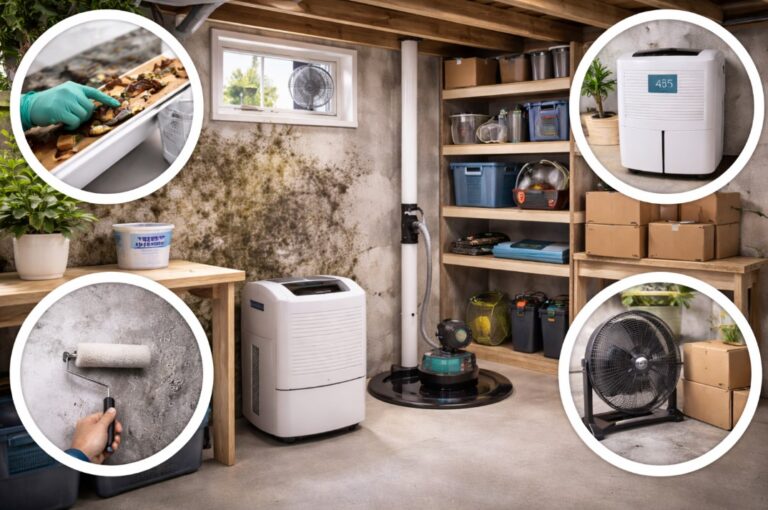
To keep mold at bay in San Diego homes, you’ll need to stay ahead of the region’s moisture quirks—coastal fog, marine layers, and even the heat waves that hit inland neighborhoods. Start by always using exhaust fans in laundry areas and bathrooms. If your home or condo is older, or if you share plumbing with neighbors, be especially vigilant; moisture can build up where you least expect it.
Never leave wet laundry in the washing machine or the hamper—even a few hours can give mold a head start. Store clothes in dry, ventilated closets. For condos or apartments, check with your HOA before making any changes to your building’s HVAC or ventilation systems.
If you spot condensation on windows or walls, act quickly: open a window, run a fan, or use a dehumidifier. Inland areas of San Diego may get humid during heat waves, so a small dehumidifier (costing $50–$200) can be a wise investment for laundry or storage spaces.
Address leaks or drips immediately. Over time, even small plumbing problems can cause big mold issues. And don’t forget, regular inspections are key: take a few minutes each month to check laundry and storage areas for any signs of dampness or mold.
☑️ Inspect laundry and storage areas monthly for signs of dampness or mold.
DIY vs Professional Help for Moldy Clothes
You can safely tackle light, recent mold on clothes at home—provided you have no underlying health conditions and the growth hasn’t spread extensively. Use gloves and a mask, and work in a well-ventilated space. But if you keep battling moldy clothes, or if you notice persistent musty odors in closets, walls, or carpets, it’s time to consult a mold inspection specialist. Persistent mold may indicate a structural moisture issue that cleaning alone won’t fix.
Some dry cleaners in San Diego offer mold remediation for textiles. Results can vary depending on the type of fabric and how long the mold has been present, so don’t expect miracles for deeply stained or musty-smelling clothing. Always ask about their experience with moldy items before handing over anything valuable.
If you’re a condo owner, check your HOA’s guidelines before hiring any outside service for major remediation work. Renters should document the problem and notify their landlord in writing.
☑️ If in doubt, or if health symptoms appear, contact a local mold remediation expert.
Official Guidance on Moldy Clothing (EPA/CDC Best Practices)
- Remove and clean moldy clothing as soon as possible to prevent health risks (CDC).
- Wash contaminated textiles with hot water and detergent; dry thoroughly (EPA).
- Discard items that cannot be cleaned or that remain moldy after washing (CDC).
- Wear gloves, goggles, and an N95 respirator when handling moldy fabrics (CDC).
- Address underlying moisture or ventilation problems to prevent mold return (EPA).
- Do not attempt to clean moldy items exposed to sewage or contaminated water (CDC).
Sources Note
Organizations used:
– Centers for Disease Control and Prevention (CDC)
– Environmental Protection Agency (EPA)
– California Department of Public Health (CDPH)
This article is for informational purposes only. For severe mold problems or persistent health symptoms, consult a qualified specialist.
FAQ
1. Can you wash mold out of clothes or is it unsafe?
You can often wash light mold out of clothes using hot water, detergent, and either vinegar or borax. If the mold is heavy, black, or deeply embedded, it’s safer to discard the item.
2. What kills mold on clothes best: vinegar, bleach, or borax?
Vinegar and borax are both effective at killing surface mold. Bleach can work on whites, but it may damage colored fabrics. Always follow clothing care instructions and rinse thoroughly.
3. How do I keep clothes from getting moldy in San Diego’s coastal fog?
Dry clothes quickly after washing, use exhaust fans, and keep closets ventilated. A dehumidifier can help during especially damp periods.
4. Is it OK to wear clothes that had mold after washing?
If all stains and odors are gone after thorough washing and drying, it’s generally safe. If you have allergies or respiratory issues, consider discarding or consulting a professional.
5. How fast does mold grow on damp laundry?
Mold can start growing on wet clothes within 24–48 hours in humid conditions, which are common in parts of San Diego.
6. What’s the safest way to throw out moldy clothing?
Seal moldy items in a plastic bag before disposing to prevent spores from spreading indoors.
7. Can dry cleaners remove mold from clothes?
Some dry cleaners offer mold removal for textiles, but results depend on fabric type and how long the mold has been present. Ask about their experience with moldy garments.
8. Why do my clothes smell musty even after washing?
Musty smells often mean mold is still present, or the moisture problem hasn’t been fixed. Rewash and dry thoroughly; address any sources of dampness in your home.
Ready to Take Action?
- Inspect your laundry and storage areas for hidden moisture or leaks.
- If you notice recurring mold or musty smells, schedule a professional moisture assessment.
- Take steps now to improve home ventilation and prevent future moldy laundry.