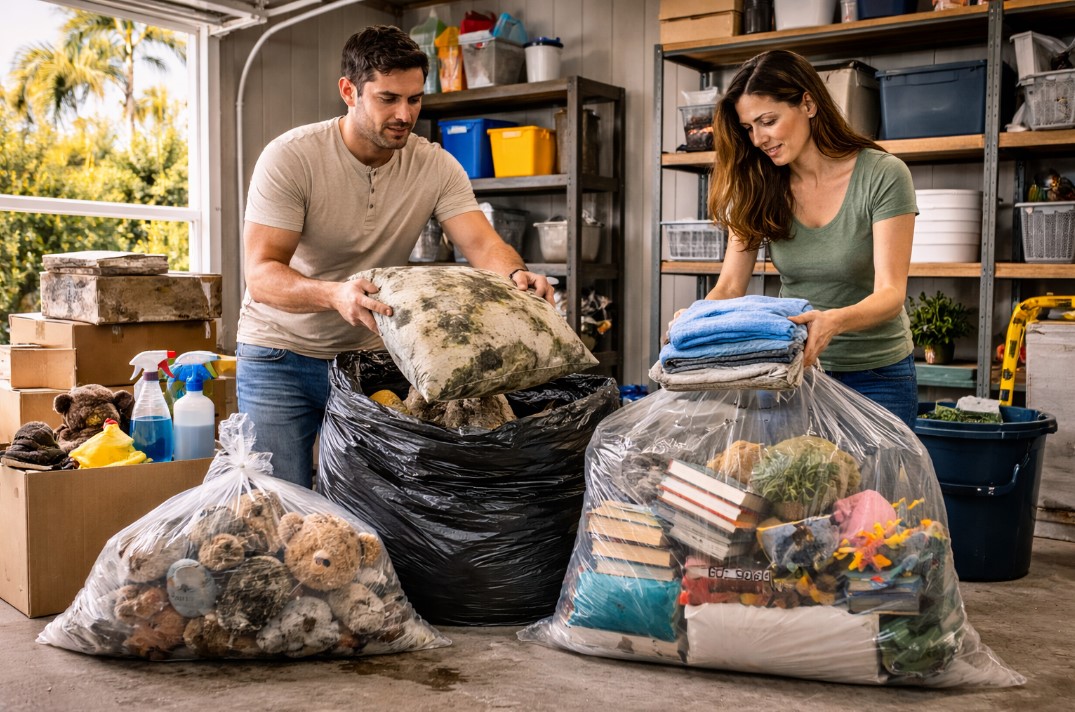
What Items to Keep or Toss After Mold: Safe Cleanup Decisions
After mold exposure, you’ll usually need to toss porous items like carpets, mattresses, and ceiling tiles, but you can often clean and keep hard, non-porous surfaces—if you’ve fixed the moisture problem first. In San Diego, where coastal fog and marine layer moisture routinely sneak into homes (especially older ones), making the right keep-or-toss call is crucial for both your wallet and your well-being. Whether you’re renting a North Park apartment, managing a Mission Valley condo, or caring for an older Point Loma home, handling moldy belongings with care protects not only your health but also your future mold risk.
Quick Answer: What Items to Keep or Toss After Mold
- Porous items (carpet, drywall, ceiling tiles) with visible mold: usually discard.
- Hard, washable surfaces (metal, glass, some plastics): clean and keep if fully dried.
- Upholstered furniture: toss if moldy, especially if odor lingers after cleaning.
- Clothing and linens: keep only if washable in hot water with detergent; toss if stains or smells persist.
- Paper, books, and cardboard: discard if moldy or warped.
- Electronics: keep only if mold hasn’t entered internal components and item is fully dry.
How Mold Spreads in Your Home—and Why Moisture Comes First
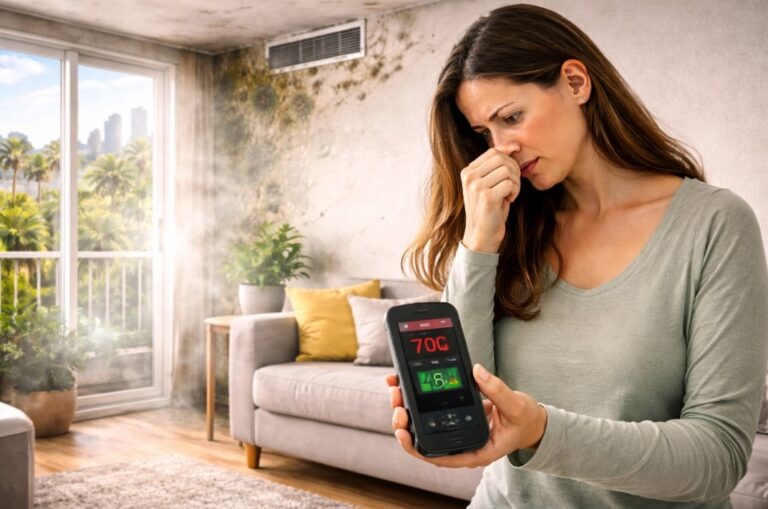
Mold spores are everywhere, but they only become a problem in your San Diego home when excess moisture creates the right conditions for growth. With our signature coastal fog, “June Gloom,” and the occasional surprise leak in older properties, you’ll find that dampness is really the root of the issue. If you live in a condo, you might see condensation near windows or HVAC units—especially during those foggy mornings. The pattern I keep seeing is that tackling the source of moisture is your first and most important step, long before you start sorting through what to keep or toss.
San Diego’s mix of climates means you could have a dry, inland house battling leaks after a rare rainstorm, or a beachside rental where salt air and condensation create a persistent battle against dampness. No matter the zip code, mold won’t grow unless water is present. That’s why every effective mold cleanup starts with a thorough search for leaks, drips, or humid spots—think under sinks, near windows, or around AC units.
Checklist:
– Identify and fix any leaks or sources of excess dampness before cleaning or discarding items.
Safety note:
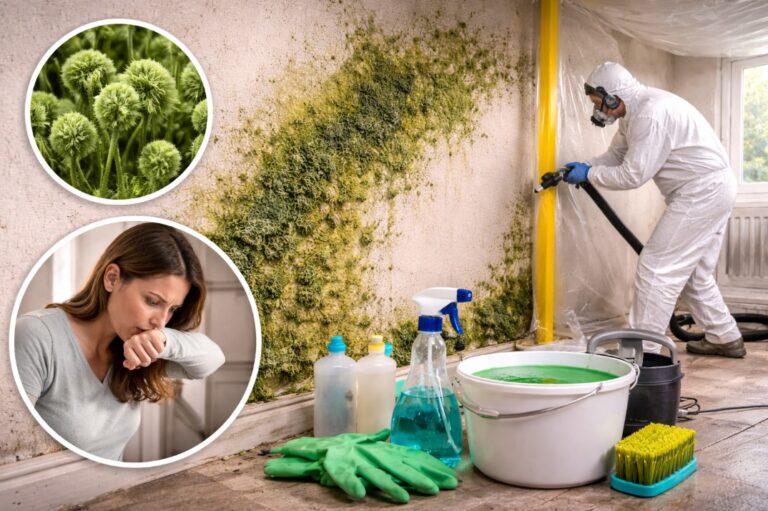
Always use personal protective equipment (PPE)—like gloves, an N95 mask, and goggles—when you’re handling moldy materials. Mold spores can spread easily, and you don’t want to breathe them in or get them on your skin.
What to Toss: Items That Can’t Be Safely Cleaned
When you’re deciding what to throw away after mold exposure, porous and absorbent items should be at the top of your discard list. Things like insulation, unsealed wood, and anything made of paper trap mold deep inside, making it nearly impossible to fully clean them. If you notice heavy mold growth, a musty odor that lingers after cleaning, or obvious water damage, it’s time to let those items go.
San Diego’s persistent humidity, especially in coastal and fog-prone neighborhoods, means even “minor” mold can stick around in soft items longer than you’d expect. Upholstered furniture, carpets, ceiling tiles, and mattresses are notorious for holding onto moisture and spores. And this is where it gets interesting: even if an item looks mostly clean after a surface wipe, the interior could still be harboring hidden mold.
Checklist:
– Bag and remove any porous material with visible mold or lingering odor within 24–48 hours.
Timeline:
Try to get rid of contaminated items within 24–48 hours. This helps prevent mold from spreading further or releasing more spores into your home.
What’s Worth Saving: Cleaning and Keeping Mold-Exposed Items
Good news: not everything needs to go. Non-porous items like glass, sealed tile, and metal can usually be cleaned and fully salvaged after mold exposure, as long as you dry them thoroughly. For semi-porous items—such as finished wood or certain plastics—there’s a chance you can save them if the mold hasn’t penetrated below the surface.
San Diego’s marine layer means you’ll want to focus on quick drying. After cleaning with soap and water, set up fans or a dehumidifier to speed up the process, especially in foggy or humid weather. What surprised me most when I started helping friends with their own mold cleanup was how much difference a few hours of extra drying can make. Make sure everything is bone dry before putting it back in place.
Checklist:
– Clean non-porous items with soap and water, then fully dry in a well-ventilated area.
DIY vs Pro:
If you have valuable or sentimental items—like a special piece of furniture or a cherished keepsake—it might be worth getting a professional cleaning or restoration service involved. Sometimes, a pro can save what you can’t.
Special Cases: Electronics, Heirlooms, and Sentimental Belongings
When it comes to electronics and keepsakes, each case is a little different. For electronics that haven’t been water-damaged and only show minor surface mold, you can often wipe them down (unplugged, of course) with a damp cloth and a mild cleaner, then let them dry completely. But if mold has gotten inside vents or circuitry, or if the item feels damp to the touch, consult a professional before plugging it back in.
Photos, books, and artwork are tricky. Light surface mold may be removed using special cleaning products (and a gentle touch), but if pages are warped or the item smells strongly of mold, it’s usually safest to let go. In San Diego, you’ll find several restoration specialists who can assess antiques, family heirlooms, and large electronics—these experts have tools and treatments that aren’t available for home use.
Checklist:
– Set aside valuable items for assessment by a restoration professional before deciding to discard.
DIY vs Pro:
If you’re not sure whether something can be saved—or if it’s irreplaceable—err on the side of caution and ask an expert. It’s better to invest in an assessment than risk further damage or health concerns.
What to Do After Sorting: Safe Disposal and Preventing Future Mold
Once you’ve sorted your belongings, it’s time to dispose of moldy items safely and take steps to prevent mold from coming back. Always bag contaminated materials in plastic before tossing them out—this keeps spores from spreading through your home or building. Clean the surrounding area thoroughly, and run a dehumidifier or open windows to air out the space.
If you live on the coast, managing lingering humidity is key. If you’re farther inland, watch for leaks or sudden humidity spikes after storms. Always dispose of contaminated materials according to San Diego County’s local guidelines; some materials may require special handling or drop-off locations.
Checklist:
– Dispose of contaminated materials per local guidelines, then ventilate and monitor humidity.
Timeline:
Try to finish disposal and initial cleaning within 24 hours of sorting your items. This quick action helps break the mold cycle and keeps your home healthier.
Official Guidance: EPA, CDC, and Local Authority Recommendations
The U.S. Environmental Protection Agency (EPA Mold Guidelines) and Centers for Disease Control and Prevention (CDC Mold Cleanup) both recommend discarding all porous items with visible mold growth. Hard, non-porous surfaces can usually be cleaned with detergent and water, according to the CDC. Both agencies stress the importance of fixing all sources of moisture before starting mold cleanup.
For your own safety, the CDC recommends wearing gloves, an N95 mask, and goggles when dealing with moldy items. The EPA also advises against attempting major mold cleanup (over 10 square feet) without professional help. If you’re in San Diego, check with the County’s Department of Environmental Health for the latest guidance on disposing of mold-contaminated items properly.
Sources Note
Organizations Used:
1. U.S. Environmental Protection Agency (EPA)
2. Centers for Disease Control and Prevention (CDC)
3. San Diego County Department of Environmental Health
This content is for informational purposes only. Always consult a certified remediation specialist for confirmed mold problems or large-scale contamination.
FAQ
1. What items should be thrown away after mold exposure?
You should throw away porous items like carpets, upholstered furniture, insulation, ceiling tiles, and paper products if they show visible mold or have a musty odor that won’t dissipate.
2. Can you keep clothes that had mold on them?
You can keep clothes if they’re washable in hot water with detergent and show no remaining stains or odors. If mold persists after washing, it’s safer to toss them.
3. Is it safe to clean and reuse moldy furniture?
Hard-surface furniture (like sealed wood or metal) can often be cleaned and reused if fully dried. Upholstered or porous furniture with deep mold or lingering odor should be discarded.
4. How do I tell if a keepsake or heirloom is too moldy to save?
If the item has deep-set mold, significant warping, or an odor you can’t remove, it’s usually not salvageable. For high-value or sentimental items, consult a restoration specialist.
5. Should I toss electronics that were in a moldy room?
You can keep electronics if there’s no visible mold inside and they’re fully dry. If you see mold inside vents or suspect water damage, have a professional assess them.
6. How do I dispose of moldy items in San Diego?
Bag moldy items in plastic and check with San Diego County for local disposal guidelines—some materials may require special handling or drop-off.
7. Can you clean mold off books or paper?
Minor surface mold can sometimes be gently cleaned, but if the paper is warped, stained, or smells strongly of mold, it’s typically best to discard.
8. What’s the risk of keeping items after mold if the moisture problem isn’t fixed?
If you don’t address the underlying moisture, mold will likely return—even on items you’ve cleaned. Fixing leaks and controlling humidity are essential for safe mold cleanup.
Take Action
- Schedule a moisture inspection if you suspect leaks or lingering dampness in your San Diego home.
- Contact a certified mold remediation professional for a personalized assessment before discarding valuables.
- Download local waste disposal guidelines to safely get rid of mold-contaminated materials.