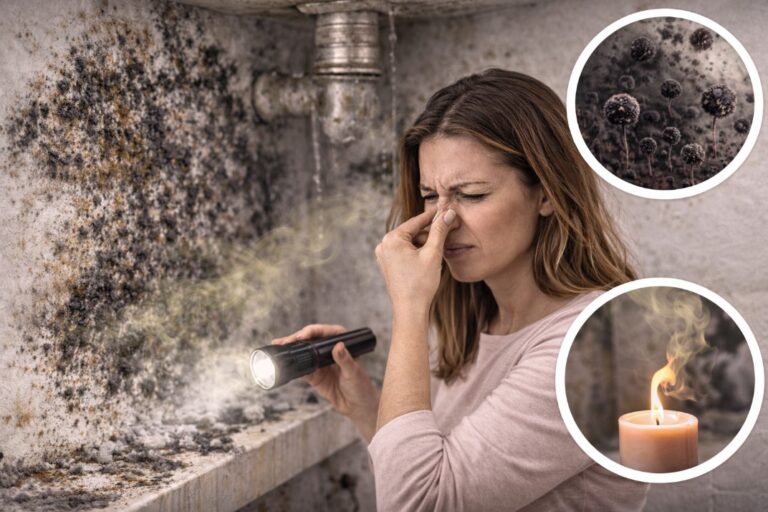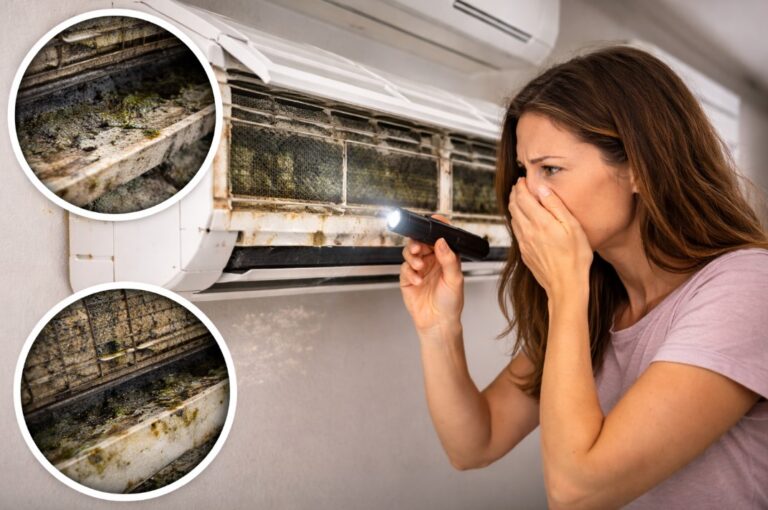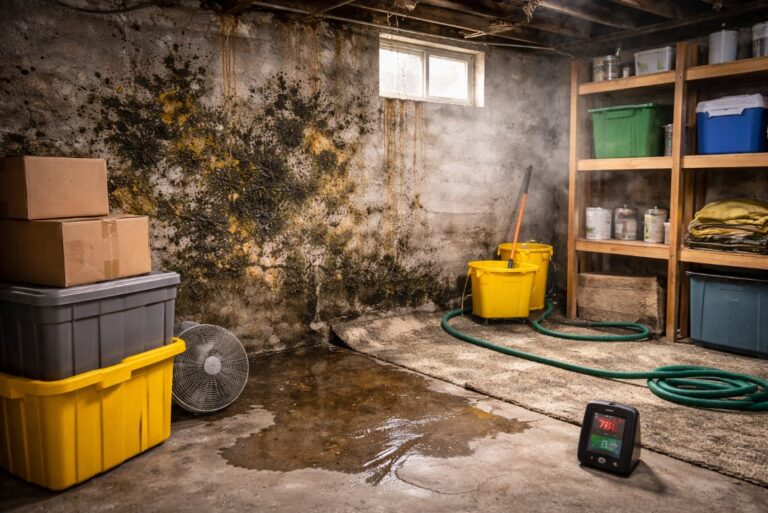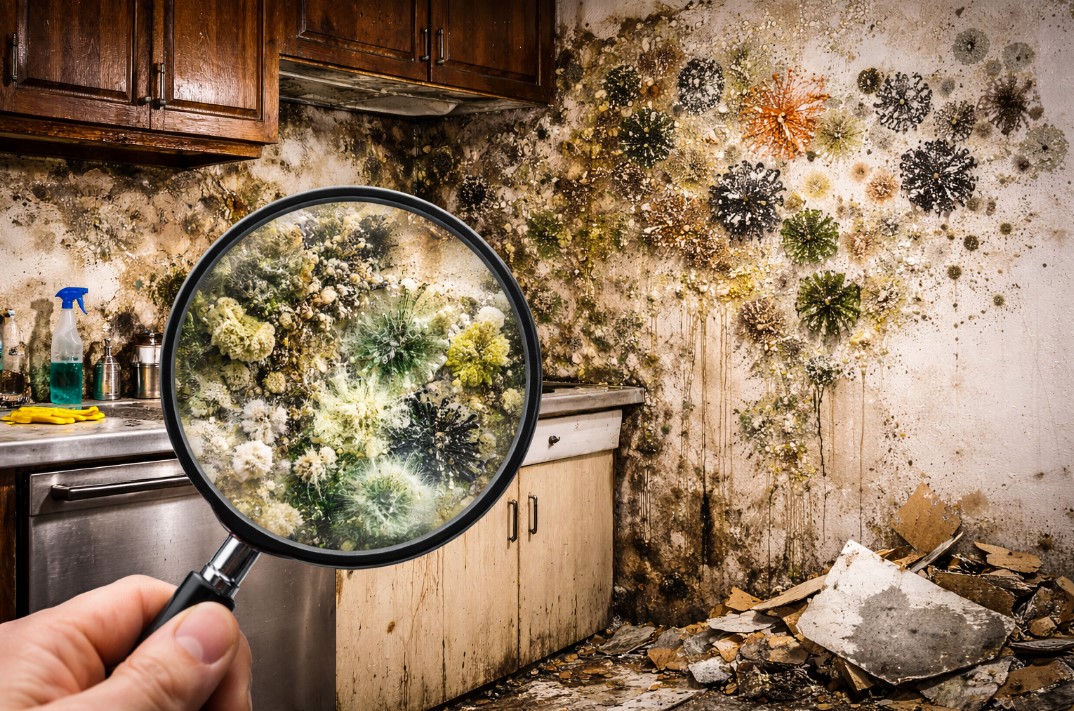
Several types of mold can grow inside your San Diego home, including black mold (Stachybotrys), Aspergillus, Penicillium, and others. Each has its own appearance and health risks, but they all signal one thing: unwanted moisture is present.
San Diego’s mild climate is a double-edged sword for homeowners. While the ocean breezes and marine layer keep things comfortable, they also bring steady humidity—especially for those along the coast or in older houses where windows and roofs aren’t airtight. Even inland, summer heat can drive up indoor humidity, and that’s before factoring in hidden plumbing leaks or the quirks of old ventilation systems. Whether you own a Mission Hills bungalow, a beachside condo, or rent in a mid-century apartment, understanding the types of mold in your house is key to protecting both your property and your health.
Common Household Molds in San Diego: Quick Answer
- Common household molds in San Diego include: Stachybotrys (black mold), Aspergillus, Penicillium, Cladosporium, Alternaria, Fusarium, and Rhizopus.
- Mold growth always indicates excess moisture from leaks, poor ventilation, or humidity.
- Health risks range from allergies and asthma to more serious respiratory issues.
- Coastal fog and marine layers increase indoor humidity, raising mold risk in coastal areas.
- Mold can appear as black, green, white, or blue-gray spots, often with a musty odor.
- Addressing the moisture source is the only way to stop mold from returning.
Why Mold Grows in San Diego Homes
Mold thrives in San Diego homes because the local climate creates perfect conditions for moisture to linger, whether that’s from coastal fog, marine layers, or the famous “June Gloom.” Many homes in this region—especially older ones and condos—have ventilation challenges that make it easy for moisture to build up unnoticed. Bathrooms, kitchens, and window sills are common trouble spots, as are any places where plumbing or roofing materials are showing their age.
The pattern I keep seeing is that mold rarely appears out of nowhere. There’s almost always a water drip behind the wall, a poorly sealed window, or a slow leak under the sink. Even something as simple as condensation on windows during a cool, foggy morning can start the process. In inland areas, a hot summer can cause residents to keep windows shut and air conditioners running, trapping humidity inside.
Mold is a symptom of a bigger problem: excess moisture. To keep mold at bay, it’s essential to find and fix the underlying issue.
Actionable checklist for San Diego homes:
– After heavy fog, rain, or a humid spell, inspect bathrooms, under sinks, and around windows for dampness or leaks.
– Check ceilings and walls after roof leaks or plumbing repairs.
– Dry any wet areas or materials within 24 hours—mold can start to grow within 24 to 48 hours of a leak.
Identifying 7 Common Types of Household Mold
The most common types of mold in your house tend to look different, but all exploit a San Diego home’s weak points—especially where there’s hidden moisture.
Stachybotrys (Black Mold): This greenish-black, slimy mold is infamous for growing on water-saturated drywall, wood, and ceiling tiles. It’s most often found where there’s been a chronic leak—think an old pipe behind the wall or a roof that drips every rainy season.
Aspergillus: Recognizable by its powdery texture and white, green, or yellow colors, Aspergillus thrives in dusty spots, air ducts, and sometimes on old food. HVAC systems in San Diego homes, especially those not regularly maintained, can be a hotspot.
Penicillium: Often blue-green and fuzzy, this mold loves water-damaged materials. It’s particularly common in homes near the coast, where high humidity and salt air keep surfaces damp.
Cladosporium: Olive-green, brown, or black, Cladosporium often shows up on window sills, walls, and in bathrooms. It can grow in cooler environments, making it a frequent visitor to shaded or north-facing rooms.
Alternaria: Dark and velvety, Alternaria is usually found in showers, under sinks, and areas with frequent water exposure. Its rapid spread means it can cover tiles and grout in no time.
Fusarium: This pink or reddish mold likes cold, damp spots such as refrigerator door seals, windowsills, or even basement corners. It can survive lower temperatures, setting it apart from many other varieties.
Rhizopus: Fast-growing and white-gray with black dots, Rhizopus is the classic bread mold, but it also appears on decaying plants and compost piles—sometimes even in trash bins or forgotten food in the pantry.
What surprised me most is how often mold turns up in HVAC systems and along window sills in San Diego, thanks to the city’s mix of salty air and humidity. Regularly checking these areas can catch mold before it spreads.
Actionable checklist for mold identification:
– Look for black, green, blue, or reddish spots in bathrooms, kitchens, and around windows, especially after humid weather.
– Sniff for musty odors near vents, windows, and under sinks.
– Inspect HVAC air intakes and ducts for powdery or fuzzy growth, particularly if you notice dust or unusual smells.
Health Risks Linked to Indoor Mold Exposure
Exposure to different types of mold in your house may be linked to a range of health problems, especially for those already sensitive to allergens. In San Diego, these issues can flare up during the damp “June Gloom” period or after days of coastal fog.
Common symptoms include sneezing, runny nose, itchy eyes, and even skin rashes. People with asthma may notice more frequent or severe attacks, while others can experience persistent sinus infections, headaches, or unexplained fatigue. Children, the elderly, and anyone with a weakened immune system are at particular risk.
And this is where it gets interesting: many homeowners don’t connect lingering headaches or tiredness to hidden mold and moisture issues. It’s easy to write off these symptoms as stress or allergies—until you realize they improve when you spend time away from home. If symptoms consistently get better when you’re out, that’s a red flag.
Actionable checklist for health protection:
– Pay attention to whether allergy-like symptoms, headaches, or fatigue improve when away from home.
– If you notice a pattern, schedule a professional inspection to check for hidden moisture or mold.
– Serious or persistent health symptoms always warrant a visit to a healthcare provider.
What To Do If You Find Mold: Immediate Steps
If you spot mold in your San Diego home, act quickly—your first priority is always stopping the moisture source. Shut off the water supply if you suspect a leak, and repair or seal any obvious drips or condensation areas. Improving ventilation by opening windows or running exhaust fans can help dry out damp spots.
For small patches (less than 10 square feet), you can try cleaning it yourself, but only with proper safety gear: an N95 mask, gloves, and eye protection. Use cleaning products suitable for the surface—avoid bleach on porous materials like drywall, as it doesn’t penetrate deeply enough to kill all mold roots. Never paint over mold, as this only hides the problem and lets it come back stronger.
Larger areas, recurring mold, or any suspicion of toxic varieties (such as Stachybotrys) should be handled by a licensed mold remediation professional. Condo owners should check with their HOA before starting any work, and renters should document the issue and notify their landlord right away.
Here’s what I noticed: many homeowners rush to clean up visible mold without first fixing the leak or moisture source—leading to repeat problems.
Actionable checklist for immediate response:
– Take photos of visible mold and any water damage.
– Shut off water to affected areas if a leak is suspected.
– Increase ventilation to help dry out damp spots.
– For small, isolated patches, clean with proper PPE; for larger or repeated growth, contact a professional.
Preventing Mold Long-Term: Focus on Moisture Control
Preventing the most common types of mold in your house is all about moisture control. Regular inspections in high-risk areas—bathrooms, kitchens, laundry rooms—make a big difference. Don’t forget hidden spots like under sinks, behind washing machines, and inside HVAC closets.
Dehumidifiers are a smart investment for coastal homes or during humid weather. They can cost anywhere from $50 for a small unit to over $250 for high-capacity models. Make sure exhaust fans vent outdoors (not into an attic or crawlspace), and keep gutters clear to avoid roof leaks. Sealing windows and repairing any cracked caulking also helps prevent condensation.
If you rent, California law requires landlords to address mold and moisture issues. Document leaks or ventilation problems and notify your landlord as soon as you notice them. For condo owners, check your HOA’s rules before making any repairs or modifications.
What surprised me most is how often recurring mold issues are traced back to a single, unresolved moisture problem—especially in San Diego’s coastal homes.
Actionable checklist for long-term mold prevention:
– Set a monthly reminder to check under sinks, around windows, and inside HVAC systems for dampness or visible mold.
– Use a hygrometer (usually $10–$30) to monitor indoor humidity; aim to keep it below 60%.
– Clean and maintain exhaust fans, and confirm they vent outside.
– Report or repair leaks immediately, and don’t ignore condensation.
Official Recommendations on Mold in Homes
The EPA Mold Guidelines recommend fixing leaks and drying water-damaged areas within 24–48 hours to prevent mold growth. The CDC advises homeowners to remove visible mold and replace porous materials, like drywall or carpet, that can’t be thoroughly cleaned. Both organizations stress the importance of reducing indoor moisture by using exhaust fans or opening windows in kitchens and bathrooms.
If you plan to clean mold yourself, the CDC recommends wearing an N95 respirator, gloves, and goggles for safety. Large infestations, or any case involving health symptoms, should be handled by a professional with experience in mold remediation. For more guidance, the California Department of Public Health provides additional resources tailored to California residents.
Sources Note
Information in this article was sourced from the U.S. Environmental Protection Agency (EPA), Centers for Disease Control and Prevention (CDC), and California Department of Public Health.
This content is for informational purposes only; always consult a qualified specialist for confirmed mold or moisture problems.
FAQ
What are the most common types of mold found in San Diego homes?
The most common include Stachybotrys (black mold), Aspergillus, Penicillium, Cladosporium, Alternaria, Fusarium, and Rhizopus.
How can I tell if mold in my house is dangerous?
While all mold should be addressed, black mold (Stachybotrys) and large or hidden patches may pose higher risks. Musty odors, visible growth, or recurring symptoms suggest a problem.
Why does mold keep coming back, even after I clean it?
Recurring mold is almost always due to unresolved moisture—such as a hidden leak, poor ventilation, or condensation.
What health problems can indoor mold cause?
Health risks range from allergies and asthma to headaches, fatigue, and respiratory issues, especially in sensitive individuals.
How quickly does mold grow after a leak or flood?
Mold can start growing within 24 to 48 hours on wet materials.
Can I remove household mold myself, or do I need a professional?
Small patches (under 10 sq ft) can be cleaned safely with proper gear, but larger or persistent problems require professional help.
What are signs of hidden mold in walls or ceilings?
Look for musty odors, discoloration, bubbling paint, or unexplained health symptoms that improve when you leave the house.
Does the coastal climate in San Diego increase the risk of indoor mold?
Yes, coastal fog and marine layers create higher humidity, raising the risk of mold growth in homes near the ocean.
How do I prevent mold in my rental apartment?
Report leaks or ventilation issues to your landlord, keep humidity low, and check for new mold growth regularly.
Take the Next Step
- Schedule a professional moisture and leak inspection if you notice recurring mold or musty odors.
- Take immediate steps to fix leaks and improve ventilation in identified problem areas.
- If you’re unsure about the type or extent of mold in your home, consult a licensed mold remediation expert.