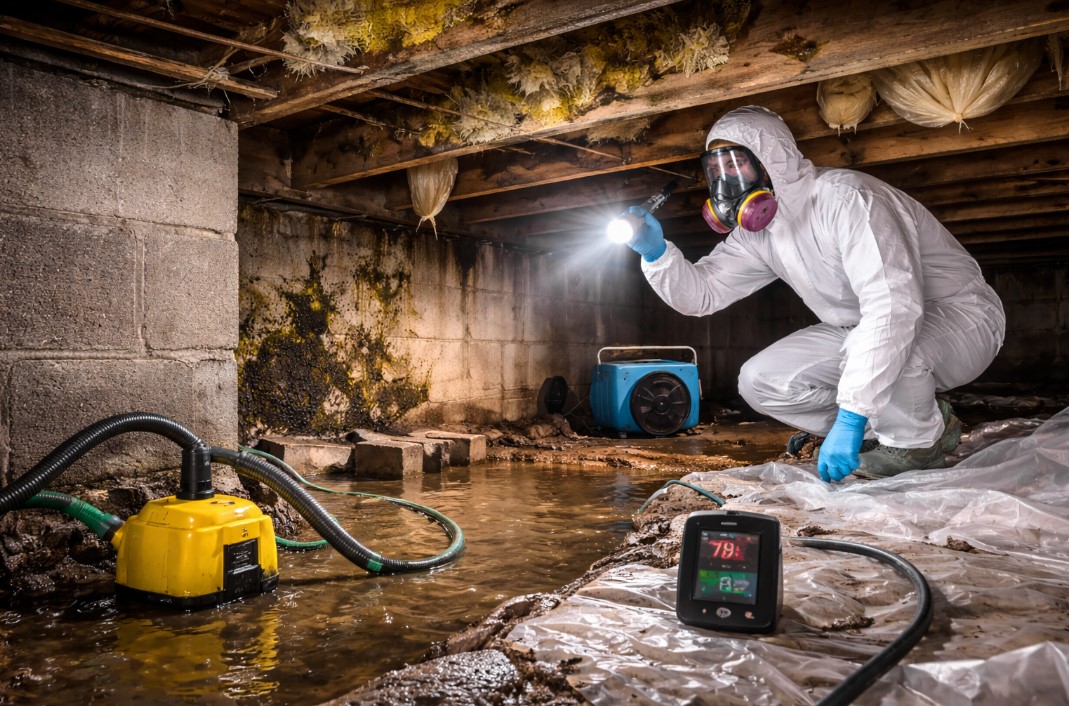
Why Does Mold Grow In Crawlspaces? Causes, Health Risks & Solutions
Mold grows in crawlspaces because moisture accumulates from leaks, poor ventilation, and ground humidity, creating the perfect environment for mold to thrive.
If you own a San Diego home—whether it’s a breezy Craftsman in Point Loma or a sleek condo near Mission Valley—you’ve probably noticed how the coastal fog, June Gloom, and dry inland heat can make moisture management tricky. Crawlspace mold isn’t just an eyesore; it’s a warning sign that something’s wrong beneath your feet. Left unchecked, moisture and mold can eat away at your property value and quietly affect your family’s well-being. Staying on top of crawlspace conditions is a must in a climate as varied as San Diego’s.
Quick Answer
- Crawlspace mold is caused by excess moisture—from leaks, high humidity, or poor drainage.
- San Diego homes are especially at risk due to coastal fog, marine layer, and seasonal humidity.
- Common sources of crawlspace moisture include plumbing leaks, rainwater intrusion, and unsealed soil.
- Poor ventilation allows damp air to linger, fueling mold growth.
- Mold in crawlspaces can trigger allergies, asthma, and structural damage.
- Effective solutions focus on fixing moisture problems first, then removing mold.
What Causes Moisture Buildup in Crawlspaces?
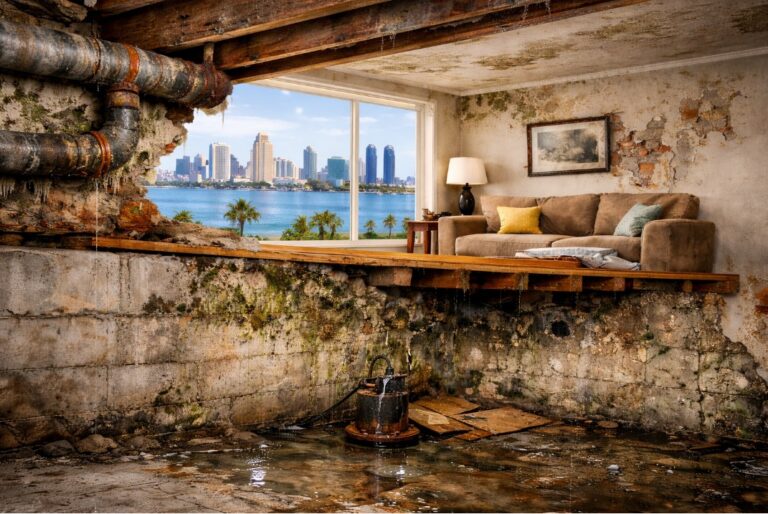
You’ll find that crawlspace moisture comes from several key sources, especially in San Diego’s unique climate. Ground moisture can rise up through unsealed soil, particularly after heavy winter rains or if your irrigation system leaks close to your foundation. Older homes near the coast often have aging pipes tucked out of sight, making undetected plumbing leaks a common culprit for crawlspace dampness.
Rainwater and runoff are another big concern, especially during those rare but heavy “atmospheric river” storms. If your foundation has even tiny cracks, water can seep in and sit beneath your house for days. And here’s what I noticed—coastal fog and the persistent marine layer can lead to condensation under homes near the beach, even if there’s been no actual rainfall. Inland, rapid temperature drops after warm days can create similar effects.
If you want to stay ahead of issues, get in the habit of checking for water stains, puddles, or damp soil in your crawlspace after rain or heavy plumbing use. This quick inspection can save you from big headaches (and expensive repairs) down the line.
Why Mold Thrives When Moisture Is Present
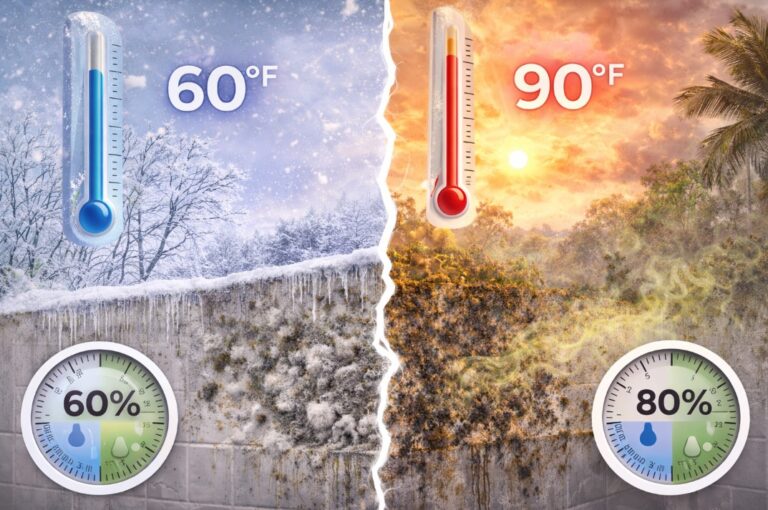
When crawlspace moisture builds up, mold has everything it needs to flourish. Mold spores are always floating around—they’re part of our environment—but they only start growing when there’s persistent moisture. In San Diego, the mild year-round temperatures mean crawlspaces rarely get cold enough to slow mold’s progress. Warmth speeds up colonization, especially if you live near the coast where humidity lingers longer.
The pattern I keep seeing is that poor airflow under homes is the silent accomplice. Many older San Diego neighborhoods have crawlspaces with blocked or inadequate vents, while newer condos may be sealed too tightly, trapping humid air beneath the building. Without steady airflow, humidity stays high, and mold takes hold.
To keep things in check, monitor your crawlspace humidity with a basic hygrometer (a $10–$30 tool you can find online or at hardware stores). Aim for humidity levels below 60%—any higher, and you could be inviting mold to set up shop.
Health Risks and Hidden Damage from Crawlspace Mold
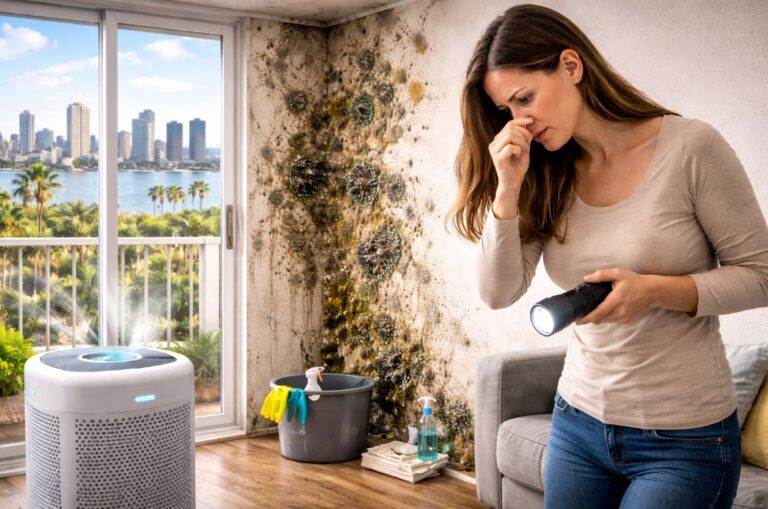
Mold in crawlspaces isn’t just an “out of sight, out of mind” issue. Airborne mold spores can travel up into your living spaces, especially if there are gaps around floorboards or ductwork. For some people, this may mean allergy flare-ups, asthma attacks, or sinus problems that seem to come from nowhere.
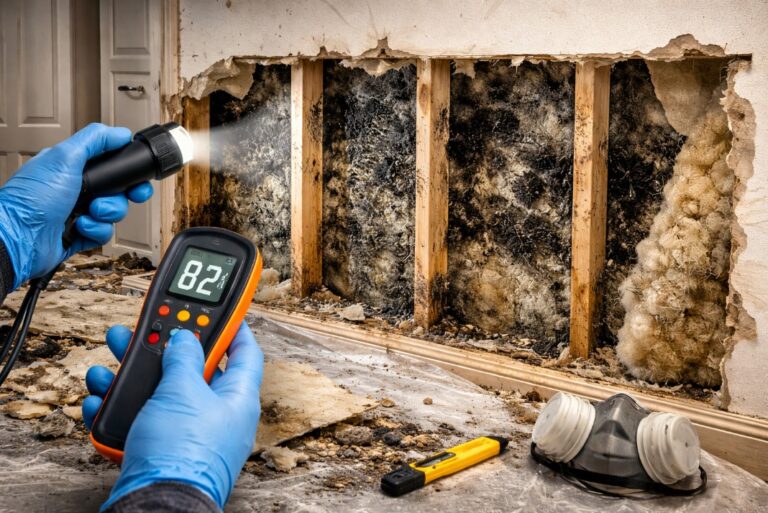
What surprised me most is how much hidden damage mold can do to your home’s structure. Mold eats away at wooden beams, floor joists, and insulation—weakening them over time. If you rent or live in a San Diego condo, remember that shared crawlspaces can mean building-wide exposure if one unit develops a problem.
Certain molds (like black mold) may pose higher health risks, especially for kids, seniors, or anyone with existing respiratory issues. If you catch a whiff of mustiness or your household has unexplained symptoms, it’s smart to schedule a professional crawlspace inspection.
Just a quick safety note: DIY mold removal can be risky. Always wear gloves, an N95 mask, and eye protection if you tackle minor surface mold. For anything beyond a small patch, call a pro.
How to Fix and Prevent Crawlspace Mold (San Diego Focus)
Fixing crawlspace mold in San Diego starts with stopping the moisture at its source. First, track down leaks—whether it’s a dripping pipe, a faulty irrigation line, or cracks in your foundation letting rainwater in. Next, improve drainage around your property. Redirect downspouts, consider a French drain if runoff is a problem, or regrade soil so water flows away from your home.
Installing a vapor barrier—a heavy plastic sheet over exposed soil—can make a huge difference, especially in older houses with bare dirt crawlspaces near the coast. Good crawlspace ventilation is equally important. Unblock existing vents, add new ones if needed, or install a mechanical fan if humidity remains stubbornly high.
And this is where it gets interesting: while you can handle small leaks, minor surface mold, and basic inspections yourself, widespread mold or hidden water damage calls for professional remediation. Not only do pros have the right equipment, but they also know local building codes and can spot issues that might be missed.
Create a yearly crawlspace checkup routine. Every spring and fall, look for moisture, check that vent screens are clear, and inspect plumbing for leaks. If you’re a renter, document any issues and notify your landlord right away. Condo owners—double-check with your HOA before making any changes, since shared spaces often require approval.
When to Act: Timeline for Addressing Crawlspace Mold
You don’t want to wait when it comes to crawlspace moisture or mold, especially in San Diego where a small issue can escalate fast. If you spot an active leak or standing water, address it within the first 24 hours—this is your critical window to prevent mold from taking hold. In the next 24–48 hours, focus on drying out the space: remove wet materials, use fans, and ventilate the area thoroughly.
If you still notice musty odors or see visible mold after everything’s dry, arrange for a mold assessment or remediation within a week. Delaying action only increases repair costs and raises the risk of health issues for your household.
Set a 24-hour rule for yourself: any new water in your crawlspace should be handled that day. Remember the timeline—0–24 hours for leaks and water, 24–48 hours for drying, and within a week for mold assessment if needed.
Official Guidance: What Authorities Recommend for Crawlspace Mold
Leading organizations offer clear, practical advice when it comes to crawlspace mold. The EPA Mold Guidelines emphasize that controlling moisture—not just wiping away visible mold—is the key to preventing regrowth. The CDC recommends cleaning up leaks and standing water quickly to stop mold from forming, especially in crawlspaces where airflow is limited.
Closer to home, the California Department of Public Health highlights that both coastal and inland homes need to focus on fixing leaks and improving ventilation. FEMA adds that vapor barriers and proper drainage systems are crucial for long-term crawlspace health—especially in flood-prone or damp areas. And the American Lung Association points out that even non-toxic molds can set off asthma and other respiratory issues, particularly in older buildings.
Sources Note
Sources for this article include the EPA, CDC, California Department of Public Health, FEMA, and American Lung Association. This content is for informational purposes only. Always consult a licensed mold or moisture specialist for assessment and remediation if you find or suspect mold under your home.
FAQ
1. Why does my crawlspace smell musty even when it looks dry?
Musty odors often signal past or hidden moisture issues. Even if the surface appears dry, moisture may be trapped in insulation, wood, or behind vapor barriers—creating an ideal home for mold.
2. Is crawlspace mold dangerous to my health or just ugly?
Mold in crawlspaces may be linked to respiratory issues like allergies and asthma. Some people are more sensitive than others, but even non-toxic molds can trigger symptoms. Structural damage is another risk.
3. How can I tell if moisture is coming from the ground or a pipe leak?
Ground moisture usually appears after rain or watering and is often widespread. Pipe leaks tend to create localized wet spots, sometimes with visible drips or mineral deposits on pipes.
4. What is the fastest way to dry out a wet crawlspace in San Diego?
Remove any standing water with a pump or wet/dry vacuum. Use fans to increase airflow, open vents, and run a dehumidifier if possible. Make sure to fix the source of moisture at the same time.
5. Can I remove crawlspace mold myself or do I need a professional?
Minor surface mold can be handled with proper protective gear and cleaning solutions. For larger infestations, structural damage, or if you have health concerns, consult a professional.
6. How can I prevent crawlspace mold during San Diego’s June Gloom season?
Increase ventilation, check for leaks after heavy fog or drizzle, and make sure downspouts and soil grading direct water away from your foundation.
7. Does a vapor barrier really help stop mold growth under my house?
Yes, a properly installed vapor barrier over exposed soil can significantly reduce ground moisture and help prevent mold growth.
8. Are condos and rentals in San Diego at risk for crawlspace mold too?
Absolutely. Shared crawlspaces in condos and rentals can be vulnerable to mold, especially if maintenance is inconsistent or moisture problems go unreported.
Take Action
Schedule a crawlspace moisture inspection—especially if you notice musty odors or unexplained health symptoms. Tackle leaks and drainage issues as soon as possible to prevent mold and avoid expensive repairs later. If you see visible mold or keep dealing with dampness under your San Diego home, reach out to a local mold or waterproofing specialist for expert help.