Mold in Your Home: What the Air Reveals About Hidden Dangers
San Diego Homeowner Guide
Air quality in your home often reveals hidden dangers like mold, which is almost always a sign of a moisture problem lurking out of sight. For San Diego homeowners and renters, especially those living in older houses, condos, or areas prone to coastal fog and inland heat, paying attention to what the air tells you about mold can make all the difference. Our city’s unique weather—think marine layer mornings, June Gloom, and bursts of dry heat—means your indoor air can act as an early warning system. Miss those signals, and you risk more than just a musty odor: it could affect your home’s structure and your family’s sense of well-being.
Quick Answer
- Mold in your home is often hidden, but musty or earthy smells in the air signal excess indoor moisture.
- Persistent cough, allergy symptoms, or headaches can indicate unseen mold growth affecting air quality.
- Condensation on windows, peeling paint, or warped wood may reveal moisture problems feeding hidden mold.
- Coastal fog and marine layers in San Diego can raise indoor humidity, increasing mold risk in older or poorly ventilated homes.
- Fixing moisture sources—like leaks or poor ventilation—eliminates mold at its root.
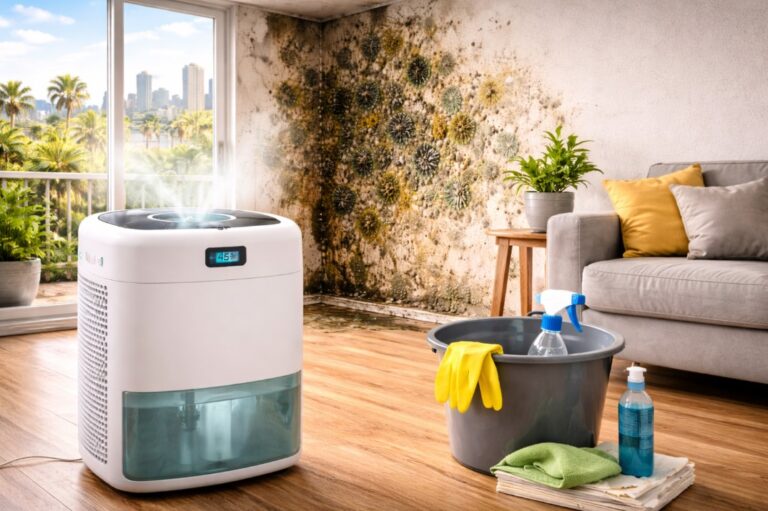
- Air purifiers and dehumidifiers help, but stopping moisture is the only lasting solution.
How Air Quality Exposes Hidden Mold Problems
Air quality changes—like musty smells or a sudden uptick in allergy symptoms indoors—are often the first clues that hidden mold or moisture issues are at work in San Diego homes. That “wet basement” odor, even in a place without basements, is a classic red flag. Sometimes it’s subtle: you come home after a weekend away, and the air feels heavier or smells earthy. That’s your first sign to dig a little deeper.
What surprised me most is how often people dismiss these warning signs, chalking them up to “old house smell” or the effects of coastal weather. But those odors usually mean mold spores are riding the air currents. If you or your family members start sneezing, coughing, or notice headaches that improve when you leave the house, it’s worth taking seriously. These symptoms often point to airborne mold spores, especially if they’re worse inside than out.
San Diego’s marine layer and coastal fog can make things trickier. When moist outside air seeps into cooler attics or closets, it can condense on surfaces and feed hidden mold. This is especially common in older homes with single-pane windows or poor insulation. Inland neighborhoods, where hot days meet ocean-cooled nights, see their share of condensation too.
Here’s a practical checklist: if you notice new or worsening odors or symptoms indoors, inspect for leaks (check under sinks, around windows, and behind furniture) and measure humidity with an affordable digital gauge (aim for under 50% relative humidity). If you notice persistent symptoms or suspect “toxic” mold (like Stachybotrys), the CDC recommends calling in a professional for a thorough evaluation.
The Role of Moisture: The True Cause Behind Mold
Moisture is the real culprit behind mold in your home—mold simply cannot grow without water. Dripping pipes, roof leaks, and even poor bathroom ventilation all create the kind of damp environments mold loves. What’s more, mold doesn’t need a flood to start growing. Even small, slow leaks behind walls or under floors are enough.
And this is where it gets interesting: San Diego’s climate brings challenges that aren’t always obvious. June Gloom and coastal fog drive up indoor humidity, so even newer homes may struggle if windows don’t seal tightly or insulation is lacking. In older houses or condos, outdated construction can mean more places for moisture to hide.
The pattern I keep seeing is that hidden mold almost always follows hidden water. That might be a roof leak dripping into the attic, a pipe sweating inside a wall, or condensation building up in a poorly-ventilated closet. Regular checks are your first line of defense—look under sinks, behind washing machines, and around windows for any sign of dampness or water stains.
Time is critical. According to the EPA Mold Guidelines, drying out wet materials within 24–48 hours gives you the best shot at stopping mold before it starts. Wait any longer, and you’re inviting trouble.
Common Places Hidden Mold Lurks in San Diego Homes
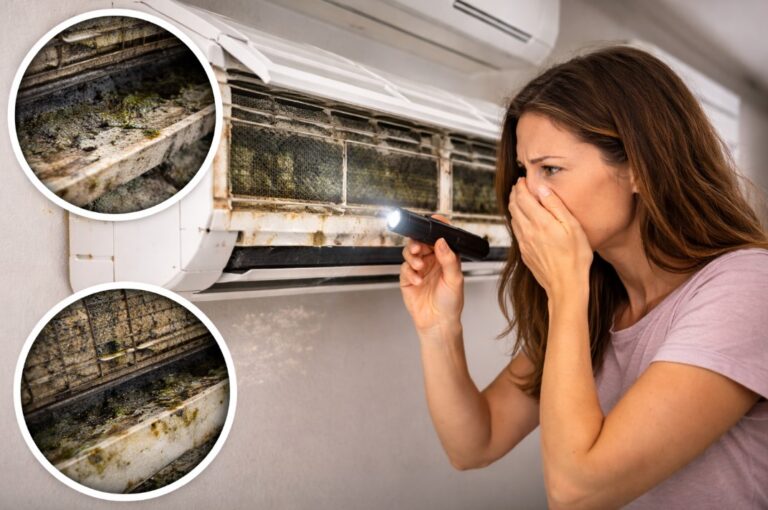
Hidden mold tends to settle in places you don’t look every day—behind drywall, under carpeting, or inside HVAC systems. This is especially true if you’ve had a plumbing mishap, roof leak, or even just a few steamy showers with no exhaust fan. Older San Diego homes, with their unsealed crawlspaces or original windows, give mold plenty of hidden territory.
Condos and rentals come with their own set of challenges. Shared walls mean you may not have control over what’s happening next door. Sometimes, ventilation isn’t up to modern standards, trapping humid air after a foggy morning or a run of June Gloom. Inland homes aren’t immune, either: when a cool marine layer rolls in and meets sun-baked walls or windows, condensation can quickly build up—often out of sight.
If you want to be proactive, schedule seasonal inspections. Check your attic, crawlspace, and spots behind large pieces of furniture pressed against exterior walls. These are the places where hidden mold tends to gain a foothold before you ever see the first sign.
Here’s what I noticed: surface mold on tile or a bit of drywall (less than 10 square feet) can often be cleaned with proper precautions. But if you find mold under floors, in insulation, or covering a larger area, the EPA recommends bringing in a certified remediation professional. Hidden or extensive growth isn’t something to handle alone.
What To Do When You Suspect Hidden Mold
If you catch a musty odor or notice unexplained symptoms, don’t wait—find and fix any source of moisture right away. Air out the space, but avoid disturbing spots you suspect may harbor mold, since this can send more spores into the air.
If you can’t find a visible source but symptoms persist, consider air quality testing. There are home test kits, but for more reliable results, a professional can check for mold spores and pinpoint problem areas. In condos or rentals, document any issues and notify your building manager or landlord promptly—by law, they may be responsible for repairs, but it’s up to you to report problems.
If you need a quick action plan: turn on fans, open windows (when the outdoor air is drier than inside), and don’t hesitate to contact a specialist if you can’t resolve things quickly. For renters, written notice is key. Condo owners should check their HOA guidelines before starting any work, as rules for repairs or inspections can vary.
A word of caution: never attempt large-scale mold removal yourself, especially if the growth covers more than a small patch or is located in hidden or hard-to-reach areas. Certain molds can cause serious health problems, and proper containment is essential.
What Authorities Recommend About Mold and Indoor Air Quality
Guidance from health and safety organizations is clear and practical:
- Fix all water leaks and sources of excess moisture immediately (EPA).
- Keep indoor humidity below 50% to prevent mold growth (CDC).
- Use exhaust fans in bathrooms, kitchens, and laundry areas (EPA).
- Clean and dry any wet building materials or furnishings within 24–48 hours (EPA, CDC).
- If you find mold covering more than 10 square feet, hire a professional remediator (EPA).
- People with allergies or immune issues should avoid moldy environments (CDC).
For more on local San Diego regulations, the California Department of Public Health offers helpful resources for both homeowners and renters.
Sources Note
Sources:
– U.S. Environmental Protection Agency (EPA)
– Centers for Disease Control and Prevention (CDC)
– California Department of Public Health (CDPH)
This article is for informational purposes only. For confirmed mold or moisture problems, consult a qualified indoor air quality or mold remediation specialist.
FAQ
1. What are the first signs of mold in your home air?
Musty or earthy odors, increased allergy symptoms (sneezing, coughing, headaches), and condensation on windows or walls are common first signs.
2. Can you have hidden mold without seeing it?
Yes—mold often grows behind walls, under carpets, or inside HVAC systems, especially after leaks or in areas with poor ventilation.
3. How does San Diego’s coastal weather increase mold risk indoors?
Coastal fog, marine layers, and June Gloom raise indoor humidity. This moisture can condense on cooler surfaces indoors, especially in older or poorly ventilated homes, creating ideal conditions for mold.
4. What should I do if my apartment smells musty but I can’t find mold?
Notify your landlord or building manager in writing, document the issue, and request an inspection. Don’t ignore the odor, as it often signals hidden moisture or mold.
5. How quickly does mold grow after a leak or flood?
Mold can begin to grow within 24–48 hours if materials remain wet, so prompt drying and repairs are essential.
6. Is air testing for mold necessary in all cases?
Not always—visible mold or clear moisture problems may not require testing. If symptoms persist without an obvious source, professional air quality testing can help pinpoint hidden issues.
7. What health problems can hidden mold cause?
Research suggests a possible association with respiratory symptoms, allergy aggravation, and, in sensitive individuals, more serious complications. For medical concerns, consult your healthcare provider.
8. How do I prevent mold in homes near the ocean or with high humidity?
Use dehumidifiers, run exhaust fans, keep windows sealed during foggy weather, and regularly check for leaks or dampness, especially in attics, basements, and closets.
Take Action
- Schedule a professional moisture inspection if you notice recurring humidity, musty odors, or unexplained allergy symptoms.
- Check and repair any leaks or water damage immediately—don’t wait for visible mold to show up.
- Ask your building manager or HOA about their mold and moisture prevention policies, especially if you rent or live in a condo.