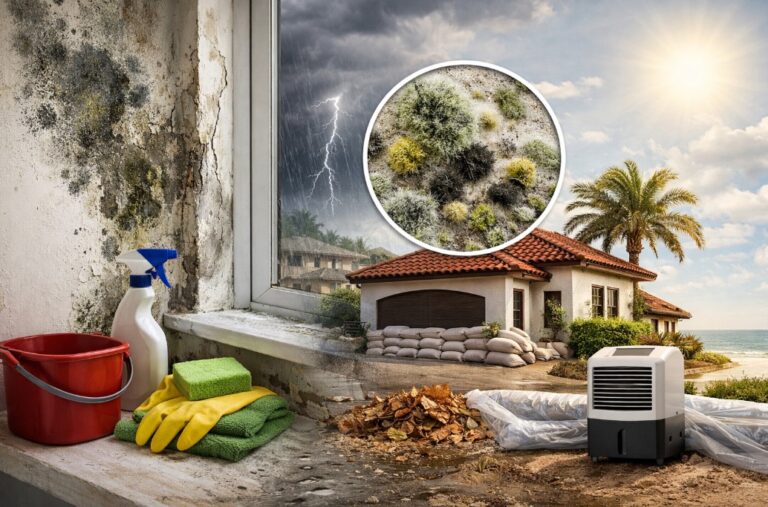
Yes, mold exposure can trigger a wide range of symptoms, from mild allergies to serious respiratory and neurological issues—up to 37 different health complaints have been linked to indoor mold.
For those of us living in San Diego, this isn’t just a hypothetical problem. Our mix of historic bungalows, condo complexes, dense coastal fog, and that relentless June Gloom mean persistent moisture is practically built into the local lifestyle. Leaks, condensation, and poor ventilation are common culprits, and when they aren’t addressed quickly, mold can take hold—sometimes before we even realize it. The key thing I’ve learned: mold is almost always a symptom of a bigger moisture issue, not the cause itself.
- Mold exposure can cause up to 37 health symptoms, including sinus congestion, coughing, headaches, fatigue, and skin rashes.
- Children, seniors, and people with existing respiratory issues are more at risk.
- Symptoms usually improve when you leave the affected environment.
- Moisture problems like leaks, coastal fog, or poor ventilation are often the real cause behind mold growth in San Diego homes.
- Identifying and fixing moisture sources is critical to prevent recurring mold and health issues.
How Mold Exposure Affects Your Body: The Science Behind the Symptoms
Mold exposure can affect nearly every system in your body, but the respiratory system is where most people notice symptoms first—especially in San Diego’s coastal neighborhoods, where marine layers and fog keep homes damp for weeks. Mold releases microscopic spores into the air, and some molds also release chemical byproducts called mycotoxins. We inhale these particles, or they come into contact with our skin, setting off immune responses that range from mild allergies to more severe inflammation.
Here’s what I noticed: reactions to mold vary widely from person to person. Some develop typical allergy-like symptoms—sneezing, itchy eyes, and congestion—while others experience headaches, fatigue, or even skin irritation. Mycotoxins (produced by certain molds) are still being studied, but research suggests they may be linked to more serious neurological or immune effects in sensitive individuals.
San Diego’s unique climate creates a perfect storm for these problems, especially in buildings with limited airflow. Older homes often lack modern ventilation, while high humidity inland can be just as challenging as the coastal fog. If you’re noticing that you feel worse at home than outside, or your symptoms spike during marine layer events, mold could be playing a role.
☑️ If you notice persistent allergy symptoms at home but not elsewhere, inspect for visible mold and check for musty odors.
The Full List: 37 Possible Mold Sickness Symptoms
Mold sickness symptoms can affect nearly every part of the body. In my research, I’ve grouped these 37 complaints into categories—some are more common in San Diego, especially respiratory symptoms due to our damp, foggy conditions.
Respiratory Symptoms (most common in San Diego):
– Nasal congestion and sinus pressure
– Persistent cough
– Wheezing or shortness of breath
– Throat irritation
– Increased asthma attacks or new asthma-like symptoms
– Runny nose or post-nasal drip
Neurological Symptoms:
– Headaches
– Dizziness or lightheadedness
– Difficulty concentrating (“brain fog”)
– Memory issues
– Mood changes (anxiety, irritability)
– Sleep disturbances
Skin Symptoms:
– Itchy skin
– Rashes or hives
– Redness or swelling
– Dry, flaky patches
Eye and Ear Symptoms:
– Watery, itchy, or red eyes
– Blurry vision (rare)
– Ringing in ears (tinnitus)
Digestive Symptoms:
– Nausea
– Abdominal pain
– Diarrhea
– Loss of appetite
General or Systemic Symptoms:
– Fatigue
– Muscle aches
– Joint pain
– Fever (uncommon, but possible)
– Sore throat
– Unexplained weight loss (rare)
– Increased sensitivity to odors
– Chest pain (seek medical attention)
– Heart palpitations (seek medical attention)
– Swollen lymph nodes
– Frequent infections (may indicate immune suppression)
Red-flag symptoms:
If you experience chest pain, severe shortness of breath, persistent fever, or neurological changes like confusion, seek medical care immediately. These may signal a serious reaction or another underlying health issue.
The pattern I keep seeing is that symptoms often get better when you spend time away from your home or the suspected problem area. That’s a big clue that your environment is a trigger.
☑️ Track your symptoms and when they occur—note if they improve when you leave your home (important for diagnosing mold-related illness).
Mold Sickness or Something Else? How to Tell
Mold exposure health effects can look a lot like seasonal allergies, colds, or even reactions to household chemicals. For San Diego residents, it can be especially tricky to separate out what’s causing the problem, since pollen counts, pet dander, and dust are also common here.
What surprised me most was how closely the timing of symptoms can help with detective work. If your symptoms get worse after coastal storms, during June Gloom, or when your heater or AC kicks on (possibly stirring up hidden mold), mold is a likely suspect. But it’s smart to rule out other possibilities: do you have pets? Did you start using a new cleaning product? Is there visible dust or pollen buildup?
If you rent, always document what you see and notify your landlord in writing. Condo owners should check HOA policies before starting any repairs or remediation.
☑️ Compare your symptom timeline with recent weather or home repairs to spot patterns related to moisture or mold.
What to Do If You Suspect Mold Sickness in Your San Diego Home
If you think your home’s air might be making you sick, your first goal should be to find and fix the source of moisture. Whether it’s a leaky roof after a rare San Diego rain, condensation on windows from marine layer events, or a bathroom fan that doesn’t work, addressing moisture stops mold in its tracks.
For small, visible patches (less than 10 square feet), you can often handle cleanup yourself—just make sure to wear gloves, goggles, and an N95 mask, and never dry-scrub moldy surfaces. Clean hard surfaces with soap and water, not bleach (which the EPA does not recommend for porous materials). If you’re immunocompromised, have severe symptoms, or can’t find the source, call a professional. Professionals use moisture meters, infrared cameras, and other tools to find hidden leaks or mold behind walls.
And this is where it gets interesting: sometimes, what appears to be a minor patch is just the tip of the iceberg. If you smell mustiness but don’t see mold, or if you’ve had past leaks or flooding, it’s best to bring in an expert. For renters, it’s the landlord’s responsibility to investigate and fix the issue. Condo owners should coordinate with their HOA, especially if shared walls or common areas are involved.
☑️ Schedule a professional moisture inspection if you suspect hidden mold or can’t locate the source.
Why Moisture Control Is the Key to Preventing Mold Sickness
Mold simply won’t grow without water—so controlling moisture is the single most effective way to prevent mold sickness symptoms in San Diego homes. After winter rains, I always make a point to check for roof leaks, especially in older bungalows. During marine layer events, I keep an eye on window condensation, which can drip down and soak sills or drywall.
For condos, lack of ventilation is a common issue—make sure exhaust fans in bathrooms and kitchens actually vent outside and are working properly. Dehumidifiers can help keep humidity below 50% in damp rooms. Regularly inspect under sinks, around windows, and behind appliances for hidden leaks.
Long-term, it pays to be proactive: schedule annual roof inspections, clean gutters, and repair plumbing leaks as soon as they’re found. I’ve found that investing in exhaust fans (cost: $100–$300 installed) is one of the best ways to keep moisture—and mold—at bay in San Diego’s unique climate.
☑️ Install and maintain exhaust fans in kitchens and bathrooms to reduce moisture buildup.
Official Guidance: What Health Authorities Say About Mold Exposure
Leading health organizations agree: mold exposure can cause health effects, especially in people with asthma, allergies, or weakened immune systems.
The EPA states that mold can cause health effects, especially in sensitive groups, and recommends addressing moisture problems and cleaning up mold promptly. According to the CDC, the most common symptoms are respiratory—cough, wheezing, and nasal congestion. Some people may experience more severe reactions.
The California Department of Public Health reports that indoor dampness and mold are linked to asthma and other respiratory problems, and that fixing water issues is the top priority, not just removing visible mold. The American Lung Association echoes these concerns, highlighting the potential for mold to worsen lung conditions and advising professional help for large or persistent mold problems. The World Health Organization has concluded that damp indoor environments increase the risk of respiratory symptoms and infections.
Sources Note
Information in this article is based on guidance from the CDC, EPA, and the California Department of Public Health.
This article is for informational purposes only—consult a healthcare provider or indoor air quality specialist if you have ongoing symptoms.
FAQ
1. What are the first signs of mold sickness in a home?
The earliest symptoms are often respiratory—nasal congestion, cough, or throat irritation—along with a musty smell in the home.
2. Can mold exposure cause neurological symptoms like memory loss?
Some studies show that exposure to certain molds may be linked to neurological symptoms such as headaches, memory issues, or “brain fog,” especially in sensitive individuals.
3. How long does it take for mold exposure symptoms to appear?
Symptoms can develop within hours to days of exposure, but sometimes take weeks if exposure is low-level or intermittent.
4. Are there specific mold sickness symptoms common in San Diego’s climate?
Yes—respiratory symptoms are most common due to our coastal fog and humidity, but skin irritation and fatigue can also occur.
5. Do air purifiers help with mold-related symptoms?
Air purifiers with HEPA filters can reduce airborne spores, but won’t solve the problem if moisture and mold sources remain.
6. Is it possible to develop mold sickness from living in a rental or condo?
Absolutely—older rentals and condos with leaks or poor ventilation can harbor mold. Renters should document and report issues; condo owners should check with their HOA before remediation.
7. How do you know if your health issues are from mold or something else?
If symptoms improve when you’re away from home or worsen after wet weather, mold may be a factor. Track symptoms and consult a professional for proper diagnosis.
8. What kind of doctor should I see for possible mold illness?
Start with your primary care physician. For severe or persistent symptoms, they may refer you to an allergist or pulmonologist.
CTA Block
- If you suspect mold-related health symptoms, document when and where they occur and consult your healthcare provider.
- For persistent mold or unexplained moisture issues in your San Diego home, contact a professional moisture and air quality inspector.
- Take preventive steps now—fix leaks and improve ventilation to protect your health and home.