Mold in House: How to Spot Hidden Signs Before It Spreads
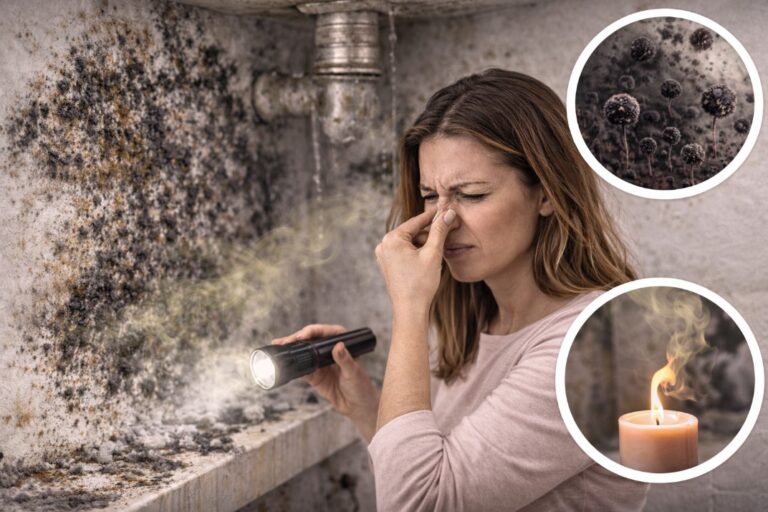
You can spot hidden mold in your house by watching for subtle signs like musty odors, unexplained allergies, or small discolorations—often long before you see visible mold growth.
San Diego’s mix of coastal humidity, marine layers like June Gloom, and older homes with patchy ventilation make local properties especially vulnerable to hidden moisture problems. Early detection is crucial for homeowners and renters to prevent both mold and costly structural repairs.
Quick Answer Block
- Musty or earthy smells in specific rooms or after rain
- Unusual allergy symptoms indoors (sneezing, watery eyes)
- Bubbling paint, warped floors, or peeling wallpaper
- Unexplained stains or discoloration on walls or ceilings
- Condensation or persistent dampness around windows, especially in coastal areas
- High indoor humidity readings (over 60%) on a hygrometer
Why Mold Hides—and How Moisture Lets It Thrive
Mold in house settings is often invisible at first because mold spores are everywhere, but they only start growing when enough moisture is present. In San Diego, the marine layer and coastal fog can keep homes damp for weeks, especially in older properties where ventilation isn’t always up to modern standards.
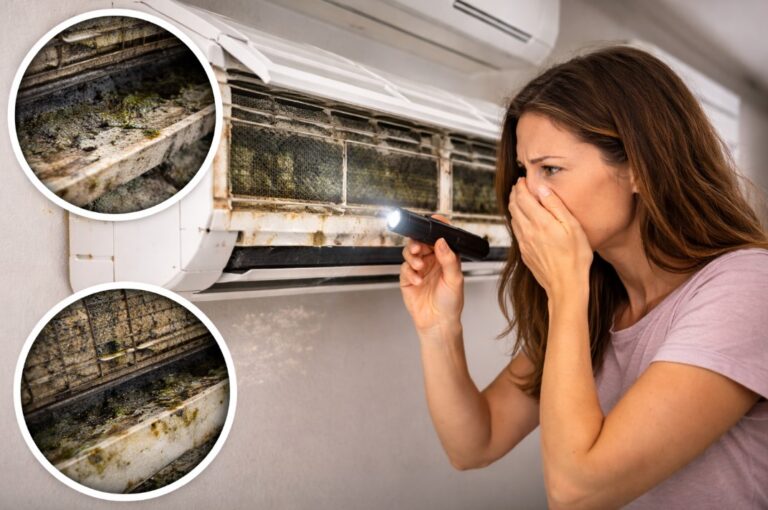
It’s not just the obvious leaks that kickstart hidden mold. The pattern I keep seeing is that small water issues—like a tiny pipe leak inside a wall or condensation from an uninsulated HVAC vent—create the perfect breeding ground. Bathrooms without exhaust fans, roof leaks that seep into attic insulation, and even a slow drip under the kitchen sink can go unnoticed for months.
San Diego’s coastal neighborhoods are particularly at risk, thanks to ongoing humidity from the Pacific Ocean. Inland homes, meanwhile, can struggle with sudden temperature swings leading to condensation on windows and walls.
For anyone concerned about hidden mold, a practical tool is a moisture meter. They’re available for $20–$60 and can help detect dampness behind drywall or under sinks—places where your eyes can’t reach. Checking these hidden spots monthly is one of the most effective ways to catch moisture problems in homes before they escalate.
Checklist: Use a moisture meter to check behind drywall and under sinks monthly.
Early Warning Signs Most People Miss
The early signs of hidden mold are often so subtle that most people overlook them. In San Diego, musty odors tend to appear after foggy mornings or a heavy bout of June Gloom, when the marine layer sits for hours and indoor air feels damp. If you notice a persistent earthy smell in one room, don’t shrug it off—it’s a classic early warning sign.
Sometimes, water stains or faint “ghost” marks appear on ceilings or walls, only to disappear as the surface dries. These come-and-go stains may indicate moisture is seeping in behind the scenes. Recurring condensation on windows, especially in condos and apartments with shared walls, is another red flag. What surprised me most is how often renters and condo owners miss these clues, thinking it’s just the weather or an old building quirk.
Other overlooked hints include warped or soft baseboards, peeling paint, or bubbling wallpaper. Even if you don’t see black or green mold, these cosmetic issues can signal hidden moisture.
A practical habit is to inspect window sills and bathroom corners for discoloration every couple of weeks, especially during damp seasons. Renters should document any changes with photos and notify landlords quickly. Condo owners, on the other hand, should check HOA rules before attempting any repairs.
Checklist: Inspect window sills and bathroom corners for discoloration every 2 weeks.
Hidden Mold Hotspots in San Diego Homes
Hidden mold tends to show up in predictable places, but San Diego’s unique climate and housing mix mean some locations are at higher risk. Behind furniture on exterior walls is a prime example—especially in homes exposed to the marine layer, where condensation forms and lingers out of sight.
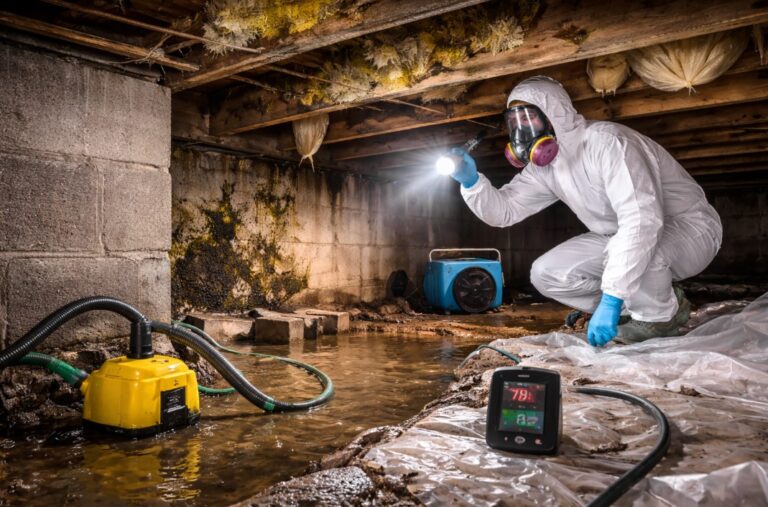
Under sinks and inside bathroom vanities are classic hotspots, particularly in older bungalows or condos with aging plumbing. Attics and crawl spaces also deserve special attention. In neighborhoods with vintage homes, insulation gaps or minor roof leaks can allow moisture to accumulate undetected for months.
Condos and rentals present another twist. Shared walls mean a leak could start in your neighbor’s unit but show up as a stain or musty smell in yours. And this is where it gets interesting: even newer buildings aren’t immune if ventilation is poor and moisture isn’t managed.
Taking a few minutes each month to check under sinks and around washing machines for dampness can save a lot of trouble later. For San Diego residents, these proactive checks are especially helpful during the wettest months and after long stretches of coastal fog.
Checklist: Check under sinks and around washing machines for dampness monthly.
What to Do If You Suspect Hidden Mold
If you notice musty smells, persistent condensation, or signs of water damage, your first step should always be to identify and fix the moisture source. Don’t just mask the odor—track it down. Use a flashlight to peer into dark corners, closets, or behind appliances. If you’re feeling ambitious, a peek behind baseboards or inside cabinet backs can reveal the truth.
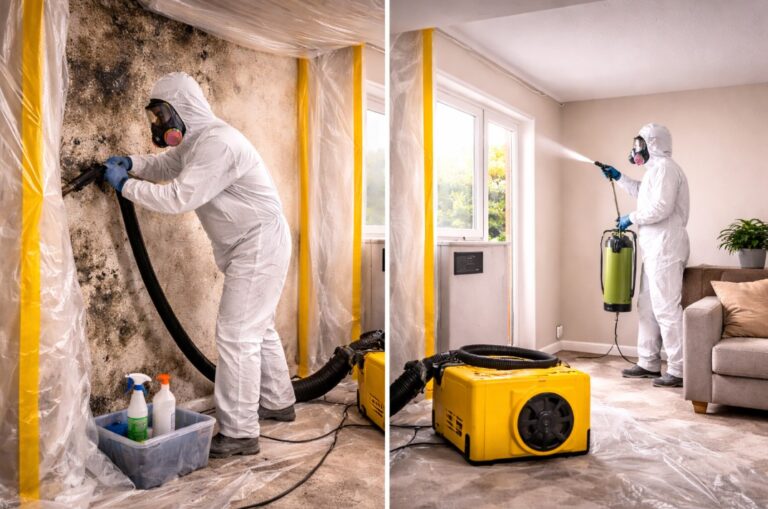
DIY cleanup is okay for small, accessible patches (less than about 10 square feet), but anything larger or tucked behind walls calls for a professional. San Diego’s older homes and condos can have complex plumbing or shared infrastructure, so it pays to know your limits. Safety comes first: wear gloves and an N95 mask if you’re checking behind insulation or in crawl spaces.
The response timeline matters. Within the first 24 hours of finding a leak or damp spot, dry the area thoroughly and improve airflow—open windows, run fans, or use a dehumidifier. If things still feel damp after 48 hours, it’s time to consult a mold remediation specialist. For renters, document everything and notify your landlord right away. Condo owners should review HOA policies before starting repairs.
Here’s what I noticed: investing in a digital hygrometer (usually $10–$50) and monitoring humidity weekly is an easy way to spot early risk factors. Keeping indoor humidity under 50% is the goal.
Checklist: Buy a digital hygrometer and monitor indoor humidity weekly.
Official Guidance (EPA/CDC/CalEPA)
Government agencies like the EPA and CDC set out clear rules for mold in house situations:
- Address any moisture problems within 24–48 hours to prevent mold growth (EPA).
- Fix leaks quickly and keep indoor humidity below 50% for best results (CDC).
- For small areas, use soap and water to clean mold—bleach is not recommended for porous surfaces (EPA).
- When cleaning, always wear gloves and an N95 mask to protect yourself (CDC).
- Large outbreaks or hidden mold behind walls should be handled by professionals (EPA).
California’s Department of Public Health CDPH Mold Guidance echoes these steps, with added emphasis on moisture management and documentation, especially for renters and multi-family dwellings.
Sources Note
Information in this article was sourced from the EPA Mold Guidelines, the CDC Mold Resource, and the California Department of Public Health. The content is for informational purposes only. For confirmed or widespread mold, always consult a licensed mold remediation specialist.
FAQ
How can I tell if there’s hidden mold in my house?
Look for persistent musty odors, unexplained allergy symptoms, stains that appear and disappear, or areas that always seem damp—even if you can’t see mold.
What are the first signs of mold behind walls?
Early signs include bubbling paint, peeling wallpaper, warping wood, or faint stains that fade and return. Musty smells near walls are another giveaway.
Can mold grow without visible water damage?
Yes, mold can thrive anywhere moisture is present—even if you don’t see obvious leaks or stains. Condensation alone is sometimes enough.
What should I do if my house smells musty but I can’t find mold?
Start by checking high-risk areas: under sinks, around windows, and behind furniture on exterior walls. Use a moisture meter to identify hidden dampness and consider professional help if the smell persists.
How quickly does mold spread after a leak?
Mold can start growing within 24–48 hours in moist conditions, especially if the area stays damp and warm.
Are San Diego condos more at risk for hidden mold?
Condos, especially those near the coast or with shared walls, may face higher risks due to marine layer condensation and leaks that can travel between units.
Do air purifiers help with hidden mold spores?
Air purifiers with HEPA filters can reduce airborne spores but won’t solve underlying moisture or hidden growth.
When should I call a professional for mold inspection in San Diego?
If you find more than 10 square feet of mold, can’t locate the source, or experience recurring symptoms, it’s time to call a mold inspection expert.
CTA Block
- Schedule a professional moisture or mold inspection if you spot any warning signs.
- Invest in a quality dehumidifier for areas prone to condensation, especially during June Gloom.
- Regularly check and maintain home ventilation, especially in bathrooms, kitchens, and laundry rooms.