Mold grows in your attic because moisture gets trapped where it shouldn’t, creating the perfect environment for mold spores to thrive.
If you own a home or condo in San Diego, you know the weather isn’t always sunshine. Coastal fog, marine layers, and bursts of rain can make moisture control tough—especially in attics. When you ignore attic mold, you’re not just dealing with ugly stains. You may be missing leaks or ventilation issues that, over time, quietly threaten your home’s structure and air quality. That’s why understanding attic mold isn’t just another chore; it’s a real part of protecting your investment.
- Mold in attics is caused by excess moisture from leaks, condensation, or poor ventilation.
- San Diego’s foggy mornings and marine layer can increase attic humidity.
- Warm air from bathrooms or kitchens vented into the attic adds moisture.
- Missing or damaged insulation leads to temperature imbalances and condensation.
- Roof leaks—even minor ones—quickly introduce enough water for mold to grow.
- Mold is a symptom: controlling attic moisture is the real solution.
What Triggers Attic Mold in San Diego Homes?
Attic mold in San Diego homes usually starts when moisture sneaks into the attic, whether from outside, inside, or both. With our city’s blend of coastal microclimates and older housing stock, you’re especially likely to run into attic moisture issues during foggy “June Gloom” stretches or after a rare downpour. That means even newer condos or well-kept single-family homes aren’t immune—especially if the attic isn’t checked regularly.
The pattern I keep seeing is that San Diego’s climate itself is a big part of the causes of attic mold. Along the coast, marine layers and persistent fog can raise humidity in attics, even when your living space feels dry. If you live farther inland, heat waves push warm, moist air upward, where it can condense on cooler attic surfaces. It’s easy to overlook, but attic ventilation becomes crucial in both scenarios.
Older homes and condos are particularly at risk because their soffit or ridge vents may be blocked, painted over, or simply outdated. That means less airflow, more trapped moisture, and a higher chance for condensation to linger. After a foggy morning or rainy day, open your attic hatch and take a quick look—if you see damp insulation, water stains, or even just a musty smell, it’s time to investigate further.
Common Sources of Moisture in Attics
Most attic mold doesn’t appear out of nowhere—it’s the result of moisture building up where it shouldn’t. In San Diego, you get a mix of weather events and building quirks that make this surprisingly common.
Roof leaks are a top culprit, often sneaking in through worn shingles, cracked tiles, or damaged flashing. Even a tiny leak can soak insulation or wood quickly, especially during the rare but heavy rainstorms we get. What surprised me most is how often the source turns out to be something as simple as a bathroom or kitchen fan venting directly into the attic. Instead of carrying moist air outside, these misrouted vents dump humidity right where it can cause trouble.
Gaps in attic insulation are another overlooked problem. If warm, moist air from your home rises and hits a cold attic surface, condensation forms—creating the perfect spot for mold to grow. Plumbing vents or AC condensate lines sometimes leak or drip into the attic space, too, especially in multi-family buildings.
To stay ahead of problems, make it a habit to check your attic for visible water stains or damp insulation at least once every few months. It doesn’t take long, and it can save you a lot of hassle down the road.
Why Mold in the Attic Is a Problem
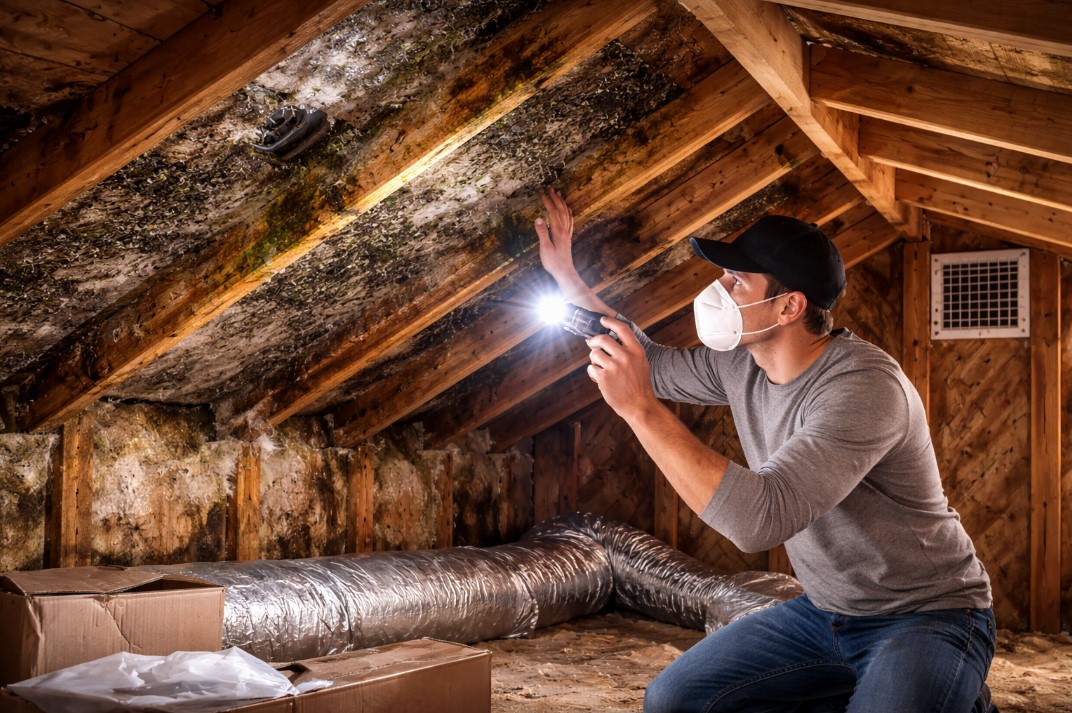
Mold in the attic isn’t just an eyesore—it can lead to serious headaches if left unchecked, especially in San Diego’s older homes and condos. The wood framing and insulation up there are vulnerable. Over time, mold may indicate ongoing moisture problems that can rot rafters, warp plywood, and ruin insulation, undermining the structural integrity of your home.
It doesn’t stop at the attic. Mold spores can find their way into your living spaces, especially if your HVAC system is up there. That means potential impacts on indoor air quality, which is a concern for anyone with allergies or asthma. Research suggests a possible association between mold exposure and respiratory symptoms, though the severity varies from person to person.
From an investment standpoint, undisclosed attic mold can complicate home sales or insurance claims, particularly in a competitive market like San Diego. Most buyers and adjusters know to look for these issues. If you’re a renter, document any attic mold and notify your landlord in writing—this protects your rights and ensures the problem is addressed.
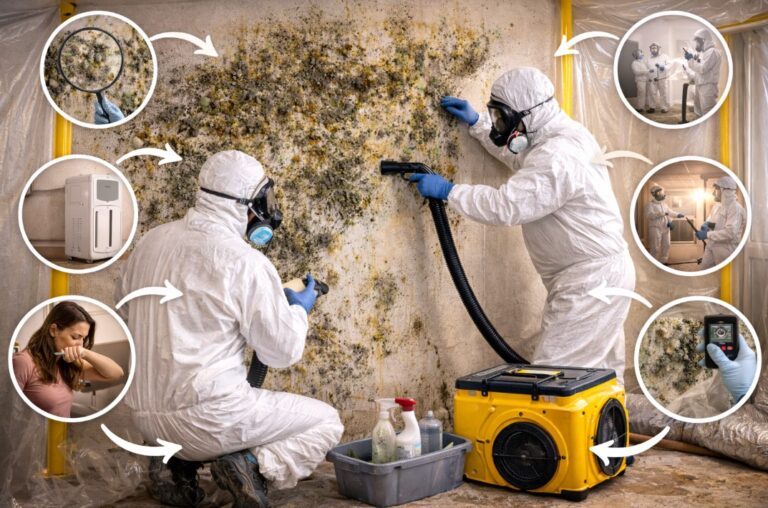
DIY mold removal can work for very small, surface-level patches (think less than 10 square feet), but anything larger or hidden really calls for a certified specialist. Safety matters: always wear an N95 mask and gloves if you’re cleaning up minor mold yourself. If you spot mold in a condo, check your HOA rules before starting any work—they may have specific requirements or preferred vendors.
If attic mold covers more than 10 square feet, or if you’re not sure how far it’s spread, it’s time to call a certified mold remediation specialist.
How to Stop and Prevent Attic Mold
Stopping attic mold comes down to one thing: controlling moisture. If you fix leaks and improve ventilation, you’re already ahead of the game, especially in a climate like San Diego’s.
Start by repairing roof leaks—don’t wait, even if it seems minor. Flashing, vent pipes, and roof penetrations are common trouble spots. Next, take a look at your attic ventilation. Clear any blocked soffit or ridge vents, and consider adding baffles to improve airflow. The goal is to keep humid air from lingering, especially after those foggy mornings or hot inland afternoons.
Check your bathroom and kitchen exhaust fans. Make sure they vent all the way outside, not just into the attic. This is a simple fix that prevents a lot of attic moisture San Diego homeowners experience. If your attic floor insulation is old or patchy, re-insulate or seal it to stop warm, moist air from rising into the attic space and causing condensation.
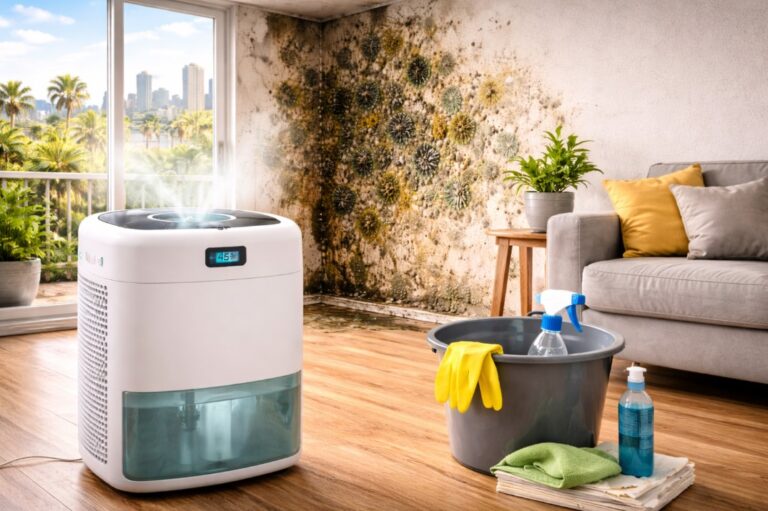
A hygrometer is a handy tool for monitoring attic humidity. You’re aiming for under 60% relative humidity—if it’s higher, you may need to adjust ventilation or add a dehumidifier. And this is where it gets interesting: quick action is critical. If you spot a new leak or visible mold, try to address it within 24 to 48 hours. The faster you dry things out, the less chance mold has to take hold.
Twice a year, test for airflow in the attic by checking that vents aren’t blocked by insulation, dust, or debris. This small step can make a big difference, especially as seasons change.
When to Call a Professional for Attic Mold
There are times when a DIY approach just won’t cut it—and knowing when to bring in a professional can save you time, money, and stress. If you find mold covering more than 10 square feet, or if it keeps coming back after you clean it, it’s time to call a pro. Sometimes you’ll notice a musty smell in the attic but can’t find any visible mold—that usually means it’s hiding behind insulation or inside walls.
Hidden leaks and water damage are tricky, especially in older homes or condos with complex rooflines. If you or anyone in your household experiences health symptoms after being in the attic, don’t risk it. And for rental properties or condos, always notify your landlord or check HOA rules before hiring anyone.
If you’re unsure about the extent of the problem, it’s safest to schedule a mold inspection with a licensed professional. They have the tools and training to spot hidden moisture and design a safe, effective plan for removal.
Official Guidance on Attic Mold
- Address all water leaks or moisture sources immediately (EPA).
- Maintain indoor humidity below 60% to prevent mold growth (CDC).
- Use exhaust fans in bathrooms and kitchens that vent outside, not into the attic (EPA).
- Do not paint or caulk over mold—clean and remove it first (EPA).
- Large or recurring mold problems require certified remediation professionals (EPA, CDC).
- Wear N95 masks and gloves if you attempt cleaning small mold areas yourself (CDC).
Sources Note
Information for this article is drawn from the U.S. Environmental Protection Agency (EPA), Centers for Disease Control and Prevention (CDC), and California Department of Public Health. It’s meant for general informational purposes—always consult a qualified professional for specific attic mold or moisture problems.
FAQ
Why is there mold in my attic but not in the rest of my house?
Attics are more prone to trapped moisture from roof leaks, poor ventilation, or improper exhaust fan setup, even if your living spaces stay dry.How can I tell if my attic mold is dangerous?
All mold should be treated with caution. If you notice a strong, musty odor, widespread growth, or health symptoms after attic visits, call a professional.What is the best way to remove mold from attic wood?
For small patches (under 10 sq. ft.), scrub with detergent and water while wearing an N95 mask and gloves. Let the wood dry completely afterward.How much attic mold is too much for DIY cleanup?
If the affected area is larger than 10 sq. ft., or if the mold keeps coming back, it’s time for certified remediation.Does attic mold affect my home’s resale value in San Diego?
Yes. Unresolved attic mold can complicate real estate transactions and lower your property’s appeal to buyers.Is attic mold more common in coastal areas like La Jolla or Pacific Beach?
Yes, because coastal fog and marine layers keep attics damp longer, increasing the risk of mold growth compared to inland neighborhoods.How quickly does mold grow after a roof leak?
Mold can start growing within 24 to 48 hours if conditions are right—so fast action is key.Will adding more insulation stop attic mold?
More insulation helps reduce condensation, but only if leaks are fixed and ventilation is adequate. Insulation alone won’t solve a moisture problem.
Take Action
- Schedule a professional attic inspection if you suspect moisture or mold.
- Fix roof leaks and improve attic ventilation before the next rainy season.
- Request a quote from a certified mold remediation company if you notice visible mold patches.