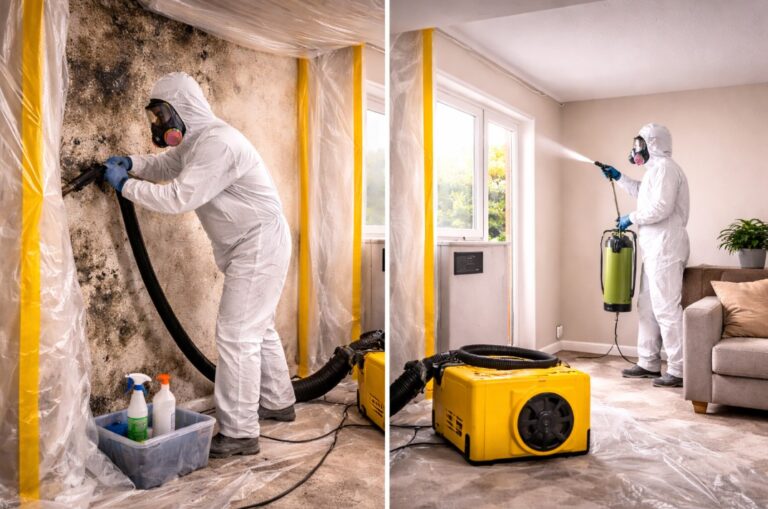
No, sleeping in a room with mold is not safe. Exposure to mold in your bedroom can trigger a range of health issues, especially for children, seniors, and anyone with allergies or asthma.
For San Diego homeowners and renters, mold is a common concern due to our coastal fog, June Gloom, and older housing stock. Since moisture is the root cause of mold, understanding the risks—and how to address them—is essential for your family’s health and peace of mind.
- Sleeping in a room with visible mold increases risk of respiratory problems, allergies, and poor sleep quality.
- Mold exposure can worsen asthma and trigger sinus symptoms.
- Infants, elderly, and those with weakened immune systems are most vulnerable.
- Mold is a symptom; indoor moisture is the underlying issue.
- Coastal San Diego homes, especially older condos or rentals, are at higher risk due to humidity and ventilation issues.
- If you see or smell mold, address moisture sources and clean up mold promptly.
Why Mold in Bedrooms Is a Health Concern
Mold in your bedroom poses a direct threat to your health. When you sleep, your breathing is slower and deeper, which means you’re more likely to inhale mold spores for hours at a time. In San Diego, where coastal fog and marine layers keep things damp, it’s surprisingly easy for bedrooms to develop persistent moisture.
You might notice symptoms like nasal stuffiness, coughing, sneezing, itchy eyes, or skin irritation. For some people, these issues are mild and come and go. But if you’re exposed night after night, chronic fatigue, sleep disruptions, and worsening asthma or allergies often follow. Here’s what I noticed: even people without a history of allergies can develop sensitivities after repeated mold exposure.
If you keep waking up congested, or if your bedroom smells musty, don’t ignore it. Check your walls, windows, and closets for visible patches of mold or signs of dampness. Mold often hides behind furniture or along window sills, especially in older San Diego homes that weren’t built with modern moisture barriers.
Who Is Most at Risk From Bedroom Mold?
Sleeping in a moldy room is risky for anyone, but certain groups face much higher health risks. Children, infants, seniors, and people with weakened immune systems simply don’t have the same defenses as healthy adults. In San Diego, renters and condo dwellers sometimes have less control over building-wide issues like ventilation or timely repairs, which makes them especially vulnerable.
Mold-related health effects can be severe for people with asthma, chronic respiratory conditions, or allergies. Even a short bout of exposure can trigger coughing fits or asthma attacks in sensitive individuals. What surprised me most is how quickly symptoms can escalate for these groups—and how long they can linger even after mold is removed.
Don’t assume inland neighborhoods are immune. While coastal fog is a big contributor, inland San Diego homes can trap heat and moisture during hot spells if ventilation is poor.
If you have infants, elderly family members, or anyone with respiratory conditions at home, address any bedroom mold within 24 hours. The faster you act, the less chance there is for health problems to develop. Safety comes first.
Hidden Moisture: The Real Cause Behind Mold Growth
Mold is just the visible outcome; the real culprit is always hidden moisture. If you spot mold, you can bet there’s a leak, excess condensation, or poor airflow nearby. In San Diego, the marine fog and June Gloom can keep walls, windows, and carpets damp long after the sun comes out. Even if your home feels dry, condensation on windows or cool exterior walls may create a breeding ground for mold.
The pattern I keep seeing: window condensation, plumbing leaks, and poorly vented bathrooms are the biggest offenders, especially in older homes or condos with flat roofs. Sometimes, water seeps in behind walls or under carpets, staying out of sight until mold appears.
Don’t just look for mold—look for the dampness that allows it to thrive. Regularly check windows, under sinks, behind furniture, and inside closets for wet spots or water stains. If you find a large or hidden leak, consider calling a professional. A quick DIY cleanup works for minor moisture, but bigger or recurring problems demand expert attention.
What Should You Do if You Find Mold in Your Bedroom?
If you discover mold in your bedroom, don’t panic—but don’t ignore it, either. For small spots (less than 10 square feet), you can clean them yourself using soap or detergent and water. Wear gloves and a mask, and dry the area thoroughly when you’re done. But if you see mold covering a large area, if it keeps coming back, or if you suspect moisture is hidden behind walls or under floors, it’s time to call a licensed mold remediation specialist.
Simply cleaning mold without fixing the moisture source is a waste of effort. Mold will return quickly if the area stays damp. Renters should document the mold with photos and notify their property manager or landlord as soon as possible. For San Diego condo owners, check your HOA’s rules before doing any work—some repairs may be covered or require approval.
Document everything: take photos, note dates, and identify possible moisture sources. While you’re arranging repairs, boost ventilation by opening windows or running fans (as long as that won’t worsen outdoor humidity). This helps reduce spore levels until the root problem is fixed.
Long-Term Solutions: Preventing Mold in San Diego Bedrooms
Preventing mold in your bedroom always comes back to one thing: controlling moisture. In San Diego, that means being proactive during humid months and coastal fog periods. Dehumidifiers or air conditioning units are a good investment—expect to spend around $150–$300 for a reliable room unit. Keep windows and exterior walls well-sealed, especially in older homes where weather stripping may have degraded.
Bathrooms and kitchens are notorious for introducing extra moisture into bedrooms, especially if exhaust fans aren’t working properly. Regularly check and maintain these fans. For renters or condo owners, persistent moisture problems may fall under your landlord’s or HOA’s responsibilities—work with them to address leaks or ventilation issues, and don’t let problems drag on.
Set up a seasonal routine, ideally every spring and fall, to inspect your bedroom for leaks, condensation, and ventilation problems. Early intervention is cheaper and far less disruptive than dealing with a full-blown mold infestation.
Official Guidance: What Do Health Authorities Say About Sleeping With Mold?
Health authorities consistently warn against sleeping in rooms with mold. The CDC is clear: indoor mold exposure can cause or worsen respiratory symptoms, particularly in sleeping areas where you spend so much time. The EPA emphasizes that controlling moisture is key to both preventing and remediating mold growth—cleaning alone is not enough.
The California Department of Public Health suggests prompt cleanup of visible mold and immediate repairs to any moisture sources, especially to protect children, seniors, and people with chronic health problems. HUD guidelines urge both tenants and landlords to fix leaks and visible mold in sleeping areas as soon as possible. The American Academy of Pediatrics takes an even firmer stance: infants and children should never be exposed to mold where they sleep.
Sources Note
Information here is based on recommendations and research from the CDC, EPA, and California Department of Public Health. For serious or persistent mold problems, seek advice from a certified indoor air quality or mold remediation specialist. This is general information and not medical advice.
FAQ
1. Can sleeping in a moldy room make you sick?
Yes, sleeping in a moldy room can increase your risk of respiratory problems, allergies, and worsen asthma symptoms, especially with prolonged exposure.
2. What are the symptoms of mold exposure at night?
Common symptoms include nasal congestion, sneezing, coughing, itchy eyes, skin irritation, and sometimes headaches or poor sleep quality.
3. Is it safe to sleep in a room after cleaning mold?
If the mold was small, removed properly, and the area is completely dry with no lingering moisture source, it’s generally considered safe. If symptoms persist or you see mold returning, further action is needed.
4. How long does it take for mold to affect your health?
Some people notice symptoms within hours, while others may develop issues over days or weeks of exposure. Vulnerable individuals are affected more quickly.
5. What should I do if I find mold in my bedroom in San Diego?
Identify and fix the moisture source, clean small spots safely, and notify your landlord or HOA if you rent or own a condo. Seek professional help for large or recurring mold problems.
6. Can mold in my bedroom affect my sleep quality?
Yes. Mold exposure can cause nasal congestion and irritation, leading to poor sleep quality and fatigue.
7. How can I tell if my bedroom mold is dangerous?
Any visible mold should be treated seriously, especially if people in your household have allergies, asthma, or immune issues. The specific type can only be confirmed by lab testing; all indoor mold is potentially harmful.
8. Are landlords in San Diego responsible for fixing mold problems?
Yes. Under California law and HUD guidelines, landlords must address water leaks and visible mold in rental properties promptly to ensure a habitable living environment.
Next Steps
- If you notice mold or persistent dampness in your bedroom, inspect for leaks and address moisture right away.
- Consult a professional if mold covers a large area or keeps coming back after cleaning.
- For renters or condo owners, notify your property manager or HOA promptly if you discover mold or signs of hidden moisture.