Household Mold Colors: How to Identify and What Each Color Means
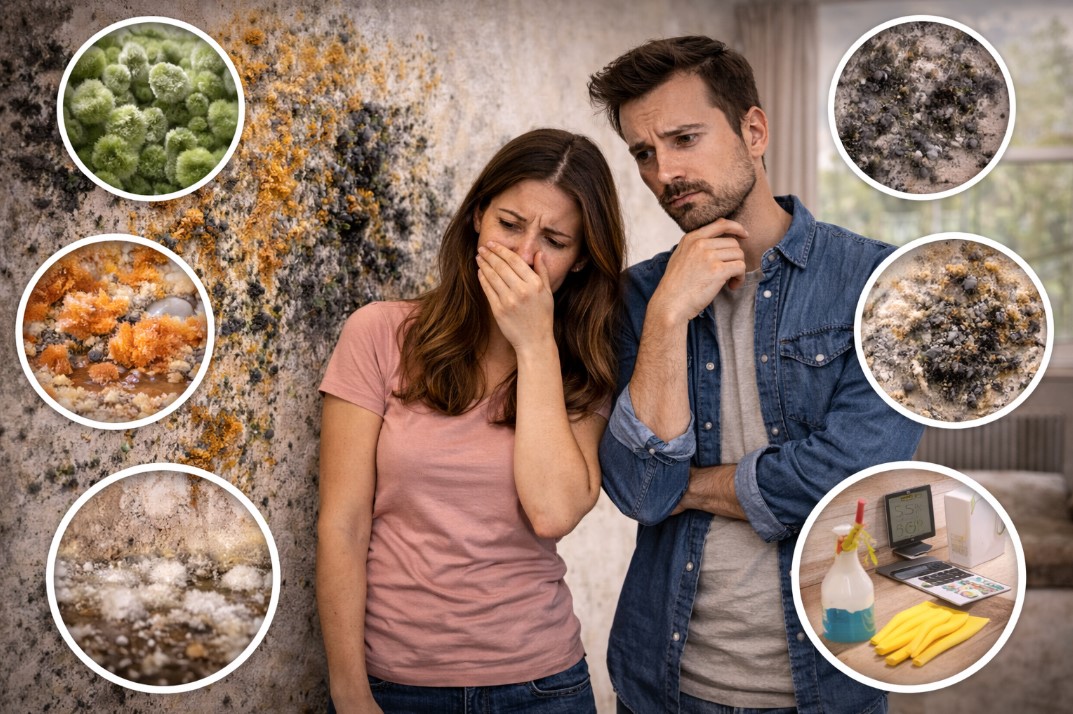
Household mold comes in various colors—black, green, white, yellow, and even pink—and each color can offer clues about the type of mold and possible moisture issues in your home.
For San Diego homeowners and renters, recognizing mold colors isn’t just about identification—it’s about finding hidden moisture before it causes bigger problems. Thanks to our coastal fog, occasional marine layer, and older housing stock, mold can show up in unexpected places, whether you live by the beach or further inland. Knowing what those colors mean helps you spot leaks, address ventilation issues, and keep your home healthy.
- Black mold often signals high moisture and may indicate hidden water damage.
- Green mold is common on walls and food, typically due to ongoing dampness.
- White mold can appear fuzzy or powdery and often grows on wood, fabrics, or concrete.
- Yellow or orange mold thrives in bathrooms and kitchens where water lingers.
- Red or pink mold is usually found in showers and around sinks, feeding on soap and moisture.
- Any mold color means excess moisture—fix leaks or humidity to prevent regrowth.
Why Mold Color Matters—And What It Reveals About Moisture
Mold color is more than just a visual quirk—it’s a hint about your home’s moisture problems, especially in a city like San Diego where ocean air and marine layers can push indoor humidity higher than you’d expect.
Different mold species produce different pigments, but color can also change based on the mold’s age, what it’s growing on, and—most importantly—the amount of moisture present. For example, black or green mold often means there’s been a chronic leak or long-standing condensation issue. In coastal cities, fog and moist air can sneak into buildings, so you might see clusters of colored mold in places you thought were safe, like closets or window frames.
What surprised me most while researching? The color itself doesn’t tell you if a mold is “toxic” or harmless—there’s no reliable way to tell just by looking. But any colored growth is a clear sign there’s a moisture problem nearby that needs fast attention.
Checklist: If you see any colored mold, inspect nearby areas for leaks, dampness, or condensation within 24 hours.
0–24h: Early detection is critical; waiting allows more damage and spread.
Common Mold Colors in San Diego Homes (With Local Examples)
San Diego homes—whether classic beach cottages or inland condos—tend to see certain mold types pop up again and again, each in their favorite spots.
Black mold is a frequent guest in bathrooms, under sinks, and around older windows. This often points to plumbing leaks, failed caulking, or just poor ventilation trapping steam. Green mold likes to show up on drywall, baseboards, or window sills where condensation or small leaks persist, especially during June Gloom when humidity stays high for weeks. White mold is common on garage walls, attic rafters, or bare concrete; older homes and those hit by heavy rain are especially prone. Yellow or orange mold thrives under kitchen appliances or around bathtubs, particularly if the caulk is cracking or water pools after use. Red and pink mold, meanwhile, love showers, tile grout, and the edges of sinks—especially in San Diego rentals and condos with older plumbing.
And this is where it gets interesting: the pattern I keep seeing is that certain colors cluster in specific locations, shaped by San Diego’s mix of coastal weather and older buildings.
Checklist: Photograph the mold and note the color, location, and recent weather/household events (e.g., June Gloom, appliance leak).
Safety Note: Always wear gloves and a mask when inspecting or cleaning visible mold.
What Each Mold Color Means for Your Home’s Health
Each household mold color tells a story about your property’s condition and, sometimes, the air you breathe.
Black mold sometimes—but not always—means Stachybotrys, a species linked to long-term water damage. It often points to hidden leaks in walls or floors, where moisture lingers for weeks or months. Green mold often includes Cladosporium or Penicillium, both of which thrive in humid climates like San Diego’s coastal neighborhoods. These may trigger allergies in sensitive individuals, but most importantly, their presence means humidity is high or leaks are going unnoticed. White mold can be early-stage fungal growth or, occasionally, a mineral deposit called efflorescence. Either way, it flags recent or ongoing dampness. Yellow, orange, and red molds are usually less worrisome for healthy adults but signal a bathroom or kitchen that stays damp, which can lead to bigger issues over time.
The main takeaway? While health risks vary, all indoor mold points to too much moisture and the potential for air quality problems. Chronic exposure—regardless of color—may be linked to respiratory symptoms in some people, according to the CDC.
Checklist: Use a moisture meter or check for dampness near the affected area; document results for follow-up.
When to DIY, When to Call a Professional
Not every mold patch means you need to call in the cavalry, but it’s important to know your limits—especially in a climate like San Diego where conditions can change quickly.
Small spots (less than 10 square feet) on tile or other non-porous surfaces are often safe to clean yourself, as long as you address the underlying moisture. For anything larger, recurring, or especially after flooding, professional assessment is the safer move. Mold inside HVAC systems, crawl spaces, or walls is a no-go for DIYers. If you live in a condo or rental, always alert your HOA or landlord first and check your agreement—sometimes, even small patches require professional handling.
Here’s what I noticed: insurance companies and health officials often require documentation and licensed remediation for bigger jobs, especially when the source is unclear or the area is difficult to access.
Checklist: If you can’t pinpoint or fix the moisture source, or if the area is large, contact a licensed mold remediation company within 48 hours.
DIY vs Pro Decision Flag: Professional intervention is required when you can’t locate or repair the leak, the affected area is larger than 10 square feet, or if there’s mold in HVAC systems, crawl spaces, or behind walls.
Preventing Mold by Controlling Moisture
The key to preventing household mold colors from appearing is tackling moisture before it becomes a problem—not just scrubbing away what you see.
Mold simply can’t grow without sustained moisture. So, to keep your San Diego home mold-free, focus on stopping leaks, boosting ventilation, and keeping humidity in check (ideally below 60%). During marine layer events or after heavy rain, pay extra attention to windows, attics, and basements—coastal fog can raise indoor humidity even if you don’t feel it. Regular inspections under sinks, around windows, and in garages or older bathrooms can catch issues early. Using exhaust fans and dehumidifiers, especially during the June Gloom season, can make a big difference in older homes.
What surprised me most is how often prevention is overlooked in favor of surface cleaning. Mold types in homes may vary, but nearly all infestations start with a moisture problem that could have been stopped early.
Checklist: Set a monthly reminder to check for leaks, condensation, and musty odors in your home.
Official Guidance on Mold Identification and Safety
- EPA recommends removing mold promptly and fixing moisture sources to prevent regrowth (EPA Mold Guidelines).
- CDC advises wearing gloves, goggles, and N95 masks when cleaning mold (CDC Mold FAQ).
- California Department of Public Health reminds tenants and landlords to document and report water damage and mold (CDPH Mold Information).
- EPA: No need to test mold color/type before clean-up, but large or hidden growth needs professional help.
- Never mix bleach with ammonia or other cleaners when treating mold.
- For persistent or extensive mold, hire a certified mold remediation specialist.
Sources Note
Organizations Used:
– U.S. Environmental Protection Agency (EPA)
– Centers for Disease Control and Prevention (CDC)
– California Department of Public Health
This article is for informational purposes only. Always consult a qualified specialist for confirmed mold or moisture issues in your home.
FAQ
What does the color of mold in my house mean?
Mold color can hint at the species and moisture level, but it always signals excess moisture that needs attention.Is black mold in San Diego homes always dangerous?
Not always. While some black molds may be linked to health issues, the color alone doesn’t determine risk. Address moisture and consult a professional for large areas.How can I tell if white mold is harmful or just mildew?
White mold can look similar to mildew or even mineral deposits. If it’s fuzzy or powdery and grows on organic material, treat it as mold and remove moisture sources.What causes red or pink mold in showers?
Red and pink molds often grow in damp, soapy areas like showers and sinks, feeding on soap residue and constant moisture.Does green mold mean there’s a water leak somewhere?
Green mold in house settings is often a sign of ongoing dampness or hidden leaks, especially on walls or windows.How do I get rid of yellow mold in my bathroom?
Clean small patches with soap and water while wearing protective gear, but make sure to fix leaks or improve ventilation to stop it from coming back.Should I test my mold before cleaning it?
The EPA says testing isn’t necessary for most households. What matters most is removing mold and fixing moisture issues.Who is responsible for mold removal in a San Diego rental or condo?
Renters should document and notify their landlord immediately. Condo owners need to check HOA rules before starting any remediation.
Next Steps
- Schedule a moisture inspection if you notice any colored mold in your home.
- Document visible mold and contact a licensed mold remediation company if the area is larger than 10 square feet or keeps returning.
- For renters and condo owners, notify your property manager or HOA about any persistent moisture or mold issues.