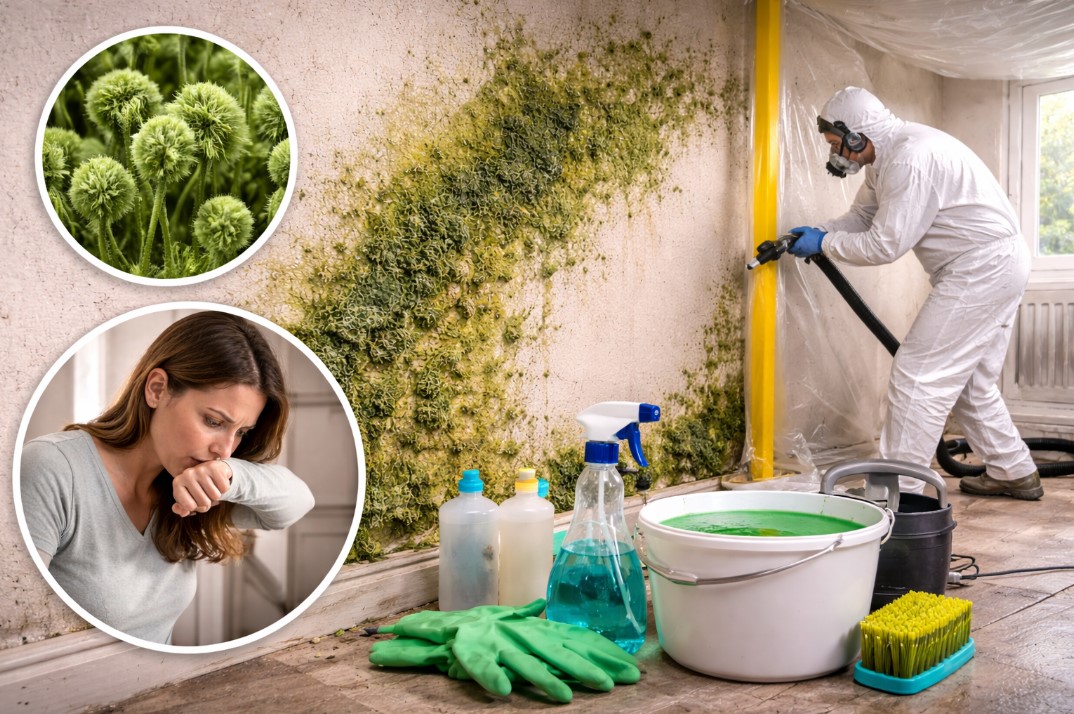
Green mold is a type of fungus that appears as a greenish patch on walls, ceilings, furniture, or other damp surfaces in homes. It’s a sign of excess moisture and can damage property as well as impact indoor air quality.
If you live in San Diego, you’ll notice how the coastal fog, regular marine layer, and bursts of inland heat can play tricks on your home’s moisture levels. Older homes and condos are especially prone to hidden leaks or condensation—prime conditions for green mold to take hold. Spotting and solving green mold early helps keep your home safe, comfortable, and protected against long-term issues.
- Green mold is a fungus that grows in damp, poorly ventilated areas of homes.
- It signals a moisture problem, often from leaks, condensation, or poor airflow.
- Common green mold types include Aspergillus, Cladosporium, and Penicillium.
- To get rid of green mold, first fix the moisture source, then clean affected surfaces.
- Small areas can be cleaned safely with household products, but large infestations need professional help.
- Preventing future growth depends on moisture control and good ventilation.
What Causes Green Mold in San Diego Homes?
Green mold appears when moisture lingers on surfaces, especially in the warm, often humid corners of San Diego homes. The region’s famous marine layer, coastal fog during June Gloom, and even the contrast of dry inland heat create perfect conditions for condensation and leaks to sneak up on you.
Mold spores are everywhere, but they only grow when they find consistent dampness and something organic to feed on—like drywall, wood, or even dust. In San Diego, you might spot green mold in bathrooms after a week of foggy mornings, or around windows where condensation forms when cool marine air meets warmer indoor air. Inland homes aren’t off the hook: running the AC can create cold surfaces where water vapor condenses, giving mold a foothold.
What surprised me most is how often the culprit is a tiny leak or just poor airflow. Even minor plumbing drips under sinks, slow roof leaks during winter rains, or neglected bathroom fans can add up. You’ll want to pay close attention to areas that see regular moisture—like kitchens, bathrooms, windows, and even closets along exterior walls.
☑️ Inspect your home’s bathrooms, kitchens, and windows for condensation or leaks after foggy or wet weather.
Common Types of Green Mold and Where They Grow
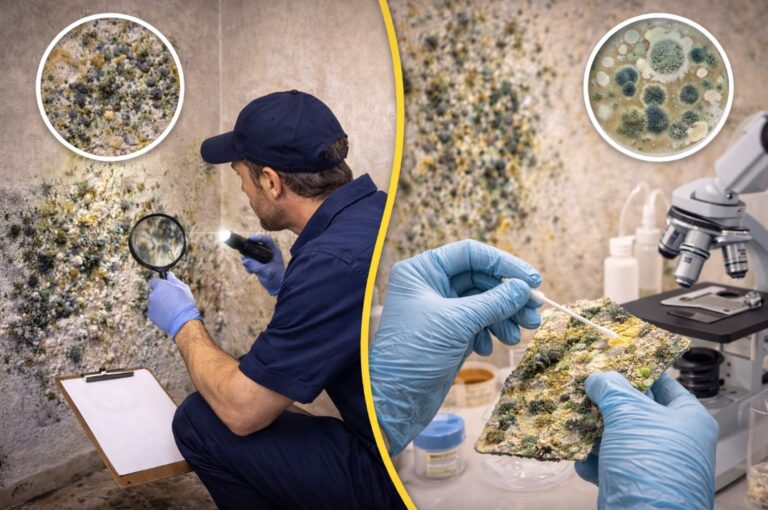
You’ll usually find three main types of green mold in San Diego homes: Aspergillus, Cladosporium, and Penicillium. Each has its favorite place to grow, and recognizing these helps you know where to look.
Aspergillus is common on painted walls, insulation, and inside HVAC ducts—especially when ducts run through cool, damp crawl spaces or attics. Cladosporium tends to like wood, fabric, and even painted or wallpapered surfaces, making it a frequent visitor behind baseboards or in closets. Penicillium is the one you might spot on water-damaged books, carpets, or drywall, thanks to its love of organic, absorbent materials.
The pattern I keep seeing in San Diego is that older homes and rentals are more likely to have green mold problems. That’s because they often lack proper ventilation or have windows that sweat when it’s cool outside and warm inside. Condos with shared walls and less airflow can also be trouble spots, especially if the HOA hasn’t updated the building envelope in a while.
☑️ Check behind furniture and in closets for greenish patches during seasonal weather changes.
Is Green Mold Dangerous? Health and Property Risks
Green mold can trigger allergies, asthma, and respiratory symptoms, particularly in children, seniors, and people with sensitivities. Even if you’re not prone to allergies, mold growth often signals a bigger problem—like a hidden leak or chronic dampness—which can cause musty odors, discoloration, and long-term damage to surfaces.
For San Diego renters, there’s an added layer: California law requires landlords to fix mold and water problems promptly. If you see or smell green mold in your rental, document it and notify your landlord right away. Mold can take hold quickly in coastal areas, so it’s best not to wait.
And this is where it gets interesting: property damage from green mold isn’t just about looks. Over time, mold eats away at drywall, wood, and even insulation, threatening the structural integrity of your home. It can also permanently stain ceilings, window frames, and carpets if left unchecked.
Safety Note:
Wear gloves and an N95 mask when inspecting or cleaning mold.
☑️ If you notice musty smells or see green mold, address the moisture source and clean promptly.
How to Remove Green Mold Safely: Step-by-Step
To remove green mold safely in your house, always start by fixing the underlying moisture problem. Whether it’s a leaky pipe, condensation-prone window, or a poorly vented bathroom, get that sorted out first. Mold will come back if the area stays damp—San Diego’s recurring marine layer can make this especially tricky.
If the moldy area is less than 10 square feet (think a patch smaller than a standard bath towel), you can usually tackle it yourself. Use mild soap and water or a 50/50 vinegar–water mix. Avoid mixing cleaning products—never combine bleach and ammonia. Scrub gently with a sponge, rinse, and dry the area thoroughly. Open windows and use fans to speed up drying.
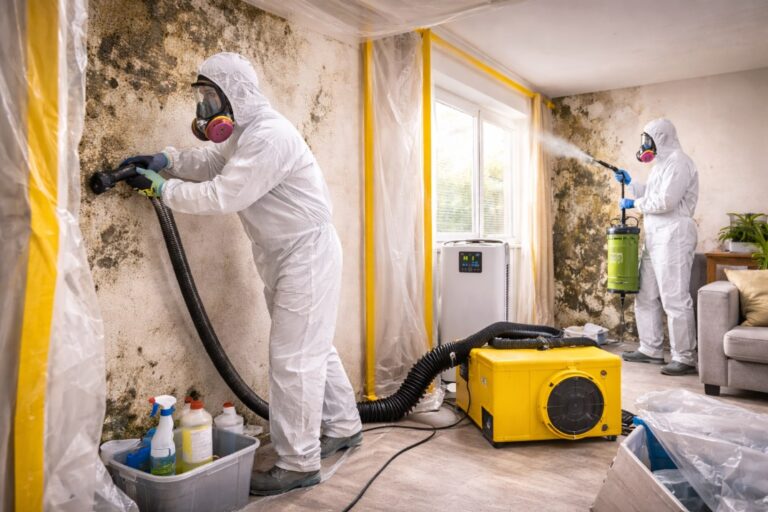
For larger moldy patches, anything over 10 square feet, or if you suspect mold inside HVAC ducts or behind walls, it’s time to call a certified mold remediation company. This is true for recurring mold, too—persistent growth often means there’s a hidden moisture source you haven’t found.
Here’s what I noticed: even after a thorough cleaning, you’ll want to keep a close eye on the area for at least 48 hours. Mold can reappear quickly if the conditions that allowed it to grow haven’t been fully addressed.
If you’re a renter, remember to document the problem and notify your landlord before doing any DIY work. Condo owners should check with their HOA before making repairs or bringing in professionals.
☑️ After cleaning, monitor the area for at least 48 hours to ensure mold does not reappear.
Preventing Green Mold: Moisture Control for San Diego Homes
The key to stopping green mold is controlling moisture—not just cleaning it up when it appears. In San Diego, that means being proactive during high humidity events like June Gloom and after coastal foggy mornings.
Use exhaust fans in your bathrooms and kitchens every time you shower or cook. If your home doesn’t have fans, crack a window or install one—especially in older buildings. Repair leaks right away, and seal windows or doors where you spot condensation. Gutters and roofs need regular maintenance, especially before winter rains, to keep water from finding its way inside.
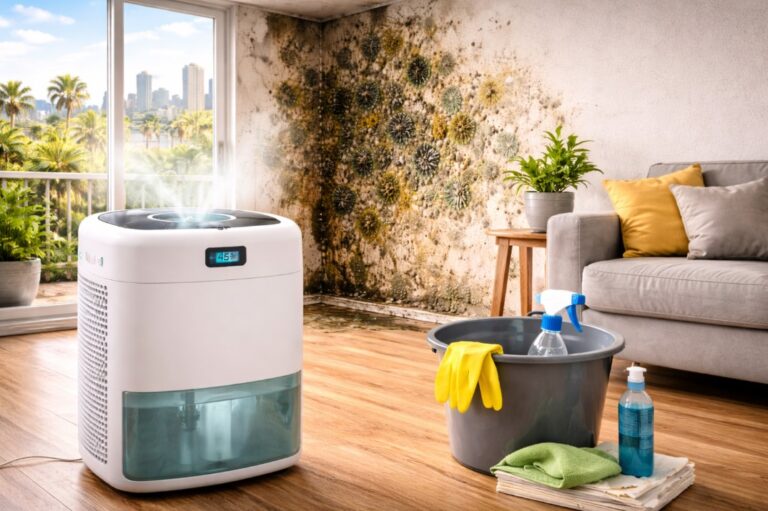
If you live in a condo or a home with less ventilation, a small dehumidifier (often $60–$200) can help keep humidity below 60%. Check for signs of dampness in attics, basements, and storage areas at least once a season. And don’t forget to check under sinks and behind appliances, where slow leaks hide.
What surprised me most is how a simple calendar reminder to check for leaks and condensation—especially after storms or foggy weeks—can catch problems before they become costly.
☑️ Set a calendar reminder to check for leaks and condensation at the start of each season.
Official Guidance: What Health and Safety Agencies Recommend
- Fix plumbing leaks and other water problems within 24–48 hours to prevent mold (EPA Mold Guidelines).
- Clean small mold areas with soap and water, not bleach, if you’re healthy and it’s less than 10 square feet (CDC Mold Cleaning).
- Wear gloves, goggles, and N95 protection when cleaning mold (EPA Mold Guidelines, CDC Mold Cleanup).
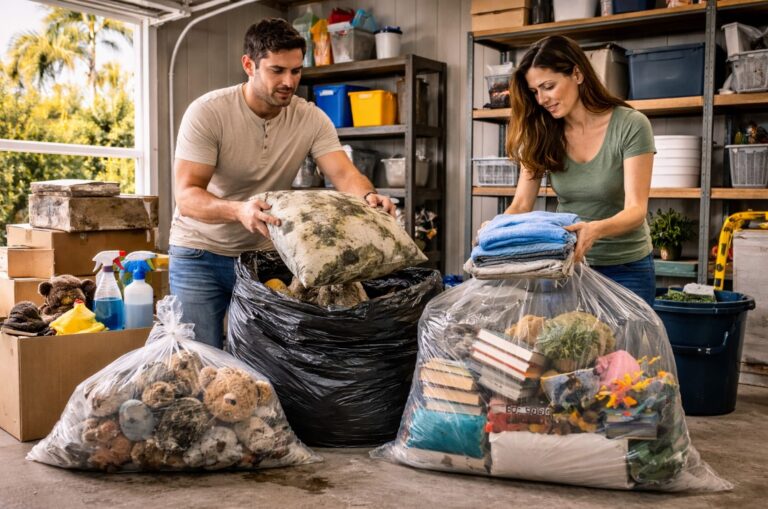
- Discard porous materials like carpet and ceiling tiles if they can’t be fully cleaned (EPA Mold Guidelines).
- If you see extensive mold, hire a licensed mold remediation professional (EPA, California Department of Public Health).
- Landlords in California must repair water leaks and address mold promptly (California Department of Consumer Affairs).
Sources Note
Sources used include the Environmental Protection Agency (EPA), Centers for Disease Control and Prevention (CDC), and the California Department of Consumer Affairs.
This article is for informational purposes only. For significant or persistent mold problems, consult a qualified specialist.
FAQ
1. What does green mold look like in a house?
Green mold usually appears as fuzzy or slimy green patches, sometimes with white or black edges, on walls, ceilings, or damp materials.
2. Is green mold dangerous to breathe?
Breathing in green mold spores may trigger allergies or asthma, especially in sensitive people.
3. How do you get rid of green mold on walls and ceilings?
Fix the moisture source, then scrub small patches with soap and water or vinegar solution. Dry thoroughly.
4. What causes green mold in bathrooms?
Persistent humidity, poor ventilation, and leaks under sinks or around tubs are common causes.
5. Can green mold come back after cleaning?
Yes, if the moisture problem isn’t fixed, green mold can return quickly.
6. How much green mold is too much to clean myself?
If the affected area is over 10 square feet or keeps returning, contact a professional.
7. Does green mold mean my home has a water leak?
Green mold often signals a leak, condensation, or high humidity—investigate to find the source.
8. Who is responsible for mold in a San Diego rental?
Landlords are legally required to fix leaks and address mold promptly in California rentals.
CTA Block
- Schedule a professional moisture inspection if you spot recurring green mold or can’t locate the source.
- Take preventative steps by checking for leaks and improving ventilation in your home.
- If you’re renting in San Diego and find green mold, contact your landlord or property manager right away.