Does Mold Attract Bugs? Hidden Ways Mold Invites Pests Indoors
Yes, mold can attract bugs and other pests into your home, especially in damp, humid environments. If you own or rent in San Diego, you know the region’s unique mix of coastal fog, marine layers, and occasional bursts of humidity can make it tough to keep moisture—and the problems it brings—out of your living space. When you spot that telltale musty smell or see fuzzy spots on walls, it’s not just an eyesore; it could be an open invitation for bugs to move in.
You might think of mold as just a cosmetic or air-quality issue, but there’s a deeper connection. In San Diego’s older homes and condos, where ventilation often isn’t ideal and moisture lingers longer, understanding this link means you can tackle both mold and pest problems at the source. And this is where it gets interesting: what you do to fight mold often helps stop bugs, too.
Quick Answer Block
- Mold releases odors and moisture that many bugs seek out.
- Damp, moldy areas provide food and shelter for pests like cockroaches, termites, and springtails.
- Moisture is the real attractant; mold simply signals a wet environment.
- San Diego’s climate (fog, humidity) increases indoor moisture risk.
- Fixing leaks and controlling humidity stops both mold and bugs.
- Untreated mold can lead to recurring pest infestations.
Why Mold and Moisture Attract Bugs Indoors
Mold and moisture attract bugs indoors because both signal exactly what insects need to survive: a steady water source and, often, something to eat. In San Diego, where marine layers and fog can creep in and linger, this is especially true—moisture gets trapped in corners, under sinks, and even in walls, turning your home into a haven for pests.
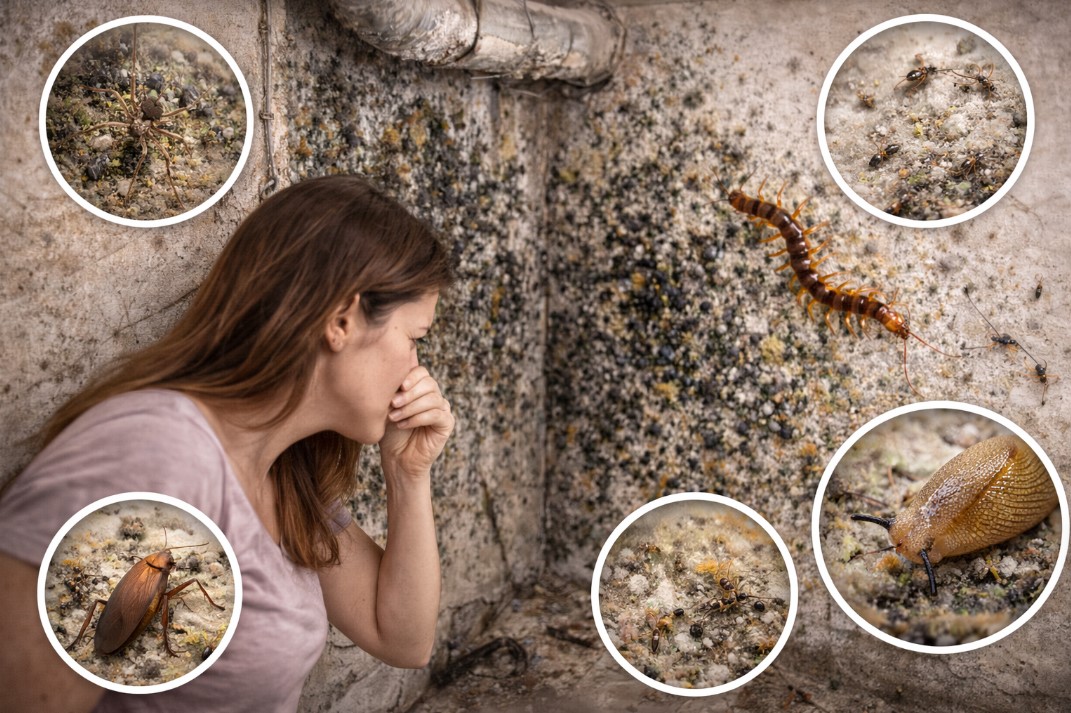
Here’s what I noticed after a few years of living in coastal San Diego: the bugs don’t show up for the mold itself, but for the conditions that mold reveals. Cockroaches, for example, are always searching for a damp spot or a food crumb, and a moldy cabinet under the sink ticks both boxes. Springtails, those tiny hopping bugs, actually feed on the mold itself, while termites and carpenter ants are on the lookout for weakened, moldy wood that’s easy to chew.
Even if you keep your home tidy, moisture can sneak in through bathroom steam, leaky pipes, or poorly ventilated basements. That’s why mold shows up first as a warning sign: if you see it, bugs probably aren’t far behind. In older San Diego homes, especially those without updated ventilation, you’ll want to be extra vigilant.
The pattern I keep seeing is simple: where there’s persistent moisture, there’s usually hidden mold, and soon after, a wave of bugs looking for food, shelter, or a place to breed.
Checklist item:
– Inspect for damp spots in kitchens, bathrooms, and basements weekly.
Bugs Most Commonly Attracted to Mold in San Diego Homes
Several types of bugs are especially drawn to moldy or damp conditions, and in San Diego, some are more common than you might expect. The coastal fog and June Gloom create perfect conditions for these pests to thrive, especially if your home is older or has had leaks in the past.
Cockroaches are probably the most notorious. They love the warmth and humidity of kitchens and bathrooms, and moldy areas just add to their attraction. You’ll often find them hiding behind appliances or in sink cabinets, especially if there’s even a small drip.
Springtails are much smaller and less obvious—they’re tiny, almost flea-sized, and they actually feed directly on mold and mildew. If you see them bouncing around windowsills or in damp basements, it’s a sign that moisture is collecting somewhere.
Termites and carpenter ants are the real troublemakers when it comes to moldy wood. They’re not drawn to the mold itself, but to the softened, decaying timber that mold creates. Once wood is damp for a while, it becomes much easier for these insects to tunnel and nest.
Don’t forget about booklice and fungus gnats. Booklice thrive in moldy paper, cardboard, and even wallpaper glue. Fungus gnats breed in the moist soil of overwatered houseplants—if you notice tiny black flies hovering near your indoor plants, hidden mold could be the reason.
It’s interesting to compare coastal and inland homes in San Diego. Those near the beach, where fog and marine layers are common, often battle condensation in windows and walls. Inland homes, by contrast, are more likely to have issues with dry heat causing pipes to sweat and subtle leaks to develop.
Checklist item:
– Place sticky traps in suspected damp areas to monitor pest activity.
Hidden Ways Mold Invites Pests Indoors
Mold and bugs don’t just show up where you can see them—sometimes, the real trouble is hidden behind the walls or under your feet. In San Diego’s older condos and rentals, I’ve found that pests often take advantage of entry points you might never think to check.
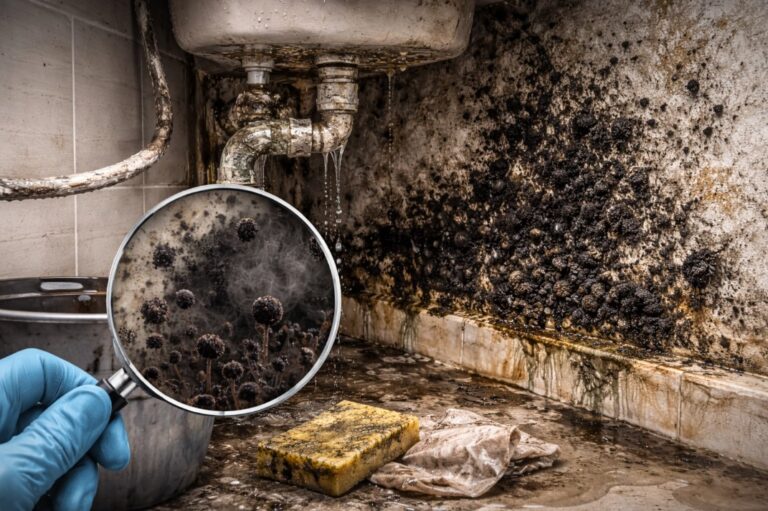
Leaky pipes are a big one, especially when the leak is slow and hidden. Even a tiny drip behind a wall can keep sheetrock and wood damp enough to grow mold—and that’s an open invitation for bugs. Condensation is another culprit, especially when warm indoor air meets cooler surfaces during a foggy morning or after a chilly night.
Windows and doors are trouble spots, too. If you live in an older building or haven’t replaced the weatherstripping in years, moisture can seep in around the edges and create damp, mold-friendly pockets just out of sight. Pests like cockroaches and ants are quick to exploit these weaknesses, especially when they lead straight into a kitchen or bathroom.
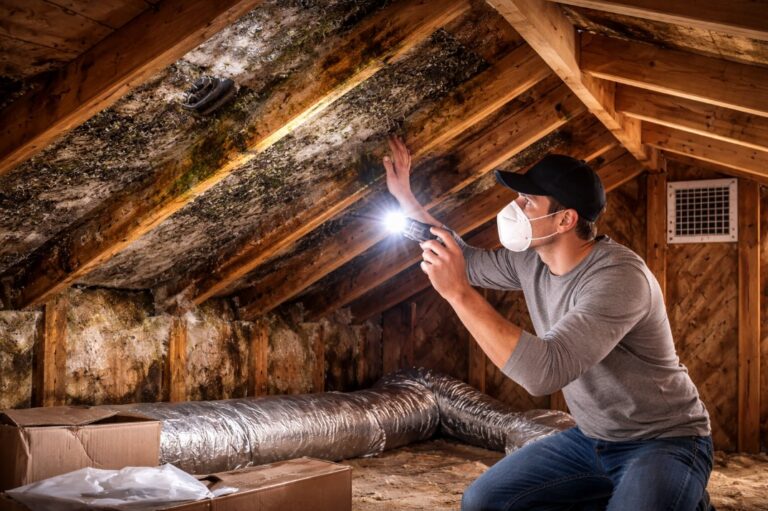
Here’s where HVAC systems come into play: if your air conditioner or heater isn’t properly maintained, it can spread both mold spores and humidity throughout your home, creating new opportunities for bugs to settle in. Even clutter—like cardboard boxes in a closet or storage area—can soak up excess moisture and become a breeding ground for both mold and pests.
Checklist item:
– Check under sinks and around windows for musty smells or soft spots monthly.
How to Break the Mold-Pest Cycle (San Diego Focus)
Breaking the cycle of mold and pest problems means dealing with moisture first, and in San Diego, that comes with its own set of challenges. The marine layer and June Gloom can leave homes damp for weeks, while inland heat waves make pipes and foundations sweat. To keep both bugs and mold at bay, you’ll need a few reliable habits.
Start by fixing leaks as soon as you spot them. Even a slow drip under the sink can lead to mold and attract pests within days. During foggy or damp periods, consider using a dehumidifier—these can cost anywhere from $50 for a small room unit to several hundred dollars for a whole-house model, but they’re worth it if you struggle with persistent humidity.
Ventilation is also crucial. Run the bathroom fan during and after showers, and open windows on dry days to let fresh air circulate. If you’ve got ceiling fans, use them to keep air moving—stagnant air allows moisture (and mold) to build up in corners and closets.
Don’t forget those out-of-sight areas: clean drains, gutters, and crawlspaces regularly to keep water from pooling. If you’re a renter or live in a condo, report leaks to your landlord or HOA right away—California law requires prompt repairs for water problems in rental units, and waiting can mean bigger headaches down the line.
Checklist item:
– Add a humidity gauge to your main living area and keep below 60% RH.
When to Call a Professional for Mold and Pest Issues
You can handle a lot of minor mold and pest issues yourself, but there are times when it’s safer and smarter to bring in a professional—especially if you’re dealing with more than just a little mildew in the shower.
If you notice large visible patches of mold (more than 10 square feet), persistent musty odors that don’t go away after cleaning, or signs of structural damage like soft floors or peeling paint, it’s time to make that call. Recurring pest infestations, even after regular cleaning and sealing of entry points, also suggest a deeper problem.
Pay attention to your health, too. If allergies or asthma seem to worsen when you’re at home, that may indicate your air quality is being affected by hidden mold or pest debris. Safety is key: handling large areas of mold without the right protective gear can be risky, and disturbing mold can actually spread spores further.
Some jobs—like removing mold from behind walls or treating a termite infestation—require specialized equipment and training. If you’re a renter or part of a condo HOA, check your lease or bylaws before hiring anyone: you might be required to notify management or use approved contractors.
Checklist item:
– If mold covers more than 10 square feet or pests persist, call a certified pro.
Official Guidance
- The EPA recommends immediate repair of plumbing leaks and water problems to prevent mold and pests.
- The CDC warns that damp environments can attract cockroaches, which trigger asthma and allergies.
- California Department of Public Health notes mold is a sign of excess moisture, which can invite pests.
- The National Pest Management Association advises regular home inspections for moisture and pest entry points.
- San Diego County recommends prompt reporting of leaks in rental units to property management.
Sources Note
- Based on guidance from the Environmental Protection Agency (EPA), Centers for Disease Control and Prevention (CDC), and California Department of Public Health.
- This information is for general education only; consult a licensed mold or pest specialist for confirmed problems.
FAQ
Does mold in my house attract bugs?
Yes, many bugs are attracted to the moisture and odors that mold produces. Mold can signal a damp environment, which draws pests like cockroaches, springtails, and termites.What bugs are attracted to mold in San Diego?
Common pests include cockroaches, springtails, booklice, fungus gnats, termites, and carpenter ants—especially in damp, coastal neighborhoods.Can you get rid of bugs by removing mold?
Addressing the source of moisture and cleaning up mold can significantly reduce pest problems, but you may also need to address other attractants and entry points.How do I know if bugs are coming from mold or moisture?
If you see bugs concentrated around damp, moldy spots or notice pest activity after leaks or humid weather, moisture is likely the root cause.Is mold more likely to attract pests in coastal or inland San Diego homes?
Coastal homes face higher risks due to fog and marine layers, while inland homes may have different moisture issues from heat and water leaks.Are there health risks from bugs attracted to moldy areas?
Some pests, like cockroaches, can trigger allergies and asthma, especially in damp, moldy environments.Do termites only eat moldy wood?
No, termites can eat any wood, but they are more likely to infest soft, mold-damaged wood because it’s easier to chew.How can I keep both mold and bugs out of my condo or rental?
Check for leaks regularly, keep humidity below 60%, report issues promptly to your landlord or HOA, and limit clutter that can trap moisture.
CTA Block
- Schedule a moisture inspection if you spot recurring mold or unexplained pest activity.
- Start a weekly home walkthrough to check for leaks, musty odors, and pest signs.
- Share this article with neighbors—mold and pests often spread between units in condos and rentals.