Black Mold Truth – What Really Causes It and How Dangerous Is It?
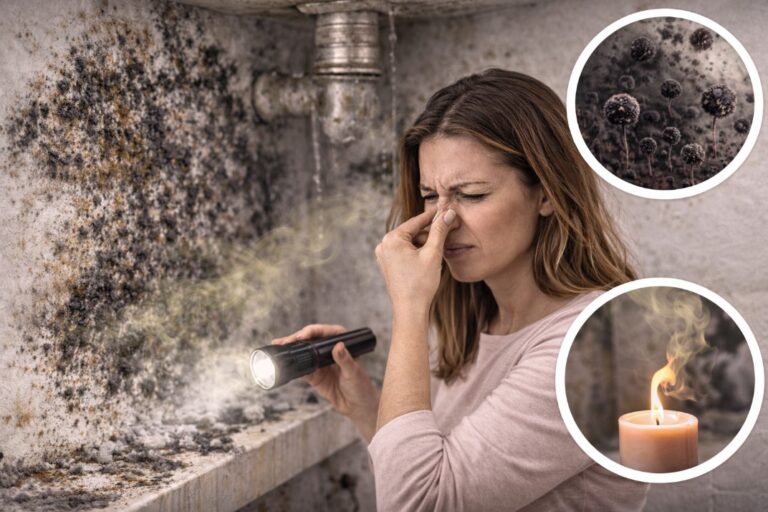
Black mold is caused by excess moisture, not by “dirty” homes or bad luck, and it can be harmful to your health if left unchecked.
For people living in San Diego, the combination of coastal weather, marine layer, and humidity spikes—even inland—means moisture problems are a real concern. Whether you own a craftsman cottage near Balboa Park or rent a condo in Pacific Beach, knowing the actual cause of black mold is the first step to keeping your home safe and healthy.
Quick Answer
- Black mold grows when indoor moisture isn’t controlled—leaks, condensation, and poor ventilation are key causes.
- It’s no more toxic than other molds, but can worsen allergies, asthma, and respiratory health.
- Stachybotrys chartarum is the species often called “black mold.”
- Visible black spots on walls, ceilings, or around windows may signal a moisture problem.
- San Diego’s fog, marine layer, and older homes increase risk if moisture isn’t managed.
- Fixing leaks and improving airflow are the most effective ways to stop black mold.
What Actually Causes Black Mold in Homes?
Black mold in homes is always the result of moisture—not dirt, clutter, or a lack of cleaning. In San Diego, this is especially true thanks to the city’s marine layer, high humidity at times, and older housing stock that’s prone to slow leaks.
Here’s what I noticed: Stachybotrys chartarum, commonly referred to as “black mold,” can only thrive when there’s a continuous source of moisture. Dust and everyday messes might make a home feel less fresh, but they don’t create the conditions black mold needs to start spreading.
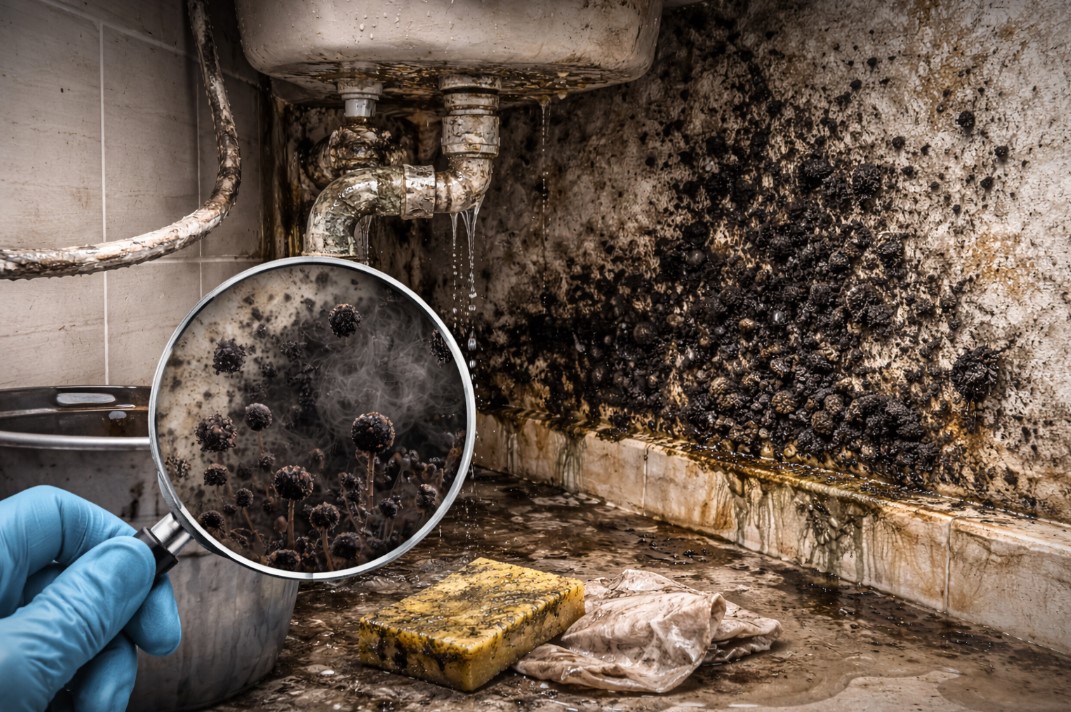
Common trouble spots include roof and plumbing leaks, condensation around air conditioning or HVAC systems, and bathrooms or kitchens without proper ventilation. In the coastal zones of San Diego, the marine layer—especially during May Gray and June Gloom—can lead to persistent dampness on window frames and walls. Even homes further inland might see humidity spikes after a foggy night, which is why both regions should stay vigilant.
Older homes and condos present extra challenges. Aging plumbing, worn window seals, and older insulation can allow moisture to seep in unnoticed. Condos often share walls and pipes, so one unit’s leak can quickly become a neighbor’s headache. Before tackling any repairs, condo owners should always check with their HOA to understand rules and shared responsibilities.
Actionable Checklist:
Check for hidden leaks under sinks, behind toilets, and near windows every 3–6 months.
How Dangerous Is Black Mold—And For Whom?
Black mold isn’t uniquely toxic compared to other molds, but it can still be a problem for your health—especially if you’re sensitive or have existing respiratory conditions.
The pattern I keep seeing is that all indoor molds, not just black mold, can cause health issues when they’re allowed to grow unchecked. Research suggests that people with asthma, allergies, infants, and seniors are most vulnerable to symptoms. These can include coughing, sneezing, irritated eyes or skin, and for those with asthma, worsening attacks. While the media sometimes uses the term “toxic black mold,” studies show Stachybotrys chartarum is not inherently more dangerous than other molds found indoors. The real risk is constant exposure to mold spores and the underlying moisture that allows them to multiply.
Long-term moisture issues—like a slow plumbing leak behind a wall or a chronically damp bathroom—mean mold can keep coming back and spreading. And this is where it gets interesting: most of the real danger comes from ignoring that persistent moisture, not from the mold color or species itself.
Actionable Checklist:
If you notice musty odors or persistent symptoms, check damp areas and consult your doctor.
Signs You Have a Moisture Problem (Not Just “Mold”)
The biggest clue that black mold might become a problem isn’t the mold itself—it’s the silent, ongoing presence of moisture. Stains on walls or ceilings, bubbling paint, warped floors, and musty smells all point to a hidden water issue.
What surprised me most is how often people focus only on cleaning visible mold, rather than tracking down the water source. Mold is a symptom—like a warning light. If you only scrub away spots but don’t fix the leak or dry out the room, the mold will almost always return. In San Diego, keep an eye out for window condensation, especially after foggy nights or during the cooler mornings of June Gloom. That moisture can quickly seep into window frames or drywall.
Older homes, in particular, are prone to subtle signs: discolored baseboards, slightly soft floors near bathrooms, or the smell of dampness in closets. Don’t ignore these hints, as they usually show up before black mold becomes visible.
Actionable Checklist:
Use a moisture meter or inexpensive humidity gauge to spot problem rooms (aim for <60% RH indoors).
When to Handle Mold Yourself—And When to Call a Pro
If you spot a small patch of black mold—less than about 10 square feet, or roughly the size of a standard printer paper—you can usually clean it yourself if it’s on a hard, non-porous surface. Just use detergent and wear gloves, an N95 mask, and goggles to avoid contact.
Larger or hidden patches are a different story. If the mold covers a big area, keeps coming back, or you suspect it’s growing inside walls or under flooring, it’s time to call a licensed mold remediation professional. Disturbing heavy mold growth can spread spores through the air and may increase your exposure to allergens. For renters, always document the problem with photos and notify your landlord as soon as possible. Condo owners should check HOA rules before starting any work, especially if shared pipes or walls are involved.
Actionable Checklist:
If visible mold covers more than a sheet of printer paper or keeps returning, consult a professional.
Preventing Black Mold in San Diego Homes
San Diego’s unique climate means specific strategies work best for keeping black mold at bay. Using exhaust fans in bathrooms and kitchens is crucial—especially during and after the “June Gloom” season when humidity can linger indoors.
Regular checks of your roof and gutters before and after the rainy season can prevent slow leaks from becoming mold magnets. If you live in a condo or rental, report any leaks or moisture problems to your HOA or landlord right away. Moisture control is a shared responsibility in multi-family buildings, and prompt action can prevent bigger issues for everyone.
Opening windows on dry, breezy days is a simple way to boost ventilation and reduce indoor humidity. For rooms that tend to get damp—like basements, laundry areas, or lower-level bedrooms—running a dehumidifier during humid spells or after a minor leak can make a big difference. Basic humidity gauges cost as little as $10–$20, and small dehumidifiers start around $40.
Actionable Checklist:
Run a dehumidifier in problem rooms during humid spells or after a leak.
Official Guidance: What Authorities Say About Black Mold
According to the EPA, controlling moisture is the most important step in preventing mold growth indoors. The CDC recommends cleaning small patches of mold with soap and water, and repairing any leaks as soon as possible. For larger or persistent mold problems, both agencies advise hiring professionals to limit health risks and ensure the source of moisture is fixed.
Both the EPA and CDC stress that “toxic black mold” is a misleading term. Any mold can be a problem if it multiplies and spreads indoors. The California Department of Public Health highlights the need for good ventilation and rapid repairs in coastal climates like San Diego’s, where moisture problems are a year-round risk.
Sources Note
Sources for this article include the U.S. Environmental Protection Agency (EPA), Centers for Disease Control and Prevention (CDC), and the California Department of Public Health.
This article is for informational purposes only. For confirmed or severe mold issues, consult a licensed mold remediation specialist.
FAQ
What really causes black mold in San Diego homes?
Excess moisture from leaks, condensation, or poor ventilation is the root cause—not dirt or lack of cleaning.How can I tell if black mold is dangerous in my house?
Black mold is not more toxic than other indoor molds, but all molds can trigger allergies and asthma, especially with ongoing exposure.Are there unique risks for black mold in coastal areas or during June Gloom?
Yes, coastal fog, marine layer, and humidity spikes during June Gloom can raise indoor moisture, increasing mold risk if not managed.What’s the difference between black mold and other types of mold?
Stachybotrys chartarum (“black mold”) is just one species. All indoor molds need moisture and can cause similar health issues.How can I safely clean small spots of black mold myself?
If the area is less than 10 sq ft and on a hard surface, use detergent, protective gear, and dry the area thoroughly.When should I hire a professional for black mold removal?
If mold covers more than a sheet of paper, keeps returning, or you suspect a hidden water source, call a licensed specialist.What are the early warning signs of a moisture problem in older homes?
Look for stains, bubbling paint, warped floors, musty odors, and visible condensation—especially after foggy or rainy weather.Can black mold make my allergies or asthma worse?
Yes, research suggests a possible association between indoor mold exposure and worsened allergy or asthma symptoms.
Take Action
- Inspect your home for signs of leaks or dampness, especially after foggy or rainy weather.
- If you find suspicious spots, use a moisture meter to check for hidden dampness before cleaning.
- For recurring or widespread mold, get a professional inspection to address the underlying moisture problem.