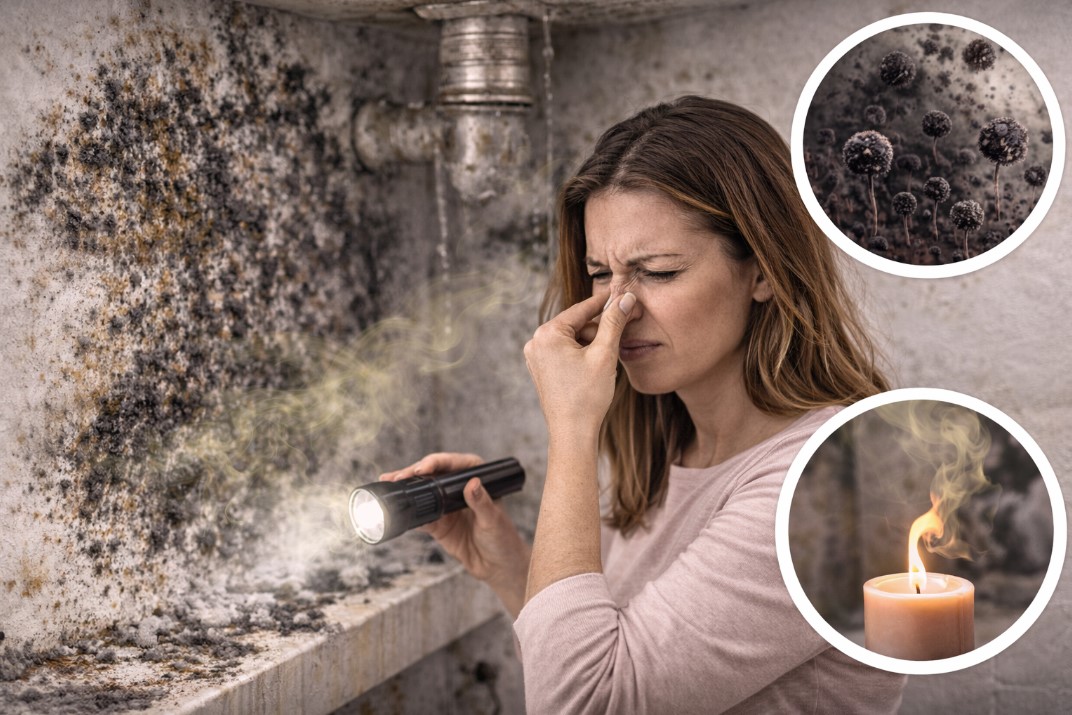
Yes, black mold usually has a distinct smell—often described as musty, earthy, or similar to rotting wood. This odor can be a valuable warning sign, especially when mold is hidden behind walls or under flooring.
For San Diego homeowners and renters, detecting unusual odors is especially important. The region’s coastal fog, marine layer, and frequent “June Gloom” can trap moisture inside older homes, condos, and apartments, creating ideal conditions for mold growth. Knowing what black mold smells like helps you catch hidden problems before they escalate—remembering that mold is the symptom, but moisture is the real cause.
- Black mold often smells musty, damp, or earthy, like wet socks or rotting leaves.
- Smell strength depends on moisture levels and ventilation.
- A persistent musty odor can signal hidden mold—especially inside walls or under carpet.
- San Diego’s humidity and marine layer can worsen indoor moisture problems.
- If you notice a new, unexplained musty smell, investigate for leaks or excess moisture first.
- Mold smell = mold-friendly moisture problem; address moisture to prevent recurrence.
Why Black Mold Smell Is a Red Flag in San Diego Homes
Black mold gives off a strong musty odor because it releases microbial volatile organic compounds (MVOCs) as it grows, and in San Diego’s climate, this scent can be the first clue to a hidden moisture issue. The interplay of coastal fog and marine layer can keep humidity high indoors—especially in older houses and condos where ventilation is limited or maintenance has lapsed.
The pattern I keep seeing in San Diego homes is that odor is often the very first sign of trouble. Mold can thrive out of sight for weeks or months behind drywall, under flooring, or in crawl spaces before any visible growth appears. That’s why paying attention to a persistent musty smell can help you intervene early, before a minor moisture issue turns into a major mold problem.
If you notice this kind of odor, check for recent leaks (even small ones), water stains on ceilings or walls, or condensation around pipes and windows. Don’t forget to look in places where moisture is most likely to collect—bathrooms, kitchens, laundry areas, and anywhere ventilation is poor. And as a safety note: avoid inhaling air directly from suspected moldy areas. If you need to inspect, open windows to let fresh air in if conditions allow.
What Does Black Mold Smell Like? Describing the Odor
Black mold’s smell is distinctive—most people describe it as musty, earthy, or damp, reminiscent of wet soil, rotting wood, or old socks. In San Diego, this odor can become especially noticeable after a period of coastal fog, rain, or during June Gloom, when homes are closed up and air conditioning isn’t running as much.
It’s easy to confuse moldy odors with other common household smells, such as pet odors, accumulated dust, or lingering scents from cleaning chemicals or fresh paint. What surprised me most is how mold’s musty scent often intensifies after a rainstorm or when windows are kept shut for extended periods.
To pinpoint if black mold is the source, sniff around baseboards, beneath sinks, and near windows after humid weather—then compare to other rooms where the odor isn’t present. If you notice the smell is confined to one area, that’s a strong indicator of a localized moisture problem.
If the odor is strong but you can’t see any visible mold, it may be time to call in a professional to investigate for hidden leaks or moisture inside walls or floors.
Where Black Mold Hides: Common San Diego Problem Spots
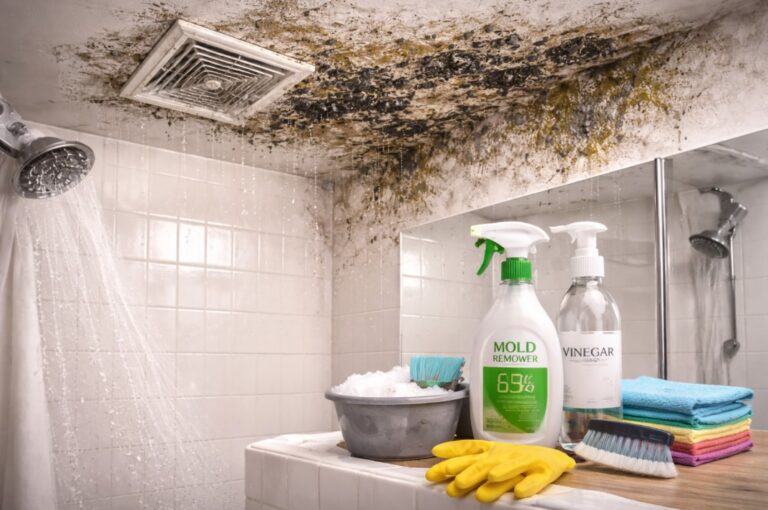
Black mold is notorious for hiding in places most homeowners rarely check, especially where moisture can quietly accumulate. In San Diego, common problem spots include bathrooms without exhaust fans, under sinks, around windows with failed seals, inside wall cavities behind leaky pipes, and in crawl spaces or garages exposed to damp ground.
Older homes, coastal condos, and rentals with deferred maintenance are especially vulnerable. Moisture from plumbing leaks, roof leaks, or even just poor air flow provides the perfect conditions for hidden mold to flourish. And this is where it gets interesting—sometimes the only clue is a faint musty smell, long before you see any water damage.
Take a close look for water stains, peeling paint, or warped surfaces on walls, ceilings, or floors. These subtle signs often indicate a hidden moisture problem. If you discover a musty odor, don’t delay: the first 24–48 hours after a leak or water event are crucial. Mold can begin to grow in as little as 24 hours, so investigating promptly can make all the difference.
Next Steps: What To Do If You Notice a Musty Smell
If you catch a persistent musty odor in your home, don’t brush it off or just cover it up with air fresheners. Start by tracking down any recent water events—a leaky pipe, a spill that wasn’t dried, or condensation on windows. Dry any wet areas right away and increase ventilation by using fans or opening windows if it’s safe to do so.
If the smell lingers but you can’t find any visible mold, it’s smart to consider hiring a leak detection or moisture remediation specialist. Surface cleaning alone won’t solve the problem if moisture is trapped inside walls or under floors. Addressing the moisture source is the only reliable way to stop mold from returning.
Document the situation: note when and where you first noticed the odor, and take photos of any water damage before making repairs. Renters should notify their landlord in writing and provide documentation. Condo owners should check with their HOA before starting repairs, as shared walls and common plumbing can complicate matters.
If the moldy area is small (less than 10 square feet) and on a hard, washable surface, DIY cleanup may be possible. But for persistent, hidden, or extensive odors, professional help is the safest route.
Official Guidance: What Authorities Say About Mold Odors
The CDC cautions that a musty or moldy smell almost always points to a hidden moisture issue, not just everyday dust or dirt. The EPA advises investigating and fixing the source of moisture immediately if you notice persistent musty odors, since cleaning visible mold without stopping the moisture means the problem will come back.
The California Department of Public Health also highlights that a moldy smell is a key clue for finding hidden leaks or poor ventilation inside homes, especially in coastal regions. Both the EPA and CDC stress that people with asthma, allergies, or weakened immune systems should avoid exposure to musty indoor air, as it may worsen their symptoms.
Sources Note
Information in this article was drawn from the CDC, EPA, and the California Department of Public Health. This guide is for informational purposes only; always consult a qualified professional for confirmed mold or moisture issues.
FAQ
Can you smell black mold before you see it?
Yes, in many cases, black mold produces a noticeable musty odor before any visible growth appears, especially if it’s hidden inside walls or under flooring.What does black mold smell like in a house?
It typically smells musty, earthy, or like damp soil or rotting wood. The odor is strongest in closed-up, humid spaces.Is a musty smell always a sign of mold?
Not always—musty smells can come from damp materials, old carpets, or stored items, but persistent mustiness often points to hidden mold or a moisture issue.How do you differentiate black mold smell from other odors?
Black mold odor is more earthy and persistent than pet odors or chemical smells. Compare the scent in different rooms and after humid weather for clues.Does black mold smell go away after cleaning?
Only if the underlying moisture issue is fixed. Otherwise, the odor and mold will likely return.Are there health symptoms that come with mold smell exposure?
While the smell itself doesn’t cause symptoms, musty indoor air may be linked to worsened allergy or asthma symptoms in sensitive individuals, according to research.How quickly does black mold develop after a water leak?
Visible mold can start growing in as little as 24–48 hours after a leak or water intrusion.Do dehumidifiers help remove black mold odor?
Dehumidifiers can help by reducing indoor moisture, which may lessen musty odors and prevent mold growth, but they won’t remove existing mold.
CTA Block
- If you notice a persistent musty smell, inspect your home for leaks and excess moisture right away.
- For hidden or recurring odors, consult a San Diego moisture detection specialist for a thorough evaluation.
- Keep humidity in check and ventilate regularly, especially during coastal fog or inland heat waves.