How Climate Affects Mold Growth: Key Temperatures and Humidity Levels
Mold thrives when indoor humidity stays above 60% and temperatures are between 60–85°F, which is common in San Diego’s coastal climate and older homes with limited ventilation. If you live in San Diego, you probably know how the marine layer fog and those summer heat waves can make your house feel sticky or damp. That coastal moisture—especially in condos, older homes, or rentals without great airflow—can set the stage for mold before you even see a problem. Stopping moisture early is the real secret to protecting your home.
- Mold grows fastest at 60–85°F and 60%+ indoor humidity.
- San Diego’s coastal fog and marine layer frequently raise indoor humidity.
- Mold spores are always present, but need consistent moisture to grow.
- Poor ventilation in condos or older homes increases mold risk.
- Reducing excess moisture is the most effective way to prevent mold.
- Even short periods of dampness (24–48 hours) can trigger growth.
How Climate Drives Mold Growth in San Diego
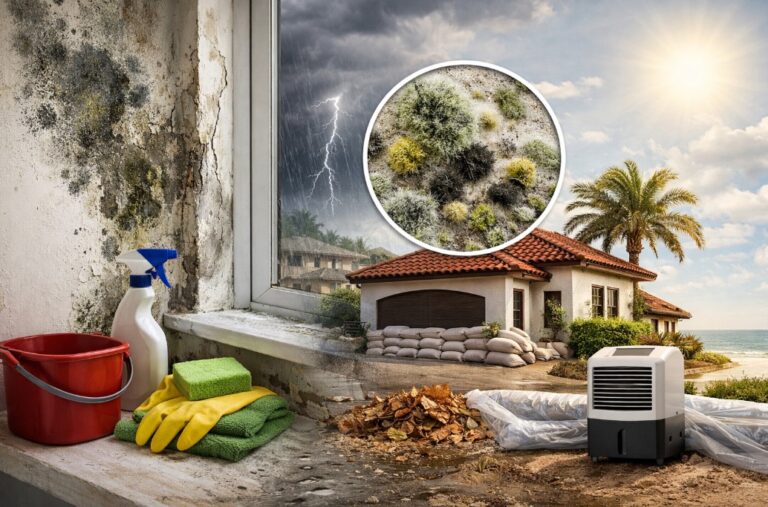
Mold risk in San Diego is shaped by the local weather, especially if you live near the coast. The marine layer, coastal fog, and the infamous “June Gloom” keep humidity levels high for weeks at a time. If you’re in a historic bungalow or a rental apartment, you might notice how these conditions linger indoors, especially when windows are closed or there’s no modern ventilation.
Inland areas see a different pattern—heat waves spike temperatures, and when you cool off your home with air conditioning, condensation can form on windows or inside walls. That’s a sneaky way moisture builds up, even if you don’t feel the humidity.
What surprised me most is how older homes and rentals are at extra risk, simply because they often lack updated moisture barriers or good airflow. If you’re in a condo, check if your HOA has guidelines for venting or moisture control before making upgrades.
Remember, mold isn’t the real problem—moisture is. Mold is just the visible symptom telling you that water is hanging around somewhere it shouldn’t be.
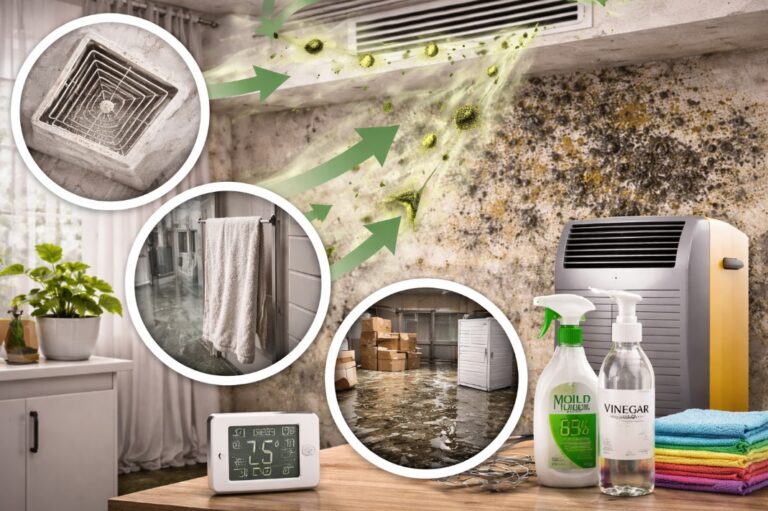
☑ Monitor indoor humidity (use a hygrometer) and keep it below 60%.
Key Temperatures and Humidity Levels for Mold
Mold loves when indoor temperatures sit between 60–85°F, and it only needs humidity above 60% to get going. That’s right in the comfort range for most San Diego homes, especially during our long, foggy mornings or warm, muggy evenings.
Even if you only have a brief spike in moisture—say, after drying laundry indoors, a coastal drizzle, or a hot shower in an unvented bathroom—mold can start to grow within 24–48 hours. It doesn’t take much. The pattern I keep seeing is that just a single foggy morning with closed windows is enough to kickstart growth in the right spot.
Local triggers? Think about how often you dry clothes inside, or when the marine layer rolls in and leaves windows dripping. Even a tiny leak under the sink, if left wet, can be all it takes.
☑ After any water event, dry damp areas within 24 hours to stop mold before it starts.
Why Moisture—Not Just Mold—Is the Real Problem
If you’ve seen a mold patch, that’s just the tip of the iceberg. Mold absolutely needs persistent moisture to grow—it doesn’t matter how many spores are floating around. If you cut off the moisture, you cut off the problem.
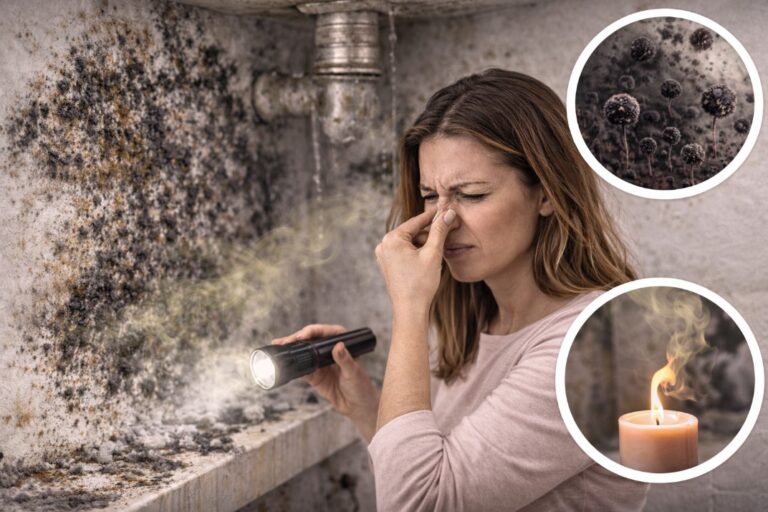
Leaks, condensation, and poor ventilation are the big culprits in San Diego homes. Sometimes, the real trouble is hidden: water might seep behind walls or under flooring, especially in older houses where waterproofing has worn down. Visible mold or that classic musty smell usually means there’s water hiding somewhere you can’t see.
Here’s what I noticed: if you just wipe away the mold but don’t fix the underlying moisture, it always comes back. That’s why it’s so important to look for leaks, condensation, or any source of dampness before grabbing the cleaning spray.
☑ Inspect for leaks or condensation if you see mold or musty odors—don’t just clean visible spots.
Ventilation and Home Design Factors in San Diego
How your home is built, and how well it breathes, makes a big difference in mold risk. Condos and older houses in San Diego often have poor airflow, which traps humidity inside. If your place has single-pane windows, an old roof, or bathrooms without exhaust fans, you’re likely to see condensation gathering on surfaces—even more so during those foggy “June Gloom” stretches.
Modern homes are sometimes just as tricky: tight seals and energy-efficient builds keep air in, but if you don’t have mechanical ventilation, moisture stays trapped.
You can lower risk with simple upgrades like adding exhaust fans in bathrooms and kitchens, or even just cracking a window during humid weather. For older condos or houses, check with your HOA before making big changes—sometimes you’ll need approval, and they might cover part of the cost.
And this is where it gets interesting: small DIY fixes (like running a bathroom fan or using a window vent) can help with everyday moisture, but if you’re noticing ongoing dampness or mold, upgrading your ventilation system—or calling in a pro—may be needed.
☑ Use exhaust fans in kitchens and bathrooms, especially during foggy or humid weather.
When to Call a Pro: Recognizing Serious Moisture or Mold Issues
Sometimes, DIY just isn’t enough. If you see large or recurring mold patches, there’s likely an ongoing moisture problem that needs a professional touch. Mold inside walls, on ceilings, or paired with a strong musty odor means the issue runs deeper than surface cleaning.
For renters, it’s smart to document the problem and notify your landlord or property manager right away. In condos, check your HOA’s process for moisture or mold issues—some associations have preferred vendors or reimbursement policies.
If anyone in your home has respiratory symptoms, allergies, or if you just can’t figure out where the moisture is coming from, don’t hesitate to consult a licensed mold or moisture specialist. Safety matters more than saving a few bucks on DIY.
☑ If you find extensive or hidden mold, or can’t identify the moisture source, call a licensed mold/moisture specialist.
Official Guidance: What Experts Say About Mold, Temperature, and Humidity
The EPA recommends keeping indoor humidity below 60%—ideally between 30% and 50%—to prevent mold. The CDC emphasizes drying wet areas within 24–48 hours after a leak or spill, since mold can start growing quickly in damp conditions. The California Department of Public Health points out that finding and fixing moisture sources like leaks or condensation is the first step, before even thinking about mold cleanup.
Some studies show that using exhaust fans and increasing ventilation in damp-prone rooms—like bathrooms and laundry areas—can lower mold risk. The CDC also notes that if you see visible mold or smell a musty odor, you should look for the underlying moisture rather than just cleaning the surface.
Sources Note
Sources for this article include the EPA, CDC, and California Department of Public Health. For informational purposes only; always consult a qualified moisture or mold specialist for confirmed or severe issues.
FAQ
What temperature and humidity does mold need to grow in a house?
Mold grows fastest at 60–85°F and when indoor humidity is above 60%.How does San Diego’s climate affect mold risk in homes?
The marine layer, coastal fog, and “June Gloom” keep humidity high, especially in older or poorly ventilated homes, increasing mold risk.Can mold grow in air-conditioned apartments during summer?
Yes, if there’s condensation from cooling warm air or if indoor humidity stays above 60%, mold can still grow.How quickly can mold start after a water leak?
Mold can begin to grow within 24–48 hours of a water event or persistent dampness.Is indoor humidity higher during June Gloom in San Diego?
Often, yes—extended foggy periods can raise indoor humidity, especially without good ventilation.What’s the best way to measure humidity in my home?
Use an affordable digital hygrometer to monitor indoor humidity levels.Why does mold keep coming back after cleaning?
If the underlying moisture or leak isn’t fixed, mold will return even after cleaning.Should I use a dehumidifier in coastal San Diego homes?
If you struggle to keep humidity below 60%, a dehumidifier can help reduce moisture and lower mold risk.
Take Action
- Check your home’s humidity with an inexpensive hygrometer—aim for below 60%.
- If you spot leaks or musty odors, address the moisture source promptly.
- Unsure about a mold or moisture issue? Consult a San Diego moisture control specialist for an assessment.