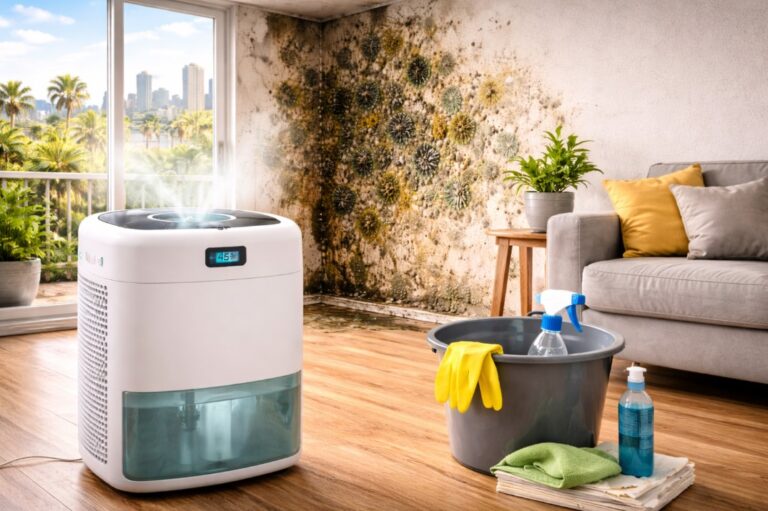
Mold Facts: 10 Surprising Things About Mold Everyone Should Know
Mold is more than an unsightly nuisance—it’s a sign that moisture is present in your home, and ignoring it can lead to bigger problems.
San Diego homeowners and renters, whether you live near the coast with frequent fog or inland where summer heat can drive up indoor humidity, should know that mold is rarely the root issue. It’s a red flag that somewhere in your home, excess moisture is lurking—often from leaks, poor ventilation, or even that persistent marine layer we all know so well. Understanding the real story behind mold is your first step toward a healthier, safer home.
- Mold needs moisture to grow—controlling water is key to prevention.
- In San Diego, coastal fog and marine layers can increase indoor humidity.
- Mold can start growing within 24–48 hours after a leak or flood.
- Most mold in homes is hidden inside walls, under floors, or behind cabinets.
- Mold exposure can be a health risk, especially for children and people with allergies.
- The best way to stop mold is by fixing leaks and improving ventilation—not just cleaning stains.
Why Moisture Is Always the Real Problem
Mold cannot grow without moisture, so the real issue is always water—whether it’s from a leaky roof, condensation, or persistent San Diego coastal fog.
Residents along the coast are all too familiar with June Gloom and the marine layer blanketing neighborhoods in moisture. Inland, summer heat can drive people to close windows and run air conditioners, sometimes trapping humid air inside. What surprised me most is how often these local climate quirks contribute to hidden moisture indoors.
Common culprits include roof leaks after a rare San Diego rainstorm, condensation on bathroom windows during cool mornings, or aging plumbing in older homes and condos. Even something as minor as a faulty window seal can allow enough moisture for mold to thrive.
The pattern I keep seeing: wherever water lingers, mold follows. That’s why it’s smart to make a habit of checking for leaks or dampness every month, especially after wet weather or heavy fog. A quick response in those crucial first 24–48 hours after a leak can save you a lot of trouble down the road.
- Inspect your home monthly for signs of leaks or dampness, especially after rain or heavy fog.
How Fast Mold Can Take Hold Indoors
Mold spores are everywhere in the air, but they only become a problem when they find enough moisture to settle and grow—sometimes in less than 24 hours after water exposure.
San Diego’s climate can fool people into thinking mold is just a problem in wetter places. But closed-up rooms, especially after a plumbing leak or accidental spill, can create the perfect breeding ground. Mold growth can start in as little as 24–48 hours after something gets wet. That’s why time is of the essence after any water event.
If you’ve had a leak, even a small one, drying things out quickly is critical. For minor spills, towels and fans may do the trick. For bigger water intrusions—from burst pipes, major roof leaks, or flooding—DIY efforts might not be enough. At that point, professional drying equipment and trained technicians are almost always necessary.
- Dry out any wet area within 24–48 hours to prevent mold.
Where Mold Hides—And Why You Might Not Even See It
Most mold in homes is hidden—growing quietly behind walls, under floors, or inside HVAC systems, out of sight but not out of mind in San Diego’s diverse housing stock.
Here’s what I noticed: musty odors are often the only clue, especially in older homes and condos where moisture can get trapped between layers of building materials. Sometimes, persistent coughs or allergy symptoms signal hidden mold, even when no visible stains appear.
San Diego’s blend of older bungalows, mid-century condos, and new construction means there are plenty of places for moisture to accumulate unnoticed. Behind bathroom tile, under kitchen appliances, and inside air ducts are all common hiding spots.
If you notice a musty smell but can’t find the source, or if family members have unexplained symptoms, a professional moisture inspection may reveal problems you can’t see on your own.
- If you smell mustiness but see no stains, consider a professional moisture inspection.
Health Risks: Who’s Most Vulnerable to Mold Exposure?
Mold exposure can be a health risk, particularly for children, seniors, and those with allergies or weakened immune systems.
Allergic reactions, asthma attacks, and other respiratory symptoms are the most common issues. Some people are more sensitive than others—genetics and underlying health make a difference. Children and older adults, in particular, may be more likely to develop symptoms from lower levels of mold exposure.
That said, not everyone gets sick from mold. Some may live with moldy conditions for years and feel fine, while others develop immediate reactions. Research suggests a possible association between indoor mold and increased respiratory symptoms, but not every exposure leads to illness.
If someone in your home has persistent coughing, sneezing, or other unexplained symptoms, it’s a good idea to check for hidden moisture or mold issues as a precaution.
- If anyone in your household has unexplained symptoms, have your home checked for hidden moisture.
Mold Prevention Starts with Smart Home Habits
The best way to keep mold at bay is to control indoor moisture with proactive habits and a few simple tools.
Regularly check for leaks under sinks, around windows, and in basements or garages. Use bathroom and kitchen exhaust fans, especially after showers or cooking. Coastal fog and June Gloom can push up indoor humidity, so keeping it under 60% is a good target. During and after storms, open windows briefly to let air circulate, unless outside humidity is extremely high.
Even a basic hygrometer—often $10–$20 at hardware stores—helps you keep tabs on your humidity levels. If readings get too high, a small dehumidifier can make a big difference, especially in older homes or tight spaces.
- Invest in a simple hygrometer to monitor humidity and use a dehumidifier when needed.
Official Guidance: Mold & Moisture in Homes
The EPA recommends fixing all water leaks and drying wet areas within 24–48 hours to prevent mold growth. The CDC also emphasizes the importance of controlling indoor humidity, ideally keeping it below 60%. Both agencies caution against using bleach on porous surfaces like drywall, as it does not remove mold roots—physical removal is preferred.
Health authorities agree that people with allergies, asthma, or weakened immune systems are more likely to be affected by mold. The California Department of Public Health and local experts suggest ventilating homes after rain or when coastal fog and marine layers roll in.
If you discover a large amount of mold (over 10 square feet), the EPA and CDC recommend consulting a professional for safe removal.
Sources Note
- Organizations referenced:
- U.S. Environmental Protection Agency (EPA)
- Centers for Disease Control and Prevention (CDC)
- California Department of Public Health
- This article is for informational purposes only; always consult a qualified specialist for mold or moisture problems confirmed in your home.
FAQ
1. What are the most important mold facts for homeowners in San Diego?
Mold is a sign of moisture problems, not the root issue. San Diego’s marine layer and humidity can contribute to mold growth, so regular inspections and moisture control are key.
2. How fast can mold grow after a water leak?
Mold can begin to grow within 24–48 hours after water exposure, so drying wet areas quickly is essential.
3. What causes mold to grow inside homes?
Mold needs moisture to grow—common sources include leaks, condensation, and high indoor humidity.
4. Can mold in my home make me sick?
Mold exposure may be linked to allergies, asthma, and respiratory symptoms, especially in sensitive individuals.
5. How do I know if I have hidden mold?
Musty odors, persistent allergy symptoms, or moisture problems without visible stains may indicate hidden mold.
6. What are the best ways to prevent mold in San Diego’s climate?
Check for leaks monthly, use exhaust fans, keep humidity below 60%, and ventilate after coastal fog or rain.
7. Should I try to clean mold myself or call a professional?
Small, visible areas can sometimes be cleaned safely, but for larger or hidden mold (over 10 square feet), consult a professional.
8. Does renters insurance cover mold damage in San Diego apartments or condos?
Coverage varies; document issues, notify your landlord promptly, and review your policy or consult your insurer.
Take Action
- Take a walk through your home this week and check for leaks or musty odors—catching moisture early is your best defense.
- Invest in a hygrometer to monitor your indoor humidity, especially during foggy or rainy periods.
- If you’re concerned about hidden mold or have persistent moisture issues, contact a local San Diego moisture inspection specialist for peace of mind.