Mold vs. Mildew – How to Tell the Difference and Why It Matters
Mold and mildew are both types of fungi, but they differ in appearance, health risks, and how you handle them. Mold is usually thicker, darker, and can damage surfaces, while mildew is lighter, powdery, and typically grows on damp, flat areas.
For San Diego homeowners, these differences are especially important. The region’s mix of coastal fog, June Gloom, and variable winter rainfall creates unique moisture challenges. Many local homes—particularly older houses and condos—face hidden leaks and ventilation issues. Spotting the difference between mold and mildew early can help avoid costly repairs, property damage, and potential health issues linked to persistent dampness indoors.
Quick Answer Block
- Mold appears fuzzy or slimy, often green, black, or blue; mildew looks flat and powdery, usually white or gray.
- Mold penetrates surfaces and can cause structural damage; mildew stays on surfaces and is easier to clean.
- Mold is linked to more serious respiratory and health risks than mildew.
- Both fungi signal excess moisture or poor ventilation in your home.
- In San Diego, coastal fog and marine layers increase the risk of both, especially in older or less ventilated homes.
- Addressing moisture is key to preventing both mold and mildew growth.
How Mold and Mildew Look, Smell, and Spread
Mold vs mildew can usually be distinguished by their appearance and odor; mold tends to be fuzzy or slimy and dark-colored, while mildew appears as a flat, powdery patch in lighter shades. In San Diego, marine layer moisture and inland humidity can cause sudden outbreaks, especially in bathrooms and attics.
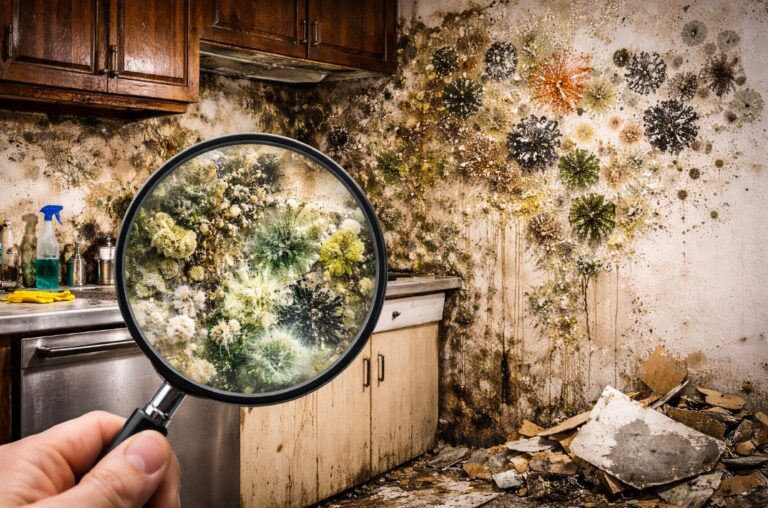
Mold typically shows up as irregular, thick spots—black, green, or even blue. It often has a musty, intense smell that’s hard to ignore. You’ll find it growing deep into porous materials: sheetrock, insulation, even inside wall cavities. That’s what makes it tricky—it can spread invisibly beyond what you see on the surface.
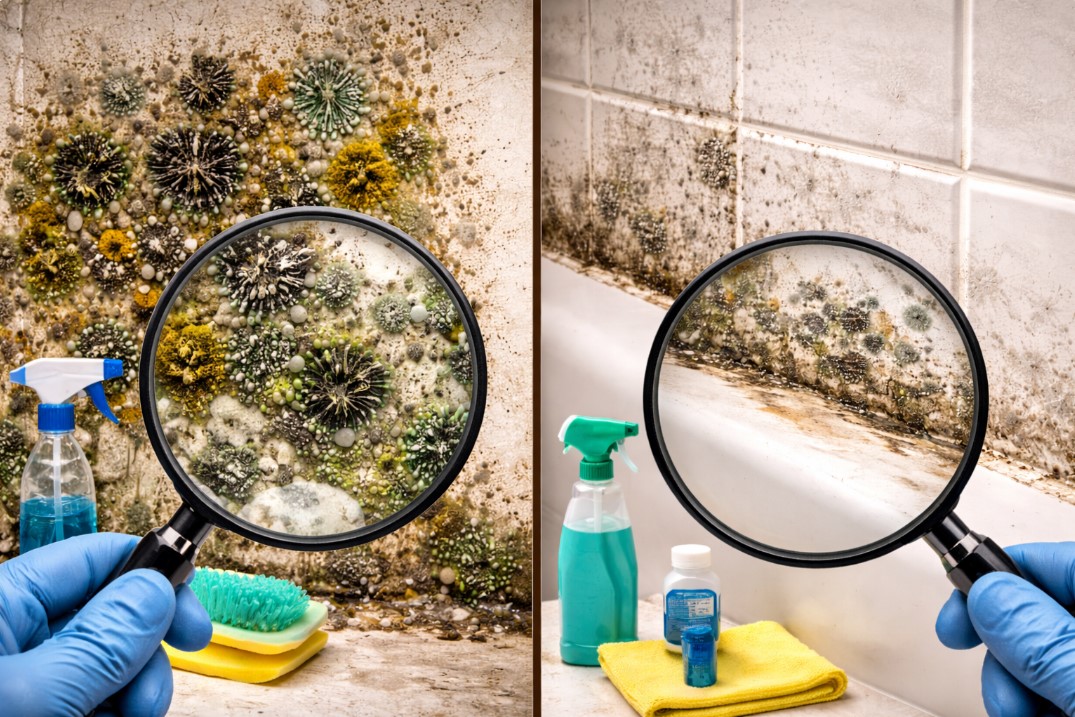
Mildew, by contrast, is usually lighter in color—white, gray, or sometimes yellow. It has a fine, powdery or fluffy texture and prefers flat, damp surfaces. Think of those pale patches on shower tiles, windowsills after a foggy night, or musty-smelling fabric in a poorly ventilated closet. Its odor is usually less pungent, but still noticeable.
What surprised me most is how these fungi spread. Mold’s growth pattern is more aggressive, tending to root into materials and expand below the surface, while mildew stays on top and is much easier to wipe away. In San Diego homes, especially older ones near the coast, you might see mildew pop up after a humid spell—but mold can develop quietly behind walls or under floors if leaks go unchecked.
Checklist:
– Inspect damp areas weekly for new spots or odors, especially after rain or during June Gloom.
Why the Difference Matters for Your Health and Home
The difference between mold and mildew matters because mold can pose greater health risks and cause more lasting property damage, while mildew is mostly a surface nuisance. In San Diego, where coastal humidity and older construction are common, understanding this distinction helps protect both your family and your investment.
Mold has been linked to allergies, asthma flare-ups, and a range of respiratory irritations—even in otherwise healthy people. It can degrade building materials, eating away at wood, drywall, and insulation. Persistent mold can mean expensive repairs down the line, especially if it’s hidden behind walls or in ceilings.
Mildew, while less alarming, can still cause problems. It’s primarily a surface irritant. Prolonged mildew growth can stain fabrics, damage painted finishes, and leave persistent odors. For most people, mildew doesn’t pose serious health threats, but it can trigger coughs or minor irritation—especially for sensitive groups.
Vulnerable groups in San Diego include young children, seniors, and renters in older apartments where leaks and poor ventilation are more common. Condo owners should also pay close attention, as shared walls and ventilation can lead to unnoticed moisture transfer between units.
Here’s what I noticed: San Diego’s unique climate—especially in neighborhoods closer to the coast—can make these risks worse. Older condos with poor airflow or homes built before modern moisture barriers are more likely to see mold in hidden spots.
Checklist:
– If you notice persistent symptoms (cough, congestion, headaches), consider a professional inspection—especially in damp or musty-smelling rooms.
– Safety note: Wear gloves and a mask when cleaning either fungus.
What Causes Mold and Mildew?
Both mold and mildew are caused by lingering moisture, not just by visible fungi. In San Diego, this often means leaks from winter storms, condensation from the marine layer, or everyday humidity in poorly ventilated bathrooms.
Mold and mildew thrive wherever water sits too long. Common sources include roof leaks, plumbing drips (especially in slab foundations), and condensation around windows. Wet laundry left indoors, steamy showers, and even high humidity after a foggy morning can create the perfect environment for both.
The pattern I keep seeing is that moisture problems are often hidden. Water can seep behind walls, under carpeting, or into crawl spaces—areas you might not think to check unless you see stains or notice a musty odor. San Diego’s mix of coastal and inland microclimates means that even homes away from the ocean can face humidity spikes after rare rainstorms or during marine layer events.
Checklist:
– After heavy rain or foggy days, check for leaks and dampness in key areas (bathrooms, kitchens, closets).
How to Safely Clean and Prevent Mold and Mildew
The safest way to handle mold vs mildew is to act quickly, clean small spots with care, and address moisture problems at the source. In San Diego, where weather can shift suddenly from foggy to dry, staying vigilant is especially important.
Small mildew patches—like those on tiles or windowsills—can be cleaned with a diluted bleach or vinegar solution. Scrub thoroughly and dry the surface well. Improving ventilation is critical: run exhaust fans, open windows during dry spells, or use a dehumidifier to keep humidity below 50%.
For mold, extra caution is needed. If the patch is smaller than 10 square feet and on a non-porous surface, you can attempt to clean it while wearing gloves and a mask. However, if you see mold covering larger areas, recurring after cleaning, or growing in porous materials (like drywall or insulation), it’s time to call a professional. The EPA and CDC both recommend professional remediation for anything beyond small, contained spots.
Address new moisture issues within 24–48 hours to prevent fungi from taking hold. This is particularly relevant in San Diego, where a sudden rainstorm or a few days of persistent fog can leave surfaces damp longer than you might expect.
Checklist:
– Always dry wet areas within 24 hours; if unsure about the extent, schedule a mold assessment.
Common Mistakes and Overlooked Areas in San Diego Homes
Many San Diego homeowners underestimate mildew, treating it as harmless, or rely on air fresheners to mask musty odors rather than solving the underlying moisture issue. These missteps can let mold problems escalate unnoticed.
A frequent mistake is ignoring persistent mildew spots on windowsills or shower grout—especially in coastal homes where fog and marine layers keep surfaces damp. Instead of finding and fixing the source, some people just cover up the smell or scrub the surface, allowing deeper issues to develop.
Another overlooked area is behind appliances, under sinks, or around window frames. Fog and coastal humidity mean these spots stay damp longer, particularly in older homes with less insulation. Condo dwellers face unique risks, too: shared walls and HVAC systems can carry moisture—and spores—from one unit to another, spreading problems out of sight.
And this is where it gets interesting: many renters and condo owners don’t realize that moisture in hidden areas (like inside closets on exterior walls) can foster mold or mildew, even if everything looks fine at first glance. For renters, documenting any suspicious patches and notifying your landlord is essential. Condo owners should always check HOA rules before starting any remediation work.
Checklist:
– Add regular checks of less-visible spots (e.g., behind appliances, inside closets near exterior walls) to your cleaning routine.
Official Guidance: Mold vs. Mildew in Homes
The Environmental Protection Agency (EPA) states that both mold and mildew indicate a moisture problem, and the first response should always be to eliminate the source of dampness. According to the Centers for Disease Control and Prevention (CDC), small mildew spots can be cleaned with household cleaners, but mold contamination—especially if widespread—should be assessed and removed by professionals.
Both agencies recommend using exhaust fans and dehumidifiers to keep indoor humidity below 50%. The Federal Emergency Management Agency (FEMA) also emphasizes drying leaks or spills within 24–48 hours to prevent mold and mildew growth. People with asthma, allergies, or compromised immune systems should avoid direct contact with either fungus.
Sources Note
Key organizations referenced in this article: Environmental Protection Agency (EPA), Centers for Disease Control and Prevention (CDC), and Federal Emergency Management Agency (FEMA).
All information is intended for general awareness. If you suspect a serious moisture or mold problem, consult a qualified specialist.
FAQ
How can I tell if I have mold or mildew in my bathroom?
Mold appears as dark, fuzzy spots (green, black, blue) and often smells musty. Mildew is usually white or gray, flat, and powdery, often seen on tile or grout.Are mold and mildew dangerous to my health?
Mold may be linked to allergy and respiratory issues, especially in sensitive groups. Mildew is mainly an irritant but can still cause discomfort if not removed.What causes mold and mildew in San Diego homes?
Moisture from leaks, condensation, coastal fog, marine layers, and poor ventilation all contribute—especially in older or poorly sealed buildings.How do I get rid of mildew on my windowsills?
Clean with a diluted bleach or vinegar solution, dry thoroughly, and improve ventilation to prevent recurrence.Should I be worried about mold in my condo’s shared walls?
Yes, shared walls and HVAC systems can allow moisture and spores to spread between units. If you detect musty odors or persistent dampness, notify your HOA and arrange for inspection.Can I clean mold myself, or do I need a professional?
You can clean small mold patches (under 10 sq. ft.) on hard surfaces, but anything larger, recurring, or in porous material should be handled by a professional.What’s the best way to prevent mildew during San Diego’s June Gloom?
Run exhaust fans, open windows on dry days, and keep surfaces dry. Check for condensation on windows and walls after foggy nights.Is mildew always a sign of a bigger moisture problem?
Mildew can signal excess humidity or poor ventilation. Persistent or recurring mildew often means there’s an underlying moisture issue that needs attention.
Take Action
- Schedule a moisture inspection if you spot persistent mold or mildew.
- Upgrade bathroom/kitchen ventilation to help prevent future fungal growth.
- Download a local checklist for inspecting your home after coastal fog or heavy rain.