Sinus infections can be triggered by mold exposure, especially in damp or poorly ventilated homes. While not all sinus infections are caused by mold, mold spores are a well-known irritant and risk factor, particularly for those with allergies or weakened immune systems.
For San Diego homeowners and renters, understanding the connection between mold and sinus health is crucial. Coastal fog, June Gloom, and older homes with hidden leaks make mold growth a real concern in this region. Staying ahead of moisture and mold issues can help protect your family’s respiratory health and reduce the risk of recurring sinus infections.
- Mold exposure can contribute to sinus infections, especially in people with mold allergies or sensitivities.
- Moisture problems in homes (leaks, poor ventilation) allow mold to grow and release spores.
- San Diego’s climate (coastal fog, marine layer, inland humidity) increases mold risk in certain homes.
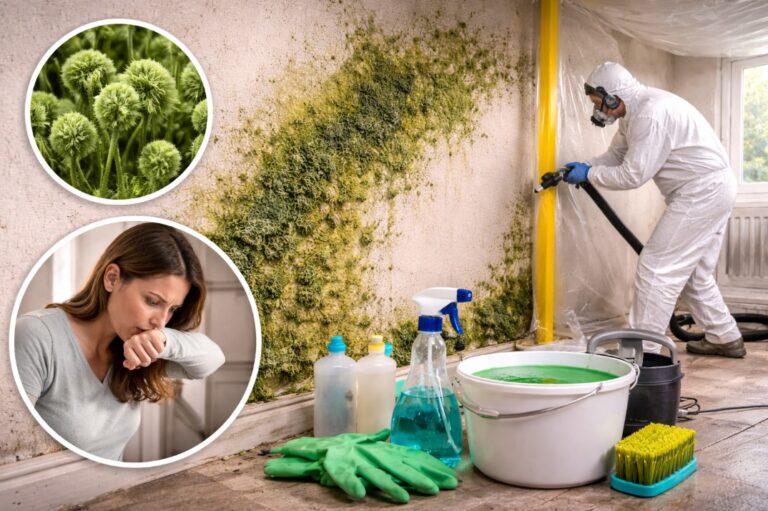
- Symptoms of mold-related sinus infections include congestion, headaches, facial pain, and fatigue.
- Preventing indoor moisture and promptly fixing leaks are key to reducing mold and sinus infection risks.
How Mold Can Cause Sinus Infections
Mold spores are airborne allergens that can irritate your nasal passages and may trigger or worsen sinus infections—especially in a city like San Diego, where older properties and seasonal humidity can create ideal conditions for mold growth. So what’s the actual connection between sinus infections caused by mold and your everyday environment?
When you inhale mold spores, your body’s immune system can react by inflaming the lining of your sinuses. This inflammation, also known as sinusitis, blocks normal drainage, creating a breeding ground for bacteria or fungi. Research from organizations like the Mayo Clinic suggests that chronic sinusitis may often be linked to fungal or mold exposure, rather than just bacteria or viruses. What surprised me most is that not everyone exposed to mold gets sick—your risk goes up if you have allergies, asthma, or a weakened immune system.
If you notice musty odors or see visible mold, take photos or notes and consider having your indoor air quality tested. This simple step can help you document the issue and make informed decisions about next steps. And for those with compromised immune systems, it’s safest to avoid direct contact with any moldy areas, as even small exposures can be risky.
Common Symptoms of Mold-Related Sinus Infections
Mold sinus infection symptoms can be subtle or mimic a regular cold, but a few telltale signs point to mold as a possible culprit—especially in regions like San Diego, where weather and home age play a role. If you’re struggling with nasal congestion that won’t quit, sinus pressure, headaches, post-nasal drip, or a persistent cough, mold exposure might be a factor.
Other symptoms sometimes include itchy or watery eyes, sneezing, or even skin rashes. Fatigue is common, too, and symptoms can drag on as long as you’re exposed to mold in your living space. The pattern I keep seeing is that these symptoms often improve when you spend time away from the affected area.
Here’s a practical tip: track when and where your symptoms worsen. If you notice you feel better outside your home or when you’re traveling, jot that down. These observations help both you and your healthcare provider spot potential links between your home environment and your sinus troubles.
Why San Diego Homes Are Vulnerable to Mold
San Diego’s unique climate means homes here face a different set of mold risks than what you might find further inland or in drier areas. Older houses and condos—with their aging pipes, leaky windows, and sometimes spotty ventilation—are common in many neighborhoods. Add in coastal fog, marine layers, and that classic June Gloom, and you get sustained indoor humidity that mold loves.
Even if you live inland, moisture can sneak in from air conditioning, plumbing leaks, or unnoticed condensation around windows and doors. And this is where it gets interesting: mold growth patterns can differ across neighborhoods. Near the coast, you’re battling outside humidity; inland, it’s more about what’s happening inside your walls and HVAC systems.
To stay ahead, make a habit of inspecting bathrooms, kitchens, and around windows for signs of condensation or water stains after especially humid days. If you spot anything, take a closer look, as small leaks or moisture spots can quickly escalate into bigger issues.
Reducing the Risk—Moisture Control and Ventilation
Reducing your risk of sinus infections caused by mold starts with tackling moisture head-on. In every San Diego home I’ve seen, mold is just a symptom—the real culprit is almost always moisture. Whether it’s a hidden plumbing leak, a slow drip under the sink, or that steamy bathroom with no exhaust fan, moisture gives mold its foothold.
Start by making sure your bathroom and kitchen fans vent outside (not just into the attic), and consider using a dehumidifier in damp rooms. You want to keep indoor humidity below 50% if possible—a $40–$80 hygrometer can help you monitor this. If you spot a leak, dry and repair the area within 24–48 hours to stop mold before it starts. For condos or rentals, always notify your property manager or landlord about any signs of leaks or mold—document it with photos and written notice.
It’s smart to set a recurring reminder every month or two to check under sinks and behind appliances for signs of moisture or slow leaks. Early action is your best defense. For reference, leaks left wet for more than 48 hours can jump-start mold growth, especially during humid weather.
When to Seek Professional Help for Mold or Sinus Symptoms
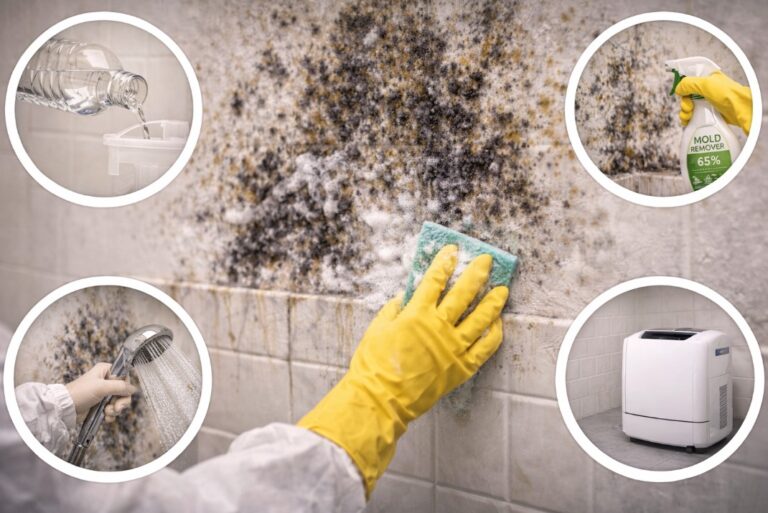
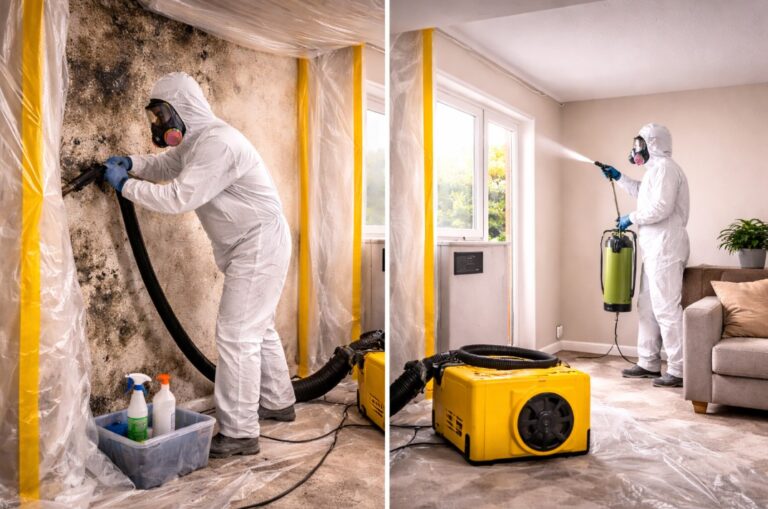
Sometimes you can tackle small mold issues yourself—if the affected area is less than 10 square feet, and you have the right protective gear, you may be able to clean it safely. But for large, hidden, or recurring mold problems, it’s best to step back and call in professionals. This is especially true if you live in a San Diego condo—always double-check your HOA rules before doing any remediation work.
Persistent or severe sinus symptoms deserve professional medical attention, too. If you suspect mold is making you sick, consult both a healthcare provider and a licensed mold remediation specialist. Here’s what I noticed: people often underestimate the scope of hidden mold, especially in older or coastal homes.
Don’t attempt to remove large areas of mold yourself or disturb materials that may contain toxic mold—professional help protects your health and ensures the problem is fully resolved.
Official Guidance for Mold and Sinus Infections
- The CDC advises controlling indoor moisture to prevent mold and related health issues.
- The EPA recommends fixing leaks and drying all water-damaged areas within 24–48 hours to limit mold growth.
- The American Academy of Otolaryngology notes that mold and other allergens can trigger sinus infections, especially in sensitive individuals.
- The California Department of Public Health highlights the importance of ventilation and prompt repair of leaks, particularly in coastal climates.
- The Mayo Clinic suggests consulting an allergy specialist if you suspect mold is affecting your sinuses.
Sources Note
- Sources include the CDC, EPA, Mayo Clinic, and the California Department of Public Health.
- This article is informational only and should not replace professional medical or remediation advice. Please consult a qualified specialist for confirmed issues.
FAQ
Can mold in my house cause a sinus infection?
Yes, exposure to mold spores can contribute to sinus infections, especially if you have allergies or sensitivities.What are the symptoms of a sinus infection caused by mold?
Common symptoms include nasal congestion, headaches, sinus pressure, fatigue, and sometimes itchy eyes or skin rashes.How can I tell if mold is the reason for my sinus problems?
If your symptoms worsen at home and improve when you’re away, mold could be a factor. Tracking these patterns helps clarify the cause.Are San Diego homes at higher risk for mold-related sinus infections?
Homes near the coast with more humidity and older plumbing are at greater risk, but even inland homes can have mold from leaks or AC issues.How do I prevent mold from growing in my home?
Control indoor moisture, repair leaks within 24–48 hours, use ventilation fans, and keep humidity below 50%.Should I see a doctor for sinus issues I think are mold-related?
Yes, especially if symptoms are persistent or severe. A doctor can help diagnose and treat your condition appropriately.How fast does mold grow after a leak?
Mold can begin to grow within 24–48 hours on wet materials.What should renters in San Diego do if they suspect mold?
Document the issue with photos and written notes, then notify your landlord or property manager as soon as possible.
Take Action
- Schedule a walkthrough of your home to check for hidden moisture and ventilation issues.
- Consult your doctor if you’re experiencing persistent sinus symptoms, especially if you suspect home mold exposure.
- Reach out to a local, licensed mold remediation expert for inspection if you find visible mold or musty odors.