Can You Stay in Your Home During Mold Remediation? Risks & Safe Options
In most cases, you should not stay in your home during active mold remediation unless the affected area is small, well-contained, and cleared by a professional. For San Diego residents, where coastal fog and older homes make mold surprisingly common, understanding when you can safely remain at home is crucial for both your health and your property.
Quick Answer
- Staying home during mold remediation is generally not recommended for moderate or large infestations.
- For small, contained mold issues in isolated areas, staying may be possible if advised by a professional.
- Mold spores released during cleanup can trigger allergies, asthma, or other health risks.
- Children, elderly, and immunocompromised individuals should avoid exposure at all stages.
- San Diego’s coastal humidity and older homes increase the risk of hidden mold and prolonged remediation.
- Always consult with a certified mold remediation specialist before deciding.
How Mold Remediation Works: What to Expect in Your Home
You’ll find that mold remediation is a multi-stage process designed to remove mold safely and keep spores from spreading throughout your house. In San Diego, where older bungalows and condos are especially prone to moisture intrusion from marine layer fog or post-storm leaks, this process can be more involved than you might expect.
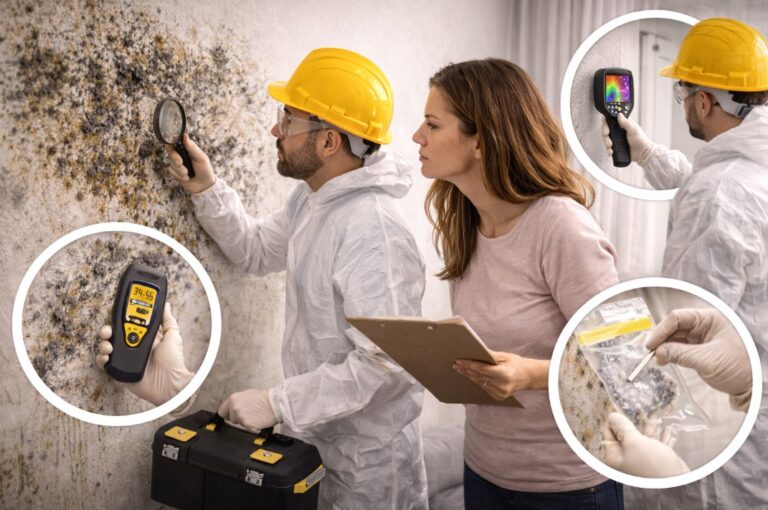
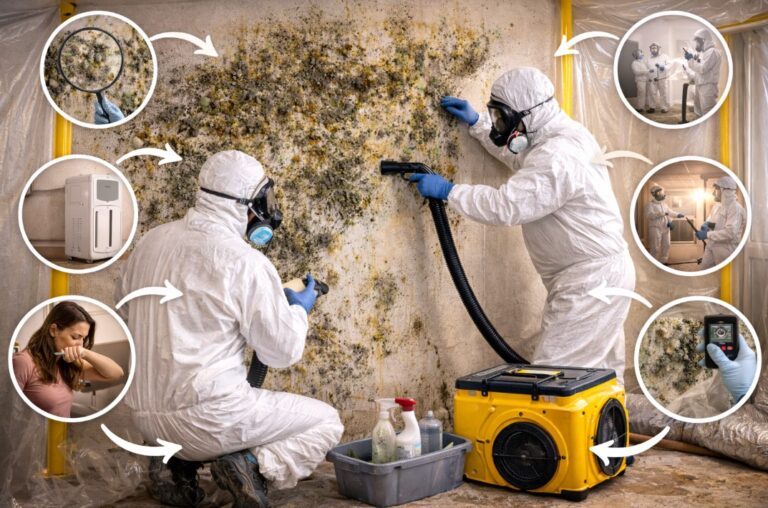
First, a thorough assessment is done—this involves visual inspections, moisture readings, and sometimes air or surface sampling. Once the mold’s extent is mapped out, professionals set up containment barriers, often with thick plastic sheeting and zippered entryways, to seal off the work area. Negative air machines (basically industrial-strength air scrubbers) are used to filter airborne spores and maintain air pressure so contaminants don’t escape into the rest of your home. Expect technicians suited up in protective gear; this isn’t just for show, but for their own safety and to prevent cross-contamination.
The actual removal starts next. Non-porous materials are cleaned; anything too saturated with mold (like drywall or carpet) is usually cut out and bagged for disposal. All surfaces are scrubbed, sometimes with antimicrobial cleaners, and then thoroughly dried. Only after everything is cleaned and dried does the verification step happen—this might be a visual check or further testing to confirm the area is clear.
For small, contained jobs, the timeline can be as quick as one to two days. Larger jobs—think attic or crawlspace infestations common in San Diego’s older homes—can stretch to a week or more. And this is where it gets interesting: if the underlying moisture source (leaky pipe, condensation, roof leak) isn’t fixed first, the whole process is doomed to fail. Always confirm that all moisture issues have been repaired before remediation begins—a detail too many homeowners overlook.
If you’re staring down a multi-day project, you’ll almost certainly need to vacate, both for your own safety and to allow unrestricted access for the crew.
Health Risks of Staying During Mold Remediation
Staying home during remediation exposes you to a cocktail of potential health hazards—mold spores, dust, and harsh cleaning chemicals. Even if you feel fine, research from the CDC and EPA suggests that mold spores can trigger respiratory irritation, allergies, and headaches. San Diego’s coastal climate, especially during June Gloom, keeps humidity up, making it easier for spores to linger in the air or settle in unseen places.
The pattern I keep seeing: vulnerable groups—kids, seniors, pregnant women, and anyone with asthma or immune issues—are at significantly higher risk. Even with containment in place, fine spores and volatile compounds can escape, especially if your home has central HVAC running or if containment barriers aren’t perfect. You might think closing a door is enough, but these particles are tiny and can travel farther than you’d expect.
Don’t forget, chemicals used in the cleaning phase can also cause irritation or allergic reactions. If you’ve got pets or sensitive family members, the risks multiply.
Safety note: Always identify anyone in your household who has health vulnerabilities before considering staying. If in doubt, err on the side of caution and make other arrangements, especially if you live in a coastal San Diego home where humidity can keep spores airborne longer than you think.
When Is It Safe to Stay? Factors to Consider (DIY vs. Pro)
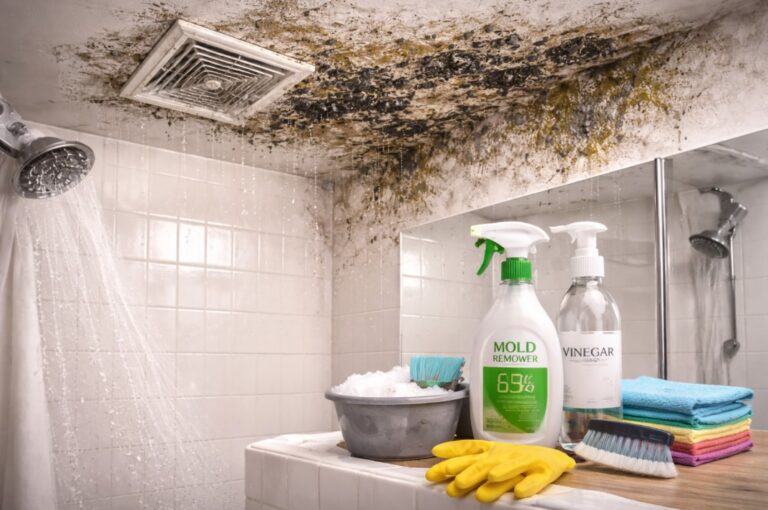
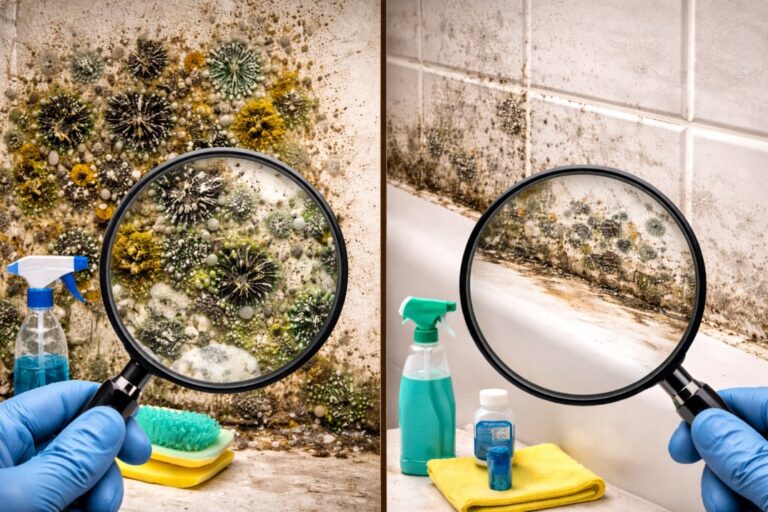
You might wonder if there’s ever a scenario where staying home is truly safe. In rare cases—like a tiny patch of mold (under 10 square feet) on a bathroom tile—you could potentially handle cleanup yourself, provided you follow EPA recommendations. But here’s what I noticed: hidden moisture is easy to miss, especially in San Diego’s condos and older houses with complicated plumbing or shared walls.
First, consider the size and location of the mold. Anything bigger than a small patch or anywhere near HVAC systems, crawlspaces, or inside walls should be left to professionals. For renters, document the problem and notify your landlord immediately; it’s their responsibility to address structural issues. If you’re in a condo, check your HOA’s rules—some associations have strict guidelines on who can perform remediation and how containment must be set up.
Proper containment and ventilation are non-negotiable. Especially in San Diego’s climate, where marine layer fog and sudden heat waves can impact indoor humidity, you want a pro who understands these local quirks. DIY might save a few bucks up front, but if you miss hidden leaks, you’re setting yourself up for a repeat infestation.
Before making any decision, get a written assessment from a licensed remediation contractor. It’s the only way to know if your situation is truly low-risk or needs a full-scale, pro-managed cleanup.
Safe Temporary Housing and What to Do While Remediation Happens
If you need to leave your home during remediation, you aren’t out of options. Many San Diego residents stay with friends or family, or turn to short-term rentals—something the city’s robust vacation rental market makes surprisingly accessible. Your homeowners or renters insurance may even cover hotel stays or temporary housing if the mold damage is severe enough.
Protect your belongings before you leave. Pack up essentials, and seal off anything left behind with plastic if you suspect cross-contamination is possible. Soft furnishings, toys, and clothes in the affected zone should be laundered or professionally cleaned. It’s also smart to unplug and cover electronics.
Keep an open line of communication with your remediation company. Ask for daily updates, a clear timeline for when you can return, and written confirmation that the space has passed clearance testing. If you have pets, arrange for their care—animals are as vulnerable to airborne spores as humans, sometimes more so.
Special note for renters: contact your landlord or property manager as soon as mold is discovered. Under California law, they’re required to address habitability issues, and they may be obligated to assist with alternative housing during major remediation.
Checklist item: Arrange your temporary accommodations in advance, and don’t forget to plan for your pets.
Preventing Mold from Returning: The Moisture Connection
The real key to preventing future mold is moisture control—an ongoing challenge in San Diego, where marine layers roll in almost nightly along the coast, and dry inland heat can mask slow leaks until they become major problems. Fix all leaks immediately, whether from roofs (a common issue after sudden storms), pipes, or window condensation. If your home feels humid, invest in a dehumidifier (expect to spend $150–$300 for reliable models). Target indoor humidity between 30% and 50%.
Regularly check high-risk areas: window sills, bathrooms, laundry rooms, and anywhere condensation collects. Inland homes can get stuffy during heat spikes, so ventilate with fans or open windows when possible—just be mindful of bringing in more humid air during marine layer periods.
Ongoing vigilance pays off. Schedule a seasonal reminder to inspect your home for moisture. Early detection means you’ll deal with a minor patch, not a gut-wrenching whole-house cleanup.
Official Guidance on Staying During Mold Remediation
The EPA Mold Guidelines are clear: for any sizable mold problem, especially over 10 square feet, you should leave the affected area during remediation. The CDC further recommends that children, seniors, and anyone with a weakened immune system avoid any exposure to mold or remediation chemicals.
According to the California Department of Public Health (CDPH), do not return to the treated area until all sources of moisture have been fully repaired and the area has been cleared. For very small patches, the EPA suggests DIY cleanup can be safe with proper protection, but even then, professional containment is considered best practice.
The consensus among these organizations: never occupy a space during active remediation. Always defer to the advice of certified local remediation professionals, who know how to factor in San Diego’s unique housing and climate challenges.
Sources Note
This article references guidance from the EPA, CDC, and California Department of Public Health. All information provided is for general awareness only; for confirmed mold cases, consult a licensed mold remediation specialist in your area.
FAQ
Can you live in your house during mold removal?
Generally, no—especially for anything beyond a tiny, contained patch. Professionals and health organizations recommend vacating during active remediation to avoid exposure to spores and chemicals.How dangerous is it to stay home during mold remediation?
Exposure risks include respiratory irritation, allergic reactions, and headaches. Risks are higher for children, elderly, and those with existing health conditions.Should I move out while mold is being removed from my condo?
Yes, unless it’s a very small, isolated area and your HOA allows you to stay. Always check HOA rules and get professional guidance.Is it safe for kids or pets to stay during mold cleanup?
No. Children and pets are especially vulnerable to airborne spores and cleaning chemicals released during remediation.What should I do if my rental has mold and needs remediation?
Document the issue, notify your landlord, and insist on professional remediation. Temporary housing may be required if the damage is significant.How long does professional mold remediation take in San Diego?
Small jobs can take 1–2 days. Larger or hidden mold issues, common in older San Diego homes, may take up to a week or more.Can mold come back after remediation if the moisture problem isn’t fixed?
Yes. Mold will return if the underlying moisture source—like leaks or poor ventilation—isn’t addressed first.Are there San Diego-specific risks for mold exposure during remediation?
Yes. Coastal humidity, marine layer fog, and older home construction can make mold harder to control and remediation more complex.
Next Steps
- Schedule a consultation with a certified San Diego mold remediation specialist.
- Download a home moisture inspection checklist to catch leaks early.
- Contact your insurance provider to discuss temporary housing options if remediation is needed.