10‑Minute Monthly Leak Walkthrough (Printable Checklist)
San Diego homes—from Mission Beach condos to Poway rentals—have their own set of moisture challenges. Whether you live near the coast and battle marine layer fog or further inland where summertime heat tests your plumbing, hidden moisture is a year-round risk. Mold is never the first problem; it’s the result of unresolved leaks and high indoor humidity. That’s why a simple, repeatable monthly moisture check is your best defense. With just ten minutes and a flashlight, you’ll spot small leaks before they cause big headaches—no matter if you own, rent, or manage a unit. Ready to make this routine part of your home care? Let’s dive in.
Why Monthly Leak Checks Matter in San Diego Homes
San Diego’s climate is full of surprises. Coastal neighborhoods get regular marine layer moisture and “June Gloom,” which can leave condensation on windows and bathroom mirrors nearly every morning. Inland homes face dry, hot spells that can shrink caulking and open plumbing joints. Add in older plumbing, shared walls in condos, or slow landlord responses in rentals, and you’ve got a recipe for hidden leaks.
Here’s the thing: Mold is just a symptom. The root cause is always unwanted moisture—whether from a silent under-sink drip, a shower valve leak behind the wall, or condensation on a cool window pane. A monthly walkthrough takes just a few minutes but can save you thousands in repairs and insurance headaches down the road. (Try setting a recurring reminder: “Moisture Check—First Saturday Each Month.”)
If you catch a leak early, it’s usually a quick fix. Wait too long, and you might be dealing with warped floors, damaged drywall, or a musty smell you just can’t shake.
The 10-Minute Leak Walkthrough: Printable Checklist
Start with a flashlight, a roll of paper towels, and, if you have one, a hygrometer or basic moisture meter (these often cost under $30 and can be a game-changer). The walkthrough works for houses, condos, and apartments—just adjust for what’s accessible.
Bathrooms:
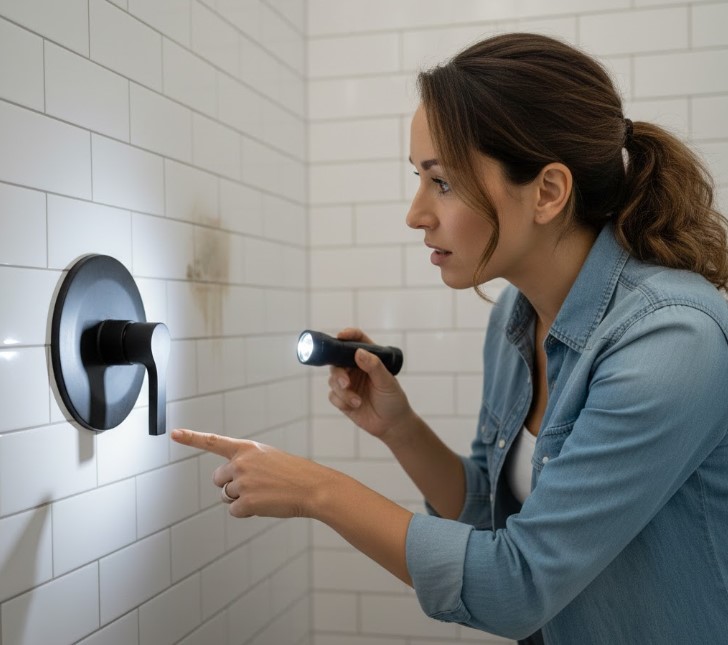
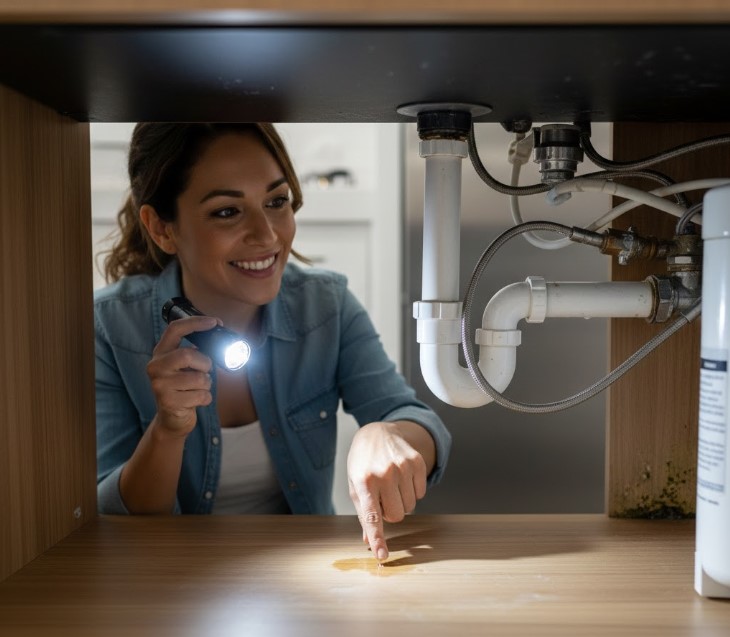
Peek under every sink. Run the faucet and feel for dampness along the supply lines and base. Flush the toilet and check for moisture where it meets the floor—a soft spot or discolored grout is a warning sign. Run the shower for one minute and look for leaks at the valve, grout lines, or around the tub. After a hot shower, check for condensation on mirrors and windows. If you see water dripping down the glass or pooling on ledges, your ventilation may need a boost.
Kitchen:
Open cabinets beneath the sink and run a paper towel along pipes and the base—look for any new drips or discoloration. Inspect around the dishwasher, fridge (especially if it has an ice maker), and under the oven if water lines are present. A musty odor or warped cabinet panel can signal slow leaks.
Laundry:
Check behind and beneath the washer for standing water, rust, or warped flooring. Inspect hoses for cracks or bulging—these can fail suddenly and flood a room in minutes.
Attic and Crawl Space:
If accessible, glance around with your flashlight. Look for dark stains, wet insulation, or musty air—these can point to roof leaks, window and stucco leaks, or condensation issues.
HVAC and Vents:
Find the AC condensate line and make sure it’s dripping outside, not backing up or pooling indoors. Inspect for sweating AC ducts (condensation) and check that bathroom and kitchen exhaust fans vent fully outside—not into the attic.
Windows and Exterior Walls:
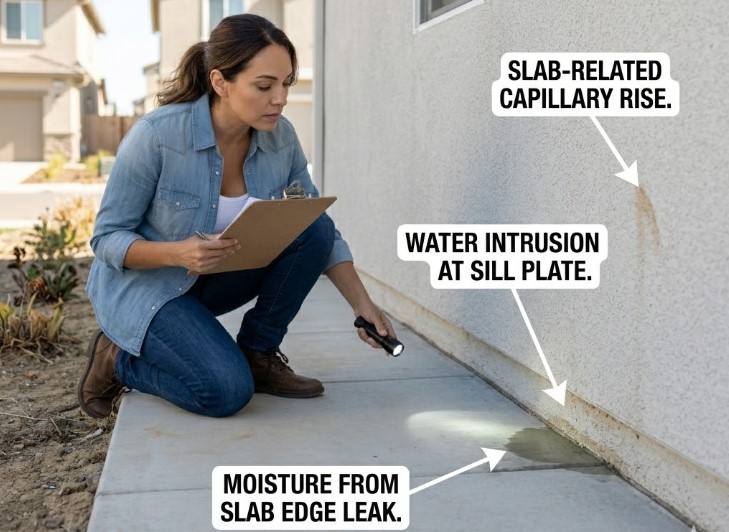
Wipe any condensation and look for bubbling paint or cracked stucco. Open window tracks and make sure weep holes (small drainage outlets) aren’t blocked, especially after heavy fog or rain.
If you spot a problem area, note its location and snap a quick photo. For renters, this documentation is key for working with your landlord or property manager.
What To Do If You Find a Leak: The 0–24–48 Hour Response
When you discover a leak, speed is everything. Mold can start to grow on porous materials—like drywall, carpet, or insulation—within 24 to 48 hours if things stay damp.
Immediately (0 hours):
Stop the water source if possible. That might mean shutting off a valve under the sink, turning off the washing machine, or tightening a loose fitting. Mop up standing water with towels or a wet vac. Remove soaked items (rugs, paper, stored boxes) and set them aside to dry.
Within 24 hours:
Dry the area thoroughly. Run fans and open windows if humidity is low outside (if the marine layer is in, use a dehumidifier instead). For smaller wet spots, a hair dryer or space heater can help. Use a moisture meter to check for hidden dampness. Take photos of everything—this helps with insurance or deposit disputes.
By 48 hours:
Re-check the area. If it still feels damp or you spot any fuzzy growth, call a professional. Extensive, persistent, or “black” mold, sewage leaks, or anything with a strong odor should never be DIY’d—contain the area and call a certified mold inspector. If you’re in a rental, notify your landlord in writing and include your photos.
If you’re not sure whether the spot is dry, trust your senses and your tools—a dry touch and a normal reading on a moisture meter are good signs.
Condensation & Ventilation: Easy Wins for Moisture Control
Living near the coast? You’re no stranger to condensation on windows, especially after foggy nights or during June Gloom. Inland homes, on the other hand, may deal with dry air but get caught off-guard by HVAC-driven condensation.
First, track your indoor relative humidity (RH) with a hygrometer. The EPA recommends keeping humidity below 60%, and ideally between 30–50%. Place the hygrometer in “trouble spots” like bathrooms, laundry rooms, or near sliding doors. If readings are high, run exhaust fans for at least 15 minutes after showers and always use kitchen range hoods while cooking.
Test your bathroom fan: Hold a piece of toilet paper up to the grille. If it doesn’t stick, your fan may be underpowered (aim for 50–100 CFM for small to medium bathrooms). Make sure vent ducts go outside, not just into the attic—that’s a shortcut in older homes that leads to attic moisture and hidden mold.
Wipe down wet windows in the morning to prevent water from soaking window sills or drywall. Keep window tracks free of debris so condensation has somewhere to drain. In condos or apartments, check shared walls and ceilings for discoloration or dampness, and report anything unusual to your property manager ASAP.
A $15 hygrometer and a quick morning window wipe can make a huge difference in mold prevention.
Red Flags, Common Causes & When to Call a Pro
Some issues are DIY-friendly—like tightening a loose faucet or replacing a strip of caulk. But certain warning signs mean it’s time to call in a professional.
Red flags include recurring leaks, a musty smell that never goes away, visible mold patches larger than a dinner plate, soft or warped floors, and unexplained jumps in your water bill. Common hidden sources are leaking refrigerator water lines, washing machine hoses, AC condensate clogs, and aging window seals.
If you notice sweating AC ducts, suspect an HVAC condensate line clog, or find water along attic beams after rain, don’t wait. If you live in a condo or rental, also check for leaks in shared walls or ceilings—these often start in a neighbor’s unit.
DIY fixes include cleaning out clogged drains, replacing old caulk, or tightening supply line fittings. But if you have water from an unknown or contaminated source, suspect mold inside walls or ductwork, or if the wet area is bigger than 10 square feet, bring in a pro. Safety and peace of mind are worth it.
If your AC creates a musty smell, schedule an HVAC inspection to rule out hidden moisture in the system.
FAQ
How often should I check for leaks in my San Diego home?
Once a month is ideal. Coastal fog, seasonal rain, and our unpredictable plumbing all mean new leaks can pop up between seasons.
What are the most common hidden leak sources in coastal vs inland San Diego homes?
Coastal: window condensation, marine layer moisture, stucco cracks. Inland: aging plumbing, HVAC condensate lines, foundation cracks during dry spells.
Can I use a moisture meter myself, or do I need a professional?
You can use a basic moisture meter for surfaces and drywall. For hidden wall leaks or persistent issues, a pro can use advanced tools and thermal imaging.
What is the best humidity level to prevent mold?
Keep indoor humidity below 60%, and ideally in the 30–50% range.
What should renters do if they find a leak in their apartment or condo?
Document it with photos, dry what you can safely, and notify your landlord or property manager immediately in writing.
How quickly does mold grow after a water leak?
Mold can start growing on porous materials within 24–48 hours if the area stays damp.
What’s the safest way to clean up small mold spots?
For non-porous surfaces (tile, metal), scrub with detergent and water while wearing gloves and a mask. Avoid bleach on drywall or carpet.
Should I replace caulk or grout if I see mildew stains?
Yes—clean what you can, but if stains persist or caulk/grout is cracking or peeling, replace it to prevent water intrusion.
Next Steps:
Download and print the 10-Minute Monthly Leak Checklist—hang it in your laundry or utility room as a reminder. Track indoor humidity with a hygrometer for the next week, noting any rooms that spike above 50%. And if you find leaks or water events, document with photos right away—your insurance or landlord will thank you.
For more guides, check out the San Diego Moisture Control Guide and related resources on attic and crawl space checks, DIY mold prevention, and what to do after a water leak.