Does Mold Affect Pregnant Women and Infants? Risks, Symptoms & Safety Steps
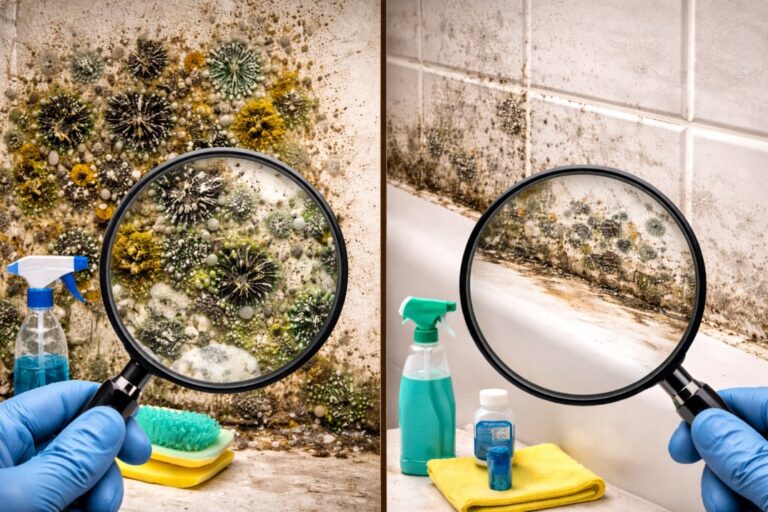
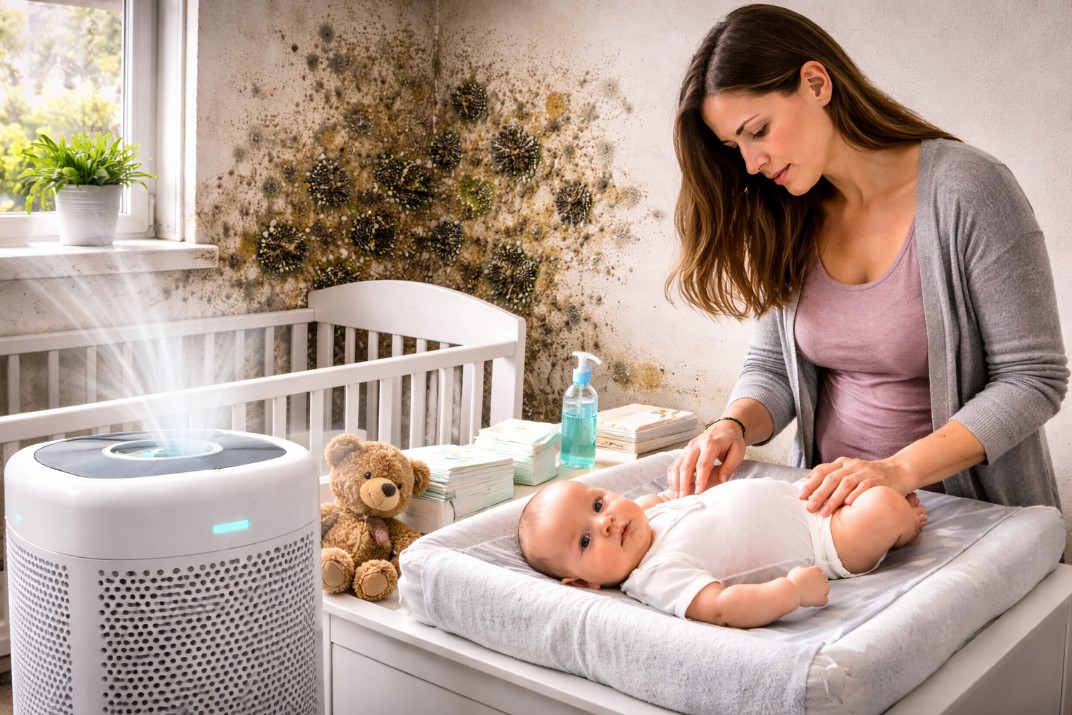
Mold exposure can affect pregnant women and infants, increasing the risk of health issues like respiratory symptoms, allergies, and, in rare cases, pregnancy complications. For families in San Diego, our famous marine layer, coastal fog, and the quirks of older homes make hidden moisture—and the mold that follows—a very real concern, especially for expectant parents and newborns.
- Mold exposure may worsen asthma, allergies, and respiratory symptoms in pregnant women and infants.
- Infants and pregnant women are more sensitive to mold-related health effects than healthy adults.
- Black mold (Stachybotrys chartarum) is not the only harmful type—most molds can trigger symptoms.
- Moisture problems in San Diego homes (from marine layer, leaks, or poor ventilation) are the root cause of indoor mold.
- Reducing indoor moisture and fixing leaks quickly are the best ways to protect vulnerable family members.
- If symptoms arise, consult a healthcare provider and address underlying moisture issues.
Why Are Pregnant Women and Infants More Vulnerable to Mold?
Pregnant women and infants are more vulnerable to the effects of mold because their immune systems respond differently, making them more likely to develop symptoms or complications. In San Diego, where even a foggy morning can raise indoor humidity, this vulnerability matters all the more.
Here’s what I noticed after digging into the science: infants are born with developing immune defenses, so their bodies can’t fight off mold allergens or irritants as effectively as an adult’s. Pregnant women, meanwhile, experience natural shifts in their immune response to protect the fetus—which can sometimes mean increased sensitivity to environmental triggers like mold.
Typical symptoms—such as nasal stuffiness, coughing, sneezing, or skin irritation—can hit harder and last longer in these groups. Some research suggests a possible association between high mold exposure during pregnancy and rare outcomes like preterm birth or developmental delays, though such cases remain uncommon.
If you’re living in San Diego and concerned about mold, especially during the damp winter and spring months, I recommend this actionable checklist:
- Check for signs of mold or musty odors in sleeping areas weekly, especially during San Diego’s damp months.
This simple routine can alert you to issues before they become significant health risks for those most at risk.
How Mold and Moisture Problems Start in San Diego Homes
Mold problems in San Diego homes almost always begin with moisture—whether it’s the result of coastal fog rolling in, the persistent marine layer known as June Gloom, or even just a poorly ventilated bathroom in an older condo. Our climate can be deceptive: while inland neighborhoods face heat waves, coastal areas often deal with higher humidity inside, especially in vintage housing stock.
The pattern I keep seeing is that hidden leaks (in roofs, plumbing, or window seals) are common in San Diego’s older homes and condos. Even a small, unnoticed drip after a rare rainstorm can fuel mold growth behind walls or under floors. Add in poor ventilation—especially in bathrooms and kitchens—and moisture gets trapped, creating perfect conditions for mold to thrive.
It’s crucial to remember: mold is just a symptom. The true culprit is almost always a source of excess moisture.
To prevent these issues, I rely on a practical strategy:
- Run exhaust fans or open windows for 10–15 minutes after showers or cooking to reduce moisture buildup.
This easy habit can make a big difference, especially during those foggy mornings or after a humid spell.
Health Risks and Symptoms to Watch For
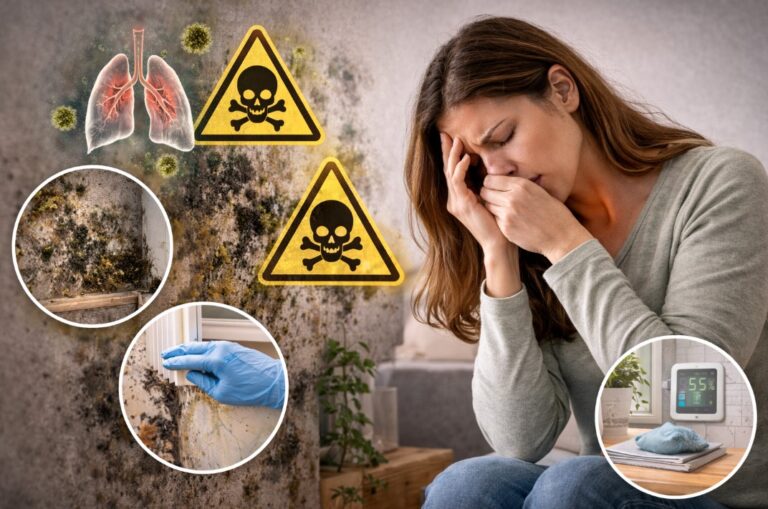
Mold exposure during pregnancy or infancy can present with a range of symptoms, some more obvious than others. In San Diego’s climate, with windows often closed to keep out the morning chill, these symptoms can sneak up on families.
Common symptoms of mold exposure include sneezing, coughing, eye irritation, or skin rash. For those with asthma—both children and adults—exposure can make symptoms worse, sometimes triggering more frequent or severe attacks. In rare situations, particularly for those with already compromised immune systems, mold exposure may be linked to infections or even pregnancy complications.
What surprised me most is how often families overlook clusters of symptoms that seem to happen only at home. If you notice respiratory issues that disappear when you leave the house, it may indicate an environmental trigger—like hidden mold or moisture.
Here’s my go-to checklist for staying on top of potential health risks:
- If new respiratory symptoms develop, document when and where they occur, and investigate for moisture or mold nearby.
And a quick safety flag: if infants or pregnant women develop persistent coughing, wheezing, or rash—especially if symptoms don’t improve when away from home—don’t hesitate to consult a healthcare provider.
What to Do If You Suspect Mold Exposure
If you suspect mold exposure in your home, especially with a newborn or if you’re expecting, swift action is essential. This is where a clear, step-by-step plan can make all the difference.
First, isolate the affected area. Keep pregnant women and infants away from spaces where mold is visible or suspected. Next, identify and fix the source of moisture—whether it’s a leaking pipe or condensation from that famous San Diego marine layer. Aim to stop the moisture and dry the area within 24 to 48 hours. Quick action is key; mold can start growing in as little as a day or two.
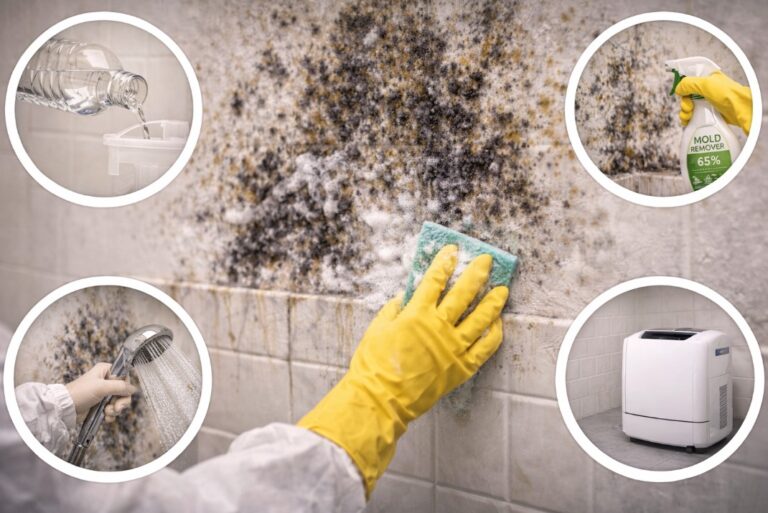
For small, visible mold patches (less than 10 square feet), you can usually handle cleaning yourself. Use gloves, a mask, and non-ammonia soap or detergent. Anything larger, hidden, or involving HVAC systems should be left to professionals. If symptoms persist, or you find mold after repeated leaks, it’s time to call in an expert.
Here’s the actionable checklist I’ve developed for these situations:
- Within 24 hours of spotting mold, dry all wet materials and contact a licensed inspector if the problem seems extensive.
Remember the critical 0–24–48 hour timeline: act fast to dry and clean, and don’t take risks with vulnerable family members. Renters should document everything and notify the landlord immediately. Condo owners, check HOA guidelines before starting any remediation.
Preventing Mold in Homes with Newborns or Expectant Moms
Preventing mold is always easier than cleaning it up, especially when you have a baby or are expecting. In San Diego, the focus should be on controlling humidity and catching leaks early—since both coastal fog and inland heat can cause problems in different ways.
I always aim to keep indoor humidity below 50%. During marine layer events or June Gloom, even coastal homes can get stuffy—while inland homes might need the AC or a dehumidifier during summer heat waves. After heavy rain or plumbing issues, I make a point to inspect for leaks or new water stains, especially around windows and in basements or crawlspaces.
Cleaning and drying up spills or condensation immediately is a habit that pays off, especially in nurseries or bedrooms. And this is where it gets interesting: a simple humidity monitor (usually $15–$40) can alert you if levels are creeping up, allowing you to act before mold has a chance.
Here’s my prevention checklist for families:
- Invest in a humidity monitor for nurseries and sleeping areas, and check readings weekly.
This one habit can help you spot trouble early—before it becomes a bigger headache.
Official Guidance: Health & Mold Exposure
Guidance from major health agencies is clear: pregnant women and infants should avoid moldy environments and take moisture problems seriously. The Centers for Disease Control and Prevention (CDC) advises immediate action if mold is found, since no safe level of exposure has been established for infants. The U.S. Environmental Protection Agency (EPA) recommends controlling indoor humidity and fixing leaks as the top prevention steps.
The American College of Obstetricians and Gynecologists suggests consulting a physician if symptoms develop after mold exposure, while the California Department of Public Health cautions that musty odors or visible mold should never be ignored—infants are at higher risk for health effects.
Sources Note
Information here is based on resources from the Centers for Disease Control and Prevention (CDC), U.S. Environmental Protection Agency (EPA), and California Department of Public Health. This is for educational purposes only; for confirmed mold or health issues, always consult a healthcare provider or environmental specialist.
FAQ
1. Can mold exposure during pregnancy cause birth defects?
There is no confirmed evidence that typical household mold exposure directly causes birth defects. However, some studies suggest a possible association between high, prolonged mold exposure and pregnancy complications, so it’s best to limit exposure and consult your doctor if concerned.
2. What are the signs of mold exposure in infants?
Signs may include coughing, sneezing, runny nose, wheezing, rash, or eye irritation. If these symptoms appear mainly at home and improve elsewhere, consider checking for mold or moisture problems.
3. How quickly should I act if I find mold in my home with a newborn?
Act within 24–48 hours. Isolate the area, dry all wet materials, and address the moisture source. If the mold is extensive or symptoms appear, consult a professional and your pediatrician.
4. Is black mold more dangerous for pregnant women than other types?
Black mold (Stachybotrys chartarum) is not uniquely dangerous; most indoor molds can cause symptoms in sensitive individuals. The key is to manage all types of mold exposure promptly.
5. Can San Diego’s coastal climate increase mold risks for families?
Yes, the marine layer, coastal fog, and June Gloom can raise household humidity, especially in older homes and condos—making regular checks and moisture control essential.
6. How can I test for mold if I’m pregnant and worried about indoor air?
Consider a visual inspection for stains or musty odors first. For more thorough testing, hire a licensed mold inspector—especially if you’re pregnant or have a newborn at home.
7. What steps should renters in San Diego take if there’s mold in their unit?
Document the problem with photos and notes, notify your landlord right away, and request prompt repairs. California law requires landlords to address habitability issues like mold.
8. Are air purifiers effective against mold spores for infants and pregnant women?
HEPA air purifiers can reduce airborne mold spores, but they don’t fix the underlying moisture problem. Use them as a supplementary step, not as a replacement for remediation.
Take Action
Schedule a professional mold inspection if you’re expecting or have young children and notice persistent moisture or musty smells. Take immediate steps to dry out any water-damaged areas and ventilate your home, especially during damp San Diego weather. Consult your healthcare provider if you or your child develop unexplained respiratory or allergic symptoms at home.