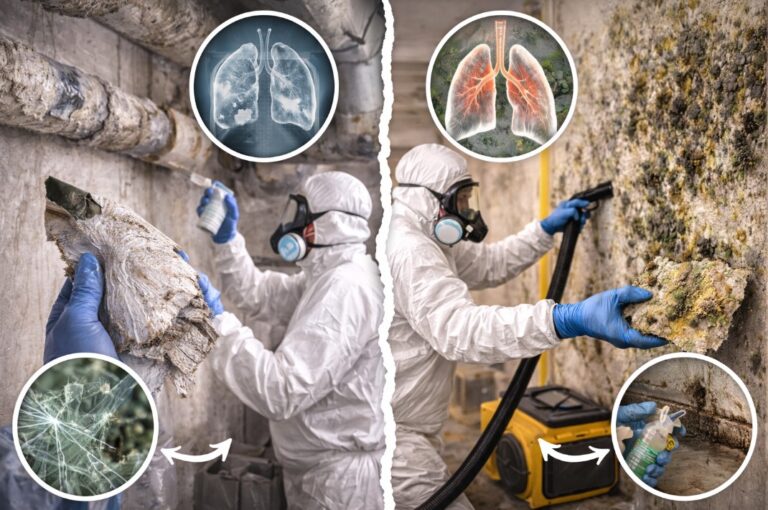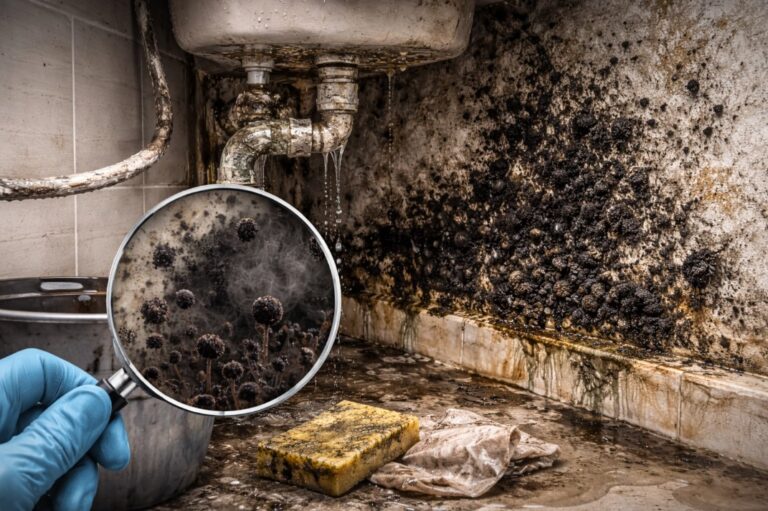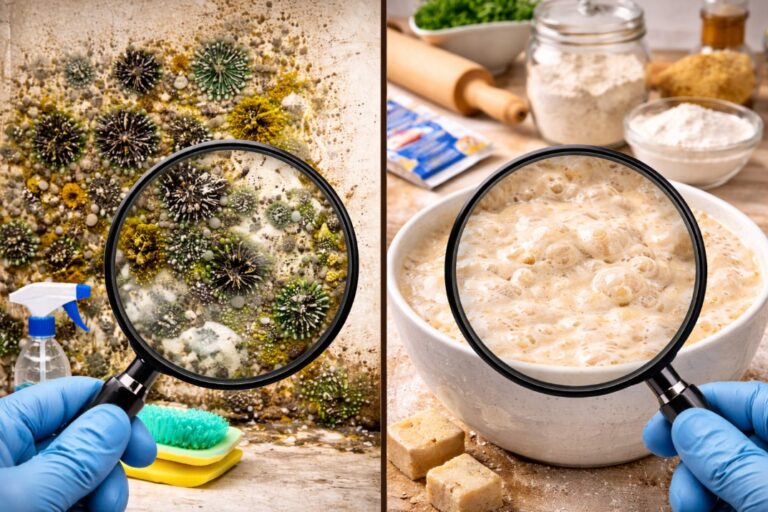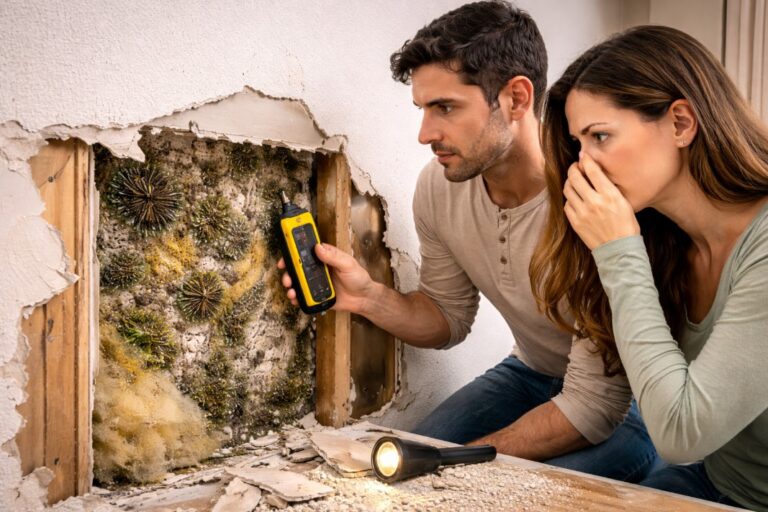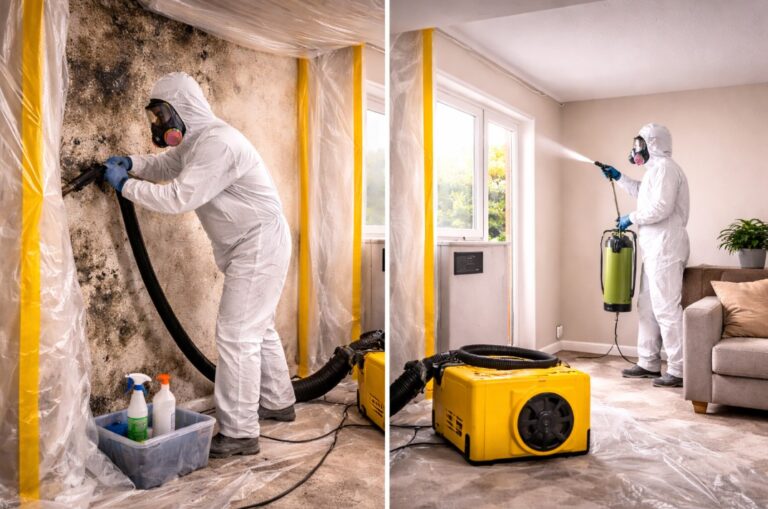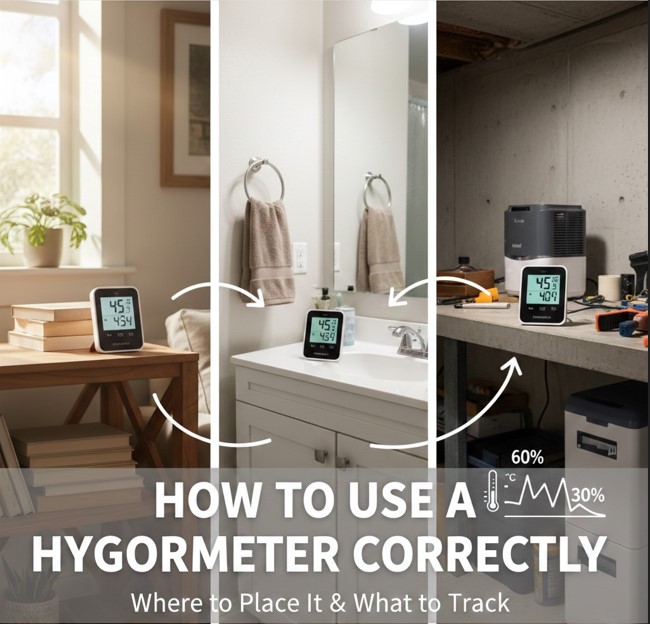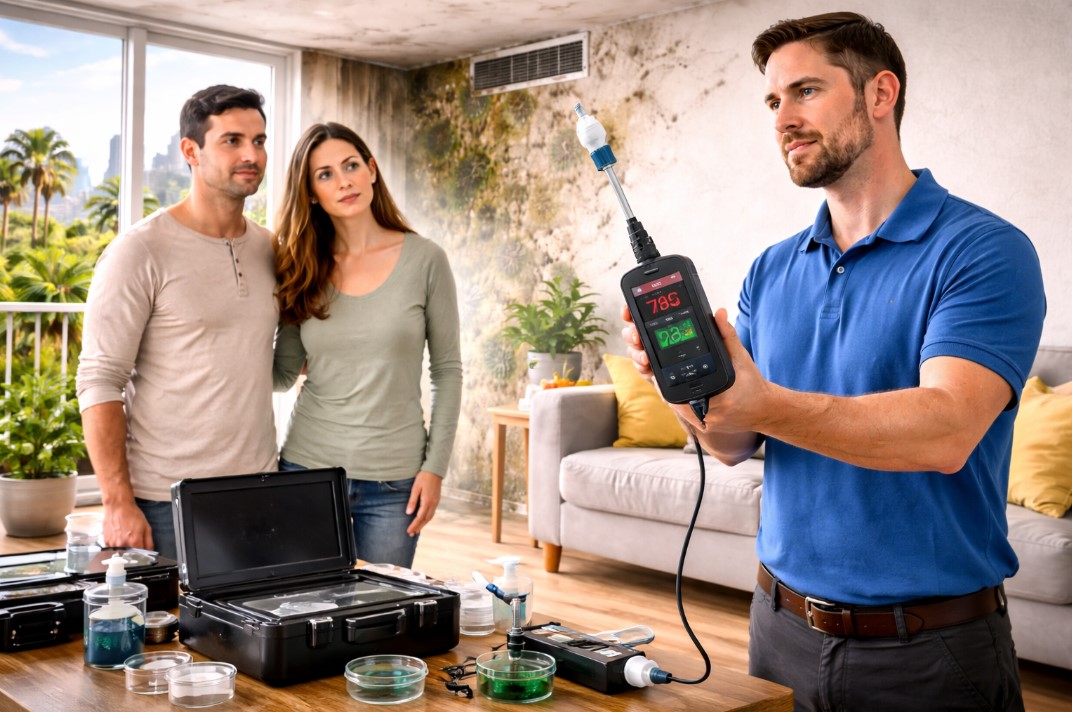
Professional indoor air quality testing identifies hidden pollutants—like mold spores, VOCs, allergens, and particulate matter—using advanced tools and lab analysis. By pinpointing what’s in the air you breathe, professionals help protect your health at home—especially for children, seniors, and anyone with allergies or asthma risks.
If you live in San Diego, you know the coastal fog, persistent marine layer, and mix of historic and modern buildings can complicate air quality even more. Moisture from the ocean, older ventilation systems, and year-round allergens mean that what’s outside often ends up inside—and stays there. That’s why local homeowners, condo boards, and renters are increasingly turning to expert air quality assessments to keep their indoor spaces healthy and comfortable.
- Indoor air quality testing detects hidden pollutants and allergens inside your home.
- Professional testing uses advanced equipment to measure particles, gases, and humidity.
- Results help identify risks like mold, VOCs, radon, and high particulate levels.
- Experts recommend targeted solutions to improve air quality and protect your health.
- Especially important for homes with children, seniors, or anyone with allergies or asthma.
- San Diego’s coastal climate can worsen indoor air problems—professional testing pinpoints the cause.
Why Indoor Air Quality Testing Matters for San Diego Homes
Indoor air quality testing is crucial for San Diego homes because hidden pollutants can trigger allergies, asthma, and even chronic health problems. With the city’s blend of older houses, newer condos, and persistent marine influence, the conditions for indoor pollutant buildup are everywhere.
San Diego’s coastal fog and marine layers don’t just impact your beach plans—they also raise the humidity inside your home. Higher humidity can encourage dust mites and allergens, and it can also make musty odors more noticeable. If you’re living in an older house or condo, the problem can be compounded by outdated ventilation or building materials that trap pollutants indoors.
Here’s what I noticed: even homes that look spotless can have issues lurking in the air. You might see more dust collecting on surfaces, notice musty smells after foggy mornings, or find that allergies flare up indoors but not outside. These subtle signs are often your first clue.
Actionable Checklist:
– Pay attention to musty or chemical smells that linger, especially after foggy weather.
– Watch for visible dust on surfaces or around vents.
– Notice if allergy or asthma symptoms get worse at home.
– Check for condensation on windows—this can signal high indoor humidity.
– Ask your neighbors if they’ve experienced similar issues—condos and townhomes often share ventilation systems.
What Professionals Test For—Key Contaminants in Indoor Air
When you schedule professional air quality testing, you’re not just looking for mold. Experts in San Diego are trained to detect a spectrum of indoor air pollutants that can impact your comfort and health.
Professionals commonly test for:
– Mold spores: These microscopic particles thrive in damp spots and can trigger allergies.
– VOCs (volatile organic compounds): Chemicals released by paints, cleaning products, and furniture.
– Formaldehyde: Often found in pressed wood furniture, flooring, and some textiles.
– Radon: A naturally occurring gas—less common in San Diego, but still checked in some homes.
– Pollen: Seasonal winds and ocean breezes can bring pollen indoors.
– Dust mites: Especially in homes with carpeting or fabric furniture.
– Carbon monoxide: A silent, dangerous gas from fireplaces or faulty appliances.
Many of these pollutants enter homes through everyday activities: using household cleaners, painting, cooking, or simply opening windows to the marine air. San Diego’s unique climate means pollen and ocean air can both increase allergens, and urban traffic adds its own pollution.
What surprised me most was how everyday products contribute. Candles, air fresheners, and certain flooring materials can emit VOCs for months. Even the “new home” smell in a remodeled condo often signals chemical off-gassing.
Actionable Checklist:
– Check labels on cleaning supplies, paints, and air fresheners for VOCs.
– Look at your home’s flooring—laminates and pressed wood can emit formaldehyde.
– Monitor use of gas stoves and fireplaces for carbon monoxide risk.
– Consider if recent renovations introduced new building materials.
– Store pesticides, solvents, and chemicals away from living spaces.
How the Testing Process Works—From Inspection to Lab Results
A professional indoor air quality assessment in San Diego usually starts with a thorough walkthrough of your home. The inspector will ask about recent renovations, water leaks, or health symptoms. They’ll use specialized equipment—air samplers, humidity meters, and sometimes surface swabs—to collect data.
Typically, you’ll see:
1. Initial inspection: A walk-through to spot visible problems (stains, odors, ventilation issues).
2. Air sampling: Collecting air samples from various rooms using calibrated pumps and filters.
3. Surface sampling: Swabbing HVAC vents, windowsills, or other suspect areas.
4. Humidity and temperature readings: Measuring conditions that might support allergens.
5. Lab analysis: Samples are sent to a certified lab, with results usually ready within 24–48 hours.
The pattern I keep seeing is that many homeowners try DIY test kits first. While these can give you a rough idea about mold or VOCs, they lack the sensitivity and accuracy of professional equipment. Certified pros not only identify the contaminants but also help you interpret what those numbers mean for your health. If you’re renting, document any findings and notify your landlord. Condo owners should always check HOA policies before arranging testing or remediation.
Actionable Checklist:
– Clear access to HVAC vents, closets, and under sinks before the technician arrives.
– Write down recent leaks, renovations, or new furniture purchases.
– Move pets or sensitive family members to another area during sampling.
– Ask for a clear explanation of the sampling process and reporting timeline.
What to Do After an Air Quality Assessment—Next Steps for a Healthier Home
After your air quality assessment, you’ll receive a detailed report. This will outline which pollutants were found and at what levels, along with professional recommendations for improvement. If your report shows elevated VOCs, high humidity, or mold spores, your next steps can make a big difference in comfort and safety.
You may be advised to:
– Upgrade your ventilation system or add exhaust fans.
– Remove or replace items (like carpeting or pressed wood furniture) that emit VOCs.
– Clean or replace HVAC filters.
– Use portable air purifiers with HEPA filters.
– Control moisture by repairing leaks or using dehumidifiers.
If anyone in your home is experiencing persistent coughing, headaches, or allergy symptoms—especially children, seniors, or those with asthma—address air quality findings as soon as possible. The San Diego climate means that moisture and allergens can spike quickly after marine layer events, so timing matters.
And this is where it gets interesting: sometimes, simple changes can have the biggest payoff. Opening windows on dry days, addressing known leaks, or swapping out an old filter can noticeably improve your air.
Actionable Checklist:
– Open windows when outdoor air quality is good.
– Replace HVAC filters every 1–3 months.
– Fix any leaks or areas of visible moisture right away.
– Remove shoes at the door to reduce dust and pollen.
– Invest in a quality air purifier if recommended by your pro.
Safety note: If your report shows high levels of carbon monoxide or severe mold, leave the area and seek immediate professional help, especially if sensitive individuals are present.
Choosing a Qualified Indoor Air Quality Professional in San Diego
Finding the right professional for indoor air quality testing in San Diego means looking for expertise, credentials, and local experience. Certifications from organizations like the American Council for Accredited Certification (ACAC), Institute of Inspection, Cleaning and Restoration Certification (IICRC), or the California Department of Public Health (CDPH) indicate a solid foundation in safe and accurate testing practices.
Local experience matters, too. A professional familiar with San Diego understands how the marine layer, coastal humidity, and regional construction trends can affect test results. Before hiring, ask about their experience with condos, rentals, and older homes—these often have shared ventilation or special challenges.
What you want to know:
– Are they certified by ACAC, IICRC, or another reputable body?
– Do they have references from San Diego homeowners?
– Can they provide a sample report showing what you’ll get?
– Are they insured and willing to explain their process and findings?
Actionable Checklist:
– Verify certifications with ACAC, IICRC, or CDPH.
– Check online reviews and request local references.
– Ask for a sample test report before scheduling.
– Confirm they understand San Diego’s unique climate and building issues.
Official Guidance
The EPA advises testing for indoor air pollutants if you experience unexplained health symptoms, after renovations, or when you notice odors or moisture. The CDC recommends reducing exposure to indoor allergens by controlling sources and improving ventilation. The California Department of Public Health suggests hiring a professional if symptoms persist or if you see visible contamination. According to the American Lung Association, regular HVAC maintenance and humidity monitoring reduce respiratory risks, while the U.S. Consumer Product Safety Commission urges homeowners of older properties to use certified professionals for air quality assessments.
Sources Note
Sources for this article include the U.S. Environmental Protection Agency (EPA), Centers for Disease Control and Prevention (CDC), and California Department of Public Health. All content is for informational purposes only. For persistent or serious indoor air quality concerns, contact a qualified professional.
FAQ
What does a professional indoor air quality test check for?
A professional test checks for pollutants like mold spores, VOCs, pollen, formaldehyde, carbon monoxide, radon, and dust mites, using equipment and lab analysis for accurate results.
How much does indoor air quality testing cost in San Diego?
Costs typically range from $250 to $600, depending on home size and test complexity. Additional lab analysis, like VOC or radon testing, may increase the price.
How long does air quality testing take?
The on-site visit usually takes 1–2 hours. Lab results are typically ready within 24–48 hours.
Can I test my home’s air quality myself, or do I need a professional?
DIY kits can offer basic insights, but professional testing gives you accurate, actionable results—especially for complex issues or if sensitive individuals are present.
What are signs of poor indoor air quality in a home?
Look for musty or chemical odors, increased dust, condensation on windows, and worsening allergies or respiratory symptoms indoors.
Are air quality tests worth it for condos or rentals?
Yes. Shared walls and ventilation systems can spread pollutants—document concerns and notify your landlord or HOA before taking further steps.
What should I do if my test finds high levels of VOCs or mold spores?
Follow professional recommendations: improve ventilation, remove sources, replace filters, and consult a remediation expert if needed.
How often should I have my indoor air quality tested?
Most experts suggest testing every 2–5 years, or sooner if you notice changes, after renovations, or if new symptoms appear.
CTA Block
Schedule a professional indoor air quality assessment if you notice persistent odors or health symptoms at home. Review your latest home inspection report—consider follow-up testing if any moisture or ventilation issues were flagged. Share this guide with neighbors or HOA boards to raise awareness of local indoor air quality concerns.