Asbestos and Mold: How to Tell the Difference and Protect Your Health
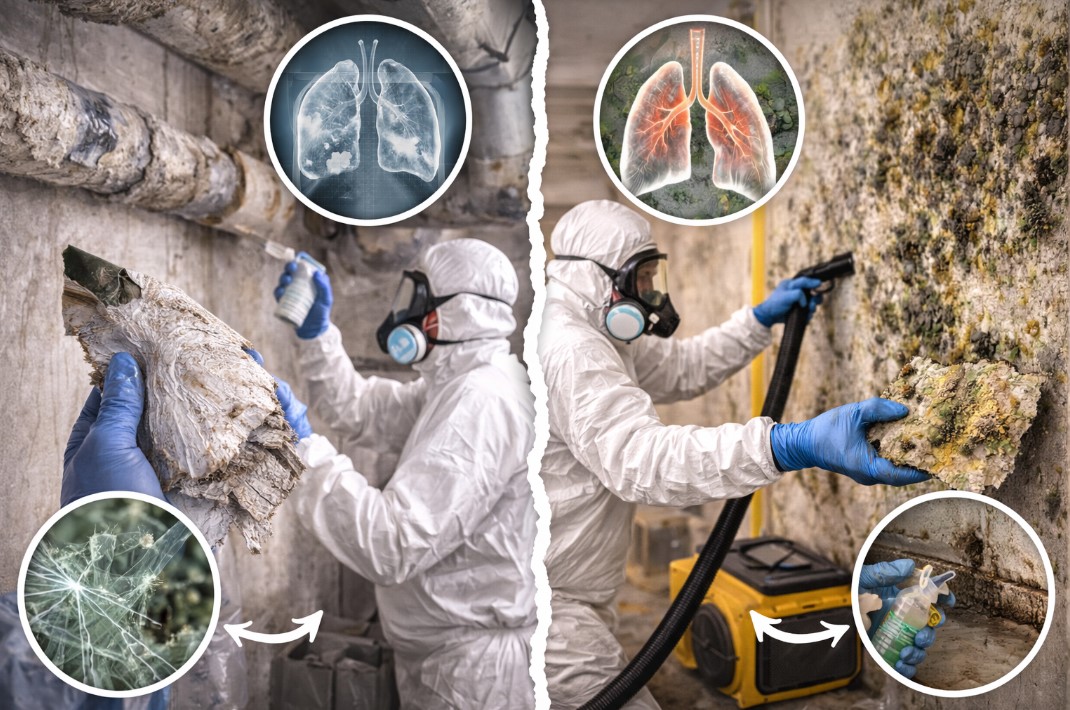
Asbestos and mold are both common hazards in homes, but they’re very different: asbestos is a mineral fiber once used in building materials, while mold is a living fungus that grows where there’s excess moisture.
In San Diego, from coastal condos facing marine fog to older inland homes battling summer humidity, understanding these risks is especially important. Both asbestos and mold can impact your health, but each requires a different approach to detection, prevention, and remediation—especially in buildings prone to leaks, poor ventilation, or age-related issues.
Quick Answer
- Asbestos is a mineral fiber; mold is a living fungus.
- Asbestos is usually found in older building materials; mold grows where moisture is present.
- Asbestos exposure happens through airborne fibers; mold exposure is from spores and musty odors.
- Asbestos is not visible unless disturbed; mold is often visible as black, green, or white spots.
- Never disturb suspected asbestos—call a professional.
- Moisture control is key to preventing mold growth.
What Is Asbestos? Recognizing Hidden Risks
Asbestos is a naturally occurring mineral fiber that was widely used in building materials such as insulation, vinyl flooring, and ceiling tiles—especially in homes built before the 1980s. In San Diego, this means many older neighborhoods and classic condos may still contain asbestos in their original construction materials.
What surprised me most is how invisible asbestos can be. It’s not dangerous when left undisturbed, but renovations, repairs, or even simple DIY fixes can release microscopic asbestos fibers into the air. These fibers, once airborne, can be inhaled and pose a significant health risk over time.
San Diego’s housing stock includes many pre-1980s homes, especially in historic districts or coastal developments. If your home falls into this age category, it’s critical not to disturb materials like popcorn ceilings, pipe insulation, or old floor tiles without proper testing. Asbestos fibers are impossible to identify visually unless the material is crumbling or damaged—and even then, the fibers themselves remain invisible to the naked eye.
The safest approach: never attempt to remove or disturb suspected asbestos materials yourself. Certified professionals use controlled methods to test and, if necessary, safely remove asbestos. For renters, document any concerns and notify your landlord. Condo owners should always check HOA rules and requirements before starting any work involving older materials.
What Is Mold? Why Moisture Is the Real Issue
Mold is a living fungus that thrives on damp surfaces, making it a familiar problem in areas with leaks, condensation, or high humidity. In San Diego’s climate, this means bathrooms, kitchens, and window frames are particularly vulnerable—especially after heavy marine fog or the “June Gloom” season common on the coast.
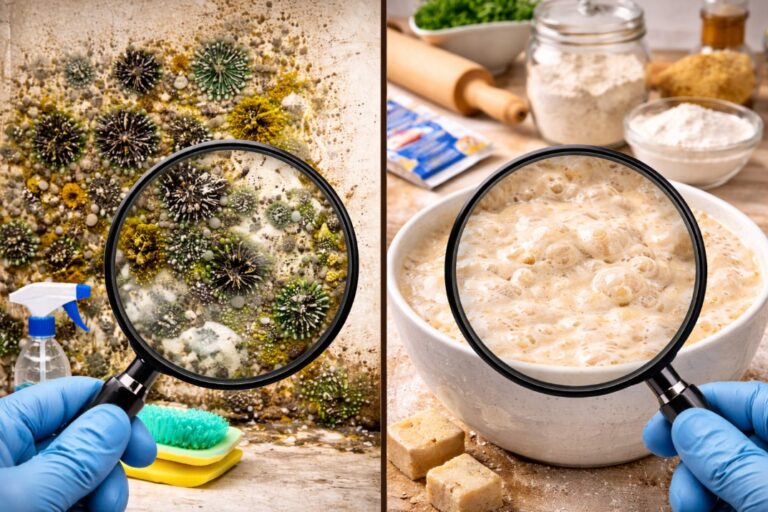
The pattern I keep seeing is that mold is more than just an aesthetic issue; it’s a visible symptom of an underlying moisture problem. Mold can appear as black, green, or white stains, and is often accompanied by a persistent musty odor. You’ll typically find it under sinks, around windows, and anywhere water collects—or lingers.
San Diego’s unique climate, with its cycles of marine layer and inland heat, frequently causes unexpected condensation in older homes or condos with poor ventilation. For example, coastal properties may experience dampness from fog, while inland homes can see humidity spikes after summer storms.
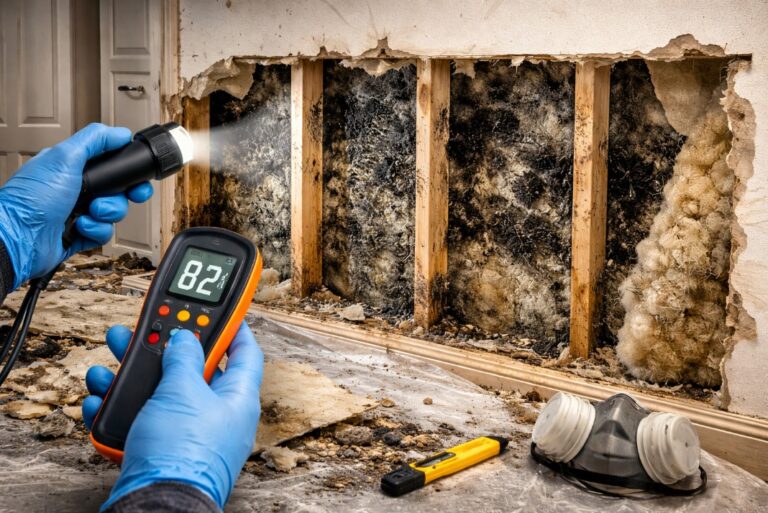
The real key to preventing mold isn’t just cleaning what you see—it’s stopping moisture at its source. After any water leak, flood, or plumbing mishap, the first 24–48 hours are crucial. Dry the affected area thoroughly within this window to prevent mold from gaining a foothold. If you notice signs of persistent moisture (like bubbling paint, warped wood, or recurring stains), it’s time to investigate and address the root cause.
Health Risks: How Asbestos and Mold Affect You
Both asbestos and mold can negatively affect your health, but in distinctly different ways. Asbestos exposure typically results from breathing in airborne fibers, which can lead to serious illnesses such as lung cancer and mesothelioma. These conditions often take decades to develop, meaning the effects may not be apparent until long after the initial exposure.
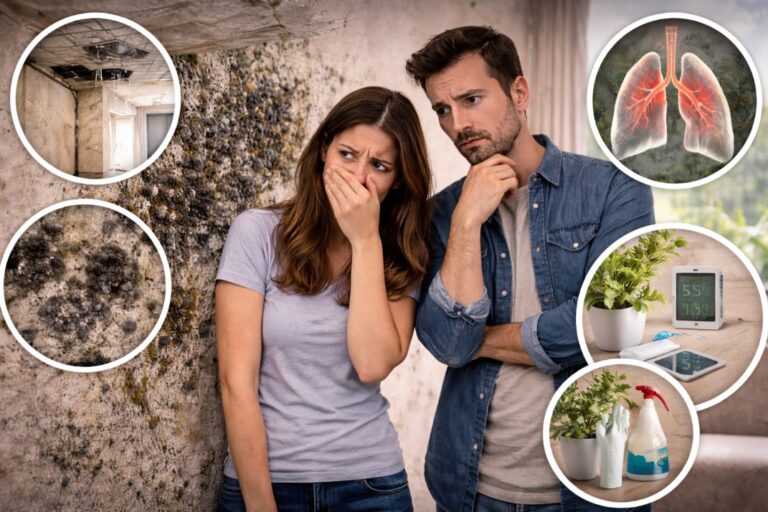
Mold, in contrast, tends to trigger immediate symptoms in sensitive individuals—especially those with allergies, asthma, or compromised immune systems. Exposure to mold spores can cause coughing, wheezing, sinus congestion, and sometimes skin irritation. The impact is often felt quickly, and for some, symptoms worsen during San Diego’s wet winters or prolonged humid spells.
Children, the elderly, and anyone with existing respiratory conditions are especially vulnerable to both hazards. San Diego’s climate can make things trickier, as seasonal changes sometimes bring hidden moisture and increased mold activity, particularly after heavy rains or persistent fog.
If you notice persistent cough, wheezing, or worsening allergies at home, consult a physician and consider a professional home inspection. While the health risks of asbestos and mold are well-documented, only a certified specialist can provide a definitive assessment and appropriate guidance.
How to Tell the Difference: Signs, Tests, and When to Call a Pro
Distinguishing between asbestos and mold in your home can be challenging, but there are some practical guidelines. Mold is generally visible and often emits a musty odor; it appears as dark, fuzzy spots or stains on walls, ceilings, or around windows. Asbestos, conversely, is typically hidden within old building materials and is not visible unless the material is damaged or deteriorating.
DIY mold test kits are widely available and can provide basic results for small, visible growths. However, professional mold testing is more accurate and will also help identify hidden moisture sources. Asbestos, by contrast, should never be tested or removed by homeowners. Only a licensed and certified professional can safely collect and analyze samples, using protocols that prevent fiber release.
Here’s what I noticed: for mold, DIY cleanup is generally safe only for small, contained areas—provided you’ve already fixed the underlying moisture issue. For asbestos, any suspicion (such as crumbly pipe insulation, damaged ceiling tiles, or old floor coverings in homes built before 1980) should prompt you to call a certified inspector immediately. Never attempt to scrape, sand, or repair these materials yourself.
If you’re renting, document the issue and alert your landlord right away. Condo owners should check with their HOA before proceeding with any repairs or inspections involving potential asbestos or extensive mold.
Prevention and Maintenance in San Diego Homes
Prevention is always easier and less costly than remediation, especially in San Diego’s climate where both asbestos and mold risks can be amplified by local conditions. Regularly inspect your plumbing, roof, and ventilation systems—older homes and coastal condos are especially prone to leaks, condensation, and ventilation challenges.
Address any leaks or signs of water damage as soon as they occur. Use dehumidifiers or improve airflow in areas that tend to stay damp, such as bathrooms, laundry rooms, or basements (if applicable). In coastal neighborhoods, keep an eye out for condensation on windows or walls after foggy mornings. Inland, watch for humidity spikes after summer rain.
Before starting any renovations in homes built before 1980, schedule an asbestos inspection. This step is critical for preventing accidental exposure and is often required by law or HOA rules. For both renters and homeowners, documenting conditions and performing regular, semi-annual inspections can help catch issues before they become serious health hazards.
If you live in a condo, review your HOA’s maintenance responsibilities and reporting procedures—some repairs or inspections may require HOA approval. Renters should document problems and notify their landlord promptly; California law requires landlords to address health and safety hazards in a timely manner.
Official Guidance: What the Experts Say
The EPA states asbestos should only be handled by certified professionals—never attempt DIY removal or disturbance. The CDC recommends keeping indoor humidity below 50% to prevent mold growth, a guideline especially relevant in San Diego’s variable climate. The California Department of Public Health urges testing for asbestos in homes built before 1980, emphasizing that even small renovations can release hazardous fibers.
The EPA Mold Guidelines advise cleaning up small areas of mold promptly, but recommend professional remediation for large or persistent problems—particularly when hidden moisture is suspected. The CDC further notes that both asbestos and mold can cause serious respiratory issues, especially for children and those with compromised immune systems. These organizations all stress the importance of professional evaluation and remediation for both hazards.
Sources Note
Sources used for this article include the EPA, CDC, and the California Department of Public Health. This information is for general guidance only—if you suspect asbestos or severe mold in your home, consult a certified specialist.
FAQ
1. How can I tell if my San Diego home has asbestos or mold?
Asbestos is usually hidden in old building materials and requires professional testing to identify, while mold is visible as stains or fuzzy spots and often smells musty. If you suspect either, especially in older homes, consult a certified inspector.
2. What are the health symptoms of asbestos vs mold exposure?
Asbestos exposure may be linked to long-term lung diseases like cancer, often with no early symptoms. Mold exposure can cause immediate respiratory issues, allergies, or asthma flare-ups, particularly in sensitive individuals.
3. Is it safe to remove mold myself, or do I need a professional?
You can clean small, visible areas of mold yourself after fixing the moisture source. For extensive mold, hidden problems, or recurring growth, it’s best to hire a professional.
4. How do I test for asbestos in an older condo?
Never attempt DIY testing for asbestos. Contact a certified inspector who can safely collect samples and provide lab analysis, especially before renovations.
5. What does mold look like compared to asbestos?
Mold appears as black, green, or white stains, sometimes fuzzy, and often carries a musty odor. Asbestos fibers are not visible; they’re found in materials like old insulation, ceiling tiles, or floor coverings.
6. How does San Diego’s climate affect mold growth in homes?
The marine layer, coastal fog, and “June Gloom” create ideal conditions for moisture and potential mold in coastal areas, while inland humidity spikes can also foster growth after storms or leaks.
7. What should I do if I find a leak in my rental apartment?
Document the leak, notify your landlord immediately, and ensure the area is dried within 24–48 hours to reduce mold risk.
8. Can I seal over mold or asbestos to make it safe?
Simply sealing over mold or asbestos is not effective. Both require proper remediation—mold must be removed after fixing moisture issues, and asbestos should only be addressed by certified professionals.
Call to Action
- Schedule a qualified home inspection if you suspect asbestos or extensive mold.
- Address any moisture problems within 24–48 hours to minimize mold risk.
- Consult with certified professionals before remodeling homes built before 1980.