Is Mold Cited in the Bible? Surprising Biblical References Explained
Yes, mold is cited in the Bible, most notably in the Book of Leviticus, where it’s described as a form of “defiling mold” affecting homes, clothing, and other materials.
For San Diego homeowners and renters, these ancient references are surprisingly relevant today, especially given our ongoing battles with moisture issues—think coastal fog, marine layer, and older homes. Understanding how mold was recognized in biblical times can give us fresh perspective on why controlling moisture is still so critical in Southern California living.
- Mold is mentioned in the Bible, especially in Leviticus 13–14.
- Biblical texts describe mold as a contaminant in homes and clothing.
- The Bible links visible stains or growth to impurity and health risks.
- Priests in ancient Israel acted as inspectors for mold outbreaks.
- Mold in the Bible is often a symptom of underlying moisture problems.
- Modern science confirms that moisture control is key to prevention.
Mold in Leviticus—Ancient Recognition of the Problem
The Bible’s most direct references to mold appear in Leviticus 13:47–59 and 14:33–57, where “defiling mold” is discussed in detail. In these passages, mold (sometimes translated as mildew or described as a “plague”) is treated as a serious household threat. The ancient Israelites didn’t just ignore mysterious stains—they had a whole process for dealing with them.
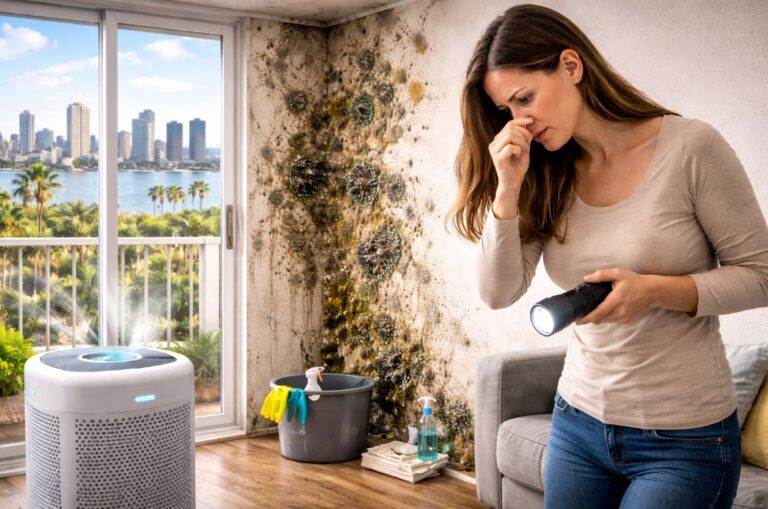
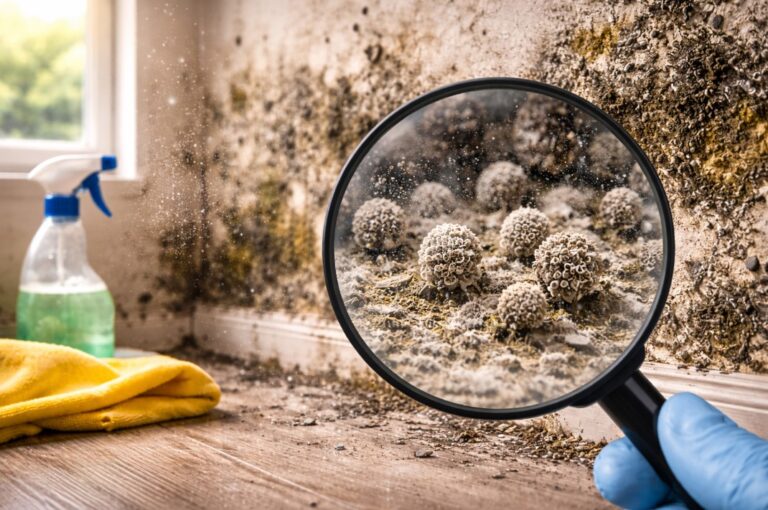
Priests were called to inspect homes showing greenish or reddish stains on the walls. If mold was suspected, the area was quarantined and re-examined after several days. If the stain spread, the affected stones or plaster were to be removed and discarded outside the city. In extreme cases, the entire house could be demolished. These instructions reveal an impressively advanced awareness of household contamination—far from superstition, this was an early form of public health intervention.
What surprised me most about these passages is how practical and systematic the response was. Even thousands of years ago, people recognized that visible mold meant something was wrong with the environment. In today’s San Diego, where coastal fog and marine layer can cause persistent dampness, it’s still good advice: unexplained stains or musty odors—especially after rain or fog—warrant a closer look for hidden moisture.
Mold as a Symptom—Moisture in Ancient and Modern Homes
Mold wasn’t just a random taboo in biblical times; it was seen as a warning sign. The Bible’s concern centered on what could be seen and smelled: visible growths, changes in color, or musty odors. The pattern I keep seeing is that, even in ancient texts, people understood that mold was a symptom, not the root problem.
While there’s no explicit mention of “mold prevention,” the actions taken—removing affected materials, scraping walls, and isolating the area—were designed to stop the spread. Fast forward to today’s science, and we know that unchecked moisture is the real culprit. Leaks, condensation, and poor ventilation are the leading causes of mold and mildew indoors.
San Diego’s coastal homes, especially in neighborhoods affected by June Gloom or marine layer, face ongoing condensation and dampness issues. Inland homes might be less prone to fog, but often contend with seasonal rain and older construction that traps humidity. For renters and owners alike, keeping an eye out for condensation on windows or damp spots after foggy mornings is a must. Addressing leaks or water intrusions quickly can make all the difference in preventing biblical-scale headaches.
Symbolism vs. Science—What Mold Meant in Biblical Times
Biblical references to mold carry both literal and symbolic meaning. On one hand, mold was a tangible sign of impurity—something that could render a home or garment “unclean.” On the other, these passages have been interpreted as metaphors for spiritual contamination or moral decay.
And this is where it gets interesting: despite the symbolic undertones, the prescribed actions were firmly grounded in health and cleanliness. The detailed procedures for inspection, removal, and isolation suggest that ancient Israelites linked visible mold to physical well-being. They may not have understood the microbiology, but they grasped that controlling environmental threats was essential for community health.
For modern readers, especially those living in older San Diego homes, the lesson is clear: vigilance isn’t just about aesthetics or tradition—it’s about maintaining a safe, livable environment. Scheduling a yearly inspection for moisture or leaks, particularly before the rainy season, offers protection against both visible and hidden issues.
Lessons for San Diego—From Ancient Texts to Modern Home Care
The Bible’s approach—identify, isolate, remediate—mirrors the best practices recommended by today’s experts. Whether you’re in a coastal cottage buffeted by marine fog, or an inland condo that gets hit by sudden spring showers, the core principles remain the same: regular inspection, prompt repairs, and proper ventilation.
San Diego’s unique climate means that homeowners and renters face a wide variety of moisture challenges. Coastal areas grapple with persistent dampness, while older inland homes may see leaks or humidity buildup. Condo owners should always check HOA rules before making any changes to their unit, and renters should notify landlords immediately if they spot water damage or persistent dampness.
Here’s what I noticed: the ancient guidelines put community health over convenience. Today, keeping a log of any leaks, floods, or heavy condensation events—and following up on repairs quickly—can prevent minor issues from turning into major (and costly) problems.
What Competitors Miss—Biblical Mold, Culture, and Community
Most discussions of biblical references to mold focus on the inspection process or symbolic meaning. What’s often overlooked is the strong community component. In ancient Israel, priests acted as neutral inspectors—outsiders with authority to assess, quarantine, and even order demolition if necessary. This process wasn’t just about individual homes; it protected the broader community from potential hazards.
Modern San Diego echoes this approach in surprising ways. City inspectors, professional mold assessors, and even HOA boards provide an impartial check, ensuring that both tenants and owners address moisture problems promptly. This is especially important in condos or multifamily units, where one person’s leak can affect an entire building.
The Bible’s emphasis on community response is a reminder: open communication benefits everyone. If you’re in a rental or condo, proactively reporting leaks or suspicious stains to property management or your HOA helps protect your own health—and your neighbors’, too.
Official Guidance
- The CDC recommends prompt cleanup and ongoing moisture control to prevent mold.
- The EPA advises fixing leaks and drying damp areas within 24–48 hours to limit mold growth.
- The California Department of Public Health recognizes mold as a potential health risk, particularly for sensitive groups such as children and the elderly.
- San Diego County suggests that tenants report persistent leaks or unaddressed water damage to their landlords or to local code enforcement.
- For widespread or hidden mold, especially after water damage, a professional inspection is recommended.
Sources Note
Sources for this article include the Centers for Disease Control and Prevention (CDC), U.S. Environmental Protection Agency (EPA), and the California Department of Public Health.
This article is for informational purposes only—contact a qualified professional for confirmed home moisture or mold problems.
FAQ
What does the Bible say about mold in houses?
The Bible, particularly in Leviticus 13 and 14, describes protocols for identifying and removing mold (often called “defiling mold” or mildew) from homes, with priests serving as inspectors.
Is mildew in Leviticus the same as mold today?
While terminology differs, most scholars agree that “mildew” or “leprosy of houses” in Leviticus refers to visible fungal growth, similar to what we call mold today.
Why did biblical priests inspect homes for mold?
Priests acted as impartial authorities to prevent the spread of contamination, protect health, and enforce cleanliness laws in ancient Israel.
How did ancient Israelites deal with moldy houses?
Affected materials were scraped or removed, and if mold persisted, the house could be demolished—showing a practical approach to contamination.
Are there health risks from mold according to the Bible?
The Bible does not specify health outcomes, but mold was treated as a source of impurity and possible harm, which aligns with modern concerns.
Does the Bible mention mold in clothing or other materials?
Yes, Leviticus 13:47–59 addresses mold in garments and leather as well as homes.
How is biblical mold relevant to San Diego homeowners?
Moisture issues and visible stains are still early warning signs in homes, especially in humid or fog-prone San Diego neighborhoods.
What should I do if I find mold in my San Diego condo or rental?
Document the issue, notify your landlord or HOA, and consider a professional inspection if the problem is widespread.
Call to Action
- If you notice unexplained stains, musty smells, or damp walls, schedule a moisture inspection soon.
- Stay proactive—regularly check for leaks, especially during San Diego’s wet or foggy seasons.
- For persistent moisture or mold, consult a certified local inspector to protect your health and property.