Famous Celebrities Affected by Toxic Mold: How Hidden Mold Changed Their Lives
Several famous celebrities affected by toxic mold have found their lives completely upended after unknowingly living with hidden mold in their homes. You might expect that stars, with their access to the best homes and resources, would be immune. But even in glamorous settings—whether a Hollywood mansion or a luxury condo—the dangers of hidden mold can strike. For San Diego homeowners and renters, the mix of coastal fog, marine layers, and older housing stock makes this an eye-opener. If toxic mold can sideline the rich and famous, it’s something everyone should take seriously, especially in a region where dampness and leaks are common.
- Toxic mold exposure has impacted celebrities like Brittany Murphy, Dr. Oz, and Bianca Jagger.
- Symptoms ranged from chronic illness to respiratory problems and even legal battles.
- Hidden mold often went undetected for months or years in their homes.
- Mold exposure can happen in any type of home, regardless of location or wealth.
- Professional inspections and early moisture detection are key to prevention.
- San Diego’s mix of coastal and inland climates increases risk in both condos and detached homes.
How Mold Exposure Changed Celebrity Lives
Famous celebrities affected by toxic mold have brought national attention to the dangers of hidden mold, and San Diego residents might recognize some of these stories from the news. Take Brittany Murphy and her husband, Simon Monjack. Both passed away within months of each other, and while the official cause was pneumonia and anemia, speculation swirled around toxic mold in their Hollywood Hills home. Their mysterious illnesses, sudden health declines, and lingering questions left many wondering if mold played a hidden role.
Bianca Jagger, celebrated for her activism and high-profile life, faced her own nightmare after severe health problems emerged in her luxury New York City apartment. She experienced debilitating symptoms—ranging from respiratory issues to chronic fatigue—and eventually launched a legal battle over unaddressed mold and leaks in her rental. It was a stark reminder that even the most exclusive addresses aren’t immune.
Then there’s Dr. Oz, whose own family struggled with unexplained health symptoms. After months of searching for answers, they discovered dangerous mold lurking behind walls in their home—a story he later shared on national television. What surprised me most was how each of these stories started with vague symptoms that were easy to brush off. By the time the source was found, the impact was serious.
If you’ve been feeling off and can’t figure out why, it’s smart to take action:
- If unexplained health symptoms persist, consider a full home inspection for hidden water damage.
Why Even Luxury Homes Aren’t Immune
You might think that expensive homes with top-notch construction are safe, but hidden mold doesn’t discriminate. Even in San Diego’s priciest neighborhoods, the risk is real. Celebrity homes often feature complex HVAC systems, imported materials, and intricate design—details that can actually make it harder to spot leaks or moisture problems. Sometimes, these homes sit empty for weeks or months at a time, giving any unnoticed moisture a chance to become a mold hotspot.
The pattern I keep seeing is that no matter how much you invest in your home, mold can thrive out of sight. Coastal areas in San Diego are especially tricky, thanks to marine layer fog and persistent dampness. Even homes with the best finishes can harbor leaks behind walls or under floors.
If you own a high-end property—or just want to protect your investment—take these steps:
- Schedule annual moisture and leak inspections, regardless of home value or location.
Hidden Mold—The Slow, Silent Intruder
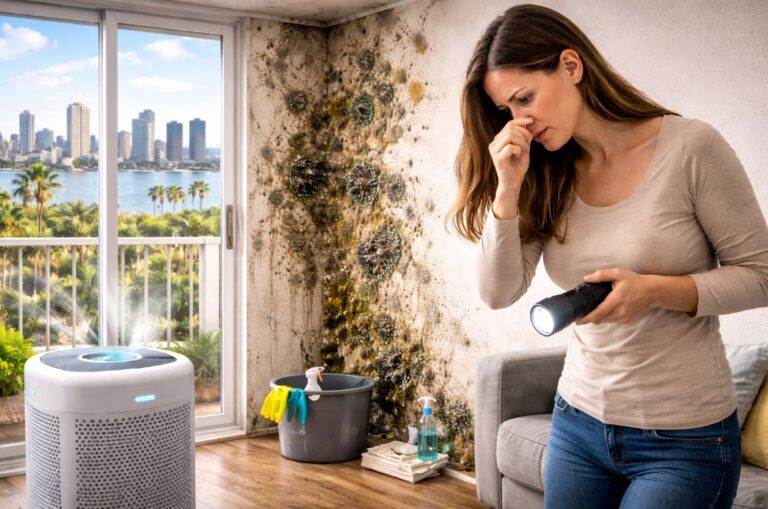
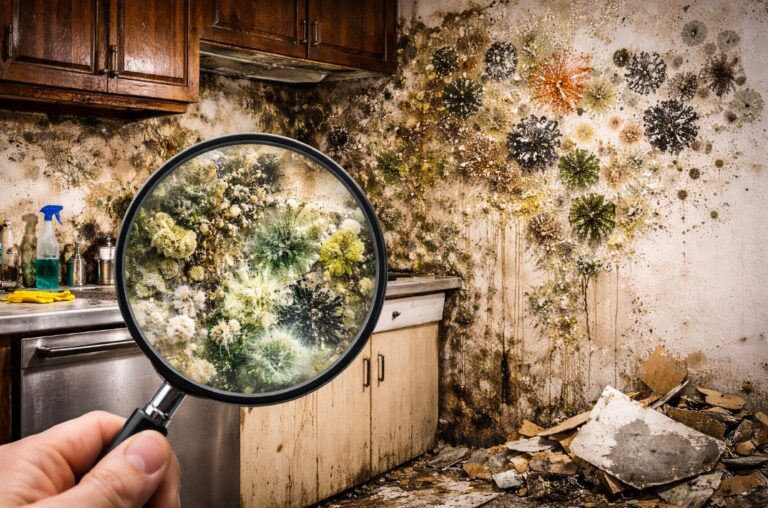
Hidden mold is sneaky. In every celebrity mold exposure story I’ve seen, the problem started where nobody was looking: inside walls, beneath floors, or tucked behind kitchen cabinets. You might only notice a faint musty smell, some recurring coughs, or headaches that come and go. It’s easy to chalk these up to stress, allergies, or a lingering cold.
Celebrities aren’t immune to this confusion. Like many people, they often ignore symptoms or misdiagnose the problem until it’s grown serious. And this is where it gets interesting—mold rarely announces itself with dramatic signs at first. It’s usually a series of little clues that are easy to overlook.
So don’t wait for an obvious mold patch to show up. Stay alert:
- Watch for musty odors, recurring colds, or water stains—don’t ignore small warning signs.
Lessons for San Diego Homeowners and Renters
The stories of famous celebrities affected by toxic mold drive home the reality that everyone in San Diego faces some level of risk. Along the coast, the marine layer and “June Gloom” can keep homes damp for weeks on end, encouraging hidden moisture problems. Inland neighborhoods deal with their own challenges: summer humidity, older housing stock, and rental units where leaks may go unnoticed or unreported.
If you live in a condo—which is common in San Diego’s urban core—shared walls and centralized ventilation can make it even trickier to spot a problem. A leak in one unit can impact several others, and ventilation issues can trap moisture in places you can’t easily see.
Here’s what I noticed: renters and condo owners sometimes assume someone else is handling maintenance, but documentation is your friend.
- Ask landlords or condo boards about recent water events; request documentation on repairs.
When to Call a Professional (DIY vs. Expert Help)
There’s a time for do-it-yourself fixes, and a time to bring in the experts. Learning from celebrity mold cases, you see that delays and missed warning signs can make things worse. If you spot a small, visible patch of mold (less than 10 square feet), you might be able to tackle it yourself with household cleaners and good ventilation. But if you’re dealing with larger areas, recurring moisture, or experiencing ongoing health symptoms, don’t wait.
Bianca Jagger’s legal battle and the drawn-out health struggles of other celebrities show how quickly things can escalate. Large infestations or mold that keeps coming back need professional assessment—ideally within days, not weeks.
- If you suspect hidden mold or have ongoing symptoms, book a professional mold assessment within 48 hours.
Official Guidance
The CDC warns that prolonged exposure to indoor mold can cause respiratory issues and may worsen asthma, especially in children and sensitive individuals. The EPA recommends fixing leaks and drying water-damaged areas within 24–48 hours to prevent mold growth. HUD advises renters to document any water damage and notify landlords immediately, insisting on prompt repairs. The California Department of Public Health offers resources for both homeowners and renters on recognizing and handling mold. The American Lung Association highlights the role of good ventilation in reducing indoor moisture.
Sources Note
- CDC (Centers for Disease Control and Prevention)
- EPA (Environmental Protection Agency)
- California Department of Public Health
This article is for informational purposes only. Always consult a certified specialist if you suspect a mold problem in your home.
FAQ
Which celebrities have suffered from toxic mold exposure?
Brittany Murphy, Dr. Oz, and Bianca Jagger are among the famous celebrities affected by toxic mold, each facing serious health or legal challenges due to hidden mold in their homes.What symptoms did Brittany Murphy and her husband experience with mold?
They suffered from pneumonia-like symptoms, fatigue, and respiratory distress. Speculation about toxic mold arose after both died within months of each other in the same home.How did Bianca Jagger’s mold exposure impact her health?
Bianca Jagger experienced severe respiratory issues, chronic fatigue, and long-term health decline, leading her to file a lawsuit over unaddressed mold and leaks in her luxury apartment.Can luxury homes in San Diego have hidden mold?
Yes, hidden mold in luxury homes can develop due to complex HVAC systems, unused rooms, or unnoticed leaks—especially in coastal climates with persistent dampness.What should I do if I suspect hidden mold in my San Diego condo?
Request a professional inspection, review your HOA’s maintenance records, and document any water stains, odors, or recurring health symptoms.Are renters protected if their apartment has toxic mold?
Renters should promptly document issues and notify their landlord. HUD and state agencies like CDPH advise landlords to repair water damage quickly to ensure safe living conditions.How does coastal fog or marine layer increase mold risk?
Coastal fog and the marine layer keep homes damp longer, raising the risk of condensation and hidden moisture, especially in older or poorly ventilated buildings.When should I hire a professional for mold inspection?
If you notice large mold patches, recurring moisture, or have unexplained health symptoms, hire a certified mold inspector within 48 hours to assess and address the problem.
Take Action
- If you’re experiencing unexplained health symptoms or spot signs of water damage, consider a home inspection for hidden moisture or mold.
- Share this article with neighbors or friends—awareness is key to protecting your home and health.
- For San Diego residents: reach out to local health departments or qualified inspectors if you need support or have concerns.