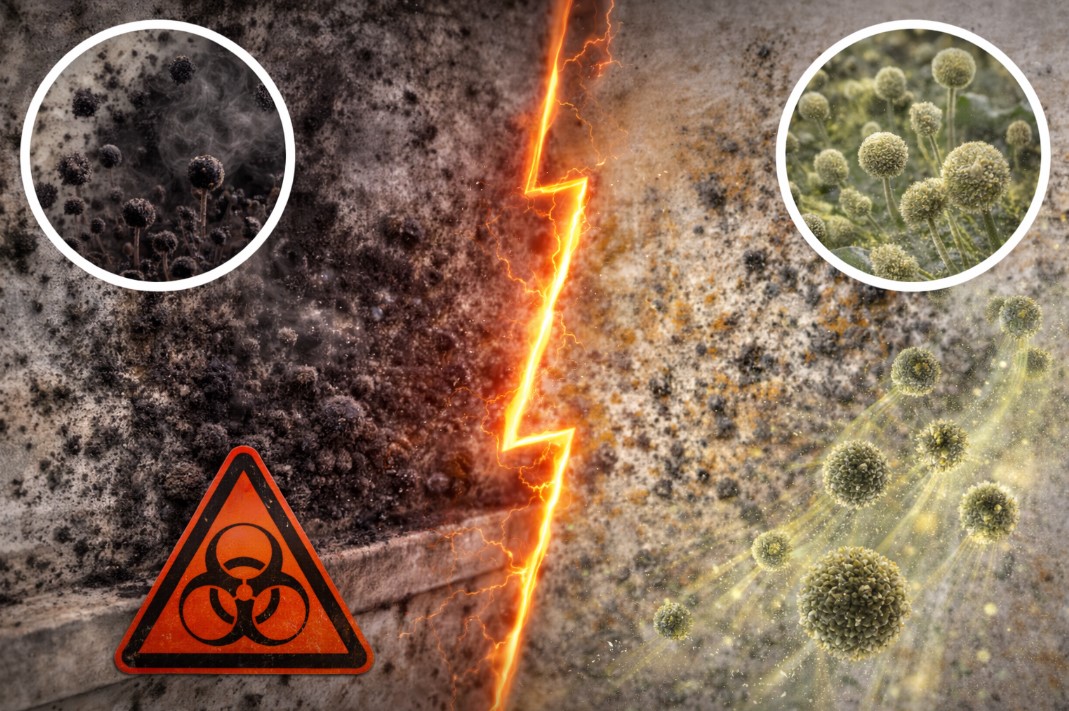
Black mold is more dangerous than regular mold because certain types, like Stachybotrys chartarum, produce toxic compounds (mycotoxins) that can cause serious health problems, especially after prolonged exposure.
For San Diego homeowners, this difference matters. The region’s coastal fog, periodic June Gloom, and older housing stock create ideal conditions for mold growth—making it crucial to recognize when you’re dealing with a toxic mold problem. But remember, mold is just the symptom; unchecked moisture is almost always the root cause.
- Black mold refers to specific toxin-producing species (like Stachybotrys chartarum), while “regular” mold includes many harmless household molds.
- Toxic black mold releases mycotoxins, which can trigger severe respiratory and neurological symptoms.
- All molds need moisture to grow—persistent leaks or high humidity are warning signs.
- Black mold often appears slimy, dark green-black, and grows on water-damaged materials.
- San Diego’s coastal climate and older homes are especially vulnerable to both types.
- Immediate moisture control is critical for any mold problem, toxic or not.
What Sets Black Mold Apart from Common Household Molds?
Black mold is distinguished from regular mold by its ability to produce toxic compounds and its unique appearance, which is particularly relevant for San Diego’s varied housing stock. While “black mold” is a common term, it’s not a scientific classification. Typically, it refers to Stachybotrys chartarum—a species notorious for producing mycotoxins under certain conditions.
In contrast, regular household molds like Cladosporium, Aspergillus, and Penicillium are far more common and usually less toxic. These molds can grow on a wide range of surfaces, appearing in shades of green, white, blue, or gray. Their texture is often powdery or fuzzy, compared to the slimy, tar-like patches associated with black mold.
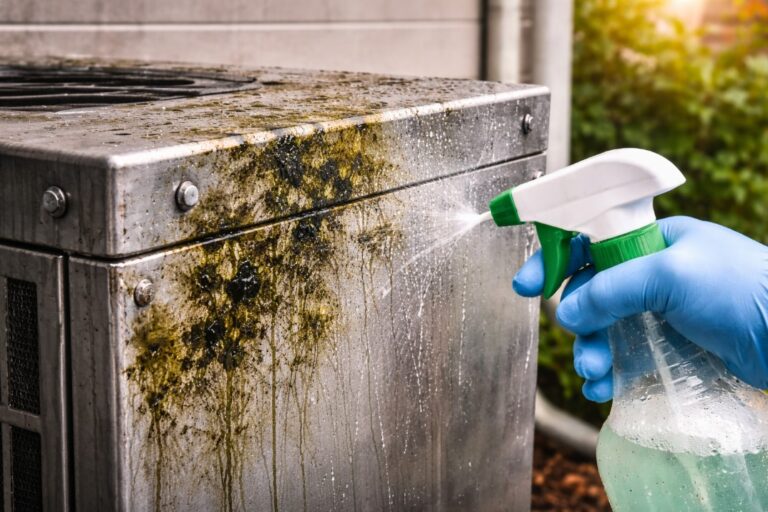
What surprised me most is how location and material influence mold type. Black mold thrives on cellulose-rich materials—think drywall, wood framing, and ceiling tiles—especially after water damage from leaks or flooding. It appears as dark green-black, often shiny or wet-looking, and tends to stick to hidden or poorly ventilated spots. Regular molds, by comparison, might grow on bathroom tiles, window sills, or inside HVAC systems, usually forming lighter, drier colonies.
For homeowners in San Diego, especially in older homes or coastal condos, spotting dark, slimy patches on drywall or wood after water incidents should be a red flag. The best practice is to document the issue (photos and notes) and avoid disturbing the area, since moving or cleaning black mold can release spores and potentially hazardous mycotoxins into the air.
How Toxic Mold Affects Your Health
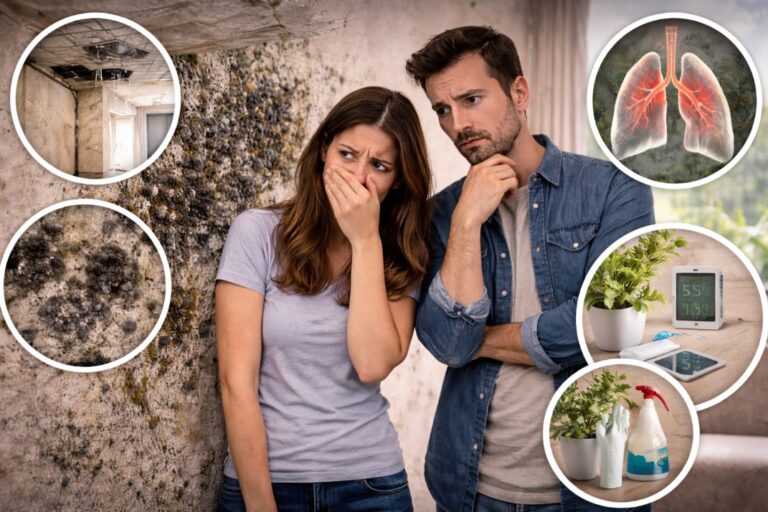
Toxic black mold poses greater health risks than regular household molds due to the presence of mycotoxins, which can cause severe and sometimes long-lasting symptoms. In San Diego, where families often share multi-generational homes, the risks are amplified for children, elderly adults, and those with pre-existing conditions.
Research suggests that exposure to mycotoxins from black mold may be linked to headaches, memory issues, persistent coughing, breathing difficulties, and neurological symptoms, especially with long-term exposure. The Centers for Disease Control and Prevention (CDC) notes that people with asthma, allergies, or compromised immune systems are especially vulnerable.
Even so, regular mold is not harmless. All indoor molds can trigger respiratory irritation—like coughing, sneezing, nasal congestion, or itchy eyes—though these symptoms tend to be less severe and resolve after exposure stops. Black mold, however, is associated with more persistent and wide-ranging health complaints, particularly if the contaminated area is large or the exposure is prolonged.
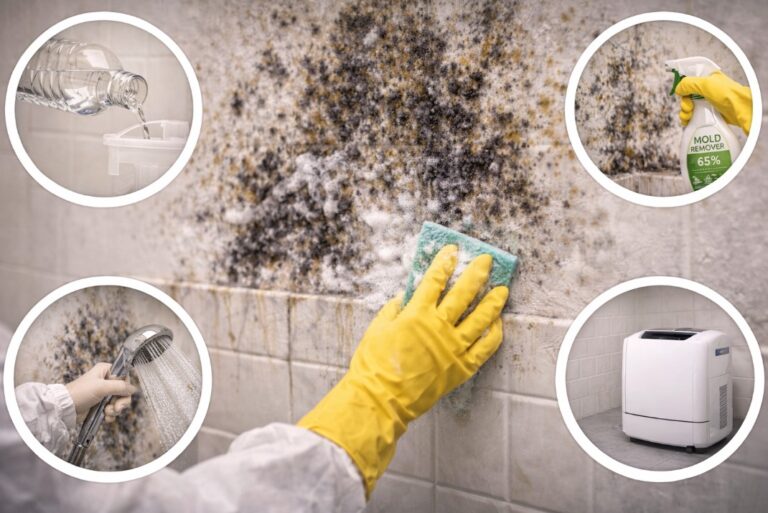
The pattern I keep seeing in health guidance is this: if someone in the household develops unexplained or worsening respiratory or neurological symptoms and mold is present, consult a healthcare provider and consider having the mold professionally tested. DIY mold cleaning is only reasonable for small, contained spots where health risks appear minimal. Large or visible black mold infestations, or cases involving severe symptoms, should always be handled by certified professionals.
Why San Diego Homes Are Prone to Mold Issues
San Diego’s unique climate and housing landscape make it especially susceptible to both regular and black mold. Persistent coastal fog, the marine layer, and June Gloom periods all contribute to higher indoor humidity levels, particularly along the coastline. Inland neighborhoods aren’t immune either; hot, dry days followed by cool nights lead to condensation on walls and windows, especially in homes without modern insulation.
Older condos and rental properties present another layer of risk. Aging plumbing, poorly sealed windows, and outdated ventilation systems create a perfect storm for hidden leaks and moisture buildup—prime conditions for mold to thrive. According to the California Department of Public Health (CDPH), renters should document any signs of leaks or visible mold and notify their landlord immediately, as property owners are legally required to address these issues.
Here’s what I noticed about local housing patterns: after a heavy rain or plumbing incident, musty odors or water stains often appear in less-trafficked areas—behind furniture, inside closets, or under sinks. Regular inspections for leaks, condensation, and unusual smells are essential. If any moisture problem is discovered, it’s crucial to address it within 24–48 hours to prevent mold from gaining a foothold.
Moisture Is the Root Cause—Not the Mold Itself
The most effective way to prevent and eliminate mold, including dangerous black mold, is to control moisture. Mold cannot grow without a water source, so remediation that ignores leaks or persistent humidity is unlikely to succeed. This is especially relevant in San Diego, where coastal fog and condensation can be persistent.
Toxic black mold tends to appear in places where moisture problems are chronic or ignored—such as hidden plumbing leaks, improperly ventilated bathrooms, or areas with frequent flooding. Simply cleaning visible mold, without fixing the underlying issue, often results in a quick return of the problem.
To prevent recurrence, the first priority should always be to identify and repair any source of water intrusion. For example, a bathroom exhaust fan might cost $60–$150 and can make a dramatic difference in reducing humidity. For renters, it’s essential to report leaks and document all communications with property management. Condo owners should check with their HOA before making repairs, as shared plumbing or exterior walls may be involved.
And this is where it gets interesting: minor moisture issues—like a leaky faucet or small window condensation—can often be handled with DIY fixes and basic tools. But hidden or structural leaks (e.g., inside walls or beneath floors) generally require professional assessment and repair to truly resolve the issue before any mold remediation takes place.
When to Call a Professional for Mold in Your San Diego Home
Professional intervention is necessary when mold covers a large area (more than 10 square feet), black mold is suspected, or mold is hidden in inaccessible places like inside walls or ceilings. In San Diego’s older homes, these scenarios are not uncommon, especially after plumbing failures or unnoticed roof leaks.
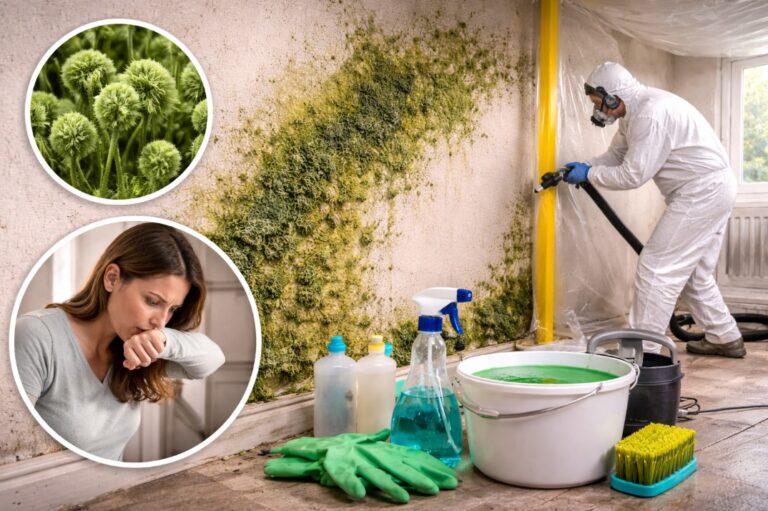
Disturbing black mold without proper containment can worsen health risks, as spores and mycotoxins may become airborne. Certified mold remediators in San Diego are trained not only to remove visible growth but also to address the underlying moisture source—ensuring the problem does not return.
If you suspect black mold or can’t identify the source of moisture, it’s best to consult a licensed specialist. The U.S. Environmental Protection Agency (EPA) recommends professional remediation for large or toxic mold infestations. When assessing any mold-affected area, always wear gloves and an N95 mask, even if only taking photos or inspecting a small patch.
For renters, always notify your landlord in writing before taking any direct action. Condo owners should check HOA guidelines, as remediation might involve shared building components.
Official Guidance: What Authorities Say About Toxic Mold
Multiple agencies have issued clear recommendations about mold prevention and response:
- The EPA: Water leaks and moisture problems should be addressed within 24–48 hours to prevent mold growth.
- The CDC: All molds can cause health issues, but black mold’s toxins are particularly hazardous for sensitive groups.
- The California Department of Public Health: Landlords must address leaks and visible mold in rental properties.
- The American Industrial Hygiene Association: Professional remediation is recommended for black mold or large infestations.
- San Diego County Health & Human Services: Provides resources for mold complaints in rentals and public buildings.
Authorities stress that moisture control, prompt repair of leaks, and professional help for large or toxic mold issues are the most effective ways to protect household health.
Sources Note
Organizations referenced for this article include the U.S. Environmental Protection Agency (EPA), Centers for Disease Control and Prevention (CDC), and California Department of Public Health (CDPH).
This article is informational only. For confirmed or severe mold problems, consult a qualified specialist.
FAQ
What’s the difference between black mold and regular mold?
Black mold refers to species like Stachybotrys chartarum that produce toxins; regular mold includes many types, most of which are less harmful.Is black mold always toxic?
Not all black-colored molds are toxic, but Stachybotrys chartarum can release mycotoxins under certain conditions.How can I tell if I have black mold in my San Diego home?
Black mold often looks slimy and dark green-black, growing on water-damaged drywall or wood. Professional testing is needed for confirmation.Can regular mold make you sick too?
Yes, regular mold can trigger allergies and respiratory irritation, though symptoms are usually less severe than with toxic black mold.What are signs of toxic mold exposure?
Symptoms may include headaches, memory issues, breathing problems, and worsening allergies, especially in sensitive individuals.Do I need a professional to remove black mold?
For areas larger than 10 square feet, hidden mold, or suspected black mold, professional remediation is recommended.Why is mold so common in coastal San Diego homes?
Coastal fog, marine layers, and aging buildings increase indoor humidity and the risk of leaks, creating ideal conditions for mold.How quickly does mold grow after a leak?
Mold can begin to grow within 24–48 hours if moisture is not controlled.
Take Action
- Schedule a moisture inspection if you suspect leaks or recurring mold.
- Consult a licensed mold remediation specialist for large or toxic mold growth.
- Regularly check for hidden moisture in high-risk areas, especially after storms or plumbing issues.