Toilet Leaks: 5 Subtle Signs Before You See a Puddle
San Diego’s climate brings its own set of moisture challenges, whether you’re living near the foggy coast or in hotter inland zones. The ever-present marine layer (“June Gloom” ring a bell?) means coastal homes often face condensation, while older plumbing in both coastal bungalows and inland condos can spring slow leaks. When it comes to toilet leaks, what you don’t see can hurt you—especially if hidden moisture leads to mold under floors or behind walls. Catching the early warning signs is your best defense, no matter if you own, rent, or share your space with an HOA.
1. The Not-So-Silent Toilet: Unexpected Sounds and Water Movement
You expect your toilet to be quiet when it’s not in use. If you start hearing trickling, hissing, or the occasional “ghost flush,” pay attention—these are classic early toilet leak signs. Sometimes, you might glance in and notice the water in the bowl is rippling, even when nobody’s touched the handle.
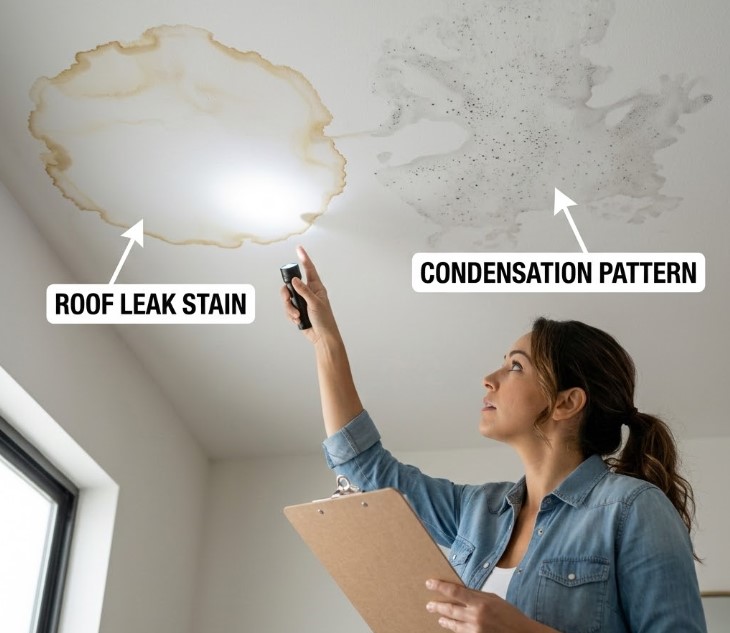
These subtle sounds and movements can signal a worn flapper or a faulty fill valve, both of which allow water to leak slowly from the tank to the bowl. In coastal homes, high humidity from marine layer moisture can also cause condensation on the tank, which might trick you into thinking there’s a leak when it’s really just “sweating.” Still, don’t ignore it—condensation itself can drip onto the floor and cause just as much trouble over time.
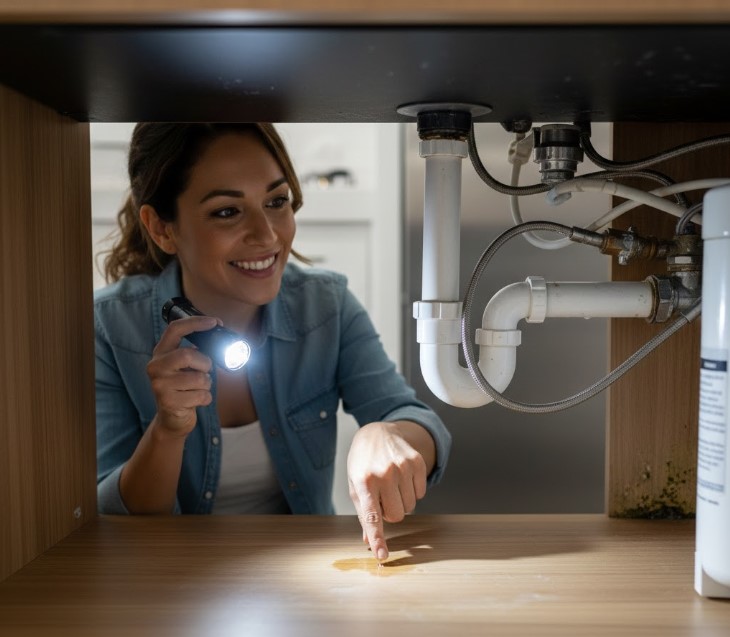
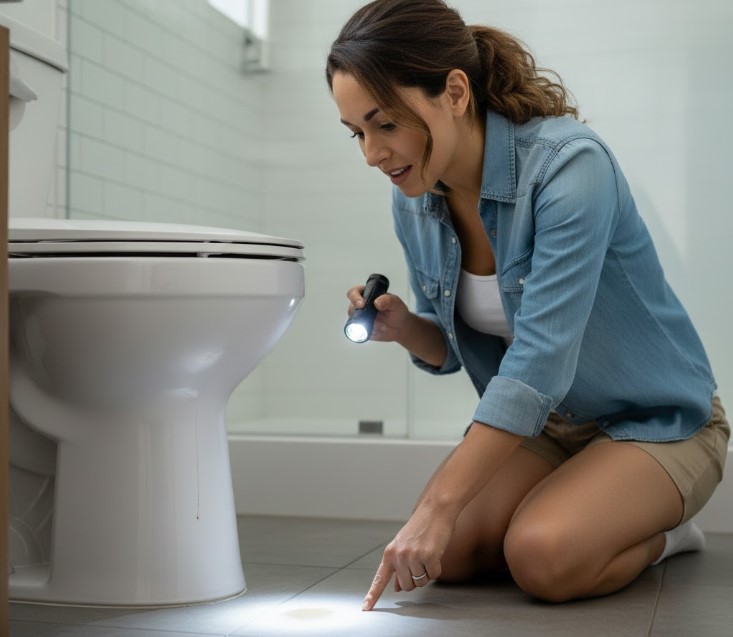
Do this now: Take a quiet moment in your bathroom. Listen for any trickling or running water from the tank or bowl when the toilet isn’t being used. Shine a flashlight into the bowl—if you see ripples, you may have a silent leak starting. This quick check can save you from bigger headaches later.
2. Floor and Wall Clues: Discoloration, Softness, and Warping
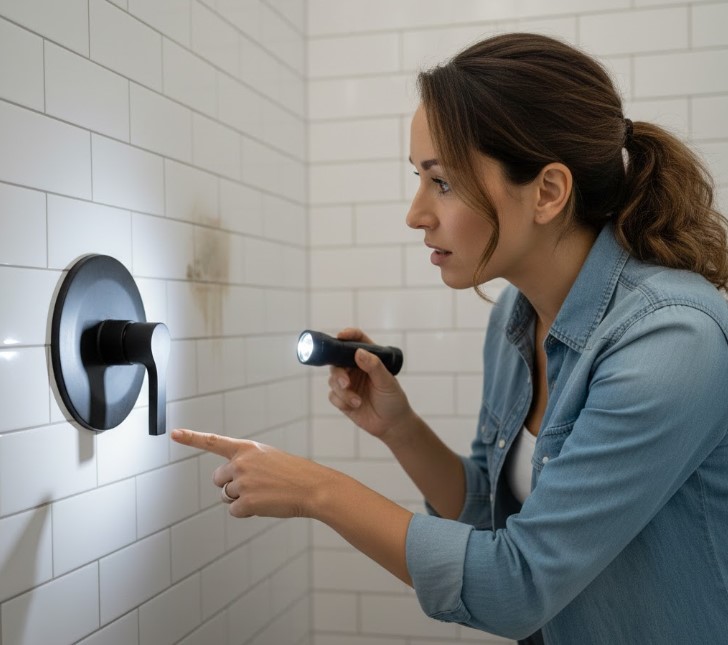
Toilet leaks aren’t always obvious. Often, the first visual clues show up on the floor or nearby walls rather than as a puddle. Look for yellow, brown, or dark stains around the toilet base, along the grout, or near the bottom of adjacent walls. If your flooring feels a bit “spongy” or if you notice vinyl or laminate warping, that’s a red flag. Older San Diego homes and apartments—especially those built before stricter plumbing codes—are more prone to these issues.
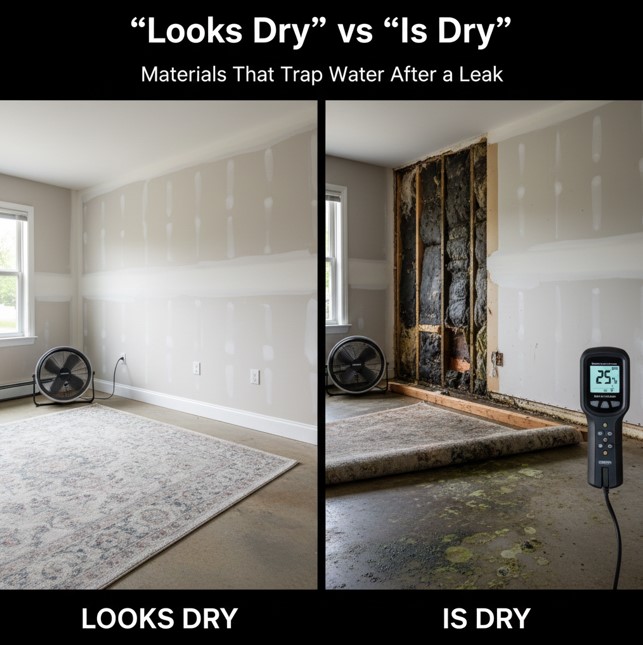
Peeling paint, bubbling baseboards, or a musty odor can all point to hidden moisture. Think of it like a houseplant’s roots: the damage often happens out of sight, but you’ll see wilted leaves before you see the real problem.
Do this now: Press gently around the toilet base with your foot. Does the floor give way or feel soft? Scan for new stains or peeling paint, and take a sniff—musty smells mean trapped moisture. If you have a moisture meter, use it on the floor and walls near the toilet to confirm your suspicions.
3. Moisture Meter Magic: Detecting Dampness Beyond Sight
You don’t have to guess when it comes to hidden moisture. A small investment in a hygrometer (measuring indoor humidity) or a moisture meter (checking surfaces) can reveal leaks before they become major repairs. These tools are especially useful in San Diego’s fluctuating climate—when June Gloom brings high humidity, bathrooms without proper exhaust fans are at greater risk.
Aim for indoor humidity between 30–50%. If your bathroom regularly reads above 60%, you could be dealing with leaks, poor ventilation, or just too much steam from showers. Place your hygrometer on a shelf or counter near the toilet, away from direct water spray. For a moisture meter, check the baseboards, behind the toilet, and along the wall—especially after heavy bathroom use or on damp mornings by the coast.
Do this now: Pick up a basic hygrometer (often $10–$20) and leave it in your bathroom for a week. Record the readings, especially during foggy mornings or after showers. If numbers spike above 60% RH, check for leaks or improve your exhaust fan’s use and airflow.
4. Water Bill Surprises and Random Mold Growth
Sometimes, your first clue comes in the mail. If your water bill jumps without explanation—and you haven’t had guests or installed a new appliance—a hidden toilet leak might be to blame. In condos or apartments with separate meters, even a small, slow leak can cost you.
Keep an eye out for small patches of mold at the base of the toilet, behind the tank, or along nearby walls. Mold isn’t the cause; it’s always a symptom—persistent moisture is the real culprit. In San Diego, where marine layer humidity adds to bathroom dampness, controlling indoor moisture is your first and best mold prevention tool. Once you spot mold, address the leak first, then clean hard surfaces with detergent and water. Never ignore mold on porous materials like drywall or carpet—fast action is key.
Do this now: Compare your last two or three water bills. Notice a spike? Do a quick leak check. If you see new mold spots, dry and clean hard surfaces immediately, but call a pro if you find extensive damage or sewage. For renters, document everything with photos and written notes, then notify your landlord.
5. Quick-Action Timeline: What to Do in the First 48 Hours
If you suspect or confirm a toilet leak, acting fast makes all the difference—both for your wallet and your home’s health. Mold can start growing in as little as 24–48 hours, so time really is of the essence.
0–24 Hours:
Shut off the toilet’s water supply (usually located behind the tank). Mop up all visible water, focusing on baseboards and seams where flooring meets the wall. Use fans or a dehumidifier to dry the area as quickly as possible. Take photos of the damage—these are invaluable for insurance claims, HOA reports, or landlord documentation.
24–48 Hours:
Check for hidden moisture—press on the floor, check behind the toilet, and use your moisture meter. Monitor humidity levels. If you find areas that are still damp after 24 hours, or if you spot damage beyond the bathroom (like on the ceiling below), call a plumber or your property manager right away. For condos and rentals, always document and notify in writing to keep your insurance or repair options open.
When to DIY: If the leak is from the tank hardware, there’s no major floor damage, and you don’t see mold, you can often replace parts yourself.
When to call a pro: If the floor feels soft, you see mold or smell mustiness, or if you’re in a rental or condo, let the experts (or your property manager) handle it. Never vent bathroom fans into the attic—this only moves moisture elsewhere and risks attic mold.
For more on moisture control, see: Moisture Control: The Ultimate San Diego Guide, How to Use a Moisture Meter in Your Bathroom, and Quick Fixes for Leaky Toilets in Rentals and Condos.
Frequently Asked Questions
What are early signs of a toilet leak?
Listen for trickling or running water, watch for rippling in the bowl, and check for stains or soft flooring near the toilet.
How can I detect a hidden toilet leak without tools?
Turn off all water in your home, then check your water meter. If it moves, you probably have a hidden leak. Also, place a few drops of food coloring in the tank—if it appears in the bowl without flushing, you have a slow leak.
Why does my bathroom floor feel soft near the toilet?
Persistent moisture from leaks can weaken flooring over time, making it feel spongy or unstable.
Should I worry about mold if there’s no visible water?
Yes—mold can grow where you can’t see it if moisture is present. Always investigate musty smells, discoloration, or persistent humidity.
What tools help find bathroom moisture?
A hygrometer (for room humidity), moisture meter (for surfaces), and a flashlight are simple, affordable tools for leak detection.
How quickly can mold grow after a toilet leak?
Mold can start within 24–48 hours if materials stay damp, especially on drywall, carpet, or wood.
Is a running toilet always a sign of a leak?
Often, yes—a running toilet usually means water is escaping from the tank, which can waste water and cause hidden moisture issues.
When should I call a plumber vs. fix a toilet myself?
If you’re comfortable and the leak is from tank hardware, DIY is fine. Call a plumber if you have floor damage, see mold, or can’t stop the leak.
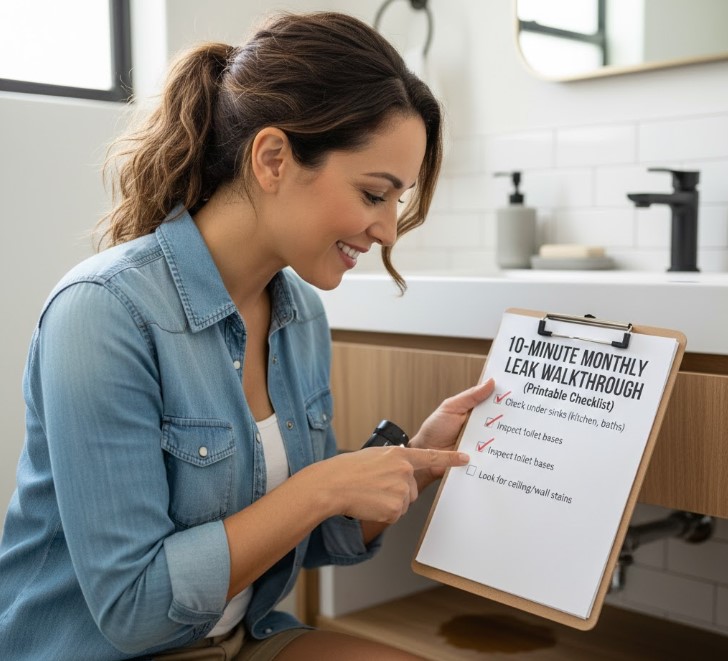
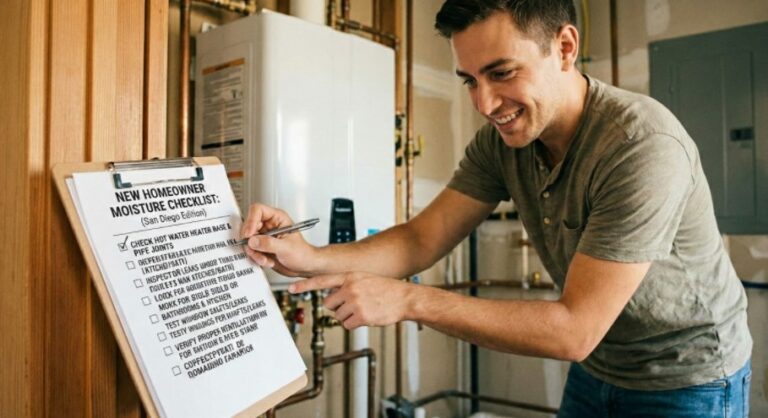
Ready to take action? Do the 10-minute bathroom leak checklist today. Track your bathroom’s humidity for a week and compare your numbers with our Moisture Control Guide. And if you spot any of these subtle toilet leak signs, document them with photos and notes for repairs, insurance, or your property manager—your home (and your wallet) will thank you.