San Diego’s unique blend of coastal fog, marine layers, and sudden heat waves means indoor moisture is a year-round challenge. Whether we’re living in an older beach bungalow, a modern inland home, or a downtown condo, hidden moisture is often the culprit behind musty odors, mold, and damaged finishes. The good news? A simple hygrometer can be our first line of defense. Let’s break down how to use one correctly, where to put it, and what to watch for to keep our homes dry and healthy.
Why Monitoring Humidity Matters for San Diego Homes
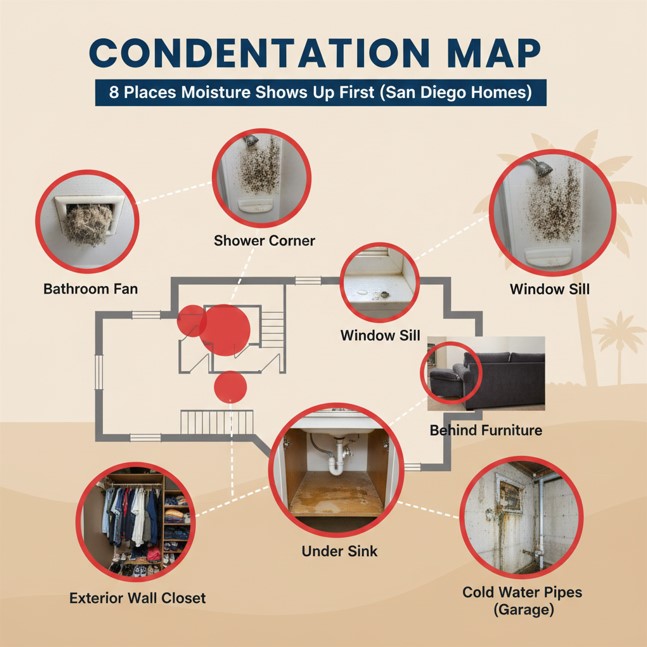
Moisture is at the heart of nearly every mold and musty odor problem we encounter in San Diego homes. Mold isn’t the root issue—moisture is. Our climate creates especially tricky conditions: coastal neighborhoods battle June Gloom and the marine layer, which can push humidity inside and create condensation on windows, while inland areas face dry heat punctuated by sudden spikes in humidity from summer thunderstorms or poorly vented showers.
Both old and new homes are vulnerable. Older homes often have leaky plumbing or poor ventilation, while newer, tightly constructed buildings can trap moisture inside. Condos and apartments add another layer, with shared walls, slab floors, and sometimes minimal control over building-wide HVAC or ventilation.
The EPA recommends keeping indoor humidity below 60%—ideally between 30% and 50%. This range makes it much harder for mold to get a foothold on porous materials like drywall, carpet, or insulation. Relying on our own senses isn’t enough; a hygrometer gives us real data so we’re not guessing.
Today: Place your hygrometer in the center of your living area and note the current RH (relative humidity) reading. If it’s above 55%, start investigating sources of excess moisture.
Where to Place Your Hygrometer for Accurate Readings
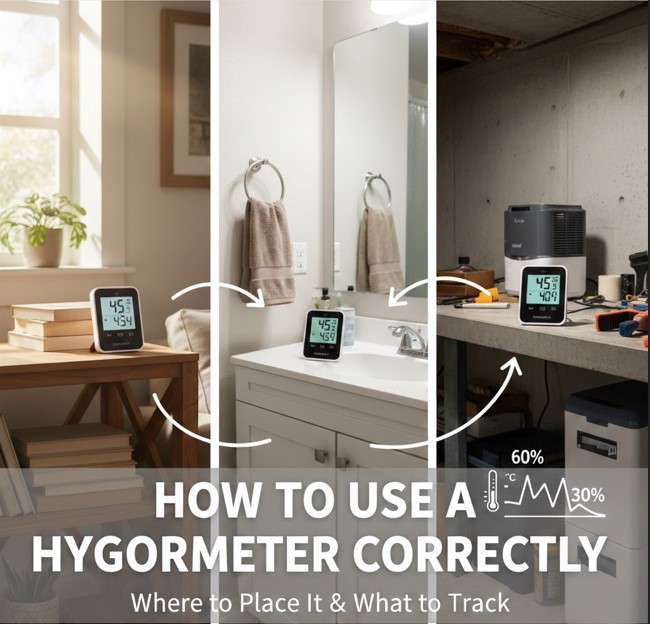
To get meaningful data from a hygrometer, placement is everything. We want to avoid readings that are skewed by drafts, sunlight, or cold surfaces. Ignore the urge to stick your device on a window ledge or right next to an AC vent—those spots can give wildly inaccurate numbers due to condensation or airflow.
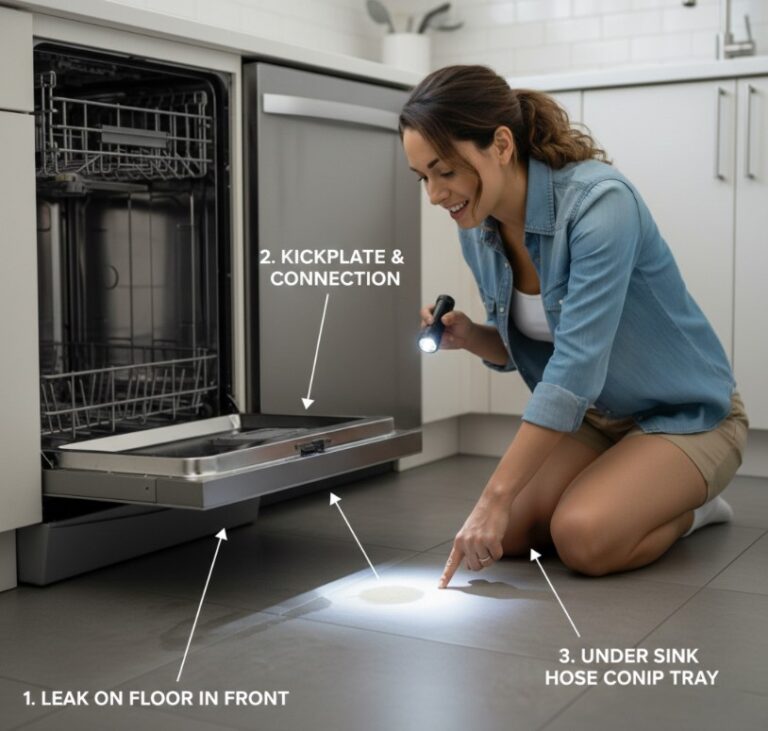
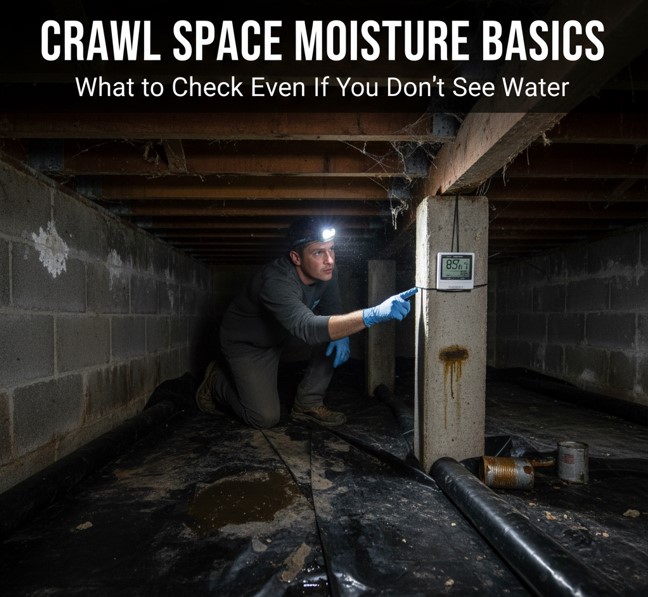
Instead, aim for the center of main living spaces, bedrooms, or areas where moisture problems are suspected. Kitchens, bathrooms, laundry rooms, attics, crawl spaces, and near HVAC systems are all fair game, especially if they’ve had issues like an under-sink leak, sweating AC ducts, or a clogged HVAC condensate line.
For condos and apartments, pay attention to shared walls, slab floors, and any rooms with limited ventilation. If you’re in a rental, use a rental moisture checklist and document any high readings to share with your landlord.
When rotating your hygrometer, focus on problem areas. If you’ve had a roof leak, condensation on windows, or musty odors, move the device there for a few days.
Today: Move your hygrometer into the bathroom right after a shower—does the RH stay high after 30 minutes? If so, check your bathroom exhaust fan’s CFM and ventilation setup.
What to Track and How to Respond: Humidity Levels, Spikes & Leaks
Tracking humidity isn’t just about a single number; it’s about patterns and changes. Most San Diego homes should see RH between 30–50% under normal conditions. Spikes above 55–60%—especially for more than a few hours—are red flags. Watch for unexplained jumps after activities like cooking, laundry, or a spell of marine layer humidity.
If you’ve had a water event—a toilet leak, shower valve leak behind the wall, or a window and stucco leak from a sudden storm—time is critical. Here’s how to act:
0–24 hours: Use your hygrometer and a moisture meter to check affected areas. Start drying immediately: fans, open windows, and, if necessary, a portable dehumidifier. Photograph damage and readings for insurance or landlord documentation.
24–48 hours: Recheck RH levels. If the numbers stay high or the area still feels damp, ramp up dehumidification and keep air moving. If you’re not making progress drying carpet, drywall, or insulation, it may be time to call a professional.
After 48 hours: If RH remains high or you see visible mold, don’t risk DIY cleanup—contact a certified mold inspector or remediation pro. DIY mold cleanup is only safe for hard surfaces, small areas, and non-contaminated water sources; avoid spreading spores by disturbing porous materials.
Today: Log your home’s RH in the morning and evening for three days. Note any spikes after showers, cooking, or laundry—these are your moisture hotspots to address.
Common Placement Mistakes & Tips for San Diego Home Types
Many of us set our hygrometer and forget it, but a single device can’t tell the whole story. Placing it near a vent, window, or in direct sun can throw off readings—sometimes by as much as 10–15%. Rotating the device through main rooms, bathrooms, and even the attic or crawl space (if safely accessible) gives a clearer picture.
Coastal homes need extra vigilance during June Gloom and marine layer periods. Condensation on windows isn’t just an eyesore—it’s a sign to check RH and ventilation. Focus on bathrooms without proper exhaust, attics, and closets where humidity lingers.
Inland homes often see spikes during heat waves or when HVAC use is heavy. Watch for sweating AC ducts and clogged condensate lines—these can silently add gallons of water vapor inside.
Condos and apartments have their own quirks: shared walls can hide leaks, while slab floors can harbor moisture. Rentals may have limited options for upgrades, so documenting humidity issues is key—both for your own safety and for communication with management or the landlord.
DIY tracking is practical for minor condensation or single-room spikes, but if the whole home shows RH over 65%, there’s a persistent musty odor, visible mold, or slow drying after 48 hours, it’s time to call in an expert.
Today: Check if your hygrometer is near a vent or window—move it at least 3–6 feet away for better accuracy.
Track, Document & Verify: Building Your Moisture Control Routine
The real power of a hygrometer is in routine use and documentation. By logging weekly or monthly RH—especially during seasonal swings like June Gloom, Santa Ana winds, or after a leak—we build a baseline for what’s normal in our home.
If a leak or spike does happen, take photos of wet materials, note dates, and record RH before and after repairs. This proves whether fixes, like a new bath fan or roof patch, have truly solved the problem. It’s also essential documentation for insurance claims, HOA communication, or rental disputes.
If persistent high RH, repeated leaks, or mold growth occurs, update your property manager, HOA, or insurer with your documented readings and photos. For more detailed guidance, check out our related guides: [Moisture Control in San Diego Homes], [How to Detect Hidden Leaks & Moisture Sources], [Attic & Crawl Space Moisture Prevention], [Ventilation Upgrades for Condos & Apartments], and [What to Do in the First 48 Hours After a Leak].
Today: Start a simple humidity log—jot down readings from your hygrometer in key rooms once a day for a week. Use this as your baseline for any future moisture issues.
Frequently Asked Questions
Where should I put my hygrometer in my house?
Ideally, place it in the center of the room, away from vents, direct sunlight, windows, or exterior walls. Rotate it to problem areas for a few days to spot hidden moisture.
What is a normal indoor humidity level in San Diego?
Aim for 30–50% relative humidity. Anything consistently above 60% can lead to mold and moisture problems.
How does humidity affect mold growth?
High indoor humidity (over 60%) provides the moisture mold needs to thrive, especially on porous materials like drywall and carpet.
Can a hygrometer help detect leaks?
While it doesn’t detect water directly, a sudden spike in humidity often signals a hidden leak or water event nearby.
Should I use a hygrometer in my bathroom?
Absolutely. Bathrooms are moisture hotspots. Use your hygrometer to see if your exhaust fan is adequate—if RH stays high 30 minutes after a shower, it’s time to upgrade ventilation.
What’s the difference between a hygrometer and a moisture meter?
A hygrometer measures air humidity (RH), while a moisture meter checks the moisture content inside materials like drywall, wood, or carpet.
What do I do if my humidity is too high?
Increase ventilation, use a dehumidifier or air conditioner, and check for leaks. If you can’t get RH below 60% in 24–48 hours, consider calling a professional.
Do I need a professional if my humidity stays high after a leak?
Yes, persistent high RH after 48 hours means drying isn’t working—call a mold inspector for assessment and post-remediation verification.
Take action today: do the 10-minute moisture and humidity checklist in your main rooms, track your RH readings for 7 days using our downloadable log, and if you’ve had a recent leak, document everything for insurance or your landlord. For persistent issues, don’t hesitate to schedule a professional inspection—moisture control is the key to mold prevention in every San Diego home.