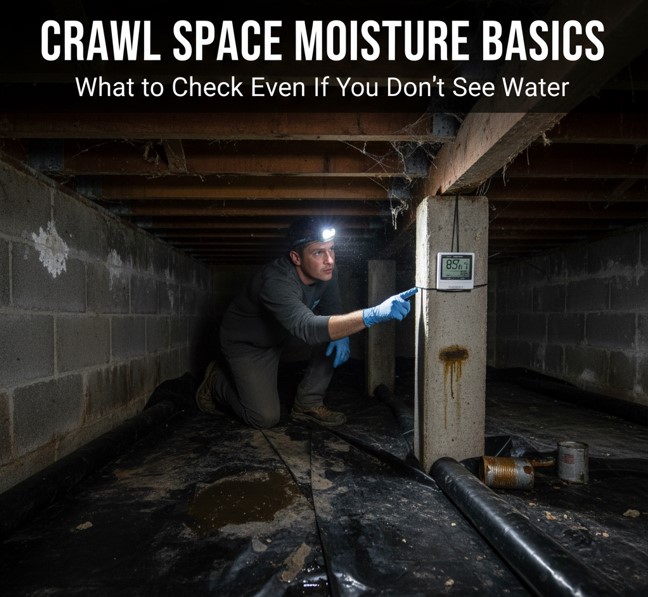
San Diego homeowners are well aware that our local weather is anything but predictable. From the marine layer and coastal fog of La Jolla and Point Loma to the dry heat of El Cajon and Poway, moisture finds its way into many homes—often where we least expect it. Crawl spaces, whether under vintage craftsman bungalows or modern condos, can silently collect humidity and hidden leaks. Even if we never spot standing water, unchecked crawl space moisture is one of the most common sources of hidden mold and long-term structural headaches. Here’s what every San Diego homeowner, condo resident, or renter should check to keep their home healthy, dry, and safe.
Why Crawl Space Moisture Matters—Even in “Dry” San Diego
It’s easy to assume that crawl space moisture isn’t a San Diego problem. After all, our region is known for dry spells and mild weather. Yet, the reality is more complicated. On the coast, marine layer humidity, “June Gloom,” and overnight fog can raise crawl space dampness—even when there’s been no rain. Inland, rare storms and summertime HVAC use can cause condensation and leaks below our homes.
Even in newer builds or ground-floor condos, crawl space moisture can sneak in through plumbing leaks, poorly sealed HVAC condensate lines, or improper grading around the foundation. As we’ve seen time and again, mold and wood rot are symptoms; the root cause is always moisture.
Why does this matter? First, crawl space moisture can impact not just the hidden wood and insulation beneath our homes, but also indoor air quality, energy efficiency, and eventual resale value. For renters and condo owners, shared building systems mean one person’s leak can become everyone’s problem. Insurance claims and HOA rules often require fast documentation and response.
One quick check: Place your hand on the foundation wall or floor in your crawl space. Does it feel cool or a bit damp, even if not wet? That’s a hint of excess humidity. For a more precise read, place a $15–$30 hygrometer in the crawl space and check the relative humidity (RH) after a few hours. To prevent mold, the EPA recommends keeping humidity below 60 percent, with an ideal target between 30–50 percent.
Hidden Moisture Red Flags—What to Inspect If You Don’t See Water
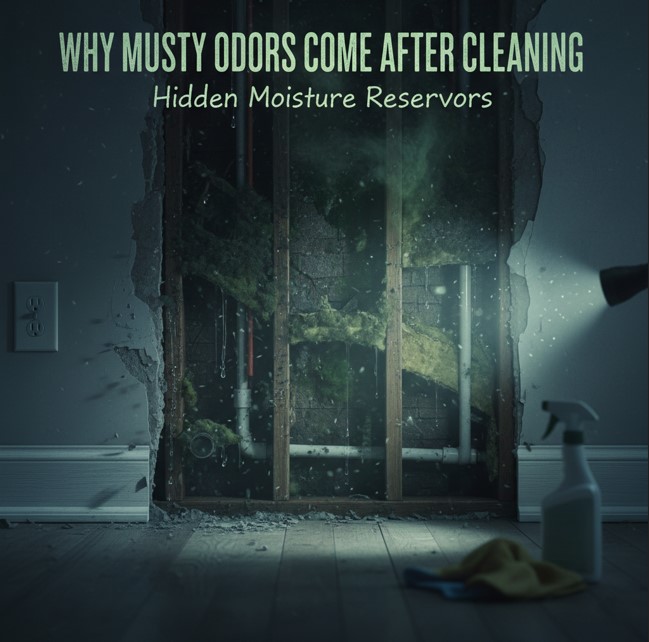
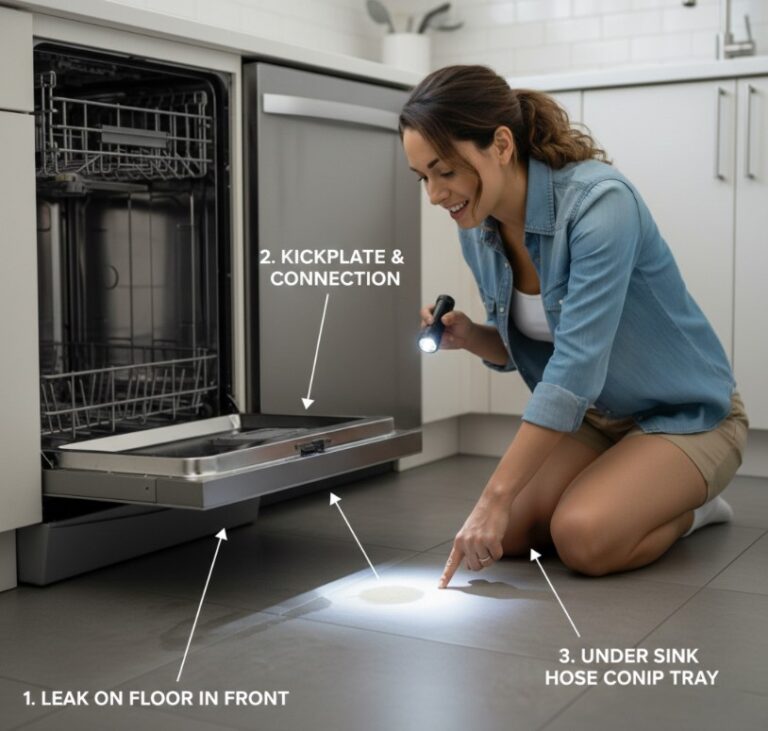
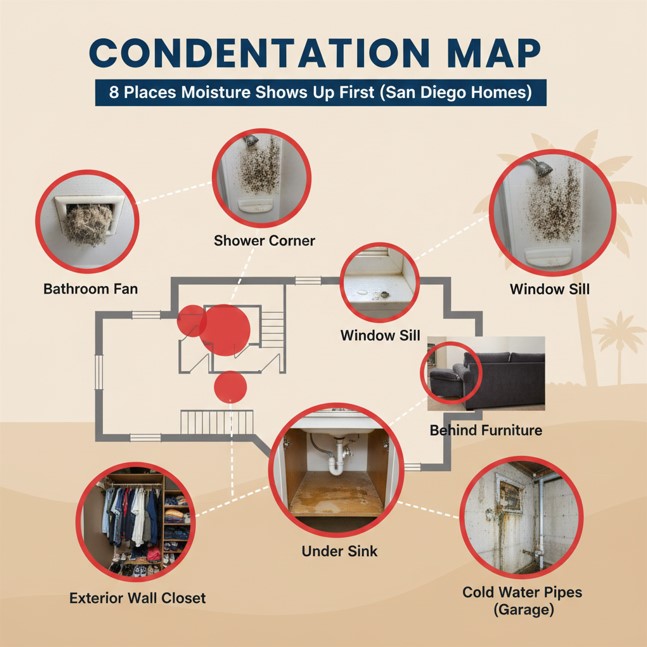
Most crawl space moisture issues don’t start with a dramatic puddle. Instead, subtle warning signs build up over time. In San Diego homes, we often see hidden sources like small under-sink leaks, sweating AC ducts, leaky shower valves behind walls, or HVAC condensate line clogs—especially during the summer, when air conditioners work overtime.
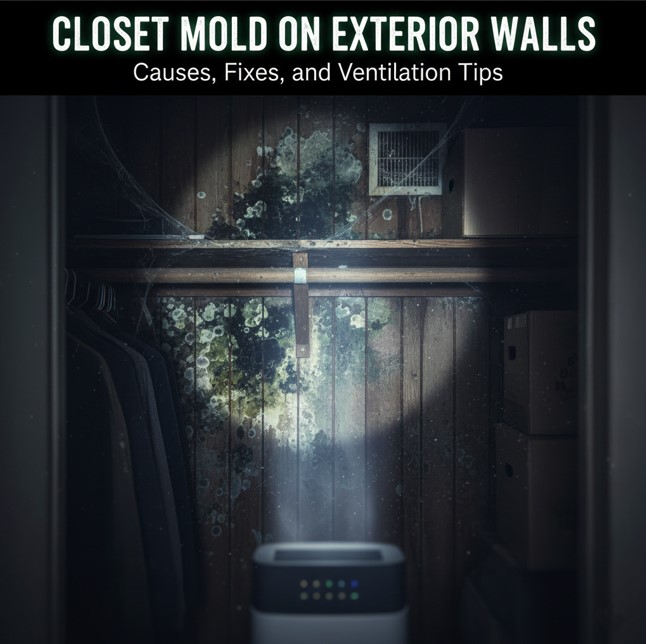
What should we look for? Musty or earthy smells are a classic sign that moisture is lingering. Warped or cupped wood, rust on metal supports or HVAC parts, and sagging or damp insulation are other clues. Efflorescence—a white, powdery deposit on concrete or brick—signals moisture moving through masonry. Even if we don’t see water, condensation on pipes or surfaces is a warning flag.
A basic crawl space inspection doesn’t require crawling through tight spaces. Here’s a quick checklist:
- Smell for musty or earthy odors.
- Look for dark stains or watermarks on wood and insulation.
- Check metal for rust or corrosion.
- Scan brick or concrete for white powdery deposits.
- Note any small puddles or persistently wet soil.
- Use a flashlight and mirror to peek into hard-to-reach corners.
For a simple DIY test, tape a one-foot square of clear plastic to the crawl space floor and leave it for 24 hours. If moisture appears inside the plastic, vapor is seeping up and contributing to crawl space humidity.
What To Do After a Leak or Water Event (0–24–48 Hour Timeline)
Discovering water or a leak in the crawl space can be stressful, but acting quickly makes all the difference. Mold can begin to grow in as little as 24–48 hours, so our response in the first two days is critical.
Immediately (0 hours): First, stop the source if possible—shut off the main water supply if it’s a plumbing leak. Remove any standing water using a wet/dry vac or absorbent towels. Start increasing airflow by opening crawl space vents and setting up fans to promote drying.
By 24 hours: Remove any wet insulation, cardboard, or debris. Set up a dehumidifier, or rent one, to bring humidity below 60 percent as quickly as possible. Take clear photos and notes to document all damage for insurance or future repairs.
By 48 hours: Use a moisture meter to check hidden wood or insulation for lingering dampness. If areas are still wet, or if you spot visible mold, it’s time to call a crawl space specialist. For renters or condo owners, document everything and notify your landlord or HOA immediately—fast response protects everyone involved.
Safety first: If you find visible mold covering more than 10 square feet, sewage, or suspect any electrical hazard, stop and contact a professional. DIY cleanup is not safe in these situations.
Everyday Moisture Control—Ventilation, Barriers, and Monitoring
Ongoing prevention is the best defense against crawl space moisture. Proper ventilation—open, unobstructed vents or powered fans—helps keep RH in check, especially during San Diego’s foggy mornings or after unexpected rain. If your crawl space is sealed, a continuous vapor barrier on the floor can block ground moisture.
Always ensure that bathroom exhaust fans, kitchen vents, and dryer ducts vent all the way outside, not into the crawl space. Blocked or missing venting is a common source of hidden condensation and mold, particularly in older homes or multi-unit buildings.
Don’t forget the basics: keep gutters and downspouts clear, extending them at least a few feet away from the foundation so water doesn’t pool near walls. After big storms, plumbing work, or changes in HVAC, check crawl space humidity and look for any new stains or smells.
A few simple tools make a big difference: a hygrometer for RH monitoring, a basic moisture meter, a bright flashlight or headlamp, and PPE like gloves and an N95 mask for safe inspection. A dehumidifier or battery-powered fan can be invaluable for quick drying after a minor water event.
A practical step: Once a week for a month, do a quick crawl space walk-through—check that all vents are open, scan for new stains or odors, and record the RH. Noticing changes early helps us act before small problems grow.
DIY vs. Call a Pro—When to Get Help (Especially in San Diego)
Some crawl space moisture issues are well within reach for a handy homeowner. We can manage routine checks, monitor humidity, seal small gaps, and replace vent covers ourselves. But some red flags mean it’s time to call in a specialist.
If we see persistent high humidity (above 70 percent) after using a dehumidifier or fans, visible mold growth, wood rot, or structural issues like sagging beams, it’s best to get professional help. The same goes for large leaks, sewage, electrical hazards, or crawl spaces that are inaccessible or shared in condos and rentals. Older coastal homes may need vapor barrier upgrades, while inland homes might see ground moisture after rare heavy rains.
For insurance or HOA claims, thorough documentation—photos, notes, and receipts—is essential. Reporting early often makes the process smoother and can limit liability in shared buildings.
A good quick decision rule: If you see recurring water pooling after every rain, musty odors that return even after drying, or any white mold growth, it’s time to schedule a professional crawl space inspection.
FAQ: Crawl Space Moisture
What causes crawl space moisture even without visible water?
Crawl space moisture can come from humid air (especially during marine layer or June Gloom), condensation on cold pipes, minor plumbing leaks, HVAC condensate line clogs, or ground vapor rising through unsealed floors.
How can I tell if my crawl space is too humid?
Use a hygrometer placed in the crawl space for several hours. If RH is above 60 percent, it’s too high for mold prevention. Musty odors, rust, or damp insulation are also clues.
What’s the best way to dry out a damp crawl space?
Increase airflow (open vents, use fans), run a dehumidifier, and remove wet materials. Dry everything within 24–48 hours to prevent mold.
Should crawl space vents be open year-round in San Diego?
Generally, yes, unless your crawl space is fully sealed and conditioned. Open vents help reduce humidity during damp coastal months.
Is crawl space mold dangerous?
While we can’t make medical claims, any mold should be addressed quickly to protect the home’s structure and indoor air quality.
Can I fix crawl space moisture myself?
Minor issues can often be managed DIY, but call a pro for persistent humidity, visible mold, or structural concerns.
How often should I check my crawl space for moisture?
A monthly check is ideal, and always after storms, plumbing work, or HVAC changes.
What tools do I need for a crawl space moisture check?
A hygrometer, moisture meter, flashlight, PPE (gloves, mask), and a camera or phone for documentation.
For a deeper dive, visit our [Ultimate San Diego Homeowner Moisture Control Guide], or read related articles like [How to Spot Hidden Leaks in Your Attic, Basement & Crawl Space], [10 Steps to Prevent Mold in Your San Diego Home], and [Best Practices for Bathroom and Kitchen Ventilation].
Next steps:
Let’s do a 10-minute crawl space inspection this week. Track humidity for the next 7 days and compare your results. If you spot any red flags, document them—and don’t hesitate to schedule a professional evaluation. Staying proactive today can prevent headaches (and repairs) tomorrow.