How To Detect Mold Behind Walls: Signs, Smells, and DIY Methods
You can detect mold behind walls by watching for persistent musty odors, unexplained stains, bubbling paint, and worsening allergy symptoms—often before you see visible mold.
San Diego’s unique climate—think coastal fog, marine layers, and those occasional heavy winter rains—makes hidden wall mold a frequent issue, whether you live in an older house close to the beach or a newer inland condo. Since mold is nearly always a sign of moisture intrusion, catching it early can help you avoid expensive repairs and protect your indoor air quality.
Quick Answer
- Musty, earthy smell that lingers even after cleaning
- Paint bubbling, discoloration, or wallpaper peeling for no clear reason
- Unexplained allergy symptoms, headaches, or respiratory issues at home
- Visible water stains, especially after rain or plumbing leaks
- Damp or cold-feeling walls, especially along exterior or bathroom walls
- Use a moisture meter or infrared camera for DIY moisture checks
Why Mold Grows Behind Walls in San Diego Homes
Mold grows behind walls in San Diego homes when moisture becomes trapped, often from leaks, condensation, or high humidity—conditions that are surprisingly common in this coastal city. The pattern I keep seeing is that even homes that look perfectly dry on the surface can have hidden moisture problems brewing inside walls, especially after a strong winter storm or a plumbing mishap.
San Diego’s blend of coastal and inland weather creates unique challenges. Coastal neighborhoods see regular marine layer conditions—those cool foggy mornings known as “June Gloom”—which can keep surfaces damp for hours. Inland areas, meanwhile, experience bigger temperature swings, which leads to condensation inside walls, especially if insulation or vapor barriers are lacking.
Older homes often have outdated plumbing and less effective ventilation, making them prime candidates for hidden leaks and trapped humidity. Condos, especially those built in the last 20 years, may use tightly sealed construction for energy efficiency, but this can actually hold moisture inside if bathroom or kitchen fans aren’t used every day.
Here’s what I noticed: after any significant rain or plumbing issue, it’s smart to check walls near windows, bathrooms, and exterior corners. Even subtle signs of moisture—like a wall that feels cooler than usual—can be the first clue that mold is starting to take hold behind the scenes.
Hidden Signs of Mold Behind Walls
The first sign of hidden mold behind walls is often a musty, earthy odor that seems to get worse when you run your heater or air conditioning. In San Diego, you might notice this smell more during those damp, foggy mornings or right after a stretch of rain. What surprised me most is how frequently people ignore these odors, assuming it’s just “old house smell” or something the pets tracked in.
Other common signs include paint that’s bubbling, wallpaper that peels at the edges, or mysterious stains that appear for no obvious reason. If you or your family start sneezing, coughing, or notice itchy eyes only when you’re at home—and those symptoms clear up when you leave—that’s another subtle red flag.
Pay attention to how your walls feel. A wall that’s unexpectedly cool, damp, or soft to the touch (especially along exterior walls or behind furniture) could be hiding a moisture problem. In San Diego’s climate, these spots often show up where outside air hits indoor warmth—like a bathroom wall that’s always chilly or a closet corner that never seems fully dry.
For best results, make it a habit to walk through your home every month or two. Sniff near baseboards, touch suspect walls, and jot down any changes after heavy rain or plumbing work. Early detection really can make all the difference.
How to Check for Mold Behind Walls (DIY Methods)
You can check for mold behind walls using a few straightforward DIY methods—no need to start ripping out drywall right away. In San Diego homes, where moisture can sneak in during marine layer conditions or after a rare downpour, these tools and techniques are especially helpful.
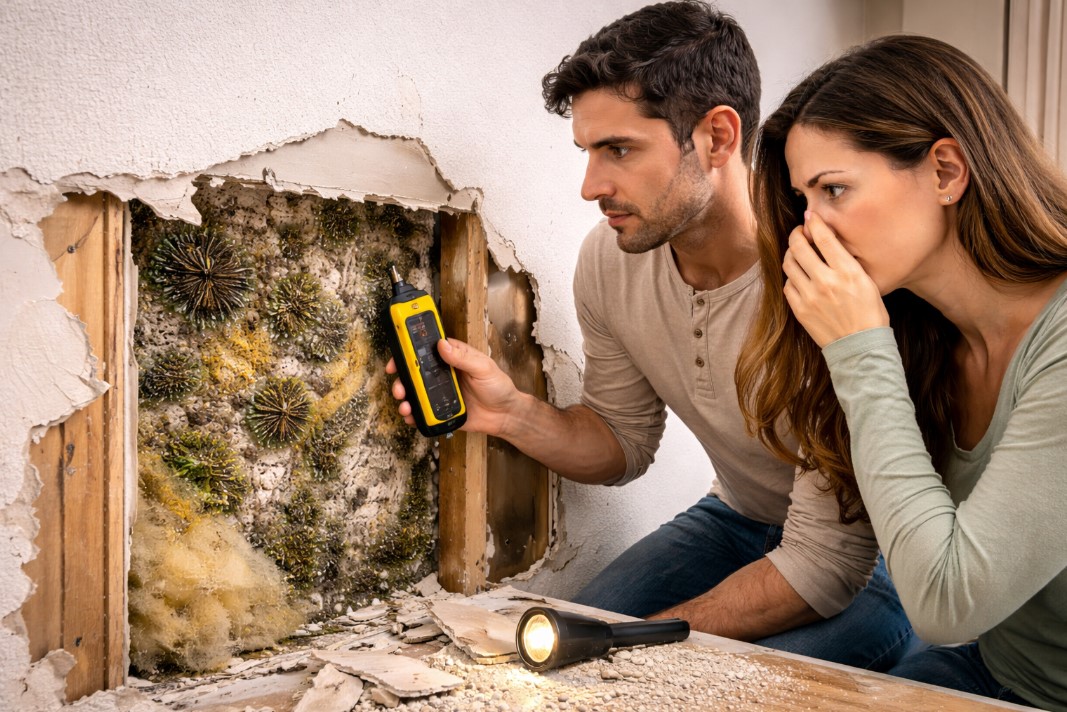
Start with a moisture meter. These handy devices, available for $25–$60 at most hardware stores, let you check for hidden dampness behind drywall. Simply press the probes against the wall and read the percentage—a reading above 15–17% moisture in drywall may indicate a problem.
For a more advanced check, use an infrared thermometer or an infrared camera (rentals start around $50/day). These tools show cold spots along walls that may signal trapped moisture. Focus on areas near plumbing, under windows, and along exterior walls—especially if you notice odor or discoloration there.
Another DIY trick: carefully remove an electrical outlet or light switch cover. Shine a flashlight into the cavity and look for visible mold, damp insulation, or musty smells. If you see or smell anything suspicious, document it with photos.
And this is where it gets interesting: only cut into drywall if you’re confident in your skills and have ruled out other options. Making small inspection holes is sometimes necessary, but if you’re unsure—or if you have health concerns—it’s best to call a professional.
Always wear an N95 mask and gloves while investigating, especially if you’re immunocompromised or prone to allergies. Test several wall spots with your moisture meter or IR camera—don’t just check one area and call it done.
When to Call a Professional vs. DIY
Deciding whether you should tackle hidden mold yourself or call a professional depends on the size, location, and source of the problem. In San Diego, where high humidity or leaks can cause recurring issues, knowing your limits is key.
If the area of moisture or visible mold is smaller than about 10 square feet (roughly a 3 ft x 3 ft patch), you can usually handle it yourself—provided you have proper protective gear and no health concerns. Wear an N95 mask, gloves, and goggles, and make sure the space is well-ventilated.
For larger areas, recurring leaks, or if you suspect mold inside your HVAC system, reach out to a licensed mold inspector or remediation specialist. In condos, always check your HOA rules before starting any work—sometimes the association is responsible for repairs inside walls or shared spaces. Renters should document all issues and notify their landlord immediately; under California law, prompt action is required for leaks and visible mold.
Follow this timeline for best results:
– 0–24 hours: If you’ve had a leak or flood, dry everything out as quickly as possible. Use fans and dehumidifiers.
– 24–48 hours: If musty odors or visible water stains stick around, start DIY checks with a moisture meter or infrared camera.
– 48+ hours: If you can’t find or fix the moisture source—or if mold keeps coming back—it’s time to call a pro.
If that damp, musty smell lingers for more than 48 hours after a leak or rain, schedule a professional moisture inspection. Early intervention really pays off.
Preventing Mold Recurrence: Moisture is the Root Cause
To truly beat mold behind walls, you have to control moisture—not just kill what’s already there. San Diego’s climate—with its mix of marine layer fog, “June Gloom,” and hot inland summers—means you need a multi-pronged approach.
First, fix any leaks or water intrusion at the source. Mold will keep coming back unless the area stays dry. Don’t just paint or caulk over moldy spots; clean them thoroughly, dry them completely, and only then repaint or patch.
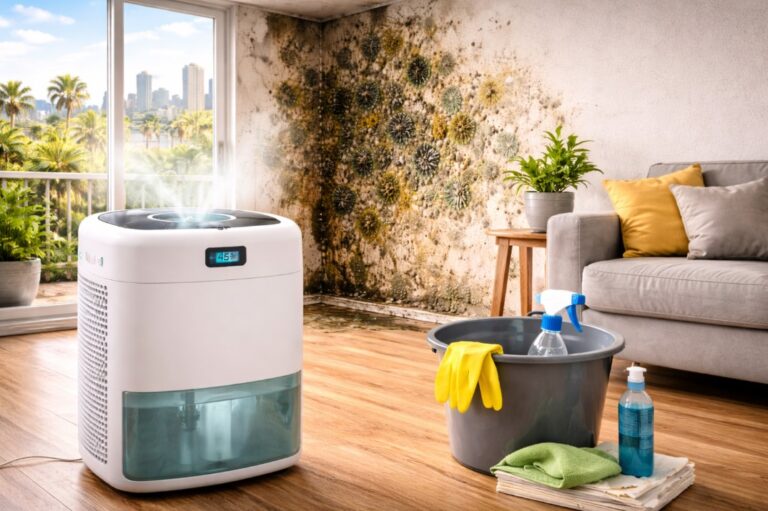
Boost your home’s ventilation. Always use exhaust fans in bathrooms and kitchens, and make sure your dryer vents outside. If you live in a coastal area with persistent fog, open windows when possible or use a dehumidifier during the damp season. For inland homes, a portable dehumidifier (typically $150–$300) can help keep humidity below the 60% threshold recommended by experts.
Never cover up a damp or moldy wall with new paint or wallpaper. The issue will only worsen behind the scenes. After any cleaning or repairs, monitor humidity and wall dryness with your moisture meter for several weeks to ensure the problem is truly solved.
Official Recommendations for Detecting and Managing Mold Behind Walls
The EPA recommends fixing plumbing leaks and other sources of water problems as soon as possible to prevent mold growth. According to the CDC, mold inside walls often requires professional removal if it covers more than 10 square feet—a threshold that helps protect your health and ensure a thorough fix.
The EPA also cautions against painting or caulking over moldy surfaces. Surfaces must be cleaned and fully dried before any cosmetic repairs. The CDC advises using proper protective gear—N95 mask, gloves, and goggles—during any DIY investigation.
To keep mold at bay, the EPA suggests increasing airflow in your home and using dehumidifiers to keep indoor humidity below 60%. In California, the Department of Public Health confirms that landlords are required to address leaks and visible mold in rental units promptly. If you’re a tenant, document everything and notify your landlord as soon as you spot a problem.
Sources Note
- U.S. Environmental Protection Agency (EPA Mold Guidelines)
- Centers for Disease Control and Prevention (CDC Mold FAQs)
- California Department of Public Health (CDPH Mold Information)
This guide is for informational purposes only. For confirmed or extensive mold issues, consult a licensed mold specialist or building professional.
FAQ
1. How do I tell if I have mold behind my walls?
Look for persistent musty odors, unexplained stains, bubbling paint or wallpaper, and allergy-like symptoms that improve when you leave home. Using a moisture meter can help you find hidden dampness—a key clue for how to detect mold behind walls.
2. What does mold behind drywall smell like?
The smell of mold in walls is often described as musty, earthy, or similar to damp soil. The odor usually lingers even after cleaning and can become more noticeable when your HVAC system is running.
3. Can you use a moisture meter to find hidden mold?
Yes, a moisture meter is one of the best DIY mold detection methods. It helps you identify areas with elevated moisture behind drywall, which may indicate hidden mold growth.
4. Is it safe to remove moldy drywall yourself?
For small areas (under 10 sq. ft.), it’s generally safe if you use proper protective gear (N95 mask, gloves, goggles). For larger or recurring areas, or if you have health concerns, hire a professional.
5. How quickly does mold grow after a leak in San Diego?
Mold can start growing within 24–48 hours of a leak or flood, especially in warm, damp conditions common during San Diego’s rainy season or marine layer events.
6. Should landlords fix hidden mold in rentals?
Yes. According to the California Department of Public Health, landlords are required to address leaks and visible mold promptly in rental units.
7. Are certain areas in San Diego more prone to hidden wall mold?
Coastal neighborhoods (due to marine layer and fog) and older inland homes (due to outdated plumbing and less insulation) are more prone to hidden mold behind walls.
8. What’s the best way to clean up small mold spots behind walls?
After fixing the moisture source, remove affected drywall (if necessary), clean non-porous surfaces with detergent and water, and dry thoroughly. Always monitor the area afterward to ensure mold does not return.
What to Do Next
- Schedule a moisture inspection if you suspect hidden water problems.
- Invest in a quality moisture meter or hire a San Diego mold professional for peace of mind.
- After leaks or flooding, act quickly: dry out walls and monitor for persistent musty odors.