How Do I Know If Mold Is Growing In My Basement? 7 Warning Signs
Mold in your basement often reveals itself through musty odors, visible spots, increased allergies, or unexplained dampness—especially after heavy San Diego rains or during humid coastal weather.
For San Diego homeowners and renters, hidden basement mold isn’t just a cosmetic problem—it’s a warning sign of excess moisture that can undermine your home’s structure and your indoor air quality. With our unique mix of coastal fog, marine-layer humidity, and older building stock (especially in condos and rentals), understanding these early warning signs is key for long-term home health.
Quick Answer: 7 Basement Mold Warning Signs
- Musty or earthy odors, especially after rain or foggy conditions
- Unexplained stains or discoloration on walls, floors, or ceilings
- Warped wood or peeling paint in basement areas
- Persistent dampness or condensation, even in dry weather
- Worsening allergy or asthma symptoms indoors
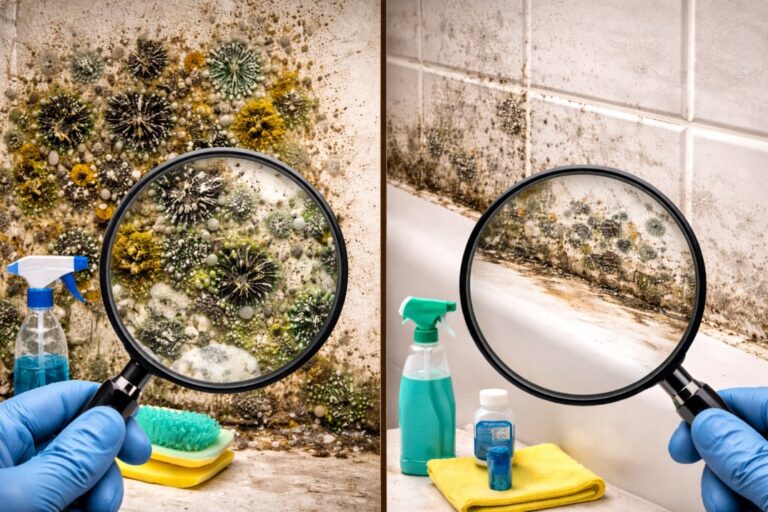
- Visible fuzzy or slimy patches (white, black, green, or orange)
- Crumbling drywall or bubbling floor tiles
Why Basement Mold Happens in San Diego
Even in San Diego’s famously dry climate, your basement can be surprisingly vulnerable to mold growth because of persistent moisture. Coastal neighborhoods experience regular marine layer and fog, especially during “June Gloom,” which keeps humidity levels higher than you’d expect. Inland areas might be drier, but sudden heat waves can drive condensation as cool basement surfaces meet humid air.
Here’s what I noticed: whether you’re in a historic Mission Hills home, a mid-century condo near Pacific Beach, or a newer build in La Mesa, the root of any basement mold problem is almost always excess moisture. Plumbing leaks, poor exterior drainage, and even minimal seepage after storms can all introduce enough water for mold to thrive. Many older San Diego homes and condos lack modern waterproofing, so even a small leak or crack can quickly become a problem.
Mold is always a symptom, never the root cause. If you see or smell signs of mold, your first priority should always be finding and eliminating the moisture source.
✅ Inspect your basement after coastal fog events or heavy rain for signs of dampness or water pooling.
7 Warning Signs Mold May Be Growing in Your Basement
You might be wondering: how to tell if mold is in your basement before it gets out of hand? Start by tuning in to these seven unmistakable warning signs, each with a local twist for San Diego’s unique climate.
Persistent Musty or Earthy Odors
If your basement smells like old books, wet socks, or dirt—especially after a thick marine layer morning or rainy weekend—that’s a strong hint mold could be present. The musty basement smell lingers even after you air things out or run a fan. It’s often most noticeable after coastal fog lifts or the humidity spikes.Dark or Discolored Patches on Surfaces
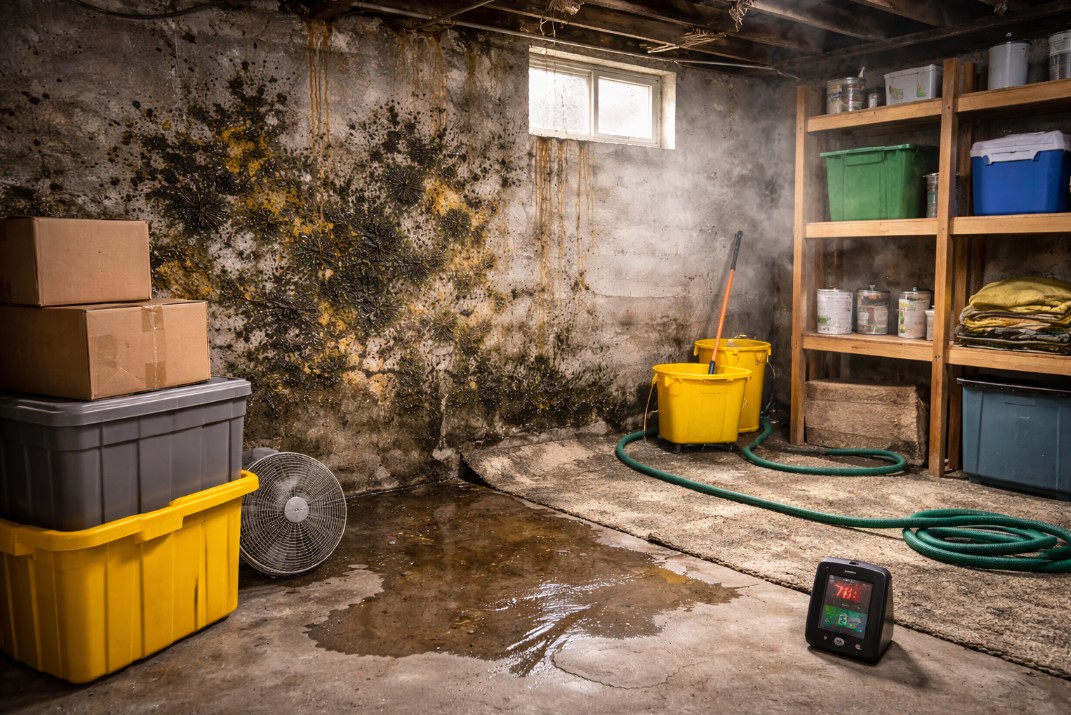
Look for stains, splotches, or discoloration on walls, ceilings, or near the baseboards. In San Diego, these often appear after storms or in corners that stay cool and damp. Mold can range in color from black to brown, gray, green, or even orange.Peeling Paint, Warped Wood, or Bubbling Tiles
Peeling or blistering paint, warped baseboards, and bubbling floor tiles are telltale signs of moisture—and possibly hidden mold. These issues often show up in older San Diego homes where waterproofing is lacking or in condos with outdated drainage.Visible Fuzzy or Slimy Growth
If you see fuzzy or slimy patches, don’t assume it has to be black. Mold can be white, green, gray, or orange. Growth often appears around windows, behind boxes, or on stored furniture where airflow is poor.Increased Allergy, Asthma, or Respiratory Issues Indoors
Pay attention to worsening allergies, asthma, or unexplained coughing when you’re in the basement or after spending time there. While not always caused by mold, these symptoms can be a red flag—especially if they improve when you’re outside.Condensation on Windows, Pipes, or Cold Surfaces
Notice beads of water or foggy windows in the basement, even during San Diego’s warmer months? That’s a sign of excessive humidity, which creates a perfect breeding ground for mold. Condensation on pipes or concrete walls is especially common in coastal neighborhoods.Soft, Crumbling Drywall or Spongy Floors
Check for drywall that feels soft to the touch, crumbles easily, or floors that feel spongy underfoot. This can signal long-standing moisture intrusion, which may mean mold is lurking out of sight.
And this is where it gets interesting: sometimes, you might see several of these signs together before you spot any actual mold. If you notice two or more, it’s time to take action.
✅ Use a flashlight to inspect hidden corners, behind stored items, and around basement windows for visible or subtle signs.
What to Do If You Suspect Basement Mold
If you spot one or more basement mold warning signs, don’t panic—but do act quickly. Mold growth can escalate fast if moisture isn’t controlled, and early action can save you from bigger problems down the line.
The pattern I keep seeing: the faster you tackle moisture, the less likely mold will take hold. If you find standing water or a fresh leak, dry the area within 24–48 hours. That’s your critical window—mold can start to grow in as little as a day if conditions are right.
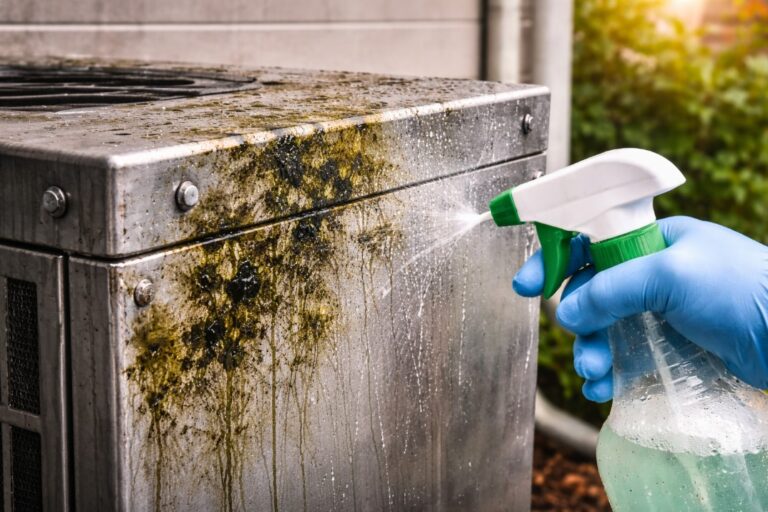
Always start by finding and stopping the source of moisture. Fix leaks, run a dehumidifier, or use fans to dry things out. If you’re dealing with a small, visible patch of mold (less than 10 square feet on a non-porous surface), you might be able to clean it yourself. Wear gloves, an N95 mask, and eye protection for safety. Scrub with soap and water—never bleach, which isn’t effective on porous surfaces.
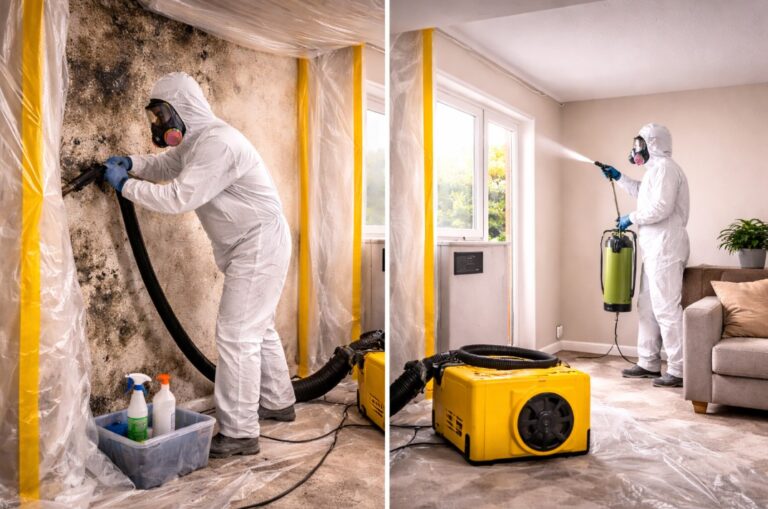
For larger or hidden growth, or if the problem keeps coming back, call a professional with experience in basement moisture San Diego issues. If you’re a renter, document the problem with photos and notify your landlord immediately. Condo owners should review HOA rules before authorizing any repairs or remediation work.
✅ If you find a leak or new water damage, dry the area with fans and call a local moisture control specialist within 48 hours.
How to Prevent Future Basement Mold
Keeping your basement dry is the best defense against mold, especially with San Diego’s unpredictable mix of coastal fog and sudden storms. Prevention is practical and usually more affordable than remediation.
First, focus on ventilation. Use a dehumidifier (around $50–$200) or install vent fans to keep air moving during foggy seasons. Seal cracks in basement walls and around windows with caulk or waterproof sealant—this is especially important in older San Diego condos and homes near the beach, where salty air can worsen the problem.
Maintain your gutters and downspouts so they direct water away from your home’s foundation. Clogged or missing downspouts are a common cause of basement moisture in San Diego after big winter storms. For extra protection, apply waterproof paint or install a moisture barrier on basement walls. These products run $30–$100 per bucket and can make a noticeable difference.
Finally, check for plumbing leaks regularly, especially after earthquakes or heavy rain, which can shift pipes or cause cracks in older homes.
What surprised me most: even “dry” basements can have high humidity if ventilation is poor or the marine layer lingers for days.
✅ Test your basement’s humidity with a digital hygrometer—aim for below 60% year-round.
What the EPA and CDC Say About Basement Mold
Both the EPA Mold Guidelines and the CDC Mold FAQ agree on several key points for basement mold warning signs and response:
- Remove standing water and dry all affected materials within 24–48 hours to limit mold growth (EPA).
- Fix leaking pipes, windows, or foundation cracks to eliminate moisture sources (CDC).
- Clean small areas of mold with soap and water, not bleach (EPA).
- Discard porous materials (carpet, drywall) with heavy mold (CDC).
- Use protective gear (N95 mask, gloves, goggles) when cleaning up mold (EPA).
- Large or recurring mold problems call for a certified professional (CDC).
Following these guidelines helps ensure you’re not just covering up the problem, but addressing the real issue—moisture.
Sources Note
- Based on guidance from the Environmental Protection Agency (EPA), Centers for Disease Control and Prevention (CDC), and California Department of Public Health (CDPH).
- This article is for informational purposes only. If you suspect a significant mold problem or ongoing moisture issue, contact a qualified local specialist.
FAQ: Basement Mold Warning Signs
1. How can I tell if there’s mold in my basement if I can’t see it?
Start with your senses. A persistent musty basement smell, unexplained allergy symptoms, or signs of moisture (such as condensation or peeling paint) may indicate hidden mold. Use a flashlight to check behind furniture, storage boxes, and along windowsills for subtle clues.
2. What does mold smell like in a basement?
Mold often gives off a musty, earthy odor—like damp soil or rotting leaves. In San Diego, this can be especially obvious after a period of high humidity or coastal fog.
3. Are basement mold problems common in San Diego?
Yes, particularly in older homes, coastal neighborhoods, and condos with limited waterproofing. The marine layer, fog, and seasonal storms all contribute to basement moisture San Diego residents need to watch for.
4. Can mold grow in a dry basement?
Mold needs moisture to thrive. Even basements that seem dry can develop mold if humidity rises above 60% or if condensation forms on cool surfaces.
5. Is basement mold dangerous to my health?
Some studies show that exposure to indoor mold may be linked to increased allergy and asthma symptoms. If you notice health effects indoors, consider professional testing or remediation.
6. How quickly does mold grow after a leak or flood?
Mold growth can begin in as little as 24–48 hours if damp materials aren’t dried thoroughly.
7. Should renters report suspected basement mold to their landlord in San Diego?
Absolutely. Document the issue with photos, notify your landlord in writing, and keep records—this is both a tenant right and a health safeguard.
8. What’s the best way to test for basement mold at home?
Start with a digital hygrometer to measure humidity. For visible mold, DIY test kits are available, but professional inspection is best for hidden or large-scale problems.
Take Action
- Schedule a professional moisture inspection if you notice any warning signs—especially after heavy rain or coastal fog events.
- Document and report any suspected mold to your landlord or HOA if you’re a renter or condo owner.
- Take immediate action to dry out any wet areas within 24 hours to reduce mold risk.