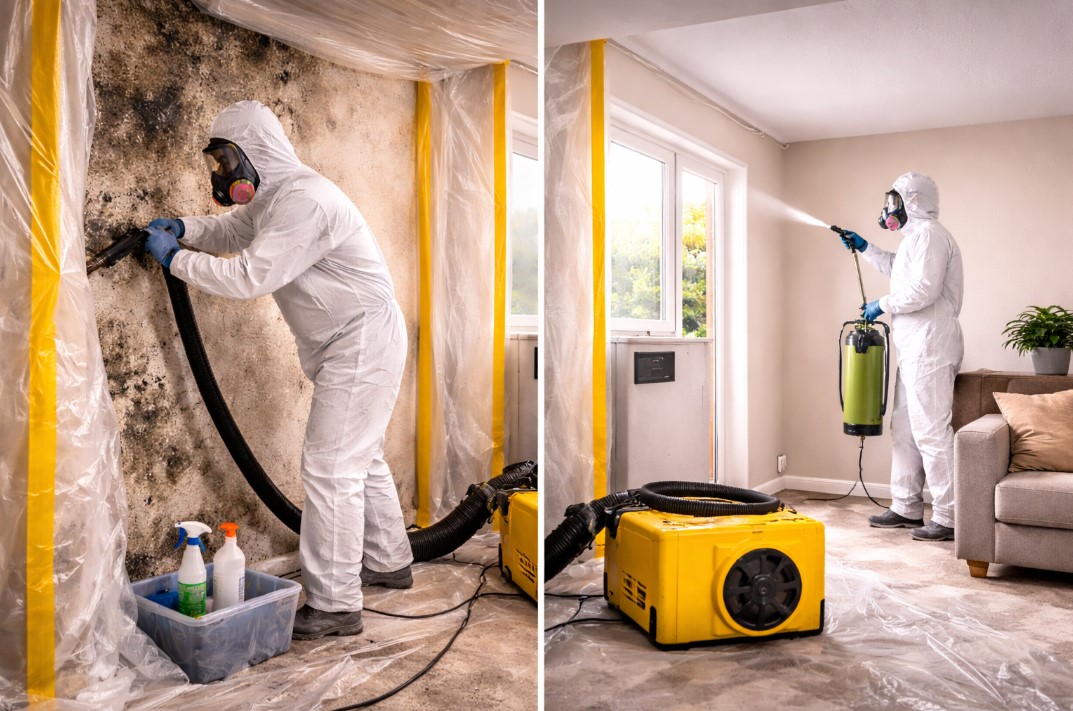
Mold Mitigation vs Remediation — How to Tell Which One You Need
Mold mitigation stops mold in its tracks by controlling moisture and containing affected areas, while mold remediation goes further by removing mold colonies and restoring damaged parts of your home. The right approach for San Diego homeowners depends on how extensive the problem is and what’s fueling it. With coastal fog, marine layers, and the occasional blast of dry inland heat, homes here face unique moisture challenges that make these distinctions essential. Knowing when to mitigate and when to remediate helps protect your property, health, and peace of mind—especially in a region where both new condos and older houses can suffer from water issues.
- Mold mitigation stops mold from spreading by controlling moisture and isolating affected areas.
- Mold remediation removes existing mold colonies and repairs damage.
- Use mitigation for minor, early-stage mold linked to new moisture or leaks.
- Remediation is needed for large, persistent, or hidden mold problems.
- Always address moisture sources first — mold is a symptom, not the root cause.
- For extensive mold, or if health risks exist, call a San Diego mold specialist.
What’s the Difference? Mold Mitigation vs Remediation
Mold mitigation focuses on stopping mold from spreading by targeting the immediate factors that allow it to thrive—mainly moisture control, containment, and air filtration. In practice, this means fixing leaks, drying wet spots, sealing off affected rooms, and sometimes using HEPA-filtered air scrubbers to prevent spores from drifting elsewhere. It’s about containing the risk and preventing escalation.
Mold remediation, in contrast, takes it several steps further. Remediation involves the physical removal of mold colonies and all contaminated materials, deep cleaning, and restoring the structure to a safe state. This process might include removing drywall, insulation, or flooring if they’re infested, followed by repairs or replacement.
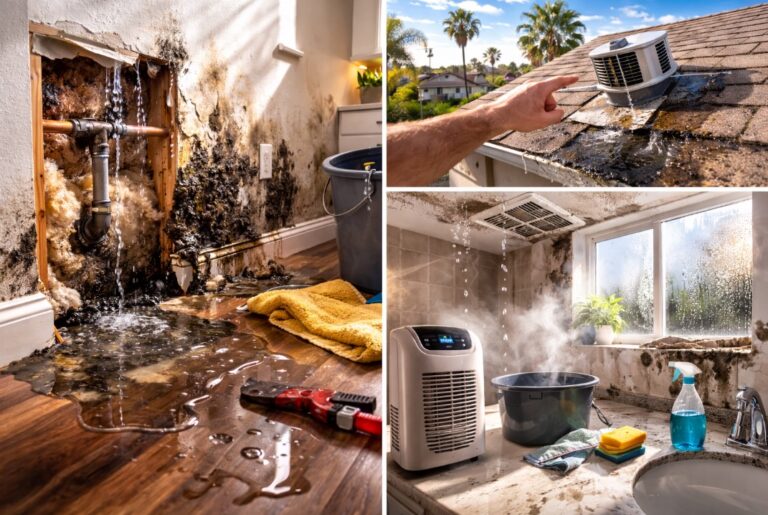
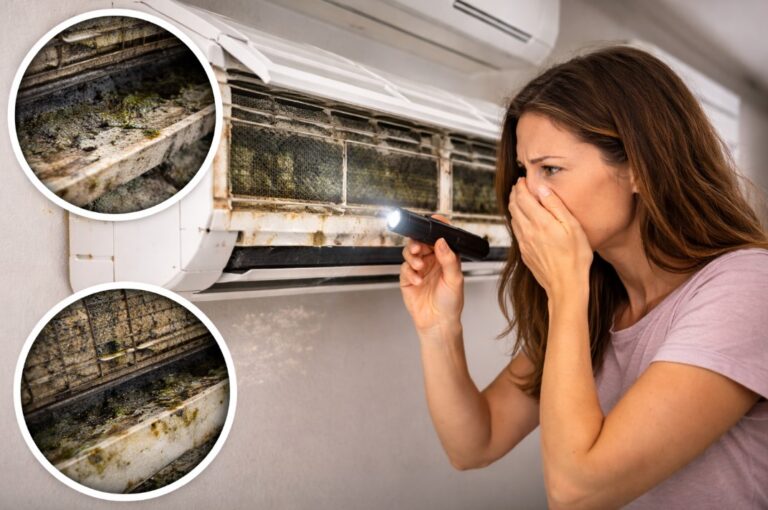
Both approaches demand one core prerequisite: finding and stopping the underlying moisture source. Whether it’s a window leak from coastal fog, condensation from June Gloom, or a burst pipe during a dry inland spell, moisture is always the culprit. Notably, coastal San Diego homes are more likely to see issues from marine layers and fog, while inland properties might face HVAC condensation or roof leaks after rare rain.
What surprised me most is how often homeowners skip this first step. Without fixing the leak or moisture source, neither mitigation nor remediation will offer a lasting solution.
☐ Find and fix any active leaks or sources of moisture before starting any mold cleanup.
Signs You Need Mold Mitigation
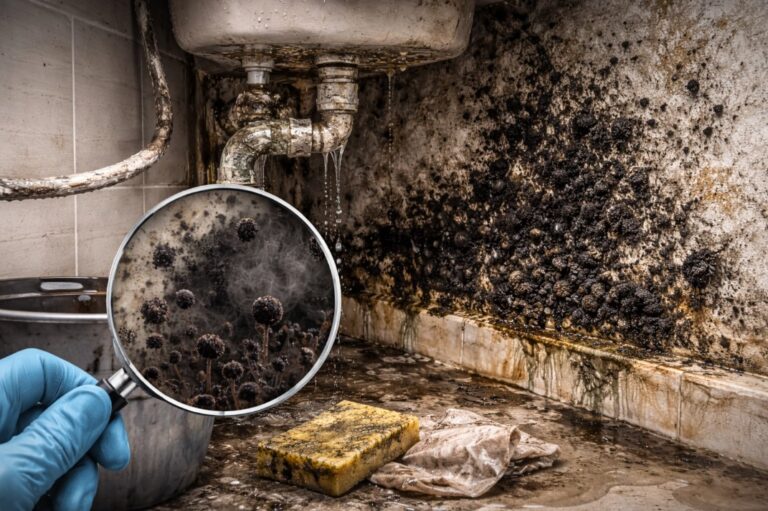
Early signs of mold—such as small patches (less than 10 square feet), faint musty odors, or evidence of a recent plumbing leak—typically call for mitigation rather than full-scale remediation. You might spot a bit of fuzzy growth behind a bathroom sink after a humid June Gloom week, or notice mustiness in a closet after a brief water spill.
If there’s no visible damage to walls, floors, or ceilings, and the mold hasn’t spread beyond a localized area, mitigation is usually enough. This is especially true for newer condos with modern building materials that resist deeper mold penetration, or after minor water events where moisture is quickly addressed.
Mitigation often falls within the DIY realm: using a dehumidifier, improving airflow, and cleaning with appropriate solutions. Still, it’s essential to act fast—within 24 hours of noticing moisture or a musty smell—to prevent mold from taking hold.
Here’s what I noticed: people often wait too long, hoping a smell will disappear on its own. Quick action is crucial.
☐ Use dehumidifiers and improve ventilation to dry out affected areas quickly.
When Mold Remediation Is Required
Remediation becomes necessary when mold problems go beyond surface-level patches. If you see extensive staining, crumbling drywall, warped flooring, or mold keeps returning after cleanup, it’s time to escalate. Older San Diego homes, especially those with past leaks or poor ventilation, are prone to these persistent issues.
Another red flag is the appearance of allergy or asthma symptoms among occupants, though it’s important to note that research only suggests a possible association between indoor mold exposure and certain health effects. Stubborn, hidden mold (such as in wall cavities or beneath flooring) can’t be handled by simple mitigation.
Remediation almost always requires certified professionals. They have the tools and training to safely remove contaminated materials, contain airborne spores, and restore the space. Attempting DIY remediation for large or hidden mold is risky—not just for your health, but also for the structural integrity of your home.
And this is where it gets interesting: even minor DIY efforts can disturb mold and release spores if proper precautions aren’t taken. Protective gear like N95 masks, gloves, and goggles should always be used.
☐ If mold covers more than a small area, or you suspect hidden damage, call a mold remediation professional.
Moisture Control — The Core Principle
Regardless of whether you choose mitigation or remediation, controlling moisture is the only way to prevent mold from coming back. Without addressing leaks, condensation, or chronic dampness, even the best cleaning or removal efforts will only yield temporary results.
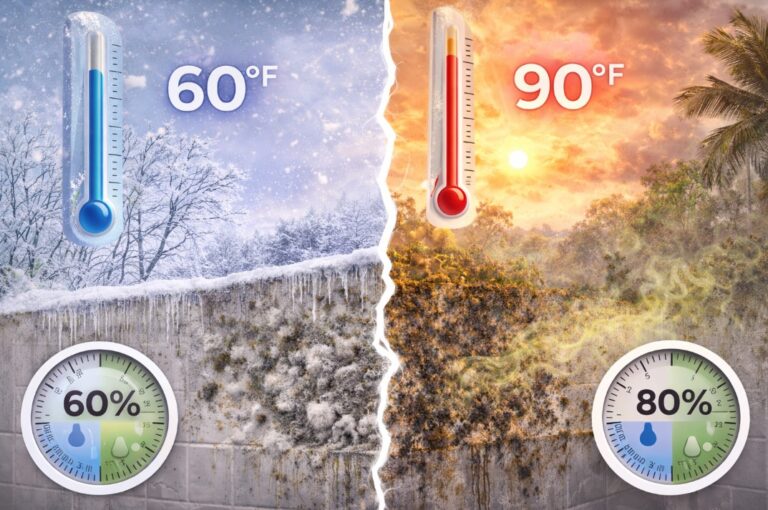
San Diego’s climate makes this especially challenging. Coastal homes face persistent fog and marine layers that can seep in through windows and walls, while inland homes might struggle with condensation from air conditioning or rare heavy rain. Attic and crawlspace ventilation become vital tools in managing hidden moisture, as does routine use of exhaust fans in kitchens and bathrooms.
Regularly inspecting window sills for condensation, especially during extended damp spells, can catch potential problems early. Treatments that ignore the underlying moisture—like simply wiping away visible mold—are often a temporary fix at best.
The pattern I keep seeing is that homes with chronic damp spots, especially in attics or behind appliances, tend to have recurring mold issues until ventilation and waterproofing are corrected.
☐ Audit your home for chronic damp spots, condensation, or roof leaks at least twice a year.
Choosing the Right Solution for San Diego Homes
Selecting between mold mitigation and remediation is not one-size-fits-all, especially in a region as diverse as San Diego. Home age, location, and type all matter. Coastal condos may have more condensation or window leaks from marine fog, while older single-family homes inland are prone to roof leaks or plumbing failures.
Renters should promptly notify landlords of any leaks or mold and document everything with photos. California law requires landlords to address water intrusion and mold, but having clear records speeds up the process. Condo owners should check HOA rules before making any repairs—some associations handle common-area leaks or exterior water issues.
From a practical standpoint, mitigation is less invasive: it may only require drying, cleaning, and minor repairs. Remediation can involve opening up walls or floors, which means more disruption and higher costs. For context, a quality home dehumidifier ranges from $150–$400, while professional remediation can run from several hundred to several thousand dollars, depending on the scope.
Insurance coverage can vary; some policies exclude mold entirely, while others distinguish between coverage for mitigation (if caused by a sudden leak) and remediation (if due to long-term issues). Check your policy and start by documenting everything—moisture readings, photos, and written descriptions—before calling your insurer or a specialist.
☐ Start by documenting the problem (photos, moisture readings) before seeking estimates or notifying insurance.
Official Guidance
- EPA: Always fix the moisture problem first before addressing mold.
- CDC: Small mold areas (<10 sq. ft.) can be cleaned by homeowners with proper precautions.
- EPA: Professional remediation is recommended for larger or hidden mold problems.
- CDC: Wear N95 masks, gloves, and goggles when cleaning any mold.
- California Department of Public Health: Landlords are responsible for addressing water leaks and mold in rental properties.
- EPA Mold Guidelines: Discard porous materials (carpet, ceiling tiles) if they are moldy and can’t be thoroughly cleaned.
Sources Note
This guide draws from the Environmental Protection Agency (EPA), Centers for Disease Control and Prevention (CDC), and California Department of Public Health.
Disclaimer: This information is for general awareness only. For confirmed mold or moisture problems, consult a licensed San Diego mold specialist.
FAQ
What is the difference between mold mitigation and mold remediation?
Mold mitigation is about stopping mold from spreading by controlling moisture and isolating affected areas, while remediation involves removing mold colonies and repairing or restoring affected structures.How do I know if I need mold mitigation or remediation in my San Diego home?
If the mold is minor (under 10 square feet), recently appeared, and there’s no structural damage, mitigation is often enough. If mold returns after cleanup, is widespread, or you see damage, remediation is needed.Can I do mold mitigation myself, or should I always call a professional?
Homeowners can often handle mitigation for small, accessible areas if they use proper safety gear and address the moisture source. For extensive mold or hidden growth, consult a professional.What are the signs that mold remediation is necessary?
Signs include large or hidden mold patches, repeated mold growth after cleaning, visible damage (crumbling drywall, stained ceilings), or health symptoms that may be linked to indoor mold.Does homeowners insurance cover mold removal in San Diego?
Coverage varies. Some policies cover mold caused by sudden, accidental events (like a burst pipe), but may exclude mold from ongoing issues. Review your policy and document the problem before filing a claim.How long does mold remediation take?
Remediation may take from a day or two for small jobs to a week or more for large or hidden problems, depending on the extent of damage and repairs required.What should I do if I find mold in my rental (San Diego)?
Document the issue with photos and notify your landlord in writing as soon as possible. California law requires landlords to address mold and water problems promptly.Will mold come back if I only use mitigation but don’t fix moisture issues?
Yes—mold is likely to return if the underlying moisture problem isn’t addressed, especially in San Diego’s varied climate.
CTA Block
- Schedule a moisture and mold inspection if you notice persistent dampness or musty odors.
- Take photos and document any leaks or visible mold before contacting your insurance or landlord.
- Invest in a quality dehumidifier or improve ventilation to reduce future mold risks.