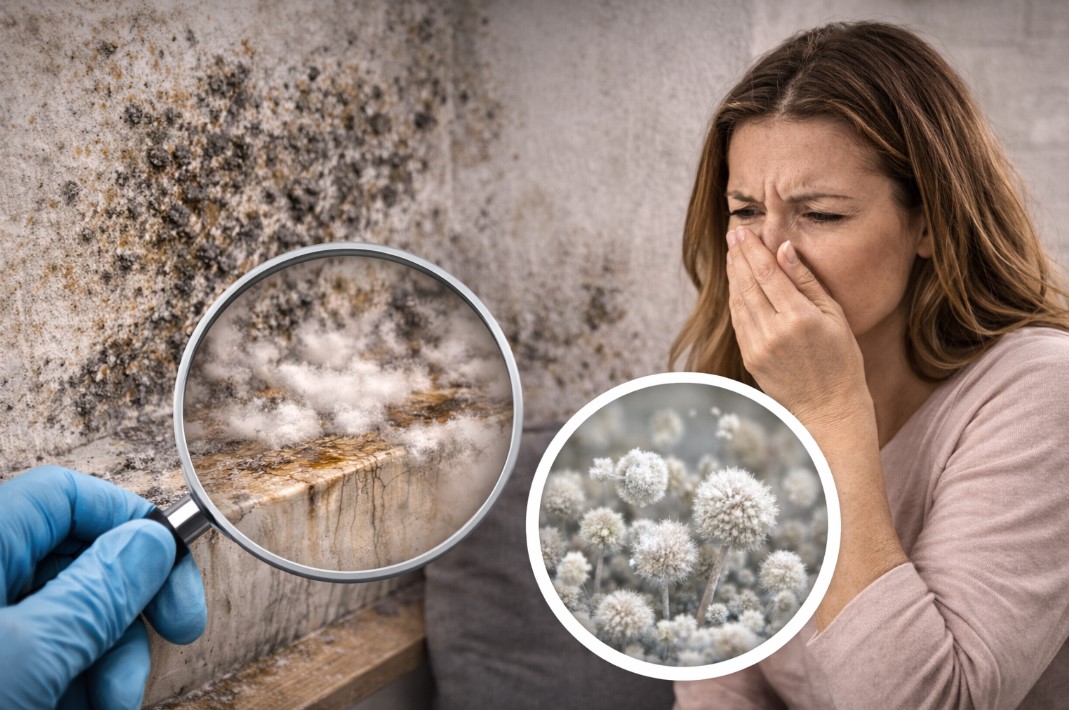
White Mold: What Causes It, Health Risks, and How to Spot Early Signs
San Diego Homeowner Guide
White mold is a type of fungus that thrives wherever excess moisture collects indoors—think attic corners, under sinks, or behind drywall. It appears as a powdery or fuzzy white growth and can damage building materials while posing health risks.
With San Diego’s mix of coastal moisture, June Gloom fog, and the dry inland heat, local homes—from historic bungalows to modern condos—are especially vulnerable to hidden leaks and poor ventilation. For homeowners and renters alike, white mold isn’t just unsightly: it’s a warning sign that moisture control issues need urgent attention to prevent costly repairs and protect your health.
- White mold grows where indoor moisture is uncontrolled—think leaks, condensation, or humidity.
- It looks like white, fluffy or powdery patches on wood, drywall, or fabric.
- Common in damp basements, attics, closets, and behind furniture.
- Can trigger allergies, breathing issues, and worsen asthma, especially in vulnerable groups.
- Early signs: musty odor, small white spots, or discoloration on surfaces.
- Prevent by fixing leaks, improving ventilation, and keeping humidity below 60%.
Why White Mold Grows Indoors—And How San Diego Homes Are at Risk
White mold develops indoors whenever moisture is allowed to linger, making it a direct result of water intrusion or excess humidity. In San Diego, the combination of marine layer moisture, coastal fog, and the persistent dampness during June Gloom sets up ideal conditions, especially for homes near the coast or in neighborhoods with older construction.
What surprised me most is how the risk isn’t limited to obvious water damage after storms. Even on mild, foggy mornings, condensation can build up on cool surfaces—windowsills, attic rafters, or shaded corners. Older homes and some condos are especially vulnerable, as aging plumbing and original ventilation systems may not handle today’s climate swings. Inland properties face their own challenges, like slab moisture or irrigation leaks that creep up undetected.
A practical step for San Diegans: after foggy or humid days, check around windows, behind furniture, and in the attic for any signs of condensation or dampness. Regular inspections in these areas can reveal hidden leaks early, before they turn into a more serious mold problem.
Early Signs of White Mold You Should Never Ignore
The first indicators of white mold often go unnoticed, as they don’t always look dramatic right away. Homeowners should look for small white spots, thin fuzzy streaks, or powdery growth that appears on walls, ceilings, stored boxes, or furniture. These patches might be subtle—sometimes just a slight discoloration or a faint dusting on surfaces that’s easy to dismiss as simple household dust.
A persistent musty or earthy smell is often the first real warning, especially after a rainstorm or in rooms that don’t get much sunlight. White mold can cause drywall or wood to become discolored or even soften, an early sign of moisture working its way through building materials. The pattern I keep seeing is that minor stains or odors are ignored until the mold spreads, making cleanup much more difficult.
To stay ahead, set a reminder to check closets, under sinks, and around window sills at least once a month—especially after wet weather or heavy fog. Early detection can prevent structural damage and help keep your home’s air healthy.
Health Risks of White Mold—Who’s Most Vulnerable?
White mold may be linked to a range of health issues, especially for those with allergies, asthma, or weakened immune systems. Inhaling mold spores can trigger sneezing, coughing, headaches, or even worsen existing asthma symptoms. Children, elderly individuals, and anyone with chronic respiratory conditions are especially at risk, as their bodies are more sensitive to indoor air quality.
Spores from white mold are microscopic and can travel through your home’s air, settling on new surfaces or finding their way into HVAC systems. San Diego’s climate—with its extended damp periods during coastal fog or June Gloom—may mean longer mold seasons and more frequent exposure.
Anyone experiencing unexplained respiratory symptoms or persistent allergies should see a healthcare provider. And this is where it gets interesting: many people don’t associate their symptoms with mold exposure until a home inspection reveals hidden growth. If symptoms persist, it’s worth checking for mold at home, especially in rooms that feel damp or have persistent odors.
What Causes White Mold—Common Sources in Local Homes
White mold needs moisture to grow, so the most common sources in San Diego homes are leaks and humidity. Plumbing leaks in kitchens, bathrooms, and laundry rooms are frequent culprits, especially in older buildings where pipes have aged. Roof leaks—sometimes hard to spot until they’ve caused significant damage—can result from heavy winter rains or even persistent coastal fog settling on roofs.
Condensation is another major factor, especially for homes near the coast. When cool, moist air meets warmer indoor surfaces, water can collect unnoticed, especially around windows, in attics, or behind large pieces of furniture. Inland homes aren’t immune: they may face moisture creeping up from irrigation leaks or from the ground through concrete slabs.
Deciding between a DIY cleanup and professional help depends on the extent of the problem. Minor surface mold in a small area (less than 10 square feet) can often be safely cleaned by the homeowner. But if the mold is widespread, hidden behind walls, or keeps returning, it’s time to call in a professional for assessment and remediation.
For condo owners, always check your HOA’s rules before making any repairs or alterations. Renters should document any issues and notify their landlord promptly—California law requires landlords to address water damage and mold concerns.
Preventing White Mold—Moisture Control is Key
Keeping white mold at bay hinges on one thing: controlling indoor moisture. That means fixing leaks as soon as you spot them—waiting for visible mold gives the fungus a head start. Using exhaust fans in bathrooms and kitchens, opening windows after showers, or even running a dehumidifier in problem areas can make a big difference, especially during San Diego’s foggy or humid spells.
Regular inspections are crucial. Check behind appliances, under sinks, attic corners, and anywhere you’ve had leaks before. A low-cost hygrometer (often under $20) can help you monitor home humidity—aim to keep it below 60%. The checklist for San Diego homeowners: set a seasonal reminder to inspect for leaks and moisture, especially after storms or stretches of marine layer fog. Staying proactive beats costly repairs down the road.
Official Guidance: EPA & CDC Tips for Mold and Moisture
The US Environmental Protection Agency (EPA) and Centers for Disease Control and Prevention (CDC) offer clear, research-based recommendations for handling mold and moisture indoors. They emphasize addressing the source of moisture immediately to prevent fungi like white mold from taking hold. For small, isolated patches (less than 10 square feet), cleaning with detergent and water is generally effective—but for larger or hidden infestations, professional help is advised.
The EPA cautions against using bleach on porous materials such as drywall or wood, as it may not fully penetrate and kill the mold. Both agencies recommend increasing ventilation—using exhaust fans, opening windows, and drying wet materials within 24 to 48 hours. People with asthma, allergies, or suppressed immune systems should steer clear of moldy areas, as exposure can worsen symptoms.
For more, refer to EPA Mold Guidelines and CDC’s Mold: Basic Facts.
Sources Note
Organizations Used:
– US Environmental Protection Agency (EPA)
– US Centers for Disease Control and Prevention (CDC)
– California Department of Public Health
This information is for general awareness only. For confirmed mold problems, consult a licensed indoor environmental specialist.
FAQ
What does white mold look like in a house?
White mold usually appears as fluffy, cottony, or powdery white patches on wood, drywall, or fabric. It may also look like streaks or small spots, especially in corners or on stored belongings.Is white mold dangerous to breathe?
White mold spores may trigger allergies, coughing, or worsen asthma, particularly in children, the elderly, or those with respiratory issues. For most healthy adults, brief exposure is unlikely to cause serious harm, but ongoing exposure should be avoided.How do you tell the difference between white mold and efflorescence?
Efflorescence is a white, powdery residue left behind by mineral deposits from water on masonry surfaces. White mold will feel soft or fuzzy and may have a musty smell, while efflorescence is dry and rubs off easily without an odor.Can white mold spread quickly in San Diego’s humid months?
Yes—during periods of coastal fog or high humidity, mold can spread rapidly if moisture is not controlled. Regular monitoring and prompt drying are essential during these times.What are the first signs of white mold in a bathroom?
Early signs include small white spots or streaks on grout, caulk, or under sinks, and a persistent musty odor, especially after showers or humid days.How do I remove white mold safely?
For small areas, clean with detergent and water, wearing gloves and an N95 mask. Dry the area thoroughly. For larger or recurring mold, contact a professional.Why does white mold keep coming back after cleaning?
If the underlying moisture problem isn’t fixed—such as a leak or poor ventilation—mold will likely return. Address moisture sources first for lasting results.Are landlords responsible for mold in San Diego rentals?
California law generally requires landlords to repair water damage and address mold hazards. Renters should document the issue and notify their landlord in writing.
Next Steps
- Schedule a professional moisture inspection if you notice recurring spots or musty odors.
- Fix any plumbing or roof leaks as soon as possible to prevent future mold growth.
- Monitor humidity levels at home—consider a low-cost hygrometer for ongoing peace of mind.