Window & Stucco Leaks: How Moisture Enters Around Openings
San Diego homes—whether perched along the foggy coast or baking inland—face unique moisture challenges from window and stucco leaks. While coastal fog and marine layers can sneak moisture into cracks, intense inland sun ages seals and stucco faster. For homeowners and renters in houses, condos, and apartments, understanding how water gets in around windows and stucco is the first step to preventing bigger headaches like mold or structural damage. This guide unpacks how to spot, stop, and prevent leaks around your home’s openings—before they become a costly problem.
Why Windows and Stucco Are Leak Hotspots in San Diego
In San Diego, your windows and stucco aren’t just about curb appeal—they’re key lines of defense against moisture. But they’re also some of the most common places for leaks to develop, thanks to how they’re built and what they’re exposed to.
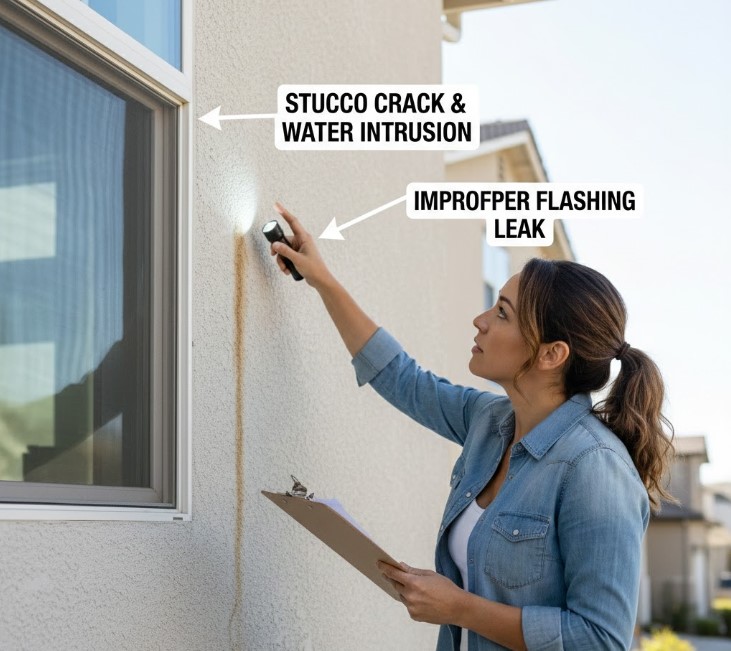
Stucco is popular here for its durability, but it’s a porous material. Over time, small cracks can develop at the joints where stucco meets window frames, especially if the original installation skipped steps like proper flashing or weep screeds. In older homes, you might find cracked stucco, brittle caulking, or even gaps from settling—perfect entry points for water during a marine layer morning or after a rare San Diego thunderstorm. Newer homes aren’t immune: rushed construction or modern window assemblies sometimes miss crucial details, allowing leaks to sneak in behind the scenes.
If you live in a condo or apartment, things get trickier. Shared walls and exterior maintenance responsibilities often fall to the HOA, but interior water damage can be your problem to solve. Renters face a similar divide—interior fixes may be up to you, but exterior repairs require prompt landlord notification.
Today’s Task:
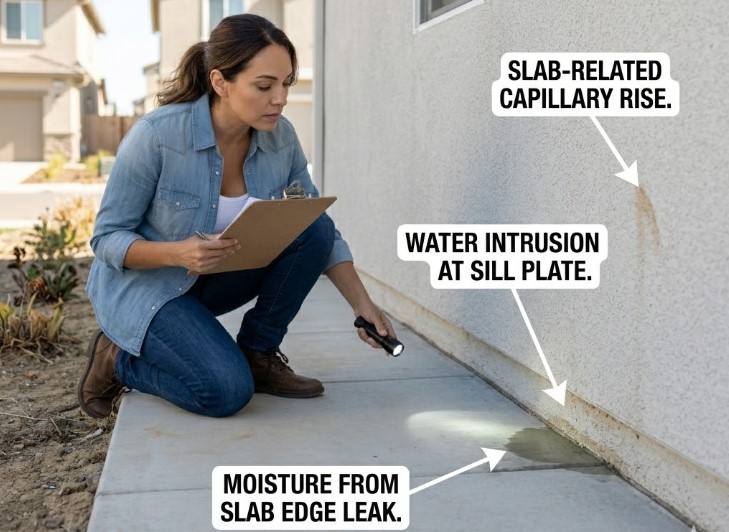
Walk around your building and look for cracks in stucco, worn caulking, or bubbling paint near windows. Pay special attention to the side of your home facing the prevailing wind or where coastal fog settles in the morning.
Pathways: How Moisture Gets in Around Windows and Stucco
Moisture isn’t just about rain pouring in through an open window. In San Diego, wind-driven rain, marine layer fog, and even indoor humidity can all find their way inside through surprisingly small gaps.
Surface water intrusion is the most obvious: after a heavy rain, you might notice dampness or water stains around windows or stucco edges. Less obvious are the results of condensation—think of the “sweating” windows you see during June Gloom, when outside air is cool and moist but your indoor air is warmer. That condensation can drip down and seep into window sills or under baseboards, especially if caulking is missing or cracked.
Water can also move invisibly by capillary action, sneaking through hairline cracks in stucco or porous window seals. If your windows lack proper flashing—a thin metal or waterproof strip meant to direct water away—or if the weep screeds at the bottom of your stucco are clogged or missing, moisture can get trapped inside the wall.
Ventilation plays a role too. High indoor humidity (above 60% RH) can make condensation worse, especially if you don’t run your bathroom exhaust fan or your HVAC isn’t pulling enough moisture from the air. Red flags for hidden leaks include musty smells, peeling paint, or swollen window sills and drywall after a foggy morning or rainy day.
Today’s Task:
Grab a flashlight and inspect window frames and stucco edges for soft spots, dampness, or discoloration—especially after rain or a foggy morning. Consider picking up a hygrometer (often $10–$30) to track indoor humidity, and a moisture meter if you suspect hidden damage.
0–24–48 Hour Action Plan for Window/Stucco Leaks
If you discover a leak around your windows or stucco, acting quickly is the difference between a minor repair and a major mold problem. The EPA recommends drying out water-damaged areas within 24–48 hours to reduce mold risk.
0–24 Hours:
First, stop any new water from coming in. If the leak is ongoing, cover the window with plastic sheeting or towels and move furniture, rugs, or electronics out of harm’s way. If HVAC is blowing humid air near the leak, shut it off temporarily. Blot up standing water right away—paper towels or a shop vac can help. Open windows to boost airflow (unless outdoor humidity is high) or run portable fans.
Document everything: take clear photos of the affected area, including wet spots, bubbling paint, or visible water trails. This is crucial for insurance, landlords, or HOA claims.
Same Day:
Use a moisture meter to check how far the dampness has spread into nearby drywall, window trim, or floors. Begin drying immediately—run fans continuously, set up a dehumidifier (aim for 30–50% indoor RH), and open vents if possible.
24–48 Hours:
Recheck the area for spreading moisture, especially under carpets or behind baseboards. If you find new wet spots, suspect hidden damage, or notice a musty smell, it’s time to consider professional help. Small, accessible leaks in clean water can be a DIY fix, but visible mold, contaminated water, or leaks larger than a few square feet should be left to pros. Always avoid disturbing visible mold.
Today’s Task:
Take photos of any suspicious window or stucco areas and start a “leak log” noting dates, weather, and your actions. This record can be invaluable for insurance or landlord discussions.
Moisture Control: Prevention and Maintenance Steps
The best way to deal with window and stucco leaks is to prevent them from happening in the first place. Regular maintenance and vigilance go a long way in San Diego’s variable climate.
Inspect window caulking and stucco every few months—especially after wet or foggy weather. Look for cracks, gaps, or areas where the caulking is pulling away. Reseal as needed with exterior-grade caulk. For stucco, hairline cracks can be sealed with flexible masonry sealant, while larger cracks may need a pro.
Ventilation matters. Always run your bathroom exhaust fan (make sure it’s the right CFM for your space) during and after showers, and check that it vents outdoors—not into the attic. Range hoods should be used when cooking to cut indoor humidity. Keep window weep holes clear of debris—these tiny slots at the base of window frames let water escape instead of pooling inside your walls.
Track indoor humidity with a hygrometer, aiming to keep it between 30–50% RH, and certainly below 60%. If you routinely see condensation on windows, especially during June Gloom or after running the AC, consider a dehumidifier or adjusting your HVAC settings.
Today’s Task:
Check your window weep holes with a cotton swab to make sure they’re clear. Walk the perimeter of your home and confirm that soil and landscaping slope away from your foundation.
DIY vs. Call a Pro: When to Get Help for Window & Stucco Leaks
Not all leaks require a contractor, but knowing your limits—and your home’s needs—is key to avoiding bigger problems.
You can usually handle minor hairline stucco cracks, small spots of peeling caulk, or condensation clean-up if the area is dry, clean, and there’s no visible mold. Use detergent and water for hard-surface cleanup, and always wear gloves and a mask for DIY mold cleanup (never attempt if the affected area is larger than a few square feet).
Call a professional if you have persistent leaks, recurring musty odors, buckling drywall, visible mold, or repeated repairs that don’t solve the problem. Large stucco cracks, water-damaged insulation, or leaks involving contaminated water should be assessed by a licensed contractor or mold mitigation specialist. For renters, always document and report leaks to your landlord or HOA promptly, including photos and a timeline of your actions.
Today’s Task:
Save the contact info for a reputable water damage pro and your HOA or landlord’s emergency line. You’ll thank yourself later if an urgent leak pops up.
FAQ
How do I detect hidden moisture around my windows?
Use a moisture meter to scan drywall or trim near suspect windows. Look for soft spots, peeling paint, or musty odors—these may signal moisture inside the wall.
What are the first steps if I find a leak around my window or stucco?
Act fast: stop water entry, dry the area within 24–48 hours, and document everything with photos. Use fans and a dehumidifier to speed up drying.
How can I tell if a stucco crack is serious?
Hairline cracks are common but watch for large, growing cracks, sagging, or cracks wider than a credit card edge. Persistent dampness or efflorescence signals deeper issues.
Should I repair window leaks myself or hire a professional?
Small, dry, accessible leaks with no visible mold are often DIY-friendly. Call a pro for large leaks, mold, or if you’re unsure.
What tools help find moisture behind walls?
A moisture meter is the go-to tool. Flashlights help spot surface changes, and a hygrometer tracks indoor humidity trends.
Can leaks cause mold even if I don’t see it?
Yes—mold can grow hidden behind walls or under carpets if moisture isn’t dried quickly. Always dry leaks within 24–48 hours.
Why do my windows sweat during June Gloom in San Diego?
Cool, moist outdoor air meets warmer indoor glass, causing condensation. High indoor humidity and poor ventilation make it worse.
Who is responsible for leak repairs in a condo or rental?
Typically, the HOA or landlord handles exterior repairs; you manage interior damage. Always document and report issues promptly.
Next Steps:
Do a 10-minute window and stucco inspection today. Track your indoor humidity with a hygrometer this week. Document any leaks or suspicious moisture for future reference—and if you spot multiple red flags, consider scheduling a professional inspection.
For more guidance, explore our Moisture Control for San Diego Homes pillar guide, and check out related tips on hidden leaks, mold prevention, ventilation upgrades, and drying after water events. Staying proactive is the best defense against window and stucco leaks in your San Diego home.