Toxic Black Mold vs Black Mold: How to Spot Differences and Stay Safe
Not all black mold is toxic, but both toxic black mold (Stachybotrys chartarum) and other black-colored molds can signal hidden moisture problems that put your health and home at risk. In San Diego, where coastal fog, marine layers, and older buildings are common, understanding the difference between “toxic black mold” and other black molds is essential. Mold is never just a cosmetic issue—if you see it, something is fueling its growth. By learning the real distinctions, San Diego homeowners and renters can take swift, effective action to protect both their health and property.
- Toxic black mold refers specifically to Stachybotrys chartarum, but many black molds can look similar.
- All black molds require excess moisture to grow—address leaks and humidity first.
- Toxic black mold is rare but can produce dangerous mycotoxins.
- Visual ID alone is unreliable—lab testing may be needed for confirmation.
- Any mold, toxic or not, should be removed promptly to protect indoor air quality.
- DIY cleanup is possible for small patches, but large or hidden growth requires a professional.
Why “Black Mold” Is a Misleading Term
The term “black mold” is widely used but often misunderstood, especially in media and real estate. In San Diego’s diverse neighborhoods—from beachside condos to inland rentals—the phrase “black mold” gets thrown around as if it refers to a single, dangerous species. In reality, “black mold” is a catch-all term for any mold that appears black or dark in color.
The pattern I keep seeing is that Stachybotrys chartarum, the infamous “toxic black mold,” is just one of several molds with a dark appearance. Others, such as Aspergillus, Cladosporium, and Alternaria, can also look black but don’t necessarily produce the same toxins. This makes visual identification unreliable. Color alone doesn’t indicate toxicity, nor does texture. Even an experienced eye can’t confirm the difference between toxic and non-toxic black molds without proper lab testing.
✔️ If you spot any dark mold, don’t assume it’s harmless—investigate moisture sources immediately.
Safety note: Never disturb mold growth without proper protection (gloves, mask, and goggles). Agitating mold can release spores into the air and make the situation worse.
How to Recognize Toxic Black Mold vs Other Black Molds
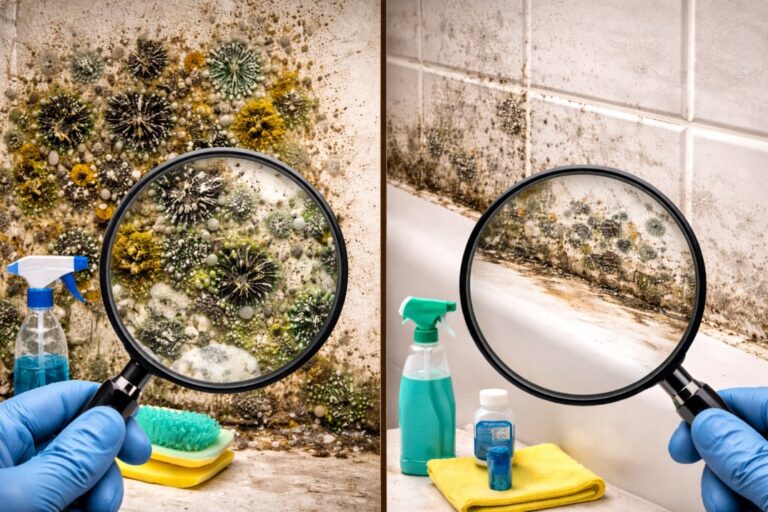
Toxic black mold vs black mold—this comparison starts with appearance, but it doesn’t end there. Stachybotrys chartarum, the mold most people mean when they say “toxic black mold,” tends to grow in patches that are slimy, dark greenish-black, and sometimes shiny. It thrives on materials that have been wet for a long time, like water-damaged drywall, wood framing, or carpet—conditions not unusual in older San Diego homes with hidden leaks.
By contrast, other black molds may be dry, powdery, or fuzzy. You’ll often find these on bathroom grout, window sills, or near HVAC vents—spots where condensation or small water leaks are frequent. Odor is also a clue: a persistent musty smell, especially after “June Gloom” days when homes stay sealed tight, can point toward hidden mold growth.
What surprised me most is how often hidden leaks, especially in vintage condos and rentals near the coast, turn up Stachybotrys growth that had gone unnoticed behind walls or under carpeting.
✔️ Check for signs of past or ongoing water damage in areas with visible black mold. Water stains, bubbling paint, or warped wood are key red flags.
Timeline tip: Act within 24 hours of discovering active leaks or new mold. Ideally, dry out affected areas within 24–48 hours to limit mold growth.
Health Risks: What Homeowners Should Know
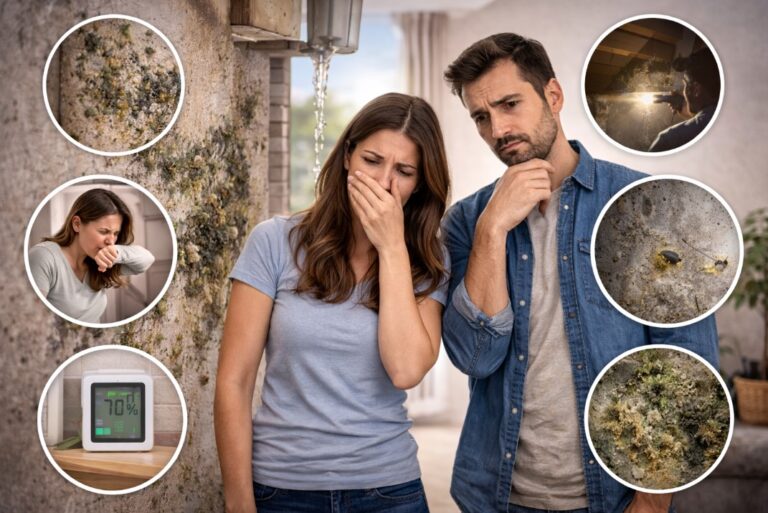
Both toxic black mold and other black molds can affect indoor air quality and create health risks. Toxic black mold (Stachybotrys) may be linked to more severe symptoms, such as intense respiratory irritation, persistent headaches, and fatigue—especially in children, older adults, or anyone with allergies or compromised immunity. Other black molds, while less notorious, are still problematic: they can trigger coughing, sneezing, asthma attacks, and sinus congestion.
San Diego’s weather patterns, like the marine layer and “June Gloom,” often mean windows stay closed for days, trapping moisture and spores. Poorly ventilated homes, especially those with older plumbing or frequent condensation, can amplify the risks.
Here’s what I noticed: families often overlook mold until someone’s allergies or asthma suddenly becomes worse, particularly after a rainy spell or when an old window starts leaking.
✔️ If anyone in your household experiences sudden or worsening respiratory symptoms, seek medical advice and check for mold/moisture issues.
Safety note: Health symptoms that may be linked to mold exposure warrant prompt action—don’t wait to investigate for moisture or leaks.
Moisture Is the Real Problem: Fix Leaks, Fight Mold
Every mold problem is, at its core, a moisture problem. In San Diego, homes are exposed to coastal fog, heavy marine layers, and the occasional plumbing mishap. Without controlling moisture, no amount of cleaning or remediation will keep mold from returning.
And this is where it gets interesting: many homeowners treat the visible mold but skip fixing the underlying issue. Mold is simply the symptom; the real cause is often a leaky roof, persistent window condensation, aged plumbing, or poor ventilation—especially in bathrooms and kitchens.
After cleaning visible mold, use a dehumidifier or fans to dry the area thoroughly. The EPA recommends keeping indoor humidity below 60%—ideally between 30–50%—to discourage mold growth. For reference, a basic digital hygrometer can cost as little as $15–$30, and a quality dehumidifier typically starts at $150.
✔️ After cleaning visible mold, dry out the area completely and repair any leaks or ventilation issues.
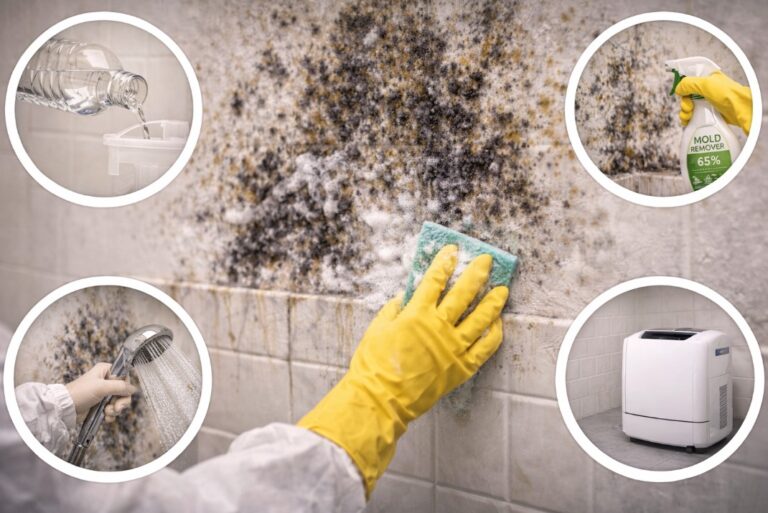
DIY vs pro: Minor mold patches (less than 10 square feet) on hard surfaces can be cleaned by most homeowners. Larger areas, hidden mold, or any situation involving contaminated HVAC ducts should be handled by professionals.
When to Call a Professional in San Diego
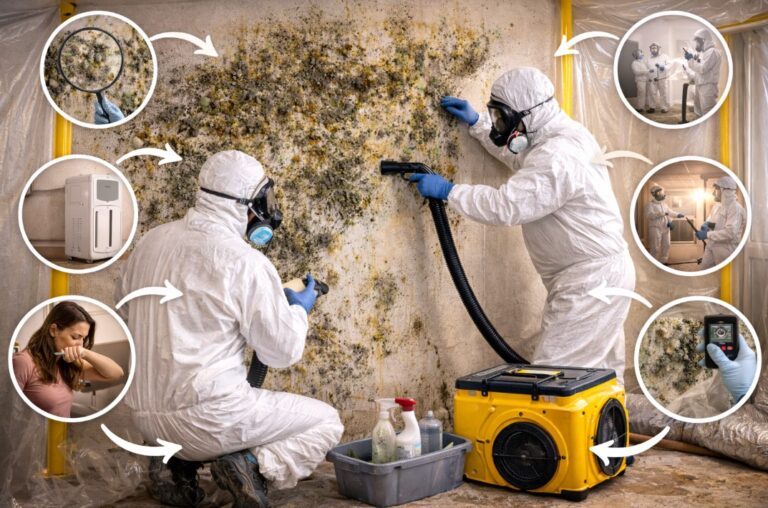
For San Diego homeowners and renters, knowing when to call a pro for mold removal is crucial. If mold covers more than 10 square feet, keeps coming back, or is suspected behind walls or under flooring, a licensed mold inspector or remediator should be involved. Professionals can test suspicious growth to determine if it’s Stachybotrys or another species, and they have the equipment to clean up large or hidden infestations safely.
Renters—especially those living in condos or apartments—should document the problem and promptly notify landlords or property managers. Condo owners are advised to check HOA rules before starting any remediation, as building-wide moisture problems may require coordinated repairs.
✔️ Contact a San Diego mold professional if you have widespread, hidden, or persistent mold issues.
DIY vs pro decision: If you’re unsure about the size of the problem, err on the side of caution. Professionals can also help pinpoint hidden leaks, a common culprit in older San Diego buildings.
Official Guidance: What the Experts Say
The EPA is clear: all molds, whether toxic or not, should be removed promptly to protect health. The CDC echoes this, stating that homeowners should address water leaks and moisture issues immediately to prevent mold growth. The California Department of Public Health (CDPH) specifically advises renters to report mold problems to landlords right away.
Research suggests that if mold covers more than 10 square feet, or if you have health concerns, the EPA recommends seeking professional help. The CDC also notes that cleaning up mold without fixing the moisture source will not prevent future growth—something especially relevant in San Diego’s older, moisture-prone homes.
Sources Note
Sources for this article include the Environmental Protection Agency (EPA), Centers for Disease Control and Prevention (CDC), and California Department of Public Health (CDPH).
Disclaimer: This article is for informational purposes only and does not substitute for professional inspection or medical advice. Consult a qualified specialist for confirmed or persistent mold issues.
FAQ
What is the difference between toxic black mold and regular black mold?
Toxic black mold refers specifically to Stachybotrys chartarum, which can produce dangerous mycotoxins. Regular black mold is a broad term for any dark-colored mold, including non-toxic species like Cladosporium or Aspergillus.How can I tell if the black mold in my home is dangerous?
Visual inspection alone is unreliable. Toxic black mold is usually slimy and grows on materials with sustained water damage, but lab testing is needed for confirmation.Is black mold always toxic?
No, not all black molds are toxic. Only certain species, like Stachybotrys chartarum, produce dangerous toxins, and these are relatively rare.What are the first signs of black mold in a San Diego home?
Watch for musty odors, dark patches on walls or ceilings, and any signs of water damage, especially after “June Gloom” or coastal fog events.Can I clean up black mold myself, or do I need a professional?
Small, accessible patches (less than 10 sq ft) can often be cleaned safely. For larger areas, hidden mold, or recurring problems, call a professional.How fast does black mold grow after a water leak?
Mold can start growing within 24–48 hours of water exposure.Does San Diego’s marine layer or coastal fog make black mold more likely?
Yes, the persistent moisture from fog and marine layers increases condensation and hidden leaks, creating ideal conditions for black mold growth.What should renters do if they find black mold in their condo or apartment?
Document the issue and notify your landlord or property manager right away. The CDPH recommends prompt reporting to ensure proper remediation.
Take Action
- Inspect your home for hidden moisture or leaks—especially after heavy rain or plumbing issues.
- If you find black mold, address moisture sources and clean up small patches safely; call a professional for large or hidden growth.
- For ongoing moisture or mold problems in condos or rentals, notify your property manager or landlord promptly.