How Mold Grows: Humidity and Temperature Conditions Explained
Mold thrives when indoor humidity stays above 60% and temperatures are between 68°F and 86°F, especially in poorly ventilated areas.
For San Diego homeowners, these conditions often show up after periods of coastal fog, marine layer, or inland heat waves. Understanding what triggers mold growth is essential, since moisture—not just the presence of mold spores—is the real culprit. Whether you live in a beachside condo or an older inland house, controlling indoor moisture is the key to keeping mold at bay.
Quick Answer Block
- Mold needs moisture to grow; high humidity (over 60%) is the main cause indoors.
- Ideal temperatures for mold are 68°F–86°F (20°C–30°C).
- Poor airflow and damp surfaces speed up mold growth.
- Mold can begin growing in as little as 24–48 hours after a water event.
- San Diego’s coastal fog and marine layer can raise indoor humidity quickly.
- Keeping humidity below 50% and improving ventilation prevents most mold problems.
Why Mold Grows Indoors — The Moisture Connection
Mold problems indoors always start with moisture—mold spores are everywhere, but they only take hold when water lingers. In San Diego, you might notice this after a foggy morning or a bout of June Gloom. Mold needs a steady source of dampness, not just a quick spill.
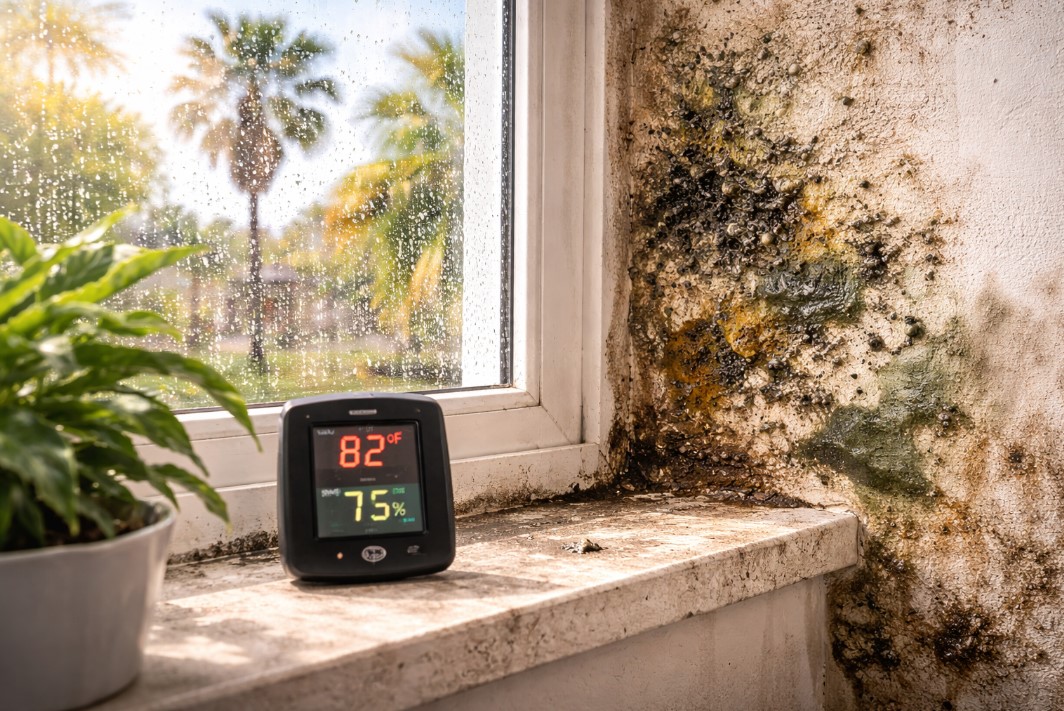
What surprised me most is how often hidden leaks or small plumbing drips become the root cause. Even if your home looks dry, a slow drip under a sink or condensation on a window sill is all mold needs. Common sources include roof or plumbing leaks, poorly vented bathrooms, or even condensation from cool air meeting warm surfaces. Coastal fog and marine layers can push humidity indoors, making things worse.
To prevent mold, start by identifying where water sticks around. Check bathroom corners, under sinks, and along window sills after damp weather. If you find any area where water sits for more than 24 hours, dry it out completely. For renters, document what you see and notify your landlord right away. Condo owners should check with their HOA before starting any repairs.
Humidity Levels That Trigger Mold — What’s Too High?
Indoor humidity levels over 60% create the perfect breeding ground for mold growth. In San Diego homes, this often happens in bathrooms, kitchens, laundry rooms, or on window sills—especially during marine layer events. The relationship between humidity and mold growth is direct: once air gets too damp, even well-cleaned surfaces can become moldy in days.
The pattern I keep seeing is that people underestimate how quickly humidity can spike. Measuring humidity is simple now, though. Affordable hygrometers ($10–$30) are widely available, and smart sensors can track changes over time. Place these devices in rooms you suspect might be damp or poorly ventilated.
To keep mold at bay, monitor your relative humidity (RH) at least once a week. If you ever see readings above 55%, use a dehumidifier or run a fan to bring levels down. This small step is one of the most effective ways to stop mold before it starts.
Temperature Ranges for Mold Growth — San Diego’s Unique Risks
Mold grows fastest when indoor temperatures are between 68°F and 86°F. These comfortable ranges for people are unfortunately just right for mold, too. In the San Diego area, coastal homes often stay cool because of the marine layer, but humidity remains high, especially in older houses with single-pane windows. Inland homes face different challenges: intense summer heat during the day means that when cool air from AC or evening breezes meets warm surfaces, condensation forms—another invitation for mold.
And this is where it gets interesting: mold doesn’t necessarily die off outside this temperature range. If there’s enough moisture, it can become dormant and then reactivate when conditions improve. So, don’t assume a chilly house is automatically safe.
For your best protection, keep indoor temperatures consistent year-round. Avoid sudden shifts that lead to cold spots, especially around windows, exterior walls, or behind large furniture. If you notice condensation forming, address it quickly by wiping surfaces dry and checking for air leaks.
Ventilation and Airflow — Your First Line of Defense
Ventilation is your main weapon in the fight against high humidity and mold indoors. Stagnant air allows moisture to linger, while moving air helps surfaces dry out faster. In San Diego condos or apartments, where windows might not open wide or bathrooms lack exterior vents, this issue can sneak up on you.
Here’s what I noticed: small changes in airflow can make a big difference. Use exhaust fans in bathrooms and kitchens, especially after showers, cooking, or laundry. If you’re in a rental or a condo, open windows on dry days—even for just 10 minutes—to flush out damp air. Don’t block air vents with furniture or storage bins; airflow behind large sofas or beds is just as important as in open rooms.
If your home always feels stuffy, you might consider a whole-home ventilation upgrade, but most people can see big improvements with simple DIY steps. Run bathroom or kitchen fans for 20 minutes after use—don’t skip this step, even if everything looks dry. Small habits like these add up to a much drier, healthier space.
Surface Materials and Hidden Risks — Why Some Spots Stay Wet
Certain materials and hidden corners in your home are prime spots for lingering moisture, setting the stage for mold growth. Porous materials such as drywall, carpet, and wood soak up water and hold it longer than you might think. In older San Diego homes, you’ll often find poorly sealed windows or outdated insulation, both of which allow dampness to seep in and stick around.
What’s especially important to watch for is mold starting in places you rarely look: behind furniture, under sinks, inside wall cavities, or beneath appliances. A small leak or drip in these spots can go unnoticed for weeks, giving mold all the time it needs.
Check these hidden areas at least once a month for any signs of dampness or a musty smell. If you notice anything off, dry the area immediately and figure out where the moisture is coming from. Remember, renters should always document their findings and let their landlord know, while condo owners should confirm with their HOA before making any repairs behind walls or in shared spaces.
Official Guidance: EPA, CDC, and California Department of Public Health Recommendations
- Fix water leaks and plumbing issues promptly—mold can start within 24–48 hours.
- Keep indoor humidity below 50% using dehumidifiers or air conditioning.
- Increase ventilation in moisture-prone areas (bathrooms, kitchens, laundry).
- Clean and dry water-damaged areas and items within 24–48 hours.
- Use exhaust fans in bathrooms and kitchens that vent outdoors.
- Discard porous materials (like carpet or ceiling tiles) if they stay wet for more than 48 hours.
For more details, check EPA Mold Guidelines, CDC Mold Information, or the California Department of Public Health Mold Resources.
Sources Note
- EPA (Environmental Protection Agency)
- CDC (Centers for Disease Control and Prevention)
- California Department of Public Health
This article is for informational purposes only. Always consult a mold specialist or moisture control expert if you suspect a serious problem in your home.
FAQ
1. What humidity level is safe to prevent mold in San Diego homes?
Aim to keep your indoor relative humidity below 50%. This is especially important during foggy or humid weather common along the coast.
2. Can mold grow at low temperatures if humidity is high?
Yes, mold can still grow if humidity stays elevated, even when it’s cool indoors. Moisture is the key factor, not just warmth.
3. How fast does mold start after a leak or flood?
Mold can begin to grow within 24–48 hours after a water event, so quick drying and cleanup are crucial.
4. Do air conditioners help prevent mold by lowering humidity?
Air conditioners can help reduce humidity, especially if properly maintained. Make sure to use the AC’s “dry” or dehumidify setting, if available.
5. Where does mold most often appear in coastal condos?
Mold commonly appears on window sills, in bathrooms, under sinks, and behind appliances—especially where condensation forms after foggy mornings.
6. Is it enough to use a bathroom fan to stop mold?
Using a bathroom fan after every shower or bath is an effective way to lower humidity and prevent mold, but only if the fan vents to the outside and runs long enough (20 minutes).
7. Can mold grow inside walls if the surface looks dry?
Yes, mold can grow within wall cavities if there’s hidden moisture from leaks or condensation, even if the outer surface seems dry.
8. What’s the best way to measure indoor humidity accurately?
Use a digital hygrometer or a smart humidity sensor. Place it in rooms that are prone to dampness, and check readings weekly.
Take Action
- Check your home’s humidity and temperature regularly—buy a simple hygrometer for accurate readings.
- Fix leaks or damp spots immediately, especially after foggy or humid weather.
- Schedule a professional moisture assessment if you notice musty odors or recurring dampness you can’t trace.